Indian bakery and pastry guide
Short answer: “Pastries from India” can describe many sweet or savoury bakery formats rather than one traditional category. Start with the texture and occasion you want, then ask the bakery to identify the current item, preparation style, ingredients, allergens, serving temperature, storage and availability. Do not infer a recipe or dietary status from a regional name.
Indian bakery counters can bring together laminated or filled pastries, puffs, buns, biscuits, cakes, savoury snacks, mithai-inspired bakes and regional adaptations. Names and recipes change by city, community and baker, so a guide is most useful when it helps the customer ask better questions. This page does not claim that The Mithai Maharaja currently sells any specific pastry or uses any particular ingredient.
Understand what pastries from India may mean
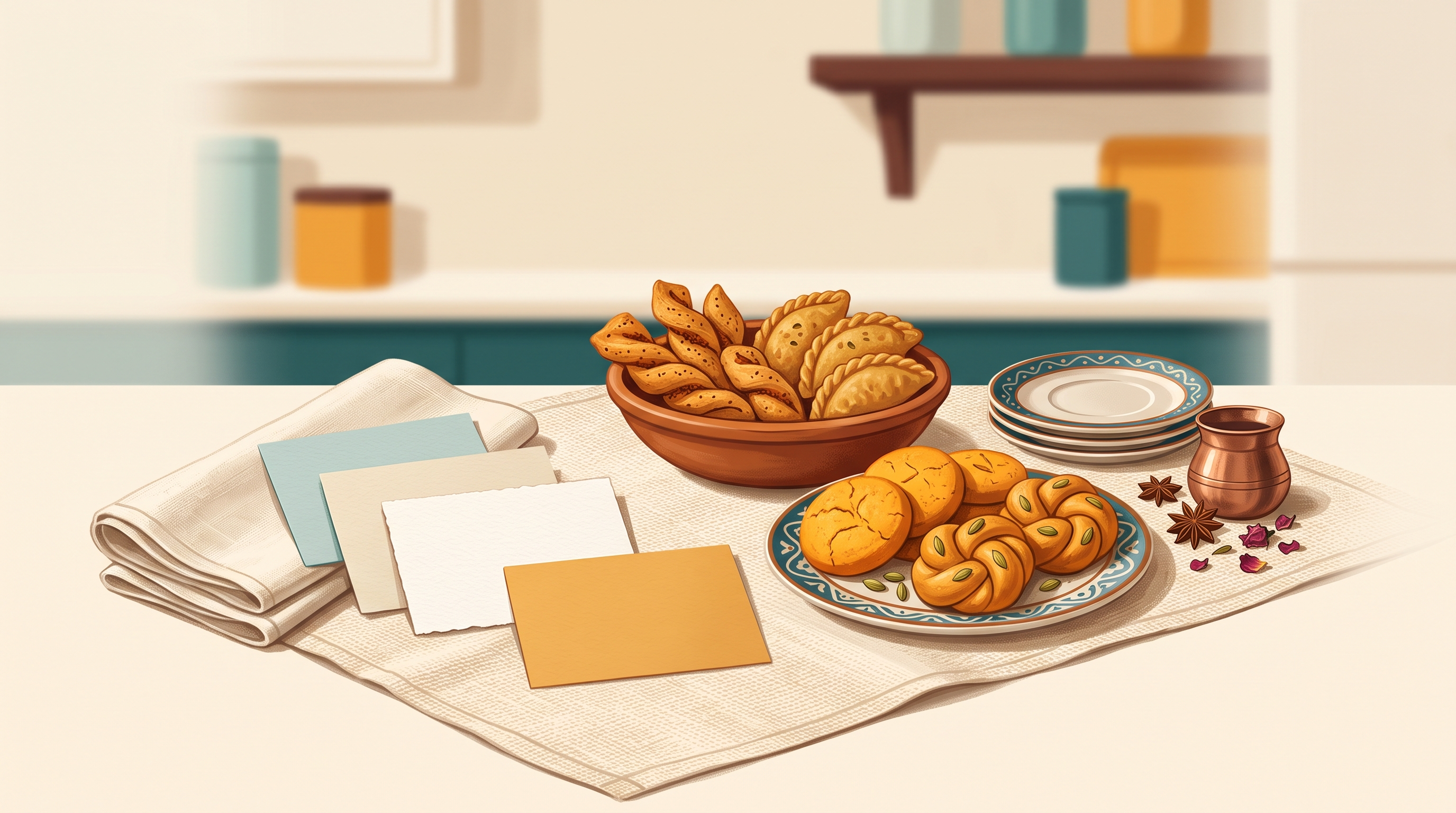
The word pastry may be used broadly in a Canadian bakery. It can refer to a layered dough item, a stuffed puff, a cake-shop portion, a baked bun, a tart-like sweet or a fusion item that uses flavours associated with mithai. Some customers may also use pastry when they mean a savoury snack. Ask the counter to point to the exact product and describe it.
Keep mithai, fried snacks and baked pastry distinct even when they share a filling or flavour. A sweet shaped like a square, a fried dough sweet and a cream-filled bakery slice have different textures, storage and serving needs. The place name India does not establish a single traditional formula.
The Mithai Maharaja website publishes sweets, signature snack and other collection routes. Use the live collection names to understand the store’s broader range, then confirm whether a pastry matching your request is available today.
Choose by texture and format instead of name alone
| Preference | Ask for | Confirm |
|---|---|---|
| Flaky or layered | A baked item with distinct layers | Filling, serving window and storage |
| Soft and filled | A bun, roll or pastry with a moist centre | Sweetness, spice and temperature |
| Crisp savoury | A baked snack designed for hand-held serving | Filling, chutney and reheating |
| Cake-shop style | An individual slice or decorated portion | Cream, refrigeration and transport |
| Mithai-inspired | A bakery item using a familiar sweet flavour | Actual recipe, nuts, dairy and portion |
This is a conversation framework, not a list of products sold by the business. A layered item can soften as it sits; a moist filling can affect transport; a cream item may need refrigeration. Ask the bakery which description and handling apply to the current item.
Match the pastry selection to the occasion
For breakfast or tea, smaller portions and simple packaging may be easiest. For an office meeting, prioritize clean hand-held service, labels and predictable portions. For a celebration, presentation, variety and a planned serving sequence may matter more. For a gift, confirm shelf life and travel before choosing a decorative box.
Count guests, other food and dietary needs. Decide whether the order is a snack, dessert or part of a meal. Do not assume one pastry per person when sizes vary or when savoury and sweet items appear together. Ask how the bakery defines a portion and what package sizes are currently offered.
- Set the date, pickup and serving time.
- Choose sweet, savoury or mixed service.
- List texture and spice preferences.
- Collect allergy and dietary questions.
- Confirm portions, package count and tableware.
- Plan temperature, transport and leftovers.
Ask about filling, flavour and accompaniments
Names such as paneer, vegetable, chocolate or cardamom may describe only one component. Ask what else is in the filling, whether the item is baked or fried, how spicy or sweet it is, and whether a sauce, chutney, garnish or syrup is included. Confirm whether an accompaniment changes the allergen or storage answer.
For a mixed group, label each box and keep sweet and savoury items separate. Ask whether a strongly flavoured or nut-topped item shares packaging with others. If someone has a strict need, do not substitute a similar-looking item without a new ingredient and cross-contact check.
Fusion is not a lesser or more authentic category; it is a cue to ask what the baker has combined. Avoid claiming a single region or tradition unless the business identifies it. A useful description tells a customer what the item is like, not what they should assume about its history.
Confirm ingredients, allergens and dietary requirements
Indian bakery and sweet-shop items may involve milk, wheat, egg, soy, peanuts, tree nuts, sesame or other priority allergens, but no ingredient should be assigned to a specific Mithai Maharaja item without current information. Ghee is dairy; a savoury filling can contain an allergen through spice blends, sauce or garnish; and a product made without one ingredient can still share equipment.
The Canadian Food Inspection Agency explains priority-allergen declarations and cross-contamination statements in its food-allergen labelling resource. Requirements depend on how food is packaged and sold. For a bakery-counter order, ask staff for the product-specific information the business can verify.
Use precise questions: Does the exact item contain milk, egg, wheat, soy, sesame, peanuts or a named tree nut? Is it made, displayed, cut or packed on shared equipment? What does a vegan, eggless or gluten-related description mean in this kitchen? If the answer cannot meet the person’s safety needs, do not order it.
Plan pickup, storage and serving
Ask when the item was prepared, its recommended serving window and whether it should be kept room temperature, chilled or hot. Do not use a universal rule across puffs, cream pastries, buns, fried snacks and mithai-inspired bakes. Keep the business’s directions with the order.
Government of Canada general food-safety tips say perishable food should be kept out of the 4°C to 60°C danger zone and refrigerated promptly. Whether an item is perishable depends on its ingredients. Ask the bakery, keep cold items at or below 4°C, and avoid leaving food in a parked vehicle.
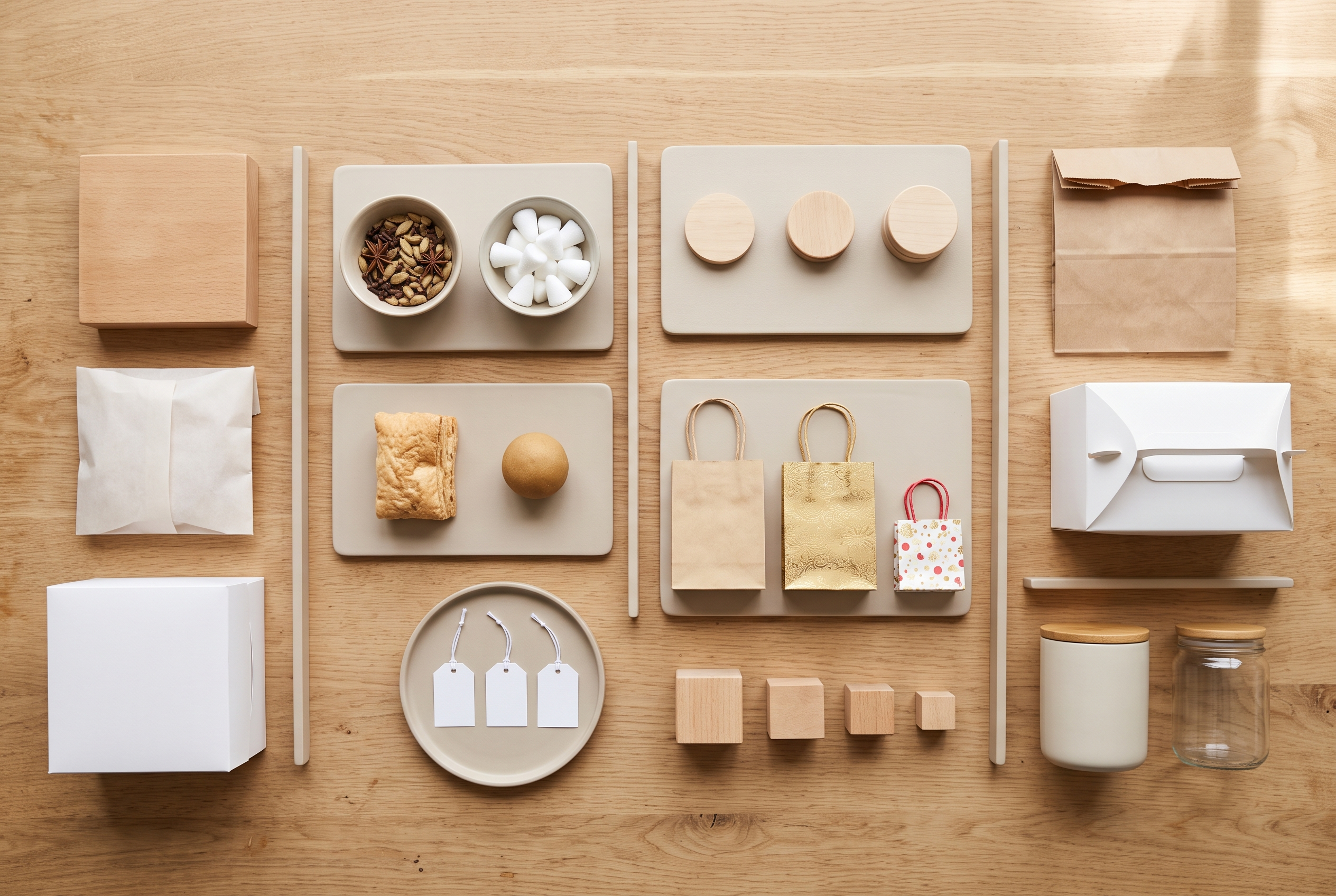
Transport boxes level and avoid stacking decorated or filled items unless the packaging is designed for it. Confirm reheating instructions for savoury items. At service, retain labels and ingredient information, use separate utensils, and do not combine products in a way that erases their identity.
Use a complete bakery order checklist
- Exact item name and a plain-language description.
- Baked, fried, laminated, filled or cake-shop format.
- Sweetness, spice and included accompaniments.
- Current ingredients, priority allergens and cross-contact information.
- Portion size, quantity, packaging and labels.
- Advance notice, availability, substitution and cancellation terms.
- Current unit price, tax and any delivery charge.
- Pickup time, address, storage, reheating and serving directions.
Review the business’s current collection routes and contact the store using its contact page. The presence of sweets or snacks online does not prove that a pastry category, specific recipe or quantity is available.
Common Indian bakery order mistakes to avoid
- Using pastry, mithai and savoury snack as interchangeable categories.
- Assuming a regional or familiar name guarantees one recipe.
- Guessing vegan, eggless, halal or gluten status from appearance.
- Asking only whether an item has nuts instead of naming allergens and cross-contact.
- Counting boxes rather than confirmed portions.
- Ordering too early without storage and serving directions.
- Combining unlabelled products for a group with dietary needs.
- Assuming an online collection proves live availability, price or recipe.
Frequently asked questions
Are pastries from India always sweet?
No. Canadian customers may use pastry for sweet or savoury bakery formats. Ask the shop to identify the exact item.
Is mithai a type of pastry?
Mithai is a broad South Asian sweets category, not simply another word for pastry. A bakery can also create mithai-inspired pastries, so request a product description.
Are Indian pastries vegetarian?
Do not assume. Ask about eggs, dairy, animal-derived ingredients and cross-contact for the exact item and current recipe.
How early should I order for an event?
Notice and capacity vary by item and date. Confirm availability, quantity, substitution, pickup and cancellation terms directly with the business.
Ask about the current bakery selection
Contact The Mithai Maharaja through its current store page and describe the texture, sweet or savoury preference, date, quantity and serving plan. Ask which pastry-style items are available and confirm ingredients, allergens, cross-contact, portion, price, packaging, storage and pickup before ordering.
Business details and external guidance were reviewed for this local editorial package. Confirm time-sensitive terms, individual needs and safety information before publication or action.