A Punjabi thali is a balanced North Indian meal featuring assorted vegetarian dishes (dal, sabzi, breads, rice, raita, pickle, and dessert) served together on one plate. At The Mithai Maharaja in Brampton, our thali reflects five generations of halwai craft, pairing hearty curries with fresh breads and a finishing mithai.
By The Mithai Maharaja · Last updated: 2026-06-12
Quick Summary
A Punjabi thali is a complete, vegetarian-friendly plate that brings multiple Punjabi dishes together: a lentil, a vegetable curry, breads, rice, raita, salad, pickle, and a small dessert. It offers variety, balance, and convenience in one satisfying meal, ideal for families, office lunches, and everyday dining.
This complete guide shows how a Punjabi thali is composed, why it’s popular in Brampton, and how to get the best experience at The Mithai Maharaja.
- What a traditional Punjabi thali includes and why each element matters
- How to customize for spice level, heat, and dietary needs
- Tips for ordering, packing, reheating, and pairing with sweets
- Local notes for Brampton diners and event hosts
Want to compare plate mixes? See how portions balance in our thali combinations guide for practical ideas you can apply the next time you order.
What Is a Punjabi Thali?
A Punjabi thali is a curated plate of North Indian favorites served together. It typically includes dal, a seasonal vegetable sabzi, paneer or chana, roti or naan, steamed rice, raita, salad, a tangy pickle, and a small mithai. The variety ensures balance, satiety, and classic Punjabi flavor.
Punjabi thali refers to a complete meal, not a single dish. The idea is simple: combine complementary flavors and textures in smart portions so you get protein, complex carbs, fiber, and a touch of sweetness, without overthinking what to order.
- Core legume: Often dal makhani or chana (chickpeas) for protein and richness.
- Vegetable sabzi: Seasonal or classic, like aloo gobhi or saag, for fiber and micronutrients.
- Paneer or additional curry: Adds variety and a creamy bite.
- Indian breads: Roti or naan for scooping and pairing with curries.
- Rice: Steamed basmati to balance sauces and spice.
- Raita/salad: Cooling yogurt and crunch for contrast.
- Pickle (achar): Bright, tangy accents that wake up the palate.
- Sweet finish: A bite-size mithai such as gulab jamun for a satisfying close.
At The Mithai Maharaja, our thali celebrates Punjabi roots and the halwai way—slow-cooked components, pure desi ghee touches where traditional, and a dessert crafted with the same heritage that defines our sweets counters.
Why Punjabi Thali Matters (Taste, Balance, Convenience)
Punjabi thali matters because it delivers taste, balance, and convenience in one plate. You get protein from dal or chana, vegetables from sabzi, energy from breads and rice, cooling raita for contrast, and a small sweet, making it an easy, satisfying everyday choice.
People love thali because it removes guesswork. You don’t have to assemble a meal course-by-course; it’s curated for you. For busy Brampton families, students, and office teams, that means consistent quality, less decision fatigue, and reliable satisfaction at lunchtime or dinner.
- Balanced nutrition: Protein + carbs + fiber + cultured dairy in one plate.
- Flavor spectrum: Creamy, tangy, spicy, and sweet harmonize without overpowering.
- Portion control: Multiple small servings naturally constrain over-eating.
- Vegetarian friendly: Easy to keep meat-free while still hearty.
- Everyday practicality: Simple to order, pack, and share.
Because we’re also a sweets and snacks house, your thali can segue into a quick chaat starter or a premium mithai gift box for a colleague. Explore North Indian pairings in our street food culture explainer to see how everyday plates connect with festive snacks.
How a Punjabi Thali Works (Composition & Flow)
A Punjabi thali works by pairing complementary components, including dal, sabzi, paneer or chana, breads, rice, raita, salad, pickle, and a dessert, so each bite offers contrast and balance. You rotate between components: scoop with roti, follow with rice, cool the palate with raita, and end with a small mithai.
Think of the plate as a circle of stations. Start with a warm roti piece and dal for creaminess, then switch to sabzi for texture. Alternate with rice to reset spices. Add raita for cooling and pickle for brightness. Finish with a classic sweet like gulab jamun to signal a complete meal.
- Texture rotation: Soft (dal), crisp-tender (sabzi), chewy (roti), fluffy (rice).
- Temperature play: Hot curries meet cool raita and salad.
- Flavor pacing: Rich elements balanced by acidic or dairy notes.
For more examples of how we assemble these plates for satiety and variety, see our healthiest mix in 2026 discussion, which breaks down smart add-ons like a side chaat or a sharing dessert box.
Types and Approaches to Punjabi Thali
Punjabi thali types vary by occasion and season. Common approaches include classic everyday plates, winter saag-focused spreads, street-style comfort sets, and festive plates with premium paneer and a signature mithai. Choose based on appetite, weather, and whether you’re sharing or eating solo.
While “thali” is a consistent idea, the mix can shift to match context. Here are popular patterns we serve and how they differ.
| Thali Type | Signature Elements | Best For |
|---|---|---|
| Classic Everyday | Dal makhani, seasonal sabzi, roti/naan, rice, raita, pickle, gulab jamun | Daily lunches, consistent routine |
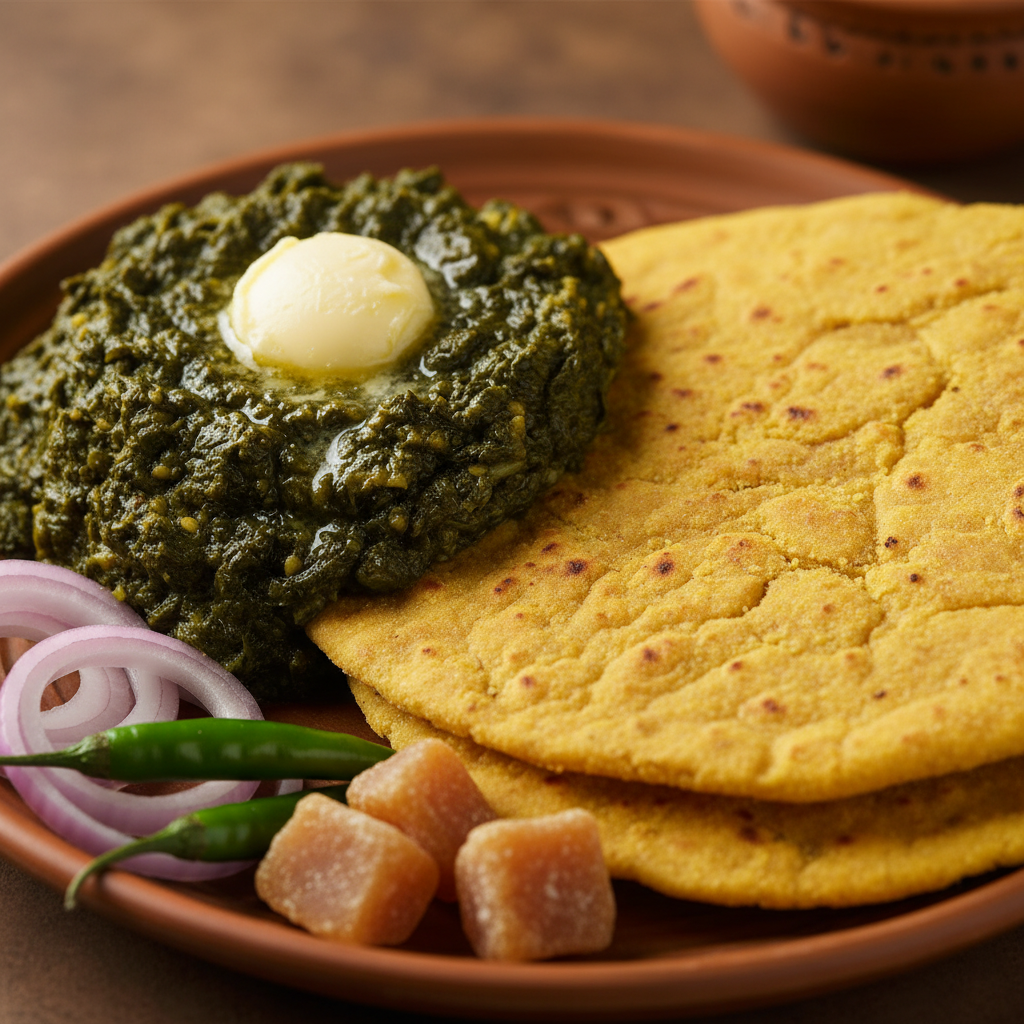
| Saag & Roti (Winter) | Sarson da saag, makki di roti, jaggery, butter, raita, salad | Cold-weather comfort, traditional cravings |
| Street-Style Comfort | Chana, aloo sabzi, extra roti, pickle, side chaat add-on | Game nights, casual sharing |
| Festive Premium | Paneer curry, rich dal, naan + rice, premium mithai finish | Celebrations, guests, corporate lunches |
Want to branch into snacks that echo these flavors? Our samosa and pakora guide explains textures and pairings that pair well with thali curries and breads.
Best Practices: Ordering, Customizing, Reheating
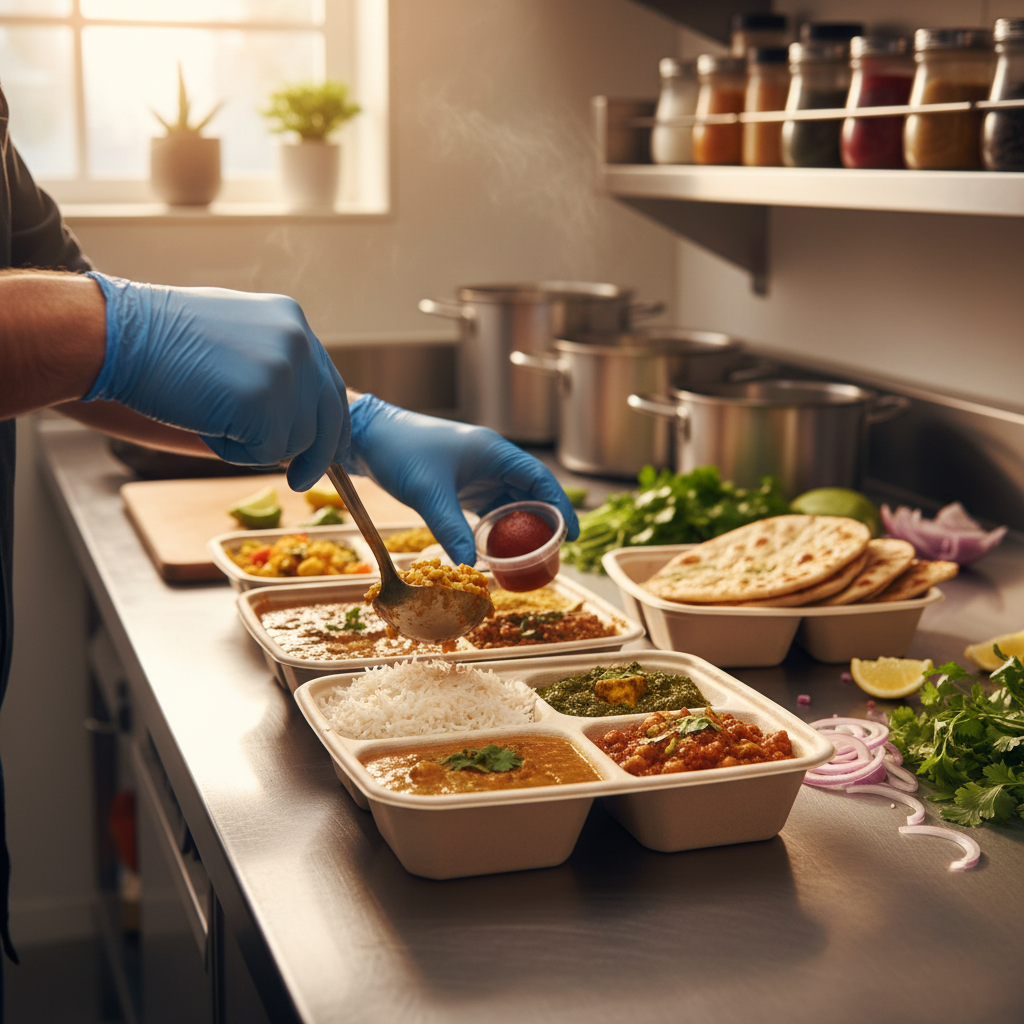
For the best Punjabi thali experience, confirm spice level, ask for extra raita if you run warm, and separate wet and dry items for takeout. Reheat curries gently on the stove or in short microwave intervals and warm breads on a griddle or in a low oven for texture.
We assemble thalis for dine-in and takeout every day in Brampton, and a few small habits make a big difference.
Ordering tips
- Share any dietary preferences (milder heat, no onion/garlic, nut sensitivities) when ordering.
- Balance textures: If your dal is creamy, opt for a chunkier sabzi.
- Think ahead to reheating: Ask to pack breads separately if you’ll eat later.
Takeout and storage
- Keep raita chilled and away from hot curries so it stays cool and bright.
- Vent briefly if steam builds up; then reseal to keep breads from getting soggy.
- Label components if you’re ordering for a group so everyone finds their items fast.
Reheating at home
- Curries: Reheat gently on a stovetop with a splash of water; stir to restore silkiness.
- Roti/naan: Revive on a hot skillet for 20–40 seconds per side to keep soft with light char.
- Rice: Sprinkle with a few drops of water, cover, and warm until fluffy.
Local considerations for Brampton
- Weekends and festival weeks are high-demand; place thali and sweets orders earlier in the day to ensure smooth pickup.
- Cold-weather months make saag and makki di roti especially popular; plan ahead if you’re hosting family or visiting friends.
- For office lunches, request individual packing so breads stay warm while raita remains chilled; it speeds distribution and keeps textures right.
If you’re curating a fuller spread, blend thali plates with a classic starter. Our Chole Bhature guide and Amritsari Kulcha explainer walk through these crowd-pleasers and how they pair with everyday plates.
Tools & Resources for an Even Better Plate
You can upgrade your Punjabi thali experience with simple tools (stovetop pan for reheating breads), smart packing for takeout, and menu inspiration. Skim sample tiffin menus for rotation ideas, and keep raita cups and airtight containers handy for crisp, fresh textures at home or office.
Here are practical helpers and inspiration sources our Brampton customers use to keep meals varied and convenient.
- Reheating gear: A flat skillet or griddle for rotis; microwave-safe bowls with lids for curries.
- Lunch packing: Airtight containers and insulated bags preserve temperature and texture.
- Menu inspiration: Browse rotating sets on Punjabi tiffin menus to see how others structure weekly variety.
- Compare regional spins: Check tiffin meal plans to notice how sides, curries, and breads change by season and preference.
- Fusion ideas: Peek at an Indian fusion menu for creative sides to serve alongside a traditional thali.
Because The Mithai Maharaja is also a sweets destination, it’s easy to round out plates with mithai. Learn about textures and gifting formats in our Punjabi sweets overview so you can match desserts to the occasion.
Case Notes: How Brampton Diners Use Thali
Brampton diners use Punjabi thali for quick lunches, family-style dinners, and event-friendly sets. At The Mithai Maharaja, we see consistent wins when customers pre-plan spice levels, separate hot and cold items, and add a small mithai assortment for a polished finish guests remember.
Here are real-world scenarios drawn from our day-to-day service in Brampton—no client names, just patterns that work.
Family night-in, zero hassle
- A parent picks up two thalis with different spice profiles and asks for raita in extra cups.
- At home, they warm roti on a skillet and plate everything at once; no extra cooking required.
- They add a small selection from our mithai counter to make it feel special without planning a full menu.
Office lunch that actually travels well
- A team lead requests individually packed plates with labeled curries and separate bread sleeves.
- Distribution takes minutes; nobody is waiting on reheats. Breads stay soft, raita stays cool.
- They include a bite-sized sweet for each plate to signal a complete, thoughtful meal.
Weekend hosting with a North Indian theme
- The host pairs thali with a single signature snack—either Chole Bhature or Amritsari Kulcha—to keep variety without complexity.
- They finish with premium mithai from our counters; elegant boxes double as gifts if friends drop by.
- Cleanup is minimal thanks to compact, well-planned portions.
These patterns hold up week after week because thali is built for balance and convenience. It’s flexible enough to handle different tastes while still feeling cohesive on the table.
Punjabi Thali: Frequently Asked Questions
Punjabi thali FAQs center on what’s included, how spicy it is, customization options, and reheating. The short answer: it’s a curated vegetarian-friendly plate you can tailor to heat preference, pack neatly for takeout, and reheat gently at home for a next-day lunch.
What is typically included in a Punjabi thali?
Most Punjabi thalis include a lentil (dal), a vegetable sabzi, a paneer or chana curry, roti or naan, steamed rice, raita, salad, a tangy pickle, and a small dessert. Portions are designed to give variety, balance, and a satisfying finish without needing side orders.
Is a Punjabi thali very spicy?
Heat levels are adjustable. Many diners choose mild or medium spice with a cooling raita on the side. If you’re heat-sensitive, request milder seasoning and an extra raita cup; you’ll still enjoy full Punjabi flavor without the burn.
How should I reheat a thali at home?
Warm curries slowly on a stovetop with a splash of water and stir to restore texture. Refresh roti or naan on a hot skillet for under a minute per side. Keep raita chilled and add it at the end. This keeps textures distinct and flavors bright.
Can a Punjabi thali be customized for dietary needs?
Yes. Share your preferences when ordering: milder spices, no onion/garlic, or avoiding nuts. We’ll guide you to suitable curries, pack components separately for freshness, and suggest a dessert that fits your needs while keeping the plate balanced.
Conclusion and Next Steps
Punjabi thali brings balanced North Indian flavors to one plate—easy to order, portion-smart, and vegetarian-friendly. At The Mithai Maharaja in Brampton, heritage recipes and fresh breads turn everyday meals into satisfying experiences you can enjoy at home, at work, or while hosting.
- Key takeaways: Balance, variety, and convenience define a great Punjabi thali.
- Action: Share your spice and dietary preferences when ordering to get your ideal plate.
- Level-up: Pair a thali with one signature snack and a premium mithai finish for a complete spread.
Ready to plan your next order or event menu? Explore textures and flavors in our Punjabi sweets overview, then skim the thali mix guide for plate ideas that match your occasion.
Related Reads in Our Indian Food Series
To deepen your Punjabi thali know-how, read our explainers on Punjabi sweets and classic North Indian breads and snacks. These guides connect everyday thali plates to festive mithai and beloved street-style comfort foods—useful when building menus for families, offices, or celebrations.
For snack pairings and bread-centric plates, see our notes on Amritsari Kulcha and the Samosa vs. Pakora breakdown. For dessert planning, our Punjabi sweets guide covers mithai textures, gifting formats, and festival traditions.
Planning a group meal or need guidance for a themed menu? Reach out to The Mithai Maharaja in Brampton for curated thali sets, snack pairings, and premium mithai assortments that fit family dinners, office lunches, and celebrations.