Thali meal combinations nutrition is the practice of balancing protein, fiber, complex carbs, and healthy fats on a traditional Indian thali so every bite satisfies and nourishes. In Brampton, The Mithai Maharaja crafts vegetarian thalis that follow this balance with dal, chana, vegetables, grains, and dairy, making it easy to eat well without overthinking.
By The Mithai Maharaja • Last updated: May 5, 2026
Overview and Table of Contents
This complete guide explains how to build healthy, satisfying thali plates using smart combinations of dal, legumes, vegetables, grains, and dairy. You’ll get a clear definition, why balance matters, a step-by-step builder, style comparisons, best practices, and Brampton-specific tips—plus examples using The Mithai Maharaja’s real menu.
Use this guide to create a thali you’ll look forward to, whether you’re eating in, ordering takeout, or planning catering for an event.
- What is “thali meal combinations nutrition”?
- Why thali balance matters
- How to build a balanced thali (step-by-step)
- Types and approaches: North, South, Jain, and more
- Best practices for everyday thali success
- Tools and resources
- Examples and mini case studies
- FAQ
- Conclusion and next steps
What Is “Thali Meal Combinations Nutrition”?
Thali meal combinations nutrition is the intentional pairing of legumes, vegetables, grains, and dairy on one plate to hit key targets: protein, fiber, micronutrients, and satiety. The goal is simple—combine complementary dishes so flavor and nutrition rise together, not one at the expense of the other.
Think of a thali as a complete, balanced plate. A classic vegetarian spread at The Mithai Maharaja features dal, chana or rajma, seasonal subzi, salad, raita, roti or rice, and a small sweet. Together they supply plant protein, gut-friendly fiber, slow-release carbs, and calcium.
- Protein anchors: Dal, chana, rajma, paneer.
- Fiber drivers: Lentils, chickpeas, vegetables, salad, pickles in moderation.
- Smart carbs: Roti, basmati rice, millet where available.
- Healthy fats: Tempered ghee/oils, nuts in raita or garnish.
- Micronutrients: Herbs, spices, yogurt, and colorful produce.
Practical target ranges most diners find helpful: a thali that delivers about 20–30 g protein, 12–18 g fiber, and a majority of carbs from grains/legumes keeps energy steady. A standard 1/2 cup cooked dal typically offers roughly 8–10 g protein and 6–8 g fiber, while 1/2 cup chickpeas adds about 6–7 g protein with similar fiber.
Explore our actual options in the Thali collection and our everyday Regular Thali to see how these pieces come together.
Why Thali Balance Matters
Balanced thalis help manage hunger, stabilize energy, and support nutrient intake. Pairing legumes with grains creates complete protein, fiber slows digestion, and fermented dairy aids digestion. The result: fewer mid-afternoon crashes and better satisfaction from normal portions.
When protein, fiber, and carbs arrive together, your body processes them more evenly. For many diners, pairing 1/2 cup dal with 1/2 cup chana, plus vegetables and one or two rotis, delivers steady energy for several hours. Add raita for beneficial cultures and a cooling counter to spice.
- Satiety benefit: 15–30 g protein in a meal often improves fullness compared to very low-protein plates.
- Glycemic control: Fiber from lentils and veggies can slow carb absorption; many guests notice fewer energy dips after fiber-rich thalis.
- Digestive support: Yogurt-based raita contributes live cultures that complement fiber’s gut effects.
In our kitchen, we see this every day. Guests in Brampton who choose a dal + legume combo with a colorful subzi report they feel fueled, not weighed down. Our Regular Thali and rotating vegetarian mains make these combinations easy to order.
How to Build a Balanced Thali (Step-by-Step)
Start with a protein base (dal or chana), add a second plant protein or paneer, layer a vibrant vegetable, include 1–2 grain portions (roti and/or rice), and finish with raita and a small sweet. Portion smartly, season boldly, and keep pickles/salt modest.
- Pick your protein base: Dal tadka, dal makhani, chana masala, or rajma.
- Add a second protein: Paneer curry or another legume for complementary amino acids.
- Load vegetables: Mixed seasonal subzi or saag for color, fiber, and minerals.
- Choose grains: One to two rotis, basmati rice, or a mix depending on activity level.
- Cool it down: Raita or plain yogurt to soothe spice and add cultures.
- Finish well: A bite-size mithai for palate pleasure—think a small piece of barfi or a single gulab jamun.
| Component | Typical Portion | Why It Matters |
|---|---|---|
| Dal or Chana | 1/2–3/4 cup | Provides ~8–12 g protein per 1/2–3/4 cup and 6–10 g fiber. |
| Paneer or Second Legume | 1/3–1/2 cup | Boosts protein to the 20–30 g sweet spot for fullness. |
| Vegetable Subzi | 1 cup | Adds vitamins, minerals, and water-rich volume for satiety. |
| Grains | 1 cup rice and/or 1–2 rotis | Complements legumes for complete protein; steady energy. |
| Raita/Yogurt | 1/3–1/2 cup | Cooling, probiotic, and a calcium bump. |
| Pickle/Salad | Small spoonful / 1/2 cup | Flavor lift; watch sodium in pickles. |
| Sweet Treat | 1 small piece | Satisfies the palate without overwhelming the plate. |
Our dal is tempered with pure desi ghee for aroma and satiety, a hallmark of our fifth‑generation halwai craft. If you’re ordering for the office, choose the rotating mains in our Thali and Value Meals and add a side raita to round out the plate.
Types and Approaches: North, South, Jain, and More
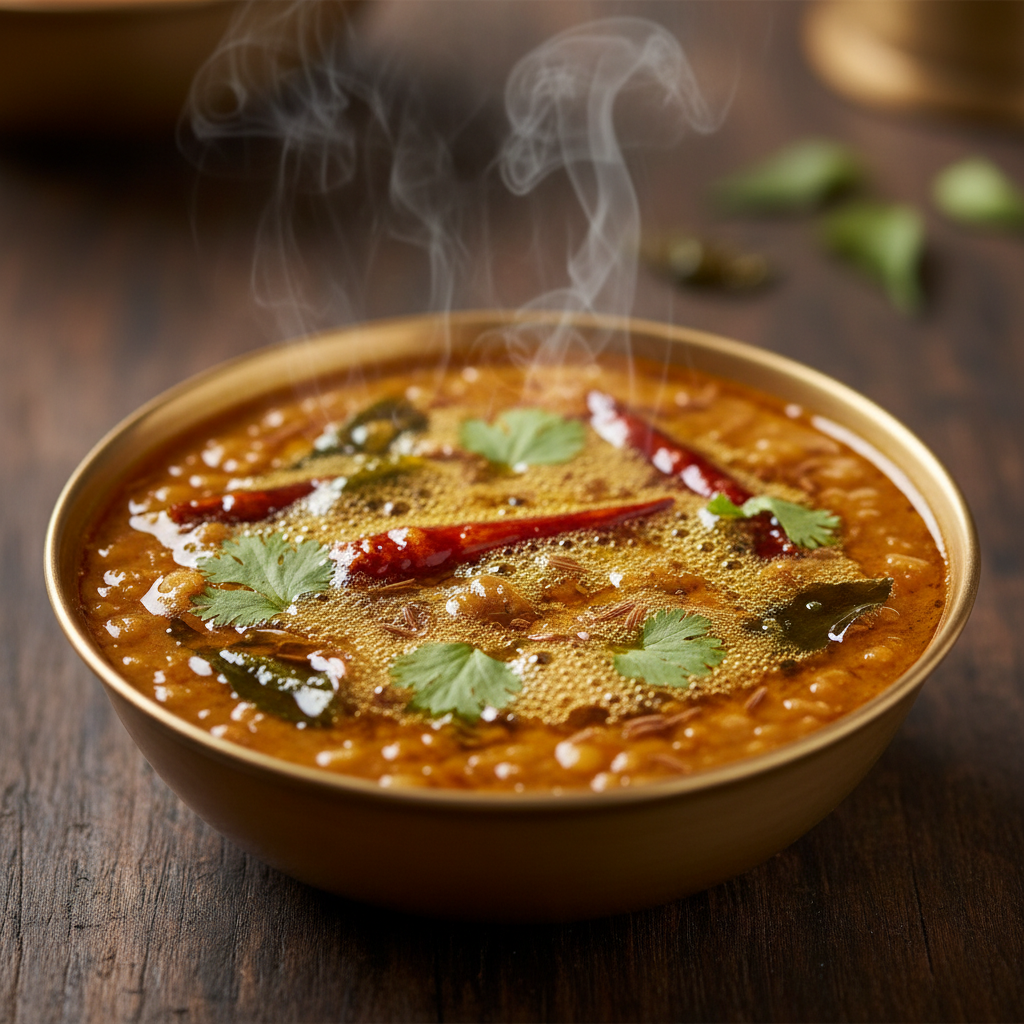
Different thali traditions shift the balance of legumes, vegetables, grains, and dairy. North Indian thalis lean on dal, chana, roti, and raita; South Indian plates emphasize sambar, rasam, rice, and curd; Jain thalis omit root vegetables. All can hit protein and fiber targets with smart portions.
Regional styles at a glance
- North Indian/Punjabi: Dal tadka or dal makhani, chana/rajma, seasonal subzi, roti and basmati rice, raita, salad, small mithai. Paneer appears often.
- South Indian: Sambar (lentil-vegetable stew), rasam (tangy broth), curd, rice, poriyal (stir-fried veg), papad. Protein primarily from lentils.
- Jain vegetarian: Avoids root vegetables; lentils/beans, leafy subzi, grains, and dairy provide balance.
| Thali Style | Protein Focus | Fiber Sources | Typical Grains | Notes |
|---|---|---|---|---|
| North Indian | Dal, chana, paneer | Lentils, chickpeas, mixed subzi | Roti + basmati rice | Raita cools spice; paneer boosts protein. |
| South Indian | Sambar, rasam (dal) | Vegetables in sambar/poriyal | Rice (often parboiled) | Curd improves digestion; lighter fats. |
| Jain | Dal, beans, dairy | Leafy veg, legumes | Roti, rice | No root veg; careful spice selection. |
Curious how tiffin services structure plates across styles? Browsing real menus—like these tiffin meal plans, Jain tiffin options, or a Canadian Indian fusion menu—shows how legumes and grains are portioned daily. Use them as inspiration, then tailor your plate at home or when ordering from us.
Within Punjabi traditions, breads and stuffed kulchas occasionally step in for rotis. Our Amritsari Kulcha with Chana guide explains how this classic combo balances starch with protein and heat with cooling sides.
Best Practices for Everyday Thali Success
Aim for two protein sources, one hearty vegetable, and one to two grain portions, with raita and salad as defaults. Season boldly, limit excess salt, and keep pickles small. This simple pattern consistently delivers 20–30 g protein and 12–18 g fiber for most vegetarian diners.
Dial in macronutrients
- Double up protein: Dal + chana, or dal + paneer. Together they usually land in the 20–30 g range most people find satisfying.
- Fiber first: A full cup of mixed subzi plus legumes commonly totals 12–18 g fiber, a level linked with steady energy.
- Smart grains: Choose 1 cup rice and/or 1–2 rotis based on hunger and activity. Many guests feel best with one of each.
Flavor without overload
- Temper wisely: Use ghee/oil to bloom spices but avoid drowning dishes; a visible sheen is enough.
- Balance heat: Counter chiles with yogurt and fresh herbs; lemon adds brightness without sodium.
- Pickles as accents: A small spoonful goes far—high flavor, high salt.
Menu moves at The Mithai Maharaja
- Order our rotating mains from the Thali collection and set a protein anchor with dal or chana.
- Use the Regular Thali as a base; add extra salad or raita for volume.
- Explore North Indian favorites in our blog on street-food culture for pairing ideas that keep balance in mind.
Sweet finish? Keep portions small but celebratory. Our premium mithai is handcrafted with pure desi ghee. This is where restraint meets royalty: a bite of barfi or a single gulab jamun can close the meal beautifully. See our premium mithai guide for thoughtful choices.
Tools and Resources
Use a simple plate method: half vegetables/salad, one-quarter protein (legumes/paneer), one-quarter grains, plus raita. Keep a quick checklist, track portions occasionally, and plan repeatable combos. Our thali menu and catering team make this easy for households and events.
- Plate method: Visually divide the thali so vegetables take the lead while protein and grains share the rest.
- Quick checklist: Protein base, second protein, veg, grain, raita, small sweet. If one box is unchecked, add a small side.
- Rotation list: Keep 3–4 favorite legume mains you can reorder without thinking—dal tadka, chana masala, rajma, or paneer.
- Event planning: For weddings or office lunches, ask our team to vary legume mains and subzis across courses to maintain interest and nutrition. Start with our Thali and Value Meals and build from there.
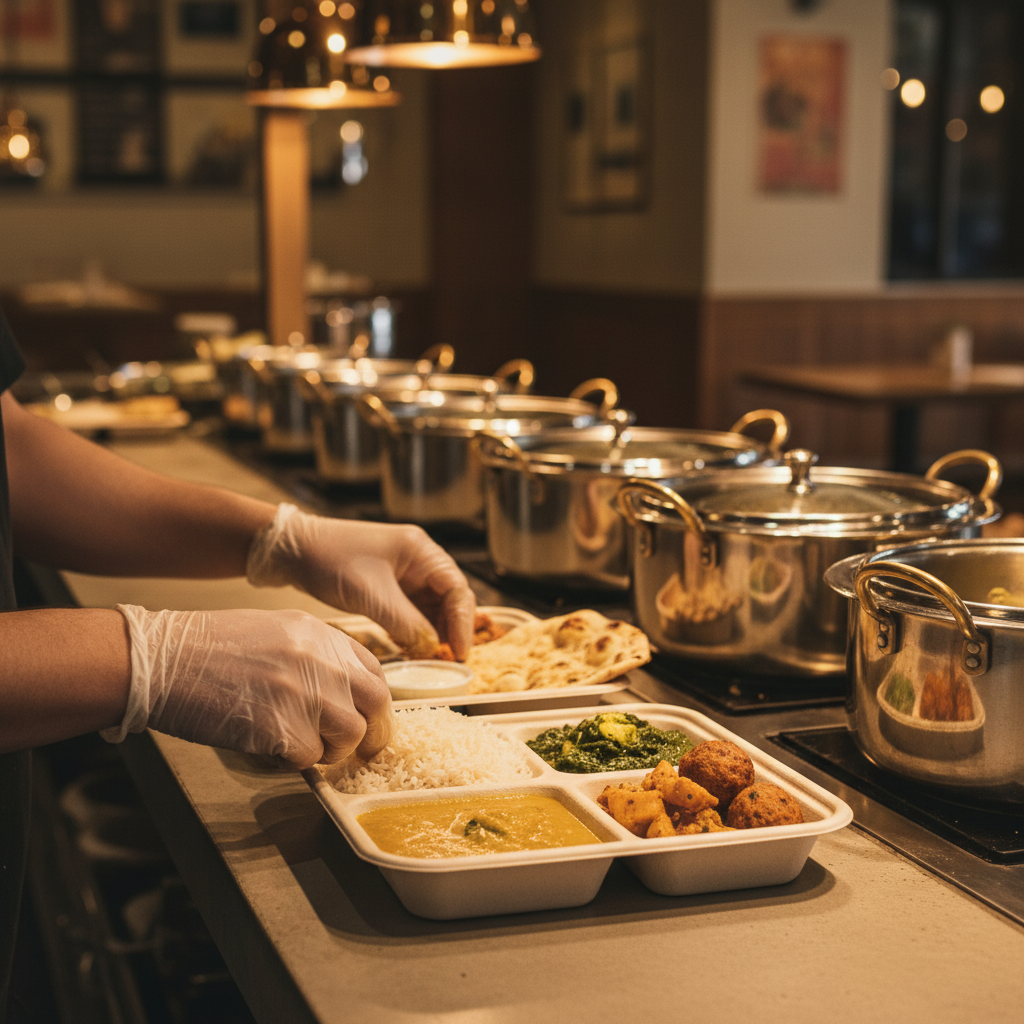
Soft CTA: Planning a family gathering in Brampton? Reach out via our site to align your thali lineup with dietary needs (Jain, less-spicy, extra-protein). Our fifth‑generation halwai team will guide you.
Examples and Mini Case Studies
Here are practical thali combinations you can copy today. Each uses real dishes we serve, hits the protein-and-fiber basics, and keeps flavors front and center. Mix and match based on appetite, spice tolerance, and whether you prefer roti, rice, or a little of both.
1) Weekday power plate (steady energy)
- Dal tadka (3/4 cup) + chana masala (1/2 cup)
- Mixed seasonal subzi (1 cup) + salad (1/2 cup)
- 1 roti + 1/2 cup basmati rice
- Raita (1/3 cup) + small piece of barfi
Expect roughly mid‑20s grams of protein and well over 12 g fiber. Many guests tell us this plate powers a full afternoon without a heavy slump.
2) Family dinner (comfort, not heaviness)
- Rajma (3/4 cup) + paneer curry (1/3 cup)
- Saag or aloo gobi (1 cup) + salad
- 2 rotis or 1 roti + 3/4 cup rice
- Raita (1/2 cup) + a single gulab jamun
Protein lands in the 20–30 g range with plenty of fiber and micronutrients. Spice heat can be dialed down for kids with extra yogurt and herbs.
3) Office lunch rotation (variety without effort)
- Day 1: Dal makhani + mixed subzi + roti + raita
- Day 2: Chana masala + salad + roti + small rice
- Day 3: Rajma + seasonal veg + roti + raita
Three different legume mains across the week give amino acid variety and keep flavors fresh. Order sets easily from our Thali collection.
4) Wedding-friendly spread (crowd pleaser)
- Dal makhani + paneer main + chana or rajma
- Two colorful subzis + salad + raita
- Roti basket + fragrant basmati
- Assorted premium mithai bites to finish
Guests get recognizable favorites with balanced nutrition. Our team stages legume mains and vegetables across courses so protein and fiber remain consistent from start to finish.
5) Light-and-bright day (post-festival reset)
- Dal sambar-style vegetable stew (or lighter dal) (1/2–3/4 cup)
- Poriyal-style veg or stir-fried seasonal mix (1 cup)
- 1 roti or 1/2 cup rice
- Plain yogurt + lemon wedge + herbs
This template feels refreshing yet complete. Citrus, herbs, and yogurt keep sodium in check while taste stays vibrant.
Local considerations for Brampton
- Weekend demand runs high around festivals and family events. To ensure variety across guests’ plates, confirm legume mains and subzis a day early when ordering thalis for pickup.
- Winter appetites trend toward warmer, richer dals; ask for an extra salad or raita to maintain balance without losing comfort.
- For office lunches across the GTA, mix roti and rice sides so teams with different activity levels can self-select portions that fit.
Frequently Asked Questions
These quick answers address the most common thali-nutrition questions we hear in our Brampton shop and catering calls. Each response is direct so you can act right away when building or ordering your next plate.
What is the ideal protein for a vegetarian thali?
Use two sources. A 1/2–3/4 cup dal plus 1/2 cup chana or a modest paneer curry usually lands between 20–30 g protein. This range keeps most diners full and supports steady energy without heaviness.
How many rotis or how much rice should I include?
One to two rotis or about 1 cup cooked rice works well for many people. Pair grains with legumes and vegetables, then adjust portions based on appetite, activity, and whether you prefer bread, rice, or a mix.
Can I enjoy a sweet and still keep my thali balanced?
Yes—keep the sweet small and let fiber and protein lead the plate. A bite of barfi or a single gulab jamun satisfies tradition without overwhelming nutrition, especially when paired with legumes, vegetables, and raita.
What’s a simple rule for sodium and spice in thalis?
Use bold spices freely but keep salt restrained. Lean on lemon, herbs, and yogurt for flavor. Pickles are powerful—use a small spoonful as an accent so taste stays bright without pushing sodium too high.
How do North and South Indian thalis differ nutritionally?
North Indian thalis often blend dal, chana, roti, and raita with paneer as a bonus protein. South Indian thalis center sambar, rasam, curd, and rice. Both can reach similar protein and fiber levels by adjusting legume and grain portions.
Conclusion and Next Steps
A balanced thali pairs two proteins with vegetables, smart grains, and raita, delivering dependable fullness and flavor. Use our simple pattern, copy the example plates, and lean on our menu to make healthy eating delicious—day after day.
Key takeaways
- Double up on legumes or add paneer to land in the 20–30 g protein zone.
- Fill at least half the thali with vegetables and salads for fiber and volume.
- Choose 1–2 grain portions based on appetite and activity.
- Finish with a small, celebratory sweet—flavor without excess.
- Plan variety across the week; repeat your favorites for consistency.
Next step: Build your plate with our Thali collection or start with the Regular Thali. For events in Brampton, message our team—we’ll tailor a lineup that fits your guests’ tastes and dietary needs.