Cashew burfi is a smooth, melt-in-your-mouth Indian sweet made by cooking finely ground cashews with a light sugar syrup to the one-string stage, then rolling and cutting into diamonds. It’s prized for its clean nut flavor, glossy finish, and gift-ready elegance, especially popular in Brampton during festivals, weddings, and milestone celebrations.
By The Mithai Maharaja • Last updated: June 30, 2026
Overview & Table of Contents
This complete guide explains what cashew burfi is, why it matters for Brampton celebrations, how the sugar stage works, step-by-step methods, pro tips for a soft, glossy finish, tools you’ll need, and real examples for gifting and catering. Use the quick navigation below to jump to what you need.
- What Is Cashew Burfi?
- Why Cashew Burfi Matters in Brampton
- How Cashew Burfi Works
- Types, Methods, and Variations
- Best Practices for Perfect Texture
- Tools & Resources
- Case Studies & Examples
- Frequently Asked Questions
- Conclusion & Key Takeaways
What Is Cashew Burfi?
Cashew burfi (also known as kaju katli) is a North Indian fudge made from finely ground cashews, sugar syrup cooked to one-string consistency, and ghee for sheen. The paste is rolled thin and cut into diamonds. The hallmark is a clean cashew aroma, soft bite, and a satiny, not sticky, finish.
At The Mithai Maharaja, we see cashew burfi as the crown jewel of our Barfi Treasures. It’s minimalism done right, pure cashews meet a precise syrup, yielding a confection that’s elegant enough for corporate tins and classic enough for family pooja trays.
Core ingredients and ratios
- Cashews (raw, unsalted): Finely ground to a flour. Target particle size: as fine as almond flour for a smooth finish.
- Sugar: Typically 60–75% of the cashew weight. Lower sugar (≈60–65%) gives a softer set; higher (≈70–75%) yields a firmer bite.
- Ghee: A teaspoon or two for gloss and easy rolling; desi ghee adds signature aroma.
- Water + optional flavor: Saffron, cardamom, or rose water for festive nuance.
Texture targets you can feel
- Soft, clean slice: Knife should glide with minimal drag; edges stay neat.
- Thin but not brittle: Typical thickness is about 1/4 inch (6–7 mm).
- Satiny surface: Light ghee sheen without greasiness.
Nutrition and balance
- Nutrient-dense: Cashews contribute plant fats and protein; portion size (1–2 diamonds) keeps sweetness balanced.
- Allergy note: Contains tree nuts; avoid cross-contact if serving mixed platters.
Because there are only a few ingredients, execution detail matters. The syrup stage, grind, and rolling pressure each influence the final bite.
Why Cashew Burfi Matters in Brampton
Cashew burfi elevates celebrations with its refined look, clean flavor, and gift-ready presentation. In Brampton, it anchors festive boxes, corporate hampers, and wedding trays. Its simple ingredient list travels well, stacks neatly, and pairs naturally with other North Indian sweets and chaats.
We’re a fifth‑generation halwai family, crafting mithai since 1938. In our experience, cashew burfi bridges tradition and modern gifting: it looks premium in minimalist boxes and pleases diverse palates at office events, engagement ceremonies, and housewarmings across Brampton.
- Gift-ready elegance: Diamonds line up neatly in trays, ideal for photos and presentation.
- Festival versatility: Pairs with gulab jamun, ladoo, and fusion bites in assorted boxes.
- Corporate friendly: Clean nut profile; holds shape for travel and meetings.
Curating an assortment? Our broader barfi insights in this barfi dessert guide and this Indian sweets overview show how to balance milk-based and nut-forward textures.
Local considerations for Brampton
- Plan pickups around weekend rushes to ensure your cashew burfi and fresh chaats arrive together for gatherings.
- For summer parties, store burfi in a cool spot and keep chaats chilled until service for best textures.
- For wedding trousseaux, coordinate flavors with your savory menu (e.g., Amritsari Kulcha or Chole Bhature) to round out the experience.
How Cashew Burfi Works
The science is simple: a light sugar syrup binds finely ground cashews into a cohesive paste. Cook to one-string consistency (~223–230°F), fold in cashew flour, work briefly to a dough, rest 10–15 minutes, then roll and cut. Temperature, grind size, and moisture control the final tenderness.
Technique drives texture. We aim for a syrup just shy of soft-ball (roughly 223–230°F), which typically forms a single thin thread when pinched and pulled between fingers. This range keeps the paste pliable yet settable. A few degrees matter: overshoot and you risk dryness; undershoot and pieces slump.
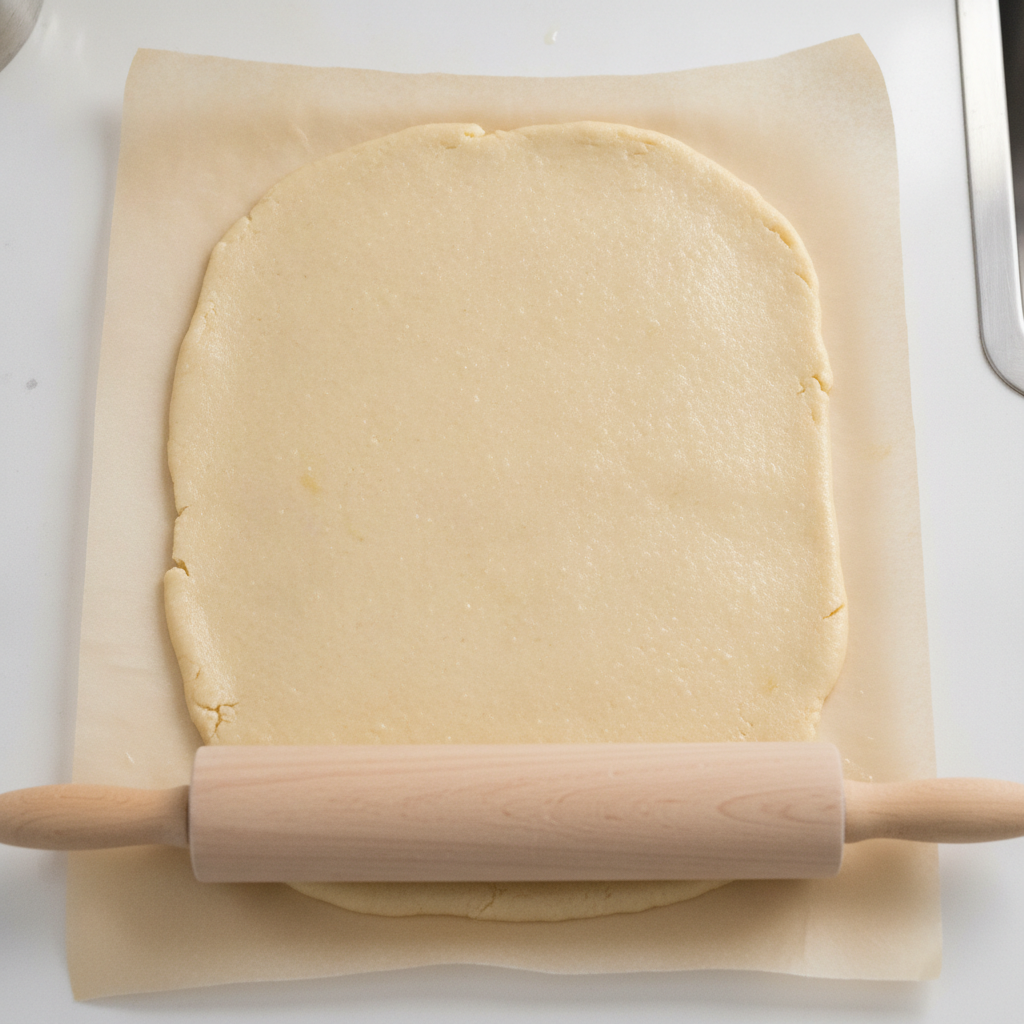
Step-by-step workflow (home kitchen)
- Grind cashews fine: Pulse to flour without turning into butter. Chill nuts 20–30 minutes first for a drier grind.
- Make syrup: Combine sugar and water; simmer to one-string (thin thread between thumb and forefinger) ≈ 223–230°F.
- Flavor (optional): Infuse saffron in warm water or add a whisper of cardamom.
- Stir in cashew flour: Mix off heat; return to low heat 1–2 minutes until it gathers.
- Test a pinch: Roll a small bit—if non-sticky and soft, you’re ready.
- Rest the dough: 10–15 minutes covered; residual heat evens moisture.
- Roll between parchment: Aim for 1/4 inch (6–7 mm). Lightly grease rolling surface with ghee.
- Set and cut: 20–30 minutes to cool, then cut diamonds with a sharp knife.
- Finish: Optional edible silver leaves; store airtight.
- Shelf life: Typically 5–7 days at cool room temperature; refrigerate for longer holding, returning to room temp before serving.
Know your sugar stages
| Stage | Approx. Temp | Visual/Touch Cue | Effect on Burfi |
|---|---|---|---|
| Thread (one-string) | 223–230°F | Thin, single thread between fingers | Soft, smooth set; classic kaju katli texture |
| Soft-ball | 235–240°F | Drops form a soft ball in cool water | Firmer, chewier; risks dryness if overcooked |
| Under-thread | < 223°F | No thread; syrup drips | Paste too loose; pieces may slump |
Small controls add up: keep the grind fine, stir gently to avoid oiling out, and stop cooking once the paste comes together. In our Brampton kitchen tests, a rest window of 12 minutes consistently yielded the best sliceability.
Types, Methods, and Variations
You can make cashew burfi in several ways: the classic syrup method, a quick condensed milk approach, a jaggery-sweetened version, and a dairy-free twist. Each method trades time for texture. Choose based on your flavor goals, dietary needs, and schedule.
Comparison at a glance
| Method | Time | Texture | Flavor Notes | When to Use |
|---|---|---|---|---|
| Classic syrup (one-string) | 35–45 min | Soft, satiny, clean slice | Pure cashew, subtle ghee | Festivals, gifting, purist profile |
| Condensed milk | 25–30 min | Softer, milkier bite | Milky sweetness, faster set | Weeknights, mixed dessert platters |
| Jaggery (gur) | 35–45 min | Slightly denser | Caramel, earthy notes | Rustic flavor lovers, winter menus |
| Dairy-free | 35–45 min | Clean, nut-forward | Coconut oil/ghee alternative | Vegan guests, dairy limits |
Classic syrup method (detailed)
- Ratio baseline: 1 cup fine cashew flour to 2/3 cup sugar.
- Hydration: Use just enough water to dissolve sugar (≈ 1/4 cup per 2/3 cup sugar).
- Heat control: Medium-low to reach thread stage without caramelizing.
- Finishing: Rest, roll between parchment, and cut once cool to the touch.
Condensed milk shortcut
- Swap: Replace syrup with condensed milk; cook gently until it pulls from the pan.
- Texture: Slightly softer; set on parchment and cool fully before slicing.
- Flavor: Milkier profile, loved by kids and in mixed dessert boxes.
Jaggery variation
- Dissolve and strain: Simmer jaggery with water, strain impurities, then proceed to thread stage.
- Note: Color deepens to honey-amber; pairs well with cardamom and nut slivers.
Dairy-free twist
- Fat choice: Use neutral-tasting coconut oil in place of ghee; keep amounts modest to avoid greasiness.
- Set: Slightly cooler room helps the set; aim for 68–72°F.
For more on balancing a barfi assortment, explore our Indian sweets guide and this nut-forward cashew barfi guide we update with seasonal flavor ideas.
Best Practices for Perfect Texture
Perfect cashew burfi comes from tight controls: fine cashew flour, one-string syrup, brief cooking after mixing, a 10–15 minute rest, and rolling between parchment to about 1/4 inch. Keep sugar at 60–75% of cashew weight, and stop cooking as soon as the paste gathers.
Ingredient quality
- Fresh cashews: Store airtight; even a 2–3% moisture swing can affect grind and set.
- Fine grind: Sift and re-grind coarse bits for a uniform, velvety bite.
- Flavor add-ins: Under-season, cardamom should whisper, not shout.
Heat and time windows
- Thread stage window: Typically appears 6–10 minutes after simmer begins; verify visually, not just by the clock.
- Post-mix cook: 60–120 seconds on low is plenty; overcooking squeezes out oil.
- Rest: 10–15 minutes to relax gluten-free nut fibers and even moisture.
Rolling and cutting
- Parchment-on-parchment: Prevents sticking and preserves sheen.
- Uniform thickness: Target 1/4 inch; thin spots dry faster and can crack.
- Sharp knife: Long, single strokes give clean diamonds without ragged edges.
Fix-it guide (common issues)
- Too soft/slumping: Syrup was under; rewarm paste briefly or chill 10 minutes, then roll.
- Dry/crumbly: Syrup overshot; knead in a teaspoon of warm water or a few drops of ghee.
- Oily surface: Overcooked paste; blot gently and avoid high heat next time.
Tools & Resources
You can make great cashew burfi with a saucepan, thermometer, spatula, rolling pin, and parchment. A fine-mesh sieve and scale improve consistency. For inspiration on assortments and pairings, explore our internal guides and visual references linked here.
- Heavy saucepan: Even heat prevents scorching.
- Thermometer: Confirms thread stage around 223–230°F.
- Silicone spatula: Gentle folding avoids oiling out.
- Scale + sieve: Accurate ratios and fine texture.
- Rolling pin + parchment: Clean, glossy finish.
Designing a festive platter? Our guides on coconut barfi and besan barfi show complementary flavors and textures that sit beautifully beside cashew burfi.
Case Studies & Examples
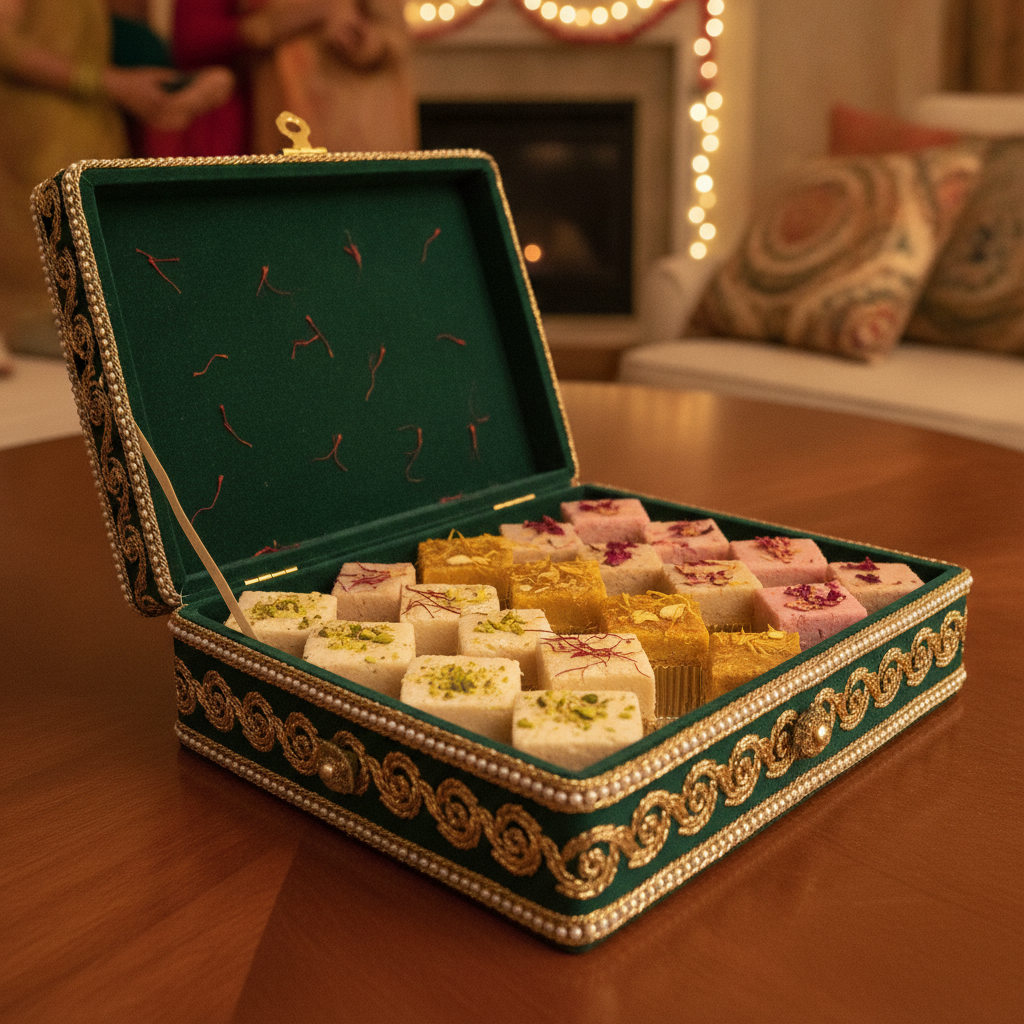
Cashew burfi shines in real settings: corporate Diwali gifting, wedding trays, and milestone birthdays. Pair it with classic North Indian snacks and fusion sweets to please diverse guests. Below are three Brampton-inspired scenarios drawn from our day-to-day work with local families and teams.
1) Corporate Diwali hamper (Brampton HQ team of 30)
- Goal: A premium but familiar assortment that travels well and photographs cleanly.
- Build: Cashew burfi diamonds, saffron peda, and a small fusion dessert such as these gulab jamun dessert cups.
- Why it works: Shapes stack neatly; textures vary from nutty to syrupy, appealing to first-timers and purists.
2) Wedding “welcome box” (hotel drop-off)
- Goal: Sweet-first impression with a modern look.
- Build: Cashew burfi, rose-cashew bites, and a signature cakelet like this gulab jamun cake for the couple’s suite.
- Why it works: Heritage meets contemporary plating; nut-forward pieces resist smudging.
3) Kids’ birthday platter (community hall)
- Goal: Colorful, bite-sized treats that hold during games and photos.
- Build: Cashew burfi, coconut squares, and crisp nibbles from an Indian biscuits selection.
- Why it works: Balanced sweetness and crunch; easy to pass and refill.
Hosting a broader menu? Pair your dessert trays with savory classics from our kitchen—think samosas, paneer pakora, or even a mini chaat counter. Our deeper primer on curating assortments is here: how to choose Indian sweets.
Frequently Asked Questions
These quick answers cover the most common cashew burfi questions: ingredients, sugar syrup timing, storage, and how to scale for events. Each tip is drawn from our daily production experience serving families and teams in Brampton.
What’s the ideal sugar-to-cashew ratio?
We like 60–75% sugar by weight compared with cashews. Closer to 60–65% gives a softer, very tender set; 70–75% yields a slightly firmer bite that travels well in gift boxes.
How do I know my syrup is at one-string?
Cool a drop slightly, then pinch between thumb and forefinger and pull apart. A single thin thread forms without breaking. A thermometer reading around 223–230°F typically aligns with this stage.
How long does cashew burfi keep?
In an airtight container at a cool room temperature, 5–7 days is common. For longer storage, refrigerate and return pieces to room temperature before serving for the best texture.
Can I make a dairy-free version?
Yes. Swap ghee with a neutral coconut oil and keep the quantity modest. Maintain the same one-string syrup and rest window; roll between parchment to preserve sheen.
Conclusion & Key Takeaways
Cashew burfi rewards precision. Keep the grind fine, hit one-string syrup, rest briefly, then roll and cut cleanly. Use it as the hero of your gift boxes or pair with chaats and snacks for Brampton gatherings. When details align, the diamonds shine—every time.
Key takeaways
- Thread stage (≈223–230°F) is the make-or-break moment.
- Use 60–75% sugar by weight for balanced sweetness and set.
- Rest 10–15 minutes before rolling for cleaner edges and cuts.
- Target 1/4 inch thickness for the classic bite and look.
- Assort with milk-based sweets and crunchy nibbles for crowd-pleasing variety.
Planning a celebration in Brampton? We craft premium mithai boxes, cater savory classics, and help design photo-ready assortments. Explore our barfi tips in this barfi guide or browse a broader Indian sweets overview. Then visit The Mithai Maharaja to get started.