Wedding catering is the professional planning, cooking, and service of food and beverages for your celebration. It covers menu design, production, staffing, rentals, and safe service from cocktail hour to dessert. In Brampton, couples often blend North Indian flavors, live chaats, and premium mithai so every guest leaves delighted.
By The Mithai Maharaja • Last updated: 2026-07-01
Quick summary and table of contents
Plan wedding catering your guests will love by nailing three pillars: a balanced menu, smooth service flow, and clear dietary labeling. Lock the guest count and service style early, run a focused tasting, and stage an unforgettable mithai finale that doubles as decor and favors.
This complete guide combines our fifth-generation halwai craft with modern wedding operations. You’ll find practical steps, ready-to-use checklists, and Brampton-specific tips, plus ideas for mithai tables and live chaat stations that photograph beautifully and move quickly.
- What wedding catering covers and why it matters
- How catering works from discovery to day-of execution
- Service styles: buffet catering, plated, family-style, live stations
- Building an Indian wedding menu that balances comfort and excitement
- Dietary planning, staffing ratios, timelines, and food safety
- Tastings, packaging, and elegant mithai gifts
For deeper dives on service formats, see our take on buffet catering in Brampton. If you’re coordinating multiple events in the same week, our corporate catering guide explains high-efficiency timelines that also work for sangeet nights.
What is wedding catering?
Wedding catering designs, prepares, transports, and serves your chosen menu while managing timing, rentals, and staff. It turns your vision into a guest experience, from tray-passed starters to live stations and a premium dessert finish, so you enjoy the day without logistical stress.
In simple terms, wedding catering turns taste into theater. Beyond cooking, it includes planning meetings, tastings, production schedules, delivery windows, setup diagrams, service staff, and close-down checklists. The best teams align food, flow, and announcements so guests feel cared for from first bite to last.
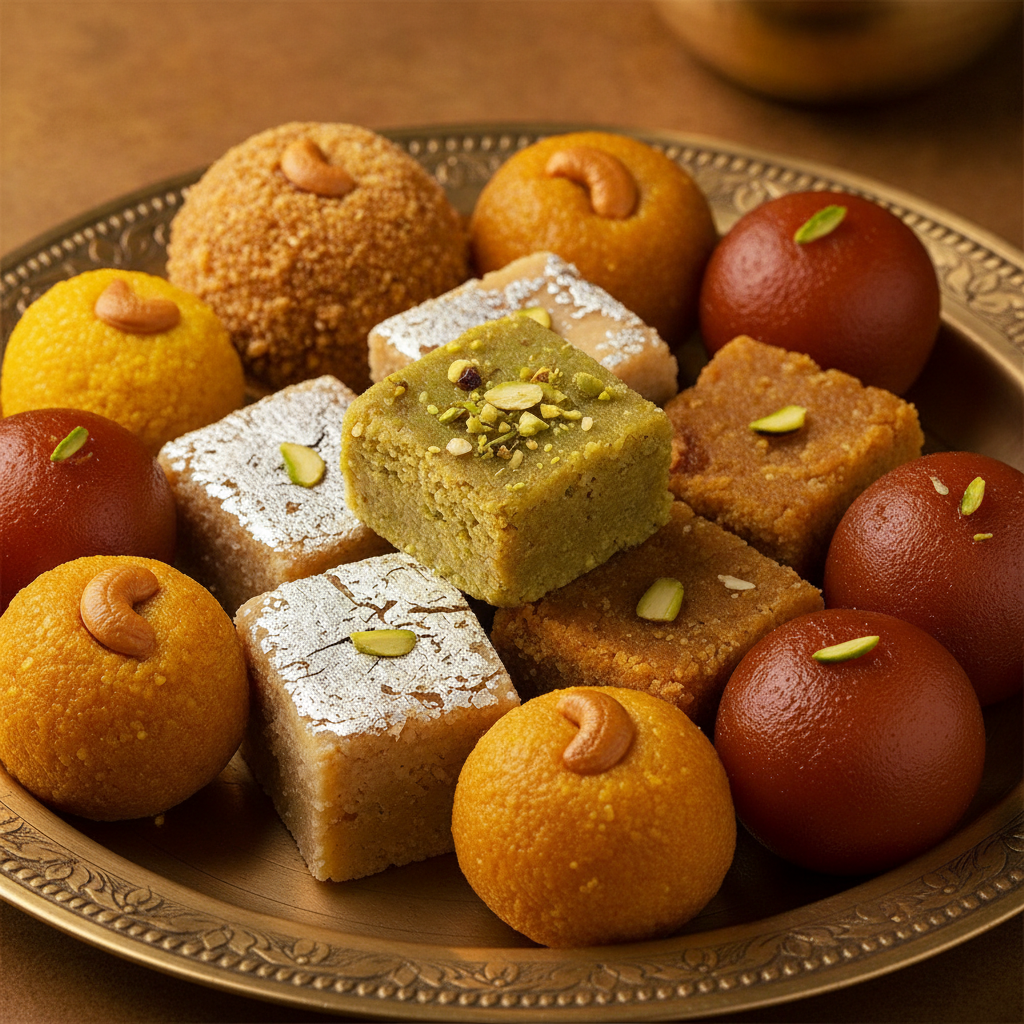
For many Brampton couples, that experience is vegetarian-forward with bold North Indian flavors: Special Handmade Samosa during arrivals, a crowd-pleasing combo like Chole Bhature or Amritsari Kulcha with Chana for mains, and a signature mithai table, barfi treasures, laddoo, kalakand, and warm gulab jamun, to close the night on a royal note.
Want a structured planning walkthrough? Explore our companion piece on wedding catering menu planning for timelines and sample flows that pair well with live chaat.
Why wedding catering matters
Food and service set the tone for the celebration. Timely courses, inclusive choices, and clear labels keep energy high. Well-designed layouts cut lines by 25–40%, and a polished mithai display transforms dessert into a centerpiece guests photograph and share.
Great catering is guest-centered operations. Guests arrive with varying appetites and dietary needs; lines form quickly; speeches shift. When the menu is thoughtful and the run of show is tight, people mingle, eat, and celebrate without frustration. That creates the memory halo you want, “the food was incredible” and “service felt seamless.”
We see measurable differences when service opens within 45–60 minutes after the ceremony, when servers maintain a 1:10–12 ratio, and when signage lists vegetarian, vegan, Jain, and nut-free options. A mithai finale, two to three pieces per guest, satisfies sweet cravings while limiting waste.
How wedding catering works (step-by-step)
Move in stages: discovery, tasting, confirmation, timeline, site walk-through, and day-of execution. Confirm guest count, diet needs, and service style, then finalize dishes at a focused tasting. Lock staffing and rentals, sketch stations, and appoint a captain to keep the timeline on track.
- Discovery: Clarify your vision, guest mix, and dietary requirements. Share must-haves (e.g., Chole Bhature, Dahi Bhalla) and non-negotiables (e.g., 100% vegetarian).
- Tasting: Compare two to three appetizers, two mains, breads, and three to four mithai. Note spice levels, crunch, sauce balance, and plating photos for sign-off.
- Proposal & confirmation: Select service style, rentals (chafers, induction, sneeze guards), and staffing ratios. Approve a run of show.
- Site walk-through: Confirm load-in, power circuits for live chaat, staging areas, and guest flow paths for mirrored buffet lines.
- Event day: Chefs batch-fry and refresh in 8–10 minute waves; captains pace releases; servers manage lines and answer dietary questions using an allergy matrix.
Numbers help you decide quickly: plan 3–5 bite-size appetizers per person per cocktail hour; open two buffet lines per 100 guests; and schedule dessert 10–15 minutes after mains close to avoid crowding.
Catering styles: buffet, plated, family-style, and live stations
Pick a service style that fits your timeline and guest mix. Buffet catering maximizes choice and speed, plated service feels formal, family-style invites sharing, and live stations (like chaat) add theater. Many Brampton weddings blend buffet mains with live chaat and a premium mithai table.
Each style changes pace, staffing, and presentation. Blended formats work well: a lively chaat hour to spark conversation, a buffet for hearty mains and breads, then a staged mithai display to close with color and abundance. Mirrored lines, clear signage, and visible captains reduce wait time and confusion.
| Style | Best for | Pros | Watchouts |
|---|---|---|---|
| Buffet | Large, mixed-age groups | Fast, high variety, easy dietary labeling | Line flow; needs mirrored lines and clear cards |
| Plated | Formal dinners and speeches | Elegant pacing, predictable portions | Less choice; higher staffing per table |
| Family-style | Communal vibe at shared tables | Feels abundant; encourages conversation | Table space; coordinated refills |
| Live stations | Interactive, high-energy moments | Customization; made-to-order freshness | Power needs; queue management |
Exploring format inspiration? Browse these ideas for variety and pacing in a reception context at South Asian wedding catering ideas. Then adapt them to your venue layout and guest mix.
Building an Indian wedding menu that works
Balance bold flavors with familiar staples. Open with three to four vegetarian starters, follow with two hearty mains and breads, add cooling raita and fresh salad, then finish with premium mithai. A live chaat hour plus a mithai table creates two high-energy highlights.
Anchor your menu with comfort and contrast. Crisp, fried starters need chutney brightness; hearty mains need cooling sides; sweets should vary in texture and richness. Across receptions we support, a 60/40 savory-to-sweet ratio satisfies most guests and keeps lines moving.
Starters that spark conversation
- Special Handmade Samosa with tamarind and mint chutneys
- Paneer Pakora and Bread Pakora for layered crunch
- Raj Kachori or Dahi Bhalla for creamy-cool contrast
Hearty mains guests know and love
- Delhi Wale Chole Bhature for nostalgia and satisfaction
- Amritsari Kulcha with Chana as a crowd-pleasing combo
- Thali-style set with seasonal sabzi, rice, raita, and salad
The dessert moment
- Premium mithai: barfi treasures, kalakand, and laddoo
- Warm gulab jamun with pistachio garnish
- Fusion sweets for a modern twist
Make it photo-ready. Arrange barfi by color gradient, set laddoo pyramids for height, and add edible flower petals. If you love thalis, see our Indian thali meal guide for classic pairings that translate well to weddings.
Dietary and allergy planning
Collect dietary needs with RSVPs, label every dish, and prepare a printed allergy matrix. Provide at least one vegan entree, two Jain-friendly sides, and nut-free mithai. Maintain separate utensils and a parallel service lane during peak times to avoid cross-contact.
Clarity builds trust and keeps service moving. Simple card labels such as vegetarian, vegan, Jain, gluten-conscious, and contains nuts help guests choose in seconds. Keep a backup tray for each restricted diet so late arrivals don’t miss out. During cocktail hour, assigning one server to special dietary requests helps prevent repeated trips to the stations.
If your guest list skews heavily vegetarian (common in Brampton), plan two hearty mains plus a protein-forward appetizer like Paneer Pakora. For snack-forward receptions, our vegetarian snacks party planning tips show how to layer textures so every bite stays interesting.
Timeline, staffing, and flow
Anchor service with a clear run of show. Aim for 45–60 minutes of cocktail hour, 60–75 minutes to open and clear buffet lines, and 20–30 minutes for dessert. Staff around 1 server per 10–12 guests, with a captain and station chefs for live elements like chaat.
- Open two mirrored buffet lines per 100 guests to minimize queues.
- Stagger mithai service 10–15 minutes after mains to spread traffic.
- Brief the emcee so speeches and food releases stay in sync.
Place water, chai, and napkins where lines form; it reassures guests and keeps them comfortable. When speeches start, hold back tray passes for 5–7 minutes, then resume in waves. Fine-tune by observing crowd density in the first 10 minutes and adjusting server positions.
Food safety and operations
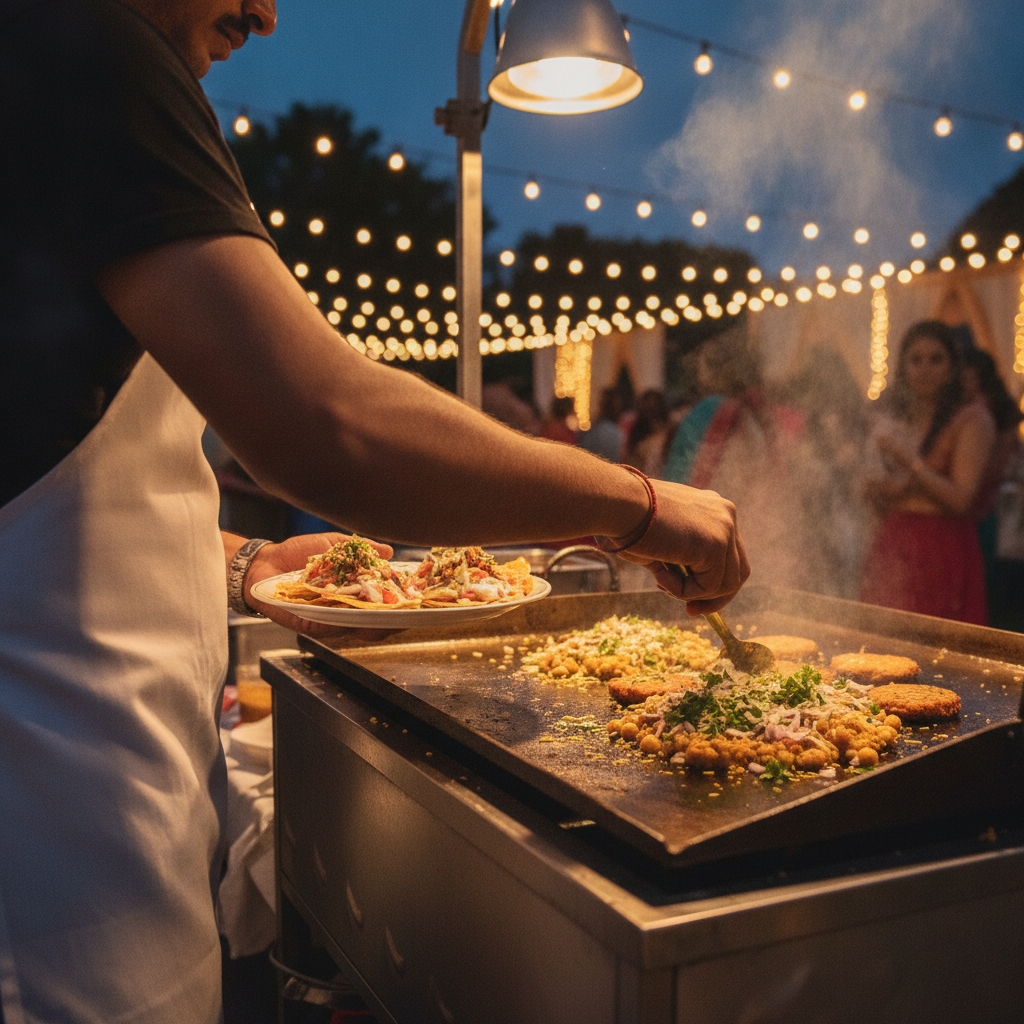
Keep hot foods hot and cold foods cold, track holding times, and assign a temperature lead. Use insulated carriers for breads, rotate small-batch refills every 8–10 minutes, and protect self-serve stations with sneeze guards and clean tongs at all times.
Food safety is non-negotiable at scale. Hot items should remain above 140°F and cold items at or below 40°F; temperature checks at delivery, setup, mid-service, and close keep you compliant and guests comfortable. Handwash stations and glove changes between fry, assemble, and serve tasks reduce cross-contact.
In our experience, mithai texture holds best when plated in smaller waves and refreshed every 12–15 minutes. Bhature stay pillowy when transported in insulated carriers and rotated quickly. Keep a spare serving spoon at each station to swap immediately if one drops.
Tastings, approvals, and packaging
Use a focused tasting to lock flavors and presentation. Approve plating photos, spice levels, and garnish. For favors, choose gift-ready mithai boxes so each table receives a consistent, elegant treat that requires no extra setup on the day.
Bring two to four decision-makers and capture notes on heat, sweetness, crunch, and sauce balance. Photograph final plating and label it, this prevents last-minute second-guessing. For packaging, ribbon colors that match your palette let favors double as decor, and two to three pieces per person keeps portions satisfying without creating excess.
Need menu inspiration frameworks? Reviewing sample reception flows or example menus can help you visualize quantity and variety; here’s a useful reference with sample catering menu items you can adapt to your guest mix.
Value without compromise
Maximize perceived value by choosing versatile dishes, blending service styles, and optimizing quantities. A single, well-run chaat bar can replace multiple appetizers, thali-style mains simplify portions, and a curated mithai table reduces dessert waste while still feeling abundant.
Value isn’t only about quantity, it’s about engagement per minute. Live chaat drives high guest interaction and spreads traffic. Thali-style service ensures every plate holds balanced components, so guests don’t over-collect at the buffet. A thoughtful mithai curation, two nut-free options and one dairy-light selection, meets dietary needs without diluting impact.
For multi-event weeks, reuse station designs and signage between sangeet and reception. Our corporate catering playbook shows how mirrored lines, parallel topping lanes, and a clear captain post can scale to back-to-back functions.
Case studies and real examples
Successful Brampton receptions pair familiar comfort foods with modern presentation: a live chaat hour, a buffet of two mains plus breads, and a premium mithai table. Clear labels, an allergy matrix, and a visible captain keep the timeline steady and lines short.
Intimate afternoon reception (120 guests)
- Appetizers: Special Handmade Samosa, Paneer Pakora, and Raj Kachori
- Live: Papdi Chaat with two fast topping lines (parallel service)
- Mains: Chole Bhature and Amritsari Kulcha with Chana
- Dessert: Barfi treasures and warm gulab jamun (two pieces per guest)
Evening celebration (250 guests)
- Stations: Aloo Tikki Chaat and Dahi Bhalla
- Buffet: Thali-style set with rice, seasonal sabzi, raita, and salad
- Favors: Gift-ready mithai boxes per table, color-matched ribbons
- Flow: Two mirrored buffet lines plus a dedicated dessert island
Local considerations for Brampton
- Seasonality: Summer outdoor receptions need shaded stations and reinforced cold-holding; winter load-ins need extra time for safe transport and staging.
- Guest mix: Many local families prefer vegetarian-first menus; plan robust mains like Chole Bhature with a cooling raita for balance.
- Logistics: Venues vary in power availability; confirm circuits and breaker loads for live stations during the site walk-through.
Tools and resources
Stay organized with four simple tools: a guest-and-dietary tracker, a run-of-show timeline, an allergy matrix, and a station layout sketch. Share them with your planner and emcee so announcements, service waves, and speeches align without last-minute scrambles.
- Guest & dietary tracker linked to RSVPs (label vegetarian, vegan, Jain, nut-free)
- Run-of-show with timestamps and responsible leads (captain, station chef)
- Allergy matrix mirrored to buffet cards and station signage
- Station map showing power, queue lines, handwash, and captain post
For general planning frameworks, many wedding coordinators publish helpful checklists you can adapt; one example is this wedding planners’ checklist for sequence and handoffs.
Best practices from five generations of halwai craft
Keep flavors authentic, batches fresh, and service visible. Fry in waves, refresh breads every 8–10 minutes, and stage mithai like jewelry. Clear signage, parallel lines, and a present captain prevent bottlenecks so your timeline holds from first toast to last bite.
- Stage samosas vertically for airflow and crispness; avoid stacking while hot.
- Hold bhature in insulated carriers; rotate often to keep texture pillowy.
- Arrange barfi by color gradient; add laddoo pyramids for height and photos.
- Print large, legible buffet cards with dietary icons to speed decisions.
- Post a visible contact (captain) at the buffet edge to triage questions fast.
For further ideas on pacing, see reception-format discussions like these South Asian catering ideas and tailor them to your venue size and power layout.
Wedding catering FAQ
Couples ask most about timelines, portions, and dietary accommodations. Plan 3–5 appetizers per guest per cocktail hour, label clearly, and assign a captain. Blend buffet catering with live stations for speed and excitement, then close with a premium mithai table.
How far in advance should we book wedding catering?
Secure your caterer 6–9 months ahead for peak seasons. This window covers tastings, a venue walk-through, and a finalized run of show. For weekday or off-peak dates, a focused 3–4 month cadence can work.
What’s the best service style for large guest lists?
Buffet catering with mirrored lines moves guests quickly and offers choice. Add one or two live stations to spread crowds and keep energy high. Reserve plated service for the head table if you want a formal moment.
How do we handle multiple dietary restrictions?
Collect restrictions on RSVPs, label dishes clearly, and keep separate utensils for each diet line. Provide at least one vegan entree, two Jain-friendly sides, and nut-free sweets. A printed allergy matrix helps staff answer questions fast.
How many appetizers should we plan per person?
Plan 3–5 bite-size pieces per guest per hour of cocktail time. For heavy grazing receptions, raise to 6–8 and add one live station to keep lines short. Balance fried, baked, and fresh items so textures stay interesting.
What’s a good savory-to-sweet ratio for the reception?
A 60/40 savory-to-sweet ratio works well for most guest mixes. Offer two hearty vegetarian mains, one cooling side, and two to three mithai per person. Keep one nut-free and one dairy-light sweet in the mix.
Related articles and next reads
Prefer buffet-first receptions? Our detailed buffet catering guide breaks down mirrored lines and portioning. Curious about mithai traditions? Start with our Punjabi sweets guide for iconic flavors and gifting etiquette used at Brampton weddings.
Conclusion and next steps
Great wedding catering feels effortless because it’s meticulously planned. Blend interactive stations with hearty mains, label clearly, and keep service moving. If you’re celebrating in Brampton, bring your flavors and vision—we’ll turn them into a menu your guests remember.
- Key takeaways: blend styles, plan portions, label diets, assign a captain, and refresh in small waves.
- Action steps: confirm your guest count, schedule a tasting, choose service style, and sketch your station map.
- Soft CTA: Ready to taste? Let’s plan your chaat hour and mithai table together.
Looking for a calm path forward? Book a discovery chat and we’ll propose a tailored menu featuring live chaat, vegetarian mains, and a museum-worthy mithai display—crafted in heritage, served with royalty.