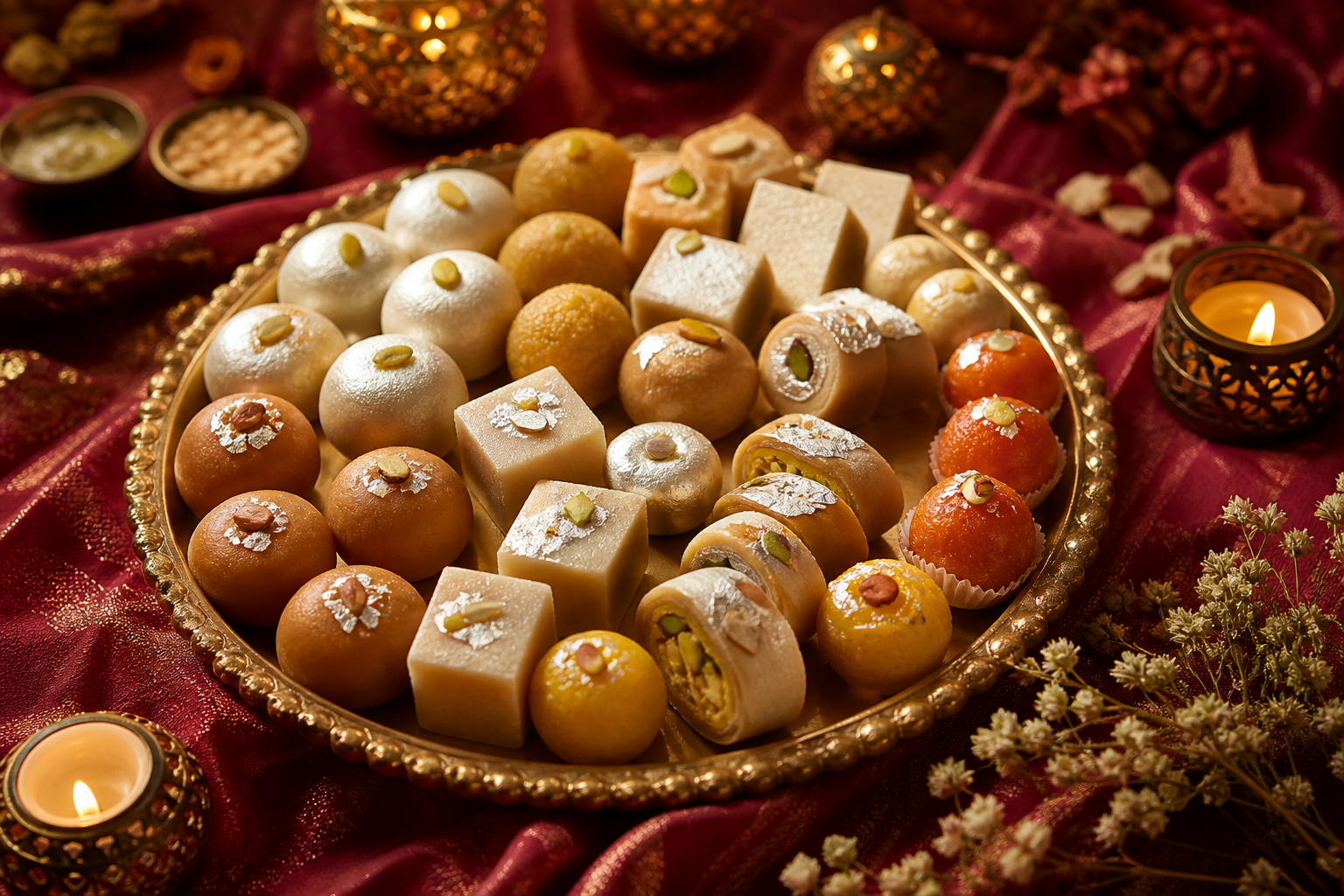
Diwali sweetmeats: tradition, varieties, and a smart gifting checklist
Every autumn, homes light up with diyas, rangoli, and the unmistakable aroma of fresh mithai. Diwali sweetmeats are more than festive treats—they symbolize joy, prosperity, and the sharing of good wishes with family, friends, and colleagues. Whether you prefer time-honored classics or contemporary twists, a little know-how helps you curate memorable boxes, serve them at their best, and keep flavors bright through the entire festival week.
What are Diwali sweetmeats?
In the South Asian tradition, “sweetmeats” (popularly called mithai) cover a broad family of confections prepared for festivals and celebrations. For Diwali, these often include milk-based bites, ghee-rich laddus, syrup-soaked delights, nut-forward barfis, and crumbly halwas. Each style carries its own textures—fudgy, syrupy, crumbly, or chewy—and signature aromas like cardamom, saffron, rose, and roasted nuts.
While recipes vary across regions and households, a balanced Diwali spread typically features:
- A milk-forward sweet (for creaminess and gentle sweetness)
- A ghee-roasted or nut-based sweet (for warmth and richness)
- A syruped sweet (for shine, juiciness, and festive decadence)
- A specialty or fusion item (for novelty and visual flair)
Classic varieties to know
Diwali trays shine when you mix traditions. Below are beloved families of mithai you can combine for variety in flavor, color, and texture.
Milk-based favorites
Milk-forward sweets deliver luxe, creamy textures and a mellow sweetness that pairs well with tea and coffee. Popular examples include barfi, kalakand, and other milk-based delicacies often perfumed with cardamom or saffron and garnished with nuts. Their dense, sliceable format makes them easy to box and gift.
Ladoo and gulab jamun
Ladoo offers ghee-kissed round morsels that range from grainy and nutty to soft and melt-in-the-mouth, depending on the base. Gulab jamun adds syrupy indulgence with tender, soak-through texture and rose-cardamom notes—an ideal counterpoint to drier or crumbly items in a mixed box.
Halwa and pinni
Halwa spans a spectrum from spoonable to sliceable, often showcasing roasted grains, nuts, or vegetables with fragrant ghee. Pinni, associated with Punjabi winter warmth, brings a wholesome, nutty richness—compact and satisfying in bite-sized pieces for gifting platters.
Fusion sweets
Modern palates love a playful twist—think classic mithai textures with contemporary shapes, layered flavors, or inventive garnishes. Fusion sweets can lift a gift box’s visual appeal while keeping the comfort of familiar ingredients like milk solids, nuts, and cardamom.
How to choose quality mithai
Diwali sweetmeats taste best when freshly prepared with attention to texture, aroma, and finish. Use this checklist to select well-crafted pieces—whether you’re shopping for a family pooja, a neighborhood open house, or corporate gifting.
- Texture tells a story: Barfi should slice cleanly without crumbling into sand; ladoo should hold shape yet yield softly; gulab jamun should be evenly soaked, tender, and not rubbery.
- Aroma matters: You’re looking for warm notes of cardamom, saffron, roasted nuts, or ghee—not harsh or artificial scents.
- Balanced sweetness: Festive, yes—but not cloying. In a mixed assortment, aim for a range from lightly sweet to syrup-rich.
- Appearance and finish: Even shapes, smooth edges, and thoughtful garnishes (like nuts or edible silver leaf) signal care.
- Ingredient transparency: When possible, understand the base—milk solids, nuts, gram flour, ghee, and natural flavorings are typical in traditional mithai.
- Assortment planning: Choose complementary textures and colors so each bite offers contrast and delight.
Building balanced gift boxes
Great Diwali gift boxes are attractive, travel well, and serve a range of tastes. Consider these frameworks when you’re assembling or ordering boxes for families, friends, or colleagues.
By texture
- Creamy-fudgy: Milk-based barfi or kalakand
- Crumbly-grainy: Besan- or atta-forward ladoo and pinni
- Syrupy-soft: Gulab jamun or related syrup-soaked sweets
- Crunch or chew: Nut brittles or modern fusion bites for contrast
By flavor profile
- Classic comfort: Cardamom-forward barfi plus ghee-rich ladoo
- Festive floral: Saffron and rose in syruped sweets
- Nut lover’s set: Pistachio and almond highlights across 2–3 items
- Discovery box: A rotation of regional or fusion favorites
By audience size
- Intimate gifting (2–4 people): 4–6 pieces across 2–3 varieties
- Family box (5–8 people): 12–18 pieces across 4–6 varieties
- Office share: Larger trays with multiples of each variety for easy passing
Pack sturdier items at the base, separate syruped sweets with liners or cups, and place delicate garnishes on top just before sealing the box. Label each row so recipients can spot favorites at a glance.
Serving and storage tips
Presentation elevates the experience, but so does freshness. These practical tips keep your Diwali sweetmeats looking and tasting their best throughout the celebration period.
- Room-temperature readiness: Most milk- and nut-based pieces show their true texture and aroma at room temperature. If refrigerated, allow time to come up to temperature before serving.
- Separate syruped sweets: Store gulab jamun and other syruped items in their own container to preserve texture and prevent seepage into dry sweets.
- Airflow and dryness: Use parchment or paper liners to absorb extra moisture, especially in mixed boxes.
- Gentle reheating for syruped items: If serving warm, reheat briefly and gently so the syrup shines without making the texture rubbery.
- Staggered opening: For multi-day festivities, open and serve one portion at a time to retain freshness in the rest of the box.
Pairings that elevate
Thoughtful pairings bring out subtle flavors and turn a sweet tray into a complete hospitality moment.
- Tea companions: Cardamom chai with milk-based sweets; masala chai with ghee-rich ladoo
- Coffee moments: Light roasts flatter saffron-forward pieces; darker roasts balance syruped sweets
- Savory interludes: A small bite of chaat or a savory snack between sweets resets the palate and heightens contrast
- Fresh elements: A few slices of seasonal fruit offer color and palate cleansing between richer bites
Dietary and allergen considerations
Diwali gatherings often span multiple households, workplaces, and communities. A little planning ensures everyone can enjoy the sweets safely and comfortably.
- Common ingredients to flag: Milk solids, ghee, nuts (almond, pistachio, cashew), gluten-containing flours, and aromatic spices.
- Labeling: Simple labels on gift boxes help recipients navigate allergens and preferences.
- Texture alternatives: Include both dense/fudgy and lighter/crumbly options; some guests prefer gentle sweetness or smaller portions.
Festive display ideas
Presentation turns a good selection into a showstopper. Use symmetry, color, and height to make your platter the centerpiece of your Diwali table.
- Color gradients: Arrange from pale milk sweets to deeper nut and syrup tones.
- Shape play: Alternate squares, spheres, and diamonds to create a rhythmic pattern.
- Garnish accents: Finish with a sprinkle of pistachio slivers or edible petals for texture and contrast.
- Layering: Use small stands or nesting trays for elevation without crowding.
- Lighting: Place diyas or soft candles around (not over) the platter to keep heat away from delicate items.
Planning for gifting and events
Festival calendars fill up quickly. If you’re arranging Diwali sweetmeats for family exchanges, society events, or office hampers, plan your timeline so every recipient enjoys peak freshness.
- Shortlist your varieties: Mix a creamy base, a ghee-rich bite, a syruped piece, and one visual standout.
- Confirm box sizes: Match the number of pieces to the household or team size.
- Coordinate delivery or pick-up: Schedule close to the day of gifting to maximize freshness.
- Add a message: A brief Diwali wish card personalizes the box and signals thoughtfulness.
FAQ: Diwali sweetmeats
How many varieties should I include in one Diwali box?
Four to six varieties work well for most small-to-medium boxes. Aim for a balance of textures (creamy, crumbly, syruped) and flavors (cardamom, saffron, nutty). Larger office or community trays can scale each variety so everyone gets a fair taste.
What’s the best way to keep syruped sweets from affecting other pieces?
Use individual cups or liners and package syruped items in a separate compartment or container. If you must include them in the same box, create a moisture barrier with parchment and position them at a corner away from dry sweets.
How far in advance can I organize Diwali gifting?
You can finalize assortments and packaging plans weeks ahead, but schedule preparation and pickup or delivery as close to gifting day as practical. This ensures textures stay true—fudgy pieces remain soft, crumbly ones keep their bite, and syruped sweets retain their gloss.