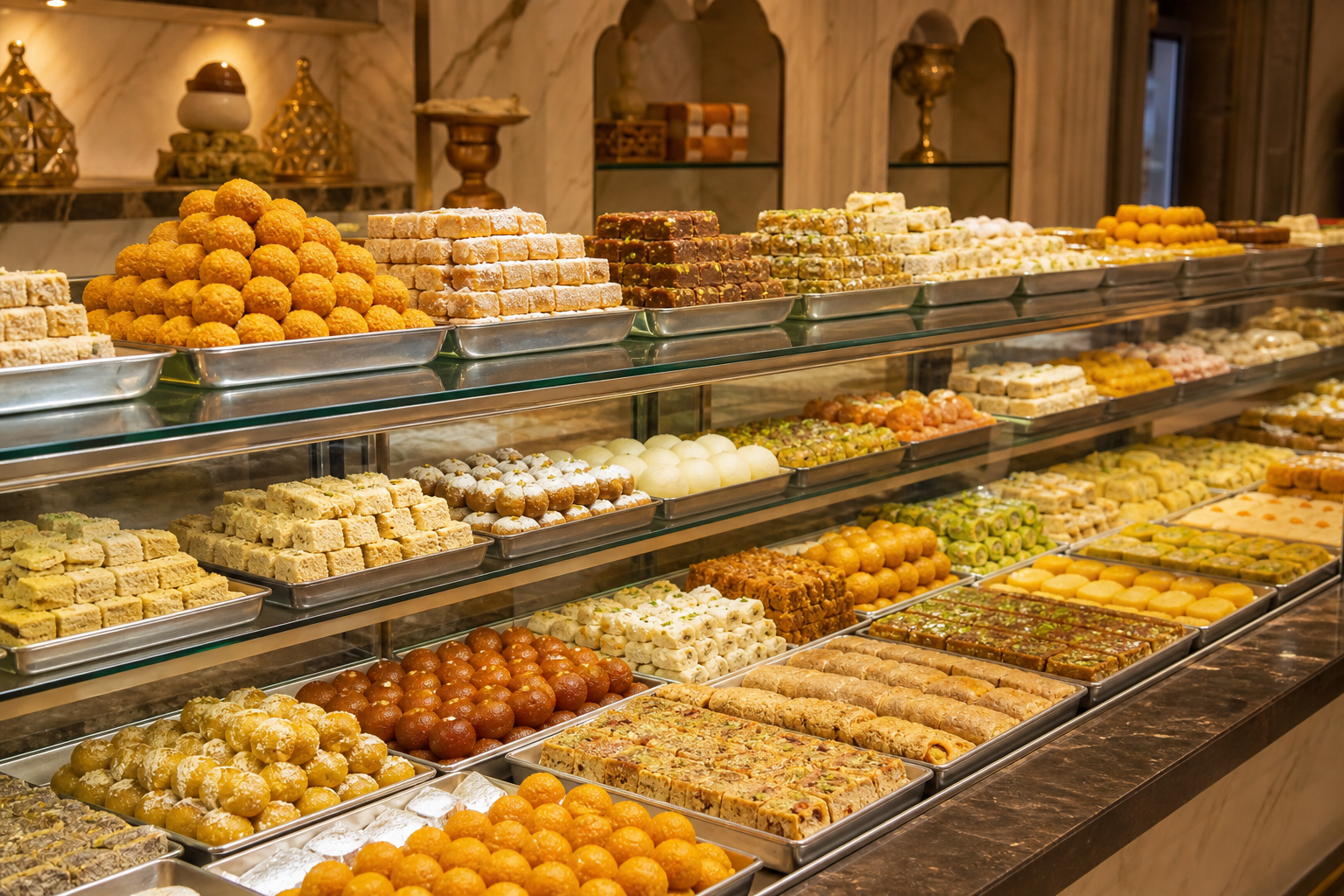
A Practical Guide to Indian Sweets Store
Visiting an Indian sweets store can feel like stepping into a treasure chest of aromas, textures, and colors—barfi in delicate squares, syrup-soaked gulab jamun, nutty halwa, and laddoos that signal celebration. With so many options, it helps to have a simple plan for exploring the counter, comparing choices, and leaving with exactly what you want. This practical guide gives you a clear framework: how to read the display, assess freshness, match occasions to mithai types, and pack gifts that travel well.
How to choose an Indian sweets store
Whether you are shopping for everyday indulgence or festival gifting, use this repeatable approach to evaluate any Indian sweets store you visit.
- Menu breadth: Look for classic mithai such as barfi, kalakand, laddoo, gulab jamun, halwa, and regional specialties like pinni. If you are also craving savory items, check whether they offer popular snacks and chaats—for example, samosa, pakora, chole bhature, bedmi puri aloo, dahi bhalla, chaat papdi, aloo tikki chaat, or amritsari kulcha with chana.
- Ingredient transparency: Signs or staff should be able to confirm ingredients, especially for milk-based sweets, ghee-based preparations, and nut content. If you prefer traditional richness, ask whether desi ghee is used in the sweets you are considering.
- Freshness cues: Observe how items are stored and rotated. Milk-based mithai should look moist but not weeping; syrup sweets should appear glossy but not soggy; fried items should look crisp, not oily.
- Gifting options: If you are shopping for a celebration, see if the store offers assortments or gift-ready boxes. Ask about box sizes, protective liners, separators, and labeling for allergens.
- Ordering convenience: For larger assortments, festival hampers, or made-to-order gifts, check whether the store provides online ordering or a straightforward way to pre-arrange pickup.
Understanding mithai categories
Getting familiar with broad categories will make the counter less overwhelming and help you pair sweets with the right moments.
- Milk-based delicacies: Think kalakand and milk cakes that balance grainy and creamy textures. These are often a go-to for classic mithai platters.
- Barfi treasures: Dense, sliceable squares that can range from plain milk barfi to nut-rich or flavored versions. Their firmness makes them travel-friendly and gift-friendly.
- Ladoo and gulab jamun varieties: Laddoos can be gram flour-based, semolina-based, or nut-forward; gulab jamun is a syrup-soaked staple beloved at celebrations. Both are crowd-pleasers and work in mixed boxes.
- Halwa and pinni: Halwa spans many textures—from spoonable to sliceable—often emphasizing toasted grains or nuts. Pinni leans toward a hearty, ghee-forward, nut- and flour-based profile.
- Fusion sweets: Contemporary spins, layered textures, or new flavor pairings that reinterpret tradition. These can add a modern accent to otherwise classic selections.
Tip: For first-time buyers, start with a balanced sampler: one milk-based sweet, one syrup-based sweet, one nut-forward piece, and a classic barfi. This approach covers a range of textures and sweetness levels so everyone can find a favorite.
Ingredients and freshness checklist
Great mithai starts with quality ingredients and careful handling. When you are at the counter, run through these quick checks.
- Ghee and dairy: If you value traditional richness, confirm whether sweets use desi ghee. For milk-based sweets, ask when the batch was prepared and how they are stored.
- Texture signals: Barfi should hold its shape without cracking. Kalakand should look moist with a gentle grain. Laddoos should be cohesive but not greasy. Gulab jamun should be deeply soaked yet springy to the touch.
- Appearance: Avoid pieces with uneven drying or pooling syrup. Nuts should look fresh, not shriveled or discolored.
- Aroma: A clean, warm aroma with notes of cardamom, saffron, toasted flour, or ghee is a positive sign. Any sourness in milk-based items is a red flag.
- Rotation: Displays that are regularly refreshed and labeled help ensure you receive recently prepared items.
Allergy and dietary note: If you have allergies or dietary preferences, always confirm ingredients directly with the store, especially regarding nuts, gluten, and dairy.
Packaging and gifting considerations
Indian sweets are synonymous with celebration. The right packaging preserves freshness and elevates the experience for the recipient.
- Select sturdy boxes: For mixed assortments, choose boxes with separators to prevent flavors from mingling and textures from sticking.
- Temperature awareness: If you are transporting across town, ask for recommendations on which sweets travel best without refrigeration.
- Labeling: Include a flavor list and ingredient highlights when gifting to a group—this avoids guesswork and supports anyone with dietary needs.
- Occasion matching: For festive gifting, combine classics (barfi, laddoo) with a signature piece or a seasonal special for variety.
- Presentation: A simple ribbon, a greeting card insert, or color-coordinated wrapping can turn a standard box into a celebration keepsake.
Snacks and chaat compatibility
A well-rounded spread often blends mithai with savory snacks and chaats to balance sweetness and spice. If your chosen Indian sweets store also serves snacks, consider these pairings when planning a get-together or office treat.
- Classic starters: Special handmade samosa, paneer pakora, bread pakora, gobhi pakora, vegetable pakora, aloo kachori, spring roll, or vada pav bring crunch and warmth.
- Chaat favorites: Dahi bhalla, chaat papdi, aloo tikki chaat, channa samosa chaat, and raj kachori add tangy, creamy, and spicy counterpoints to rich sweets.
- Hearty mains: Chole bhature, bedmi puri aloo, amritsari kulcha with chana, and grilled sandwiches can anchor a casual meal before dessert.
- Combos: Ready-made combos like “2 samosas chana and chai” or “2 kachori + aloo sabzi” can simplify planning for small groups.
Serving tip: Offer a progression—savory snacks first, a chaat course next, then a small assortment of sweets. This keeps palates refreshed and lets each item shine.
Ordering and storage tips
Smart ordering and simple storage habits preserve texture and flavor, reduce waste, and make sharing easier.
- Order by headcount and variety: For mixed gatherings, assume 2–3 small pieces of mithai per person when other food is served. If sweets are the focus, increase to 3–4 pieces per person and include a balance of textures.
- Mix for all palates: Choose at least one milk-based sweet, one barfi, one syrupy sweet (like gulab jamun), and one nut-forward or halwa-style selection.
- Time your pickup: For peak freshness, arrange pickup as close to serving time as practical, especially for dairy-rich or syrup-based sweets.
- Transport thoughtfully: Keep boxes level, avoid stacking soft items, and ask for separators or liners. In warm weather, limit car time or use insulated carriers.
- Short-term storage: Store dairy and ghee-rich sweets according to the shop’s recommendation. Keep sweets sealed to limit moisture loss and flavor transfer.
- Serving temperature: Many sweets taste best at or just below room temperature. If chilled for safety, allow a brief rest before serving to restore texture and aroma.
- Leftover plan: If you expect leftovers, pick items that store well (e.g., firmer barfi) alongside more delicate pieces you plan to finish first.
Taste like a pro
Evaluating mithai is as rewarding as tasting wine or coffee. Use a quick, three-step sensory check when sampling at an Indian sweets store or at home.
- Look: Note surface sheen, color consistency, and structure. Barfi should be even with neat edges; gulab jamun should be uniformly soaked; halwa should glisten without excess oil.
- Smell: A gentle bouquet of cardamom, saffron, toasted flour, or ghee indicates balance. Sharp or sour notes are a warning, especially in milk sweets.
- Taste and texture: Seek harmony among sweetness, spice, and fat. Pay attention to mouthfeel—grain in kalakand, crumb in barfi, bounce in gulab jamun, and cohesive richness in laddoo or pinni.
Keep brief notes after trying something new—what you enjoyed, how sweet it felt, and which textures stood out. Over time, you will build your personal mithai map.
Occasion matching guide
Match the mood of your event to the sweets you select. Here is a reliable starting point you can adapt to taste and tradition.
- Everyday treat: A couple of barfi pieces or a small portion of halwa—enough to satisfy without overwhelming.
- Tea-time spread: Pair samosa or pakora with a modest sweet, such as laddoo or a slice of milk-based mithai.
- Festivals and family gatherings: Build a mixed box with barfi, laddoo, gulab jamun, and one signature or fusion sweet.
- Weddings and formal gifting: Prioritize uniform shapes (barfi, elegant nut slices) plus a distinctive piece for a memorable accent.
- Corporate sharing: Choose sturdy, neatly portioned sweets that remain presentable over a longer service window.
FAQ
How do I ask about ingredients and allergens at a sweets counter?
Start with a short list of what you need to avoid or prefer (for example, nuts, gluten, dairy, or the use of ghee). Ask staff to confirm ingredients for your top choices, and request simple labels for mixed boxes if you are serving a group.
What is the best assortment for first-time buyers?
Pick one milk-based sweet, one barfi, one syrup-soaked piece like gulab jamun, and one nut-forward or halwa-style option. This provides a complete tour of textures and sweetness levels without overcommitting to any single style.
Which sweets travel well for gifting?
Sturdier pieces such as many barfi styles tend to travel well, especially when boxed with separators. For longer trips or warmer conditions, ask the store which items are least sensitive to temperature and movement.
How much should I order for a mixed snack-and-sweets menu?
If serving snacks and chaats alongside dessert, plan for about 2–3 small pieces of mithai per person. Increase to 3–4 if dessert is the main attraction. Include variety to satisfy different preferences.
How do I keep sweets fresh until serving?
Follow storage guidance provided by the shop, especially for dairy-based items. Keep boxes sealed, minimize temperature swings, and bring chilled sweets to just below room temperature before serving for best texture.