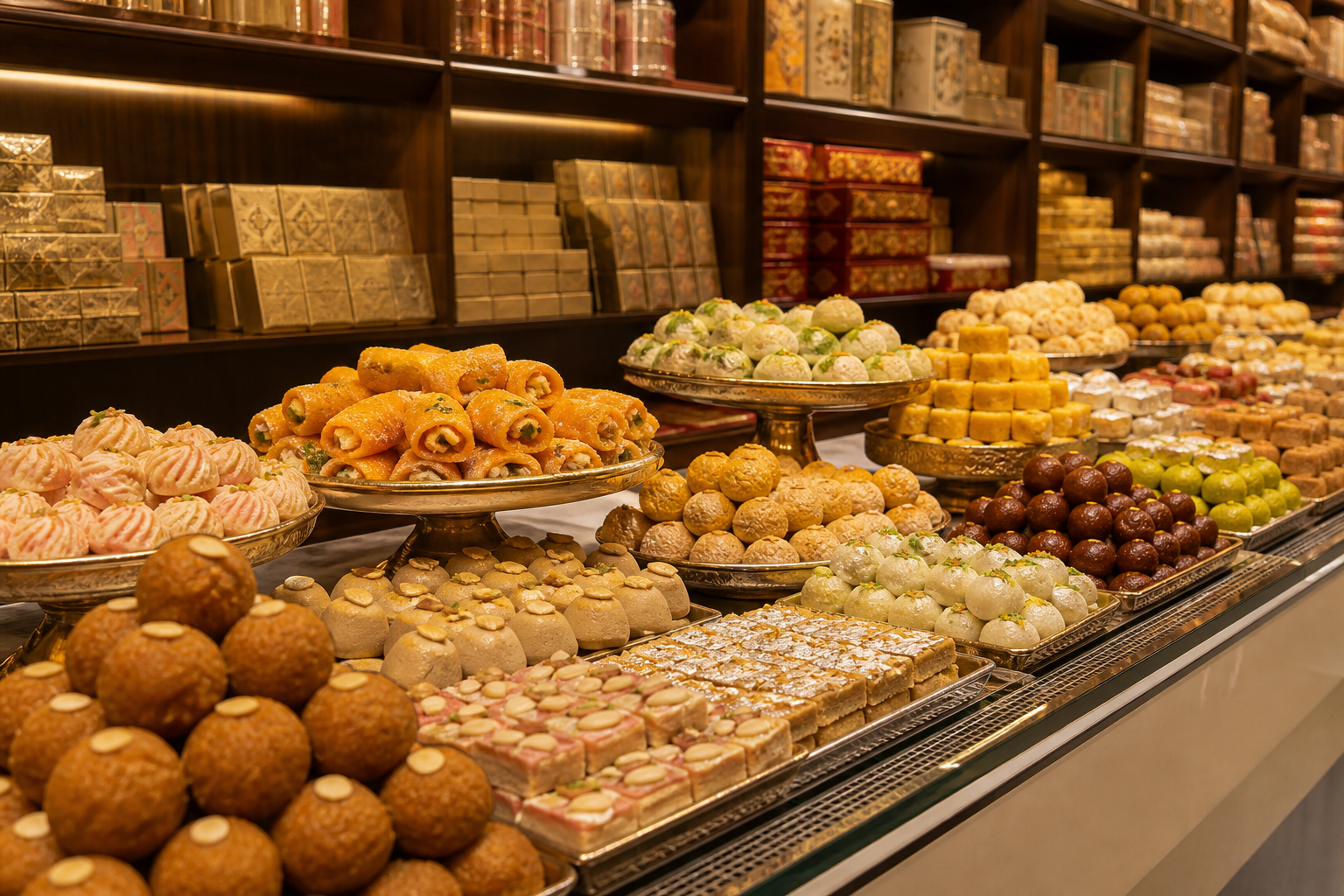
A Practical Guide to Indian Sweet Shop
Walking into an Indian sweet shop—brimming with colors, aromas, and trays of exquisite mithai—can feel magical and a bit overwhelming. This guide demystifies the experience so you can choose confidently, whether you are planning a festive platter, hunting for the perfect gift box, or simply treating yourself. You will find practical checklists, freshness cues, popular varieties, serving ideas, and tips for ordering and storage that suit everyday moments and big celebrations alike.
Understanding mithai basics
Mithai is an umbrella term for Indian sweets that span milk-based delicacies, ghee-rich confections, syrupy classics, nut-studded bites, and inventive fusion sweets. While styles vary across regions, many mithai share a few core foundations:
- Dairy: Khoa/khoya (reduced milk), chenna (fresh curds), paneer, and cream underpin many milk sweets.
- Ghee: Clarified butter (desi ghee) adds aroma, richness, and a hallmark mouthfeel to traditional favorites.
- Sugar and syrups: From light sugar dusting to fragrant rose- or cardamom-infused chashni (syrup), sweetness levels and textures vary.
- Flours and grains: Besan (gram flour), semolina, and wheat flour appear in ladoo, halwa, and more.
- Nuts, seeds, and spices: Pistachios, almonds, cashews, saffron, cardamom, and edible silver leaf (varak) enhance look and flavor.
Knowing these building blocks makes it easier to discuss preferences with shop staff and to spot what will suit your taste or occasion—especially when you encounter unfamiliar names or regional specialties.
How to choose an Indian sweet shop
Finding “the one” is about consistency, clarity, and care. Use this framework the next time you are comparing options:
- Transparency: Look for clear labeling of names and ingredients where available. If you have dietary needs, ask how the sweets are made and handled.
- Freshness cues: Observe turnover and presentation. Fresh mithai typically has vibrant color, clean edges (for cut sweets), intact garnishes, and appealing aroma without being overly perfumed.
- Texture talk: Ask about expected textures. For example, barfi should be firm yet tender; gulab jamun should be evenly soaked but not soggy; kalakand should be moist and slightly grainy; pinni and some ladoo lean crumbly yet cohesive.
- Sample smart: Where sampling is permitted, try a small piece to assess sweetness level, balance of nuts/spices, and overall freshness.
- Hygiene and handling: Notice how staff store, cut, and package sweets; clean tools and proper temperature control are green flags.
- Selection fit: A strong lineup of classics alongside seasonal or fusion options helps you assemble platters for varied palates.
- Packaging options: If you plan to gift, ask about boxes, assortments, and sturdy inserts that keep pieces separated.
Popular sweets to know
Here is a concise glossary of favorites you will often see at a quality Indian sweet shop, including milk-based sweets and regional treasures:
- Barfi: Fudge-like squares or diamonds, often milk-based and accented with pistachio, almond, or saffron. Variations include coconut barfi and nut-forward versions.
- Kalakand: Milky, moist, and lightly grainy, typically garnished with nuts and flavored with cardamom.
- Ladoo: Round sweets with many bases—besan (gram flour), boondi, motichoor, semolina, or nuts—ranging from soft to pleasantly crumbly.
- Gulab jamun: Fried milk-solid dumplings soaked in cardamom- or rose-scented syrup; served warm or at room temperature.
- Halwa: A broad category; in North Indian styles, suji (semolina) halwa is buttery and aromatic, while gajar (carrot) halwa is slow-cooked, rich, and studded with nuts.
- Pinni: Hearty Punjabi sweet made with whole wheat flour, ghee, and nuts; dense and flavorful, often enjoyed during cooler seasons.
- Milk-based delicacies: This catch-all includes peda, milk cakes, and other khoya-forward pieces prized for creamy richness.
- Fusion sweets: Modern twists that introduce novel layers, pairings, or forms while keeping the soul of mithai intact.
When in doubt, mix textures and sweetness levels: a few firm barfi, some syrupy gulab jamun, creamy milk cakes, and nutty ladoo offer a balanced tasting experience.
Freshness, ingredients, and quality cues
Great mithai should look inviting, smell gentle (never sharp or stale), and taste balanced. Use these cues:
- Appearance: Clean cuts on barfi; no crusting, sweating, or discoloration. Gulab jamun should be evenly browned, not cracked.
- Aroma: Light notes of cardamom, saffron, rose, or ghee. Avoid overly synthetic scents.
- Texture by type: Kalakand should not be dry; ladoo should hold shape without being rock-hard; halwa should feel lush, not greasy.
- Nuts and garnishes: Fresh-tasting, not rancid; garnishes adhere cleanly rather than falling off en masse.
- Ingredient clarity: If you are watching dairy, nuts, or gluten, ask for ingredient lists or verbal confirmation before purchasing.
Building the perfect assorted box
Whether gifting or entertaining, a thoughtful assortment shows care and ensures everyone finds a favorite. Try this simple formula:
- Choose a theme: Classic Punjabi favorites, a milk-based showcase, or a colorful festival mix.
- Balance textures: Combine firm barfi, soft kalakand, syrupy gulab jamun, and crumbly ladoo or pinni.
- Layer flavors: Include cardamom, saffron, rose, and nut-forward pieces so no two bites feel the same.
- Add a wildcard: Include a seasonal special or fusion sweet to spark conversation.
- Mind the journey: If boxes will travel, favor sturdier pieces and snug inserts to prevent shifting.
For corporate or wedding gifting, ask about consistent sizing and labeling, so large orders look uniform and easy to distribute.
Serving, pairing, and presentation
Presentation elevates mithai from delightful to unforgettable. Consider:
- Temperature: Many milk-based sweets shine slightly chilled; gulab jamun can be enjoyed warm or at room temperature.
- Portioning: Cut larger barfi into bite-sized pieces for buffets; keep tongs or mini forks nearby.
- Pairings: Offer masala chai, cardamom tea, or unsweetened drinks to balance richness.
- Garnish and color: Alternate light and dark pieces on platters; sprinkle crushed pistachios for contrast when appropriate.
- Labels: Small name cards help guests navigate flavors and allergens.
Storage and shelf-life basics
Different sweets keep differently. When you bring home an assorted box, follow these general guidelines and confirm specifics with the shop:
- Milk-based sweets (e.g., kalakand, milk cakes): Typically best refrigerated in airtight containers; enjoy within a few days for peak taste and texture.
- Dry sweets (e.g., certain barfi, pinni, some ladoo): Often keep longer than fresh dairy-forward items; store airtight, away from moisture and strong odors.
- Transport tips: Keep boxes level; in warm weather, minimize heat exposure to preserve structure and garnishes.
If freezing, test with a small batch first—some textures can change upon thawing, especially with milk-based delicacies.
Dietary and allergen awareness
Mithai frequently includes dairy, nuts, gluten-containing flours, and ghee. If you or your guests have dietary needs:
- Ask direct questions: Confirm ingredients for each selection, including garnishes and cooking mediums.
- Label clearly: For parties and offices, list major allergens on tray labels to help guests choose safely.
- Select strategically: Dry, nut-free options exist but require verification; many classics rely on dairy or nuts.
For medical or nutrition-related decisions, consult a qualified professional. An Indian sweet shop can share ingredient details but cannot offer medical guidance.
Ordering for occasions and events
Whether planning a family festival or organizing gifts, advance planning ensures smooth execution:
- Headcount and buffer: Estimate portions (2–3 pieces per guest for mithai-focused events), then add a small buffer for variety and seconds.
- Assortment mapping: Pre-select a ratio such as 40% milk-based, 30% dry sweets, 20% syruped, and 10% fusion for surprise.
- Transport plan: Consider cooling packs in warm seasons and sturdy packaging for longer drives.
- Labeling and tiers: For large events, tiered platters and flavor cards reduce lines and questions at the dessert table.
- Staggered serving: Replenish in batches to keep displays looking fresh and appetizing over time.
For gifting, confirm lead times for custom assortments and any seasonal specialties that suit the occasion.
Beyond sweets: savory complements
While the heart of an Indian sweet shop is mithai, many offer savory snacks and chaats that pair beautifully with dessert platters. Popular options include samosa and pakora selections, plus street-style classics such as chole bhature, bedmi puri aloo, amritsari kulcha with chana, and chaat favorites like dahi bhalla, chaat papdi, and aloo tikki chaat. When you combine a few savory bites with a well-chosen sweet assortment, you create a rounded tasting experience that appeals to a wide audience.
Troubleshooting common pitfalls
A few simple practices help you avoid disappointment:
- Over-sweet platters: Mix in milk-forward and nutty pieces that read creamy or toasty rather than simply sugary.
- Texture fatigue: Alternate dense pinni or ladoo with soft kalakand and syruped gulab jamun for contrast.
- Travel mishaps: Choose sturdier barfi and well-packed dry sweets if boxes will be jostled; request separators.
- Unclear allergens: Never assume; verify dairy, nut, and gluten content before finalizing large orders.
- Room-temperature risks: In warm venues, rotate smaller platters and keep reserves cool to maintain quality.
Quick checklist before you buy
- Have you balanced milk-based, dry, and syruped sweets?
- Did you ask about ingredients, allergens, and expected textures?
- Is the packaging sturdy enough for your commute or courier?
- Do you have serving tools, labels, and appropriate beverages?
- Have you planned storage (fridge vs. room temp) upon arrival?
FAQ
How many pieces of mithai should I plan per person?
For a dessert-focused gathering, plan roughly 2–3 pieces per guest, adjusting up or down based on the rest of the menu, time of day, and the richness of your selection.
What is the difference between barfi and kalakand?
Both are milk-based, but barfi is typically firmer and sliceable, while kalakand is moist and slightly grainy with a softer bite. Each takes well to cardamom and nut garnishes but differs in texture and moisture.
Can mithai be shipped or couriered?
Many dry sweets and firmer barfi travel well with proper packaging and separators. Syrupy or very soft milk sweets are more delicate. If shipping or using a courier, request snug boxes, internal dividers, and, in warm weather, cooling support. Confirm feasibility and timing before placing large or distant orders.
How should I store gulab jamun and serve it later?
Keep covered; if not serving the same day, refrigerate. Warm gently before serving to restore its soft texture and syrupy comfort. Avoid overheating to prevent drying out.
What are good gift-box combinations for mixed tastes?
Pair a couple of classic barfi, one milk-forward sweet like kalakand or milk cake, a syruped favorite such as gulab jamun, and a nutty ladoo or pinni. This covers a spectrum of textures and flavors without overwhelming new tasters.