Punjabi sweets cultural significance refers to the role mithai plays in rituals, celebrations, and everyday hospitality across Punjabi life. In Brampton, The Mithai Maharaja keeps these traditions alive through fifth‑generation halwai craftsmanship, desi ghee recipes, and gift‑ready boxes that mark weddings, festivals, and family milestones with sweetness and shared joy.
By The Mithai Maharaja • Last updated: 2026-04-27
Overview: Punjabi sweets at the heart of celebration
Punjabi sweets anchor life’s happiest moments—births, engagements, weddings, festivals, and homecomings. In the Punjabi worldview, sharing mithai symbolizes shubh (auspiciousness), prosperity, and togetherness. In Brampton, families turn to The Mithai Maharaja for authentic desi ghee mithai, elegant packaging, and heritage recipes that taste like home while presenting beautifully for modern gifting.
Here’s what you’ll learn in this complete guide—and how to apply it for real celebrations in Brampton:
- What gives Punjabi sweets their cultural meaning, historically and today
- Why mithai matters at home, at temples and gurdwaras, and at events
- How rituals, gifting etiquette, and halwai craftsmanship work in practice
- Types of Punjabi mithai—with symbolism, textures, and pairing tips
- Best practices for choosing, serving, and storing for peak freshness
- Local insights and examples from The Mithai Maharaja in Brampton
Jump to a section:
- What is Punjabi sweets’ cultural significance?
- Why it matters for families and community
- How traditions, gifting, and craft work
- Types of mithai and symbolism
- Best practices for choosing and serving
- Tools and resources to plan better
- Case studies and local examples
- FAQ
What is Punjabi sweets’ cultural significance?
Punjabi sweets’ cultural significance is the belief that sweetness ushers in good fortune and binds relationships. Mithai marks auspicious beginnings, expresses hospitality, and turns everyday moments into celebrations. Passed from elders to children, these recipes and rituals preserve identity for Punjabi families across Brampton and beyond.
In Punjabi culture, mithai embodies shagun—an auspicious token shared at life events. A box of barfi or laddoo does more than satisfy cravings; it signals blessings, respect, and inclusion. This is why relatives arrive with sweets for a newborn, and why couples exchange mithai before the wedding ceremonies even begin.
- Ritual sweetness: Giving laddoo at engagements and distributing mithai after prayers reinforces gratitude and community bonds.
- Symbolic ingredients: Desi ghee denotes abundance; milk-based sweets (like kalakand) suggest purity; nuts hint at prosperity.
- Heritage in action: At The Mithai Maharaja, fifth-generation halwai methods keep these meanings intact through classic techniques and flavors.
Punjabi sweets cultural significance continues to evolve in Canada. In Brampton, beautifully packed mithai now travels to office celebrations, school events, and multicultural gatherings—expanding the circle while protecting tradition.
Why Punjabi sweets matter for families and community
Punjabi sweets matter because they turn milestones into shared memories. A thoughtfully chosen mithai box shows care, honors elders, welcomes guests, and carries prayers for prosperity. In community spaces across Brampton, sweets transform ceremonies—from paath and kirtan to engagements—into moments everyone can taste and remember.
When families ask us why mithai still matters in 2026, we point to three truths we see daily:
- They bridge generations: Grandparents teach younger kids to recognize ghee aroma, cardamom warmth, and the shine of perfect chashni (syrup).
- They anchor identity abroad: For newcomers and second-generation Canadians, familiar sweets make festivals like Diwali or Vaisakhi feel complete.
- They travel well as kindness: Gift boxes move from home to home, turning a busy weeknight or a new job into cause for celebration.
At The Mithai Maharaja, we see families build “sweet rituals”: Saturday laddoo runs, late-night jalebi after exams, or quick boxes of gulab jamun for housewarmings. These micro-moments create continuity—small acts that say, “We belong together.”
How Punjabi sweet traditions, gifting, and craft work
Punjabi sweet traditions combine sacred timing, premium ingredients, and presentation. Families select auspicious sweets, pack them in elegant boxes, and share after prayers, ceremonies, or milestones. Skilled halwais prepare mithai in small batches with desi ghee, milk, and nuts to balance taste, texture, and symbolism.
Here’s how the tradition usually unfolds—and how we support it in Brampton:
- Choose the moment: Families align mithai with rituals (aradhna, paath, kirtan, weddings, homecoming) to mark gratitude and blessings.
- Select meaningful sweets: Laddoo for auspicious starts, barfi for sharing widely, gulab jamun for indulgent joy, pinni and halwa for winter strength.
- Craft with intention: Our halwais prepare batters, boil milk, and slow-fry in desi ghee, then finish with pistachios, almonds, or silver leaf for festivity.
- Present with elegance: Gift-ready boxes protect freshness and elevate the gesture—ideal for engagements, sangeet, and receptions.
- Share generously: Distributing mithai across neighbors, colleagues, and relatives multiplies blessings; the circle expands with every piece.
Want a deeper look at craftsmanship? Explore our perspective on selecting premium assortments in this premium mithai selection guide and see how chocolate-kaju twists or rose-pista fusions meet classic tastes without losing cultural anchors.
Types of Punjabi mithai and what they symbolize
Punjabi mithai ranges from milk-forward barfi and kalakand to syrupy gulab jamun and crunchy jalebi. Each sweet suits a moment: laddoo for auspicious starts, barfi for mass sharing, and pinni or halwa for winter wellness. Thoughtful assortments balance textures, flavors, and tradition.
Below is a quick, practical comparison to match sweets with occasions and meanings:
| Sweet | Occasion | Symbolism | Texture/Serving | Pairing Tips |
|---|---|---|---|---|
| Laddoo | Engagements, new jobs, housewarmings | Auspicious start, abundance | Soft, ghee-rich; room temperature | Masala chai or sweet lassi |
| Barfi (incl. Kaju, Pista, Coconut) | Festivals, large gatherings | Sharing, generosity | Firm yet creamy; room temperature | Cardamom tea; contrasts with savory chaats |
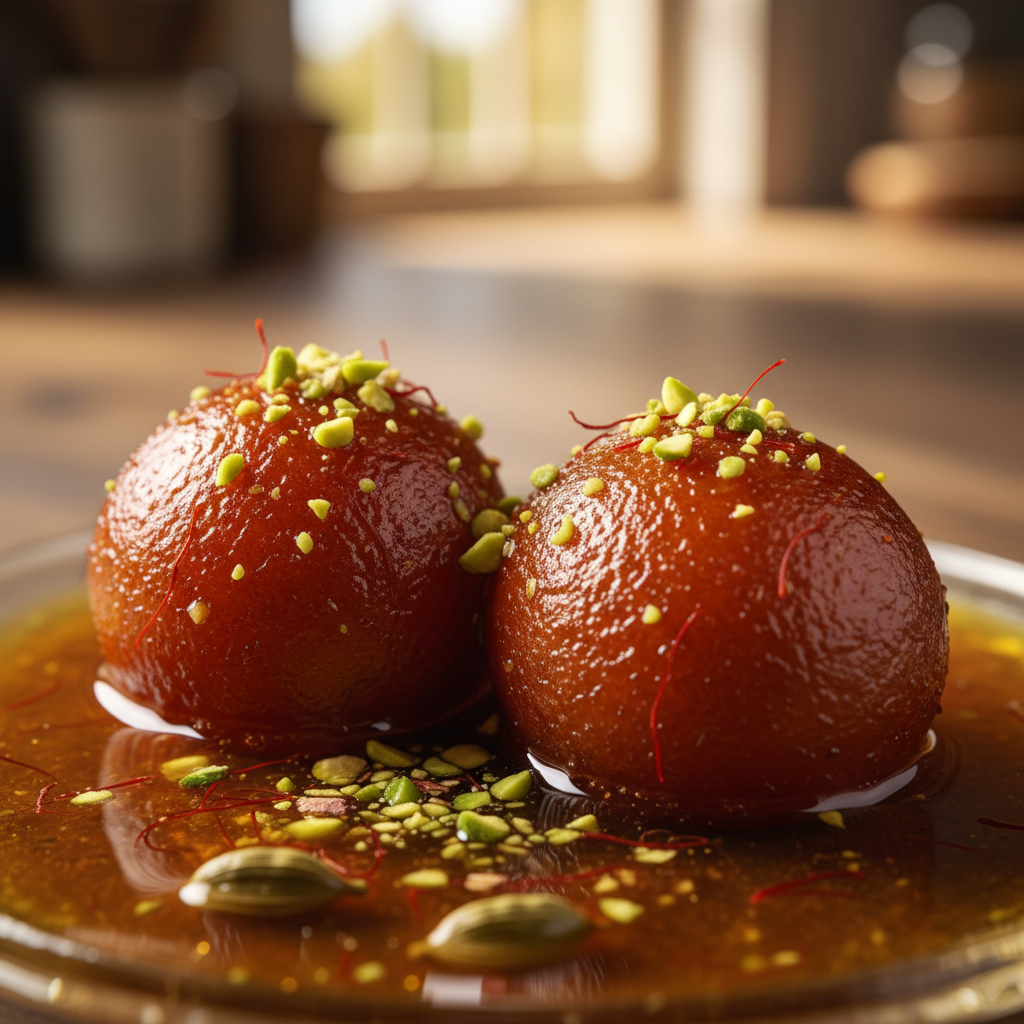
| Gulab Jamun | Receptions, family dinners | Joy, indulgence | Soft in syrup; serve warm | Rabri drizzle; saffron-cardamom notes |
| Jalebi | Street-style celebrations, breakfasts | Festive energy | Crisp exterior; serve hot | With dahi or hot milk |
| Kalakand | Temple prasad, family puja | Purity, devotion | Moist, grainy milk fudge | Light chai; keep cool |
| Pinni | Winter gatherings, postpartum care | Nourishment, strength | Dense, ghee-warm; room temp | Masala milk; ideal with halwa |
| Halwa (Sooji, Atta, Gajar) | Religious observance, winter nights | Comfort, sustenance | Warm, spoonable | Serve fresh; garnish nuts |
To compare deeper nuances—like halwa versus pinni for mood and season—read our detailed primer on halwa and pinni differences. If your party skews toward rich, syrupy favorites, our guide to the best gulab jamun in Brampton offers serving ideas and garnishes people love.
Best practices for choosing, serving, and storing mithai
Choose mithai by occasion, season, and audience; serve at the right temperature with contrasting beverages; and store properly for texture and safety. Balance classics with one or two adventurous pieces, and present in sturdy, elegant boxes to protect form and fragrance.
Choosing with confidence
- Map the moment: Engagement? Lean on laddoo and barfi. Winter dinner? Add pinni and warm halwa.
- Balance the plate: Aim for a spectrum—milky barfi, syrupy gulab jamun, crunchy jalebi, and a nut-forward piece.
- Respect dietary needs: Keep a nut-light or milk-forward tray; label clearly when gifting corporate or school audiences.
- Think presentation: Our gift-ready boxes were designed for travel and display; they safeguard delicate textures during transit.
Serving that elevates flavor
- Temperature matters: Warm gulab jamun and jalebi; keep barfi, kalakand, and laddoo at room temperature for ideal bite.
- Pair with contrast: Chai or lassi cuts richness; a tangy chaat course refreshes the palate between sweets.
- Set the order: Start with lighter, milky pieces; move to syrupy indulgence; finish with crunchy jalebi for a festive note.
Storing for peak quality
- Mind the moisture: Kalakand prefers cooler storage; jalebi loses crispness if sealed while warm.
- Air and aroma: Use odor-neutral zones; mithai readily absorbs surrounding scents.
- Short window, big joy: Traditional mithai shines fresh—plan quantities so trays look abundant, not endless.
Want a handy shortlist of crowd-pleasers and flavor twists? Skim our fusion sweets ideas and classic lineup in the sweets collection to build a balanced box without guesswork.
Tools and resources to plan better celebrations
Successful celebrations rely on thoughtful menus, elegant packaging, coordinated timelines, and reliable partners. Use curated assortments, checklists, and trusted venues to keep rituals on schedule—and choose mithai that photographs beautifully and travels well for guests across Brampton.
Planning a wedding or milestone event? Venue readiness and catering coordination can make or break timelines. For ideas on traditional touches that complement mithai displays, browse this established venue’s traditional sweets overview. When shortlisting venues, event pros often recommend aligning menus and rituals; see these practical pointers on choosing a wedding venue with Indian catering. For South Asian guest expectations in the GTA, this planning primer offers broader context on cultural wedding essentials.
For corporate teams, well-presented mithai boxes make excellent season’s greetings, partner gifts, or new office openings. Our corporate mithai guide covers packaging cues, assortment sizes, and messaging that feels warm yet professional.
Case studies and local examples from Brampton
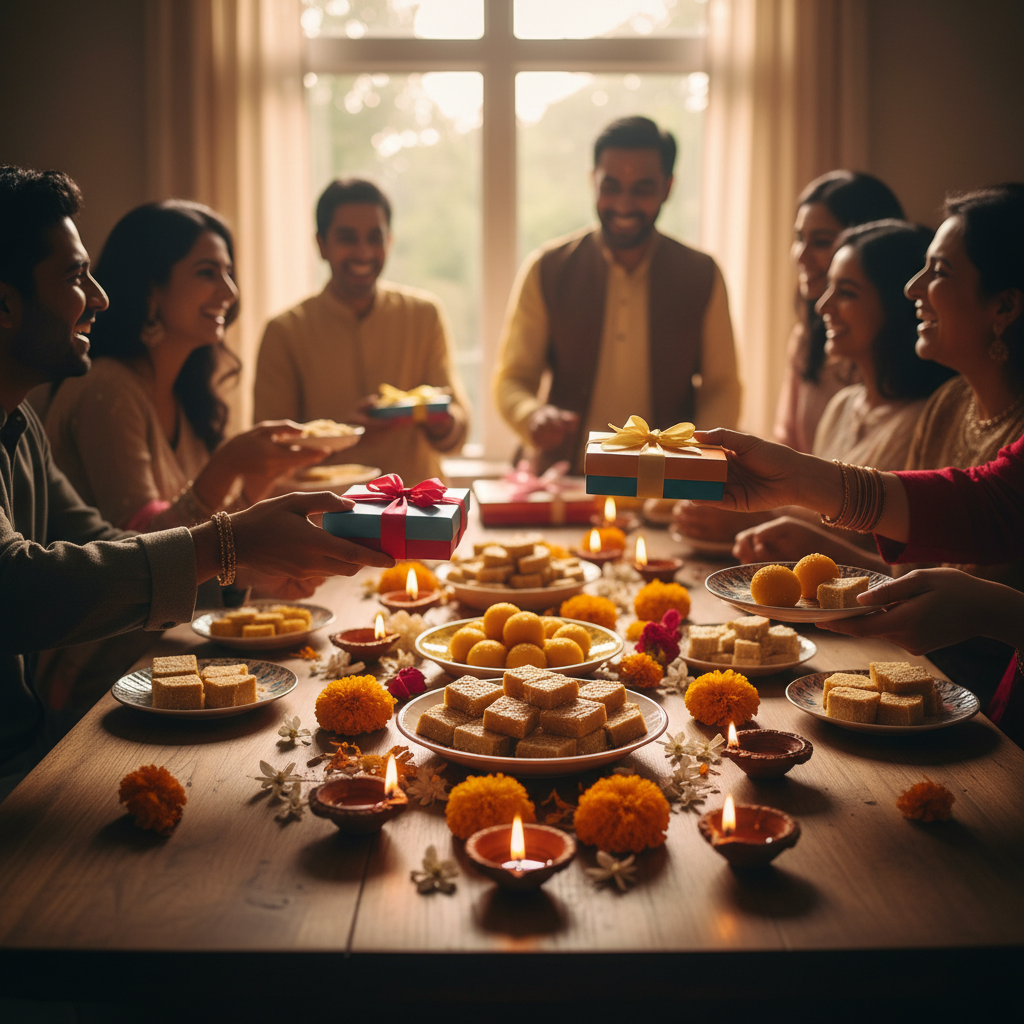
In Brampton, families and teams use mithai to mark milestones—from baby arrivals to grand openings. Thoughtful assortments, elegant boxes, and coordinated savory pairings create memorable spreads. These brief case notes show how Punjabi sweets cultural significance becomes real in everyday Canadian life.
Baby welcome at home
- Goal: Share blessings with extended family after a newborn’s homecoming.
- Assortment: Laddoo for auspiciousness; kalakand for purity; barfi for easy sharing.
- Touch: Classic gold-and-ivory box; note card with baby’s name; delivery scheduled for evening prayers.
- Result: Smooth doorstep gifting and a fragrance-filled house that felt sacred and celebratory.
Wedding week, elevated
- Goal: Keep mithai fresh across multiple ceremonies (roka, sangeet, reception).
- Assortment: Day 1: laddoo and pinni; Day 2: gulab jamun with rabri cups; Reception: premium barfi and fusion sweets.
- Touch: Staggered pickups; venue-ready trays; a few modern twists for non-Desi guests.
- Result: Seamless transitions and enthusiastic guests asking where to buy more.
Office opening in the GTA
- Goal: Offer culturally resonant yet universally appealing treats for a mixed team.
- Assortment: Barfi variety box, gulab jamun to warm on-site, and jalebi for a lively photo moment.
- Touch: Brief placards noting flavors and allergens; tea service alongside.
- Result: A warm, inclusive kickoff and a new team ritual for holidays and success milestones.
Local considerations for Brampton
- Festival cadence is strong: plan early for Diwali and Vaisakhi weeks when families and businesses gift widely, and arrange pickups to avoid rush hours.
- Winter favors warmth: add halwa or pinni to evening spreads; serve gulab jamun warm and balance with spiced chai for cozy gatherings.
- Multicultural guest lists: include a few fusion sweets and clearly label nuts and dairy to welcome everyone with confidence.
What to serve with mithai: savory and beverage pairings
Pair mithai with bright, savory snacks and simple beverages. A chaat station refreshes the palate, while chai and lassi balance richness. For larger parties, add one showcase savory—like chole bhature—to anchor the table alongside premium mithai assortments.
We often recommend combining sweets with crowd-pleasing savory favorites so guests flow naturally through flavors and textures:
- Chaat medley: Dahi bhalla, chaat papdi, and aloo tikki chaat create a tangy counterpoint to rich sweets.
- Signature centerpiece: A tray of Delhi Wale chole bhature draws attention and offers a satisfying anchor before dessert.
- Light bites: Special handmade samosas or paneer pakora keep lines moving and pair well with tea.
- Beverages: Cardamom chai for warmth; salted or sweet lassi to refresh between sweets courses.
For savory planning and flavor variety, explore our menu stories on Amritsari Kulcha with Chana and browse our evolving guides to balance sweet, savory, and beverage options that fit your audience.
Bringing tradition forward without losing meaning
Innovation works when it amplifies—not replaces—heritage. Keep a classic core (barfi, laddoo, gulab jamun), then add one or two fusion sweets. Use premium desi ghee, honor textures, and package with care so modern twists still communicate Punjabi values and hospitality.
At The Mithai Maharaja, we protect tradition through core techniques: slow-cooked milk for kalakand, meticulous chashni for gulab jamun, and ghee-forward laddoo that hold shape without dryness. Then we introduce gentle modernity—rose-pista squares, chocolate-kaju accents, or seasonal garnishes—so every box feels timeless and current.
If you’re new to fusion, start small: include a single modern piece in a largely classic assortment. Our fusion sweets guide shows practical ways to delight adventurous guests while keeping grandparents smiling.
Planning checklist for hassle-free gifting and events
Great mithai experiences follow a simple plan: align the moment, curate a balanced box, confirm quantities, time your pickup, and set up with serving tools. Label nuts and dairy, warm syrup-based sweets just before serving, and save a few extra boxes for surprise guests.
- Clarify the occasion: Engagement, festival, housewarming, or office event.
- Pick the mix: 50–70% classics; 30–50% milk-forward or syrupy indulgence; 1–2 fusion accents.
- Confirm headcount: Add a small buffer; plan labeled nut/dairy options for mixed groups.
- Book timing: Arrange staggered pickups for multi-day wedding weeks.
- Set the table: Warmers for gulab jamun; lined trays for jalebi; small tongs and napkins.
- Photograph the moment: Gift-ready boxes and colorful assortments become part of the memory album.
Soft, friendly CTA: Planning a celebration in Brampton? Talk to our team about elegant, travel-safe packaging and curated assortments that respect tradition while welcoming every guest.
Frequently Asked Questions
These concise answers address common questions about Punjabi sweets cultural significance, selection, and serving. Each response focuses on practical steps you can use immediately for events and gifting in Brampton.
What does mithai symbolize in Punjabi culture?
Mithai signals auspicious beginnings, prosperity, and togetherness. Sharing sweets after prayers or milestones expresses gratitude and welcomes good fortune. Families use mithai to honor elders, include neighbors, and turn everyday moments into celebrations.
Which sweets are best for weddings and engagements?
Laddoo is the classic for auspicious starts, while premium barfi travels well for mass sharing. Gulab jamun adds indulgence at receptions. Include one or two fusion pieces for modern flair, but keep a majority of timeless favorites to honor tradition.
How should I serve mithai to preserve texture and flavor?
Serve syrup-based sweets warm and milk-based pieces at room temperature. Offer chai or lassi to balance richness, and set small tongs for neat serving. Keep jalebi crisp by avoiding sealed containers while it’s still warm.
Can mithai be part of corporate gifting in Brampton?
Absolutely. Gift-ready boxes with clear labels feel professional and warm. Choose a balanced assortment, include a brief greeting card, and schedule delivery when teams are gathered. For tips, see our corporate mithai guide for packaging and messaging cues.
Conclusion and key takeaways
Punjabi sweets carry culture in every bite—turning rituals into memories and new places into home. In Brampton, The Mithai Maharaja keeps heritage vibrant with desi ghee recipes, elegant packaging, and thoughtful assortments for weddings, festivals, and everyday joys.
- Meaning first: Sweets mark blessings, gratitude, and unity.
- Craft matters: Fifth‑generation halwai methods protect flavor and symbolism.
- Plan smart: Balance textures, label allergens, and time pickups well.
- Bridge worlds: Keep classics central, add tasteful fusion accents.
Ready to curate a meaningful assortment for your next celebration in Brampton? Visit The Mithai Maharaja to explore premium mithai rooted in heritage and crafted for today.