Traditional halwai craftsmanship heritage is the generational art of Indian sweet-making practiced by skilled halwais using time-honored methods, pure ingredients, and precise technique. At The Mithai Maharaja in Brampton, this living tradition guides every mithai, snack, and gift box. It preserves flavor authenticity, cultural memory, and consistent quality your family can taste.
By The Mithai Maharaja • Last updated: April 28, 2026
Above the Fold: Hook and Table of Contents
This complete guide explains what halwai craftsmanship heritage is, why it matters, and how it’s practiced daily at The Mithai Maharaja in Brampton. Learn core techniques, tools, and regional styles, plus practical checklists for choosing premium mithai, gifting for festivals, and planning vegetarian catering anchored in real halwai know-how.
Five generations of real halwais shape our kitchen rhythm—from simmering milk for kalakand to finishing gulab jamun in warm chaashni. In this guide, you’ll find practical frameworks and local tips you can use right away in Brampton.
- What “traditional halwai craftsmanship heritage” means today
- Why lineage, technique, and ingredients drive authentic taste
- How milk reduction, sugar work, frying, and finishing actually work
- Regional approaches across Punjabi and Delhi-style sweets and snacks
- Best practices for gifting, festivals, and vegetarian catering
- Tools and resources to deepen your mithai knowledge
- What Is Traditional Halwai Craftsmanship Heritage?
- Why This Heritage Matters
- How Traditional Methods Work
- Types, Methods, and Approaches
- Best Practices
- Tools & Resources
- Case Studies & Examples
- Frequently Asked Questions
- Conclusion & Next Steps
Summary
Halwai heritage blends recipe memory, ingredient quality, and repeatable technique into sweets that taste right every time. At The Mithai Maharaja, generational skills translate into dependable flavor for barfi, gulab jamun, ladoo, and festival assortments—plus vegetarian snacks and catering shaped by the same precision.
Here’s the short version: heritage protects the details that make mithai sing—how long to reduce milk, how to judge a one-thread syrup, when to pull a batch off the heat. You’ll taste the difference in our premium mithai, elegant gift boxes, and Delhi/Punjab street-style snacks crafted the real halwai way.
What Is Traditional Halwai Craftsmanship Heritage?
Traditional halwai craftsmanship heritage refers to the generational knowledge, hand skills, and ingredient discipline that define authentic Indian sweet-making. It’s the practical science of texture and taste—learned by doing—passed from master to apprentice, then refined for modern kitchens without losing soul.
At The Mithai Maharaja, heritage is not nostalgia; it’s a working system. Since 1938 in Phagwara, Punjab—now alive in Brampton—our fifth‑generation halwai family has protected recipes and techniques while adapting to today’s hygiene and consistency standards.
- Core definition: Lineage-based methods that codify milk reduction, sugar work, frying temperatures, and finishing for reliable results.
- Living tradition: Skills evolve but keep essential markers: aroma of slow-reduced milk, clean ghee finish, and balanced sweetness.
- Why it matters: Without it, textures drift, syrups crystallize, and flavors dull. With it, you get dependable mithai—batch after batch.
For a quick taste of this system, see our guidance on choosing quality in the premium mithai selection guide, which breaks down freshness cues, ghee clarity, and nut quality.
Why This Heritage Matters
Halwai heritage safeguards authenticity, consistency, and cultural continuity. It preserves flavor markers—like clean ghee aroma and proper syrup density—so families recognize the sweets they grew up with. It also anchors gifting, festivals, and vegetarian catering in trusted quality.
Heritage translates into predictability. That’s crucial when you’re ordering gift-ready boxes for a wedding or planning vegetarian catering for 200 guests. Technique discipline—like calibrating chaashni or resting burfi—ensures outcomes don’t vary with staff changes or busy seasons.
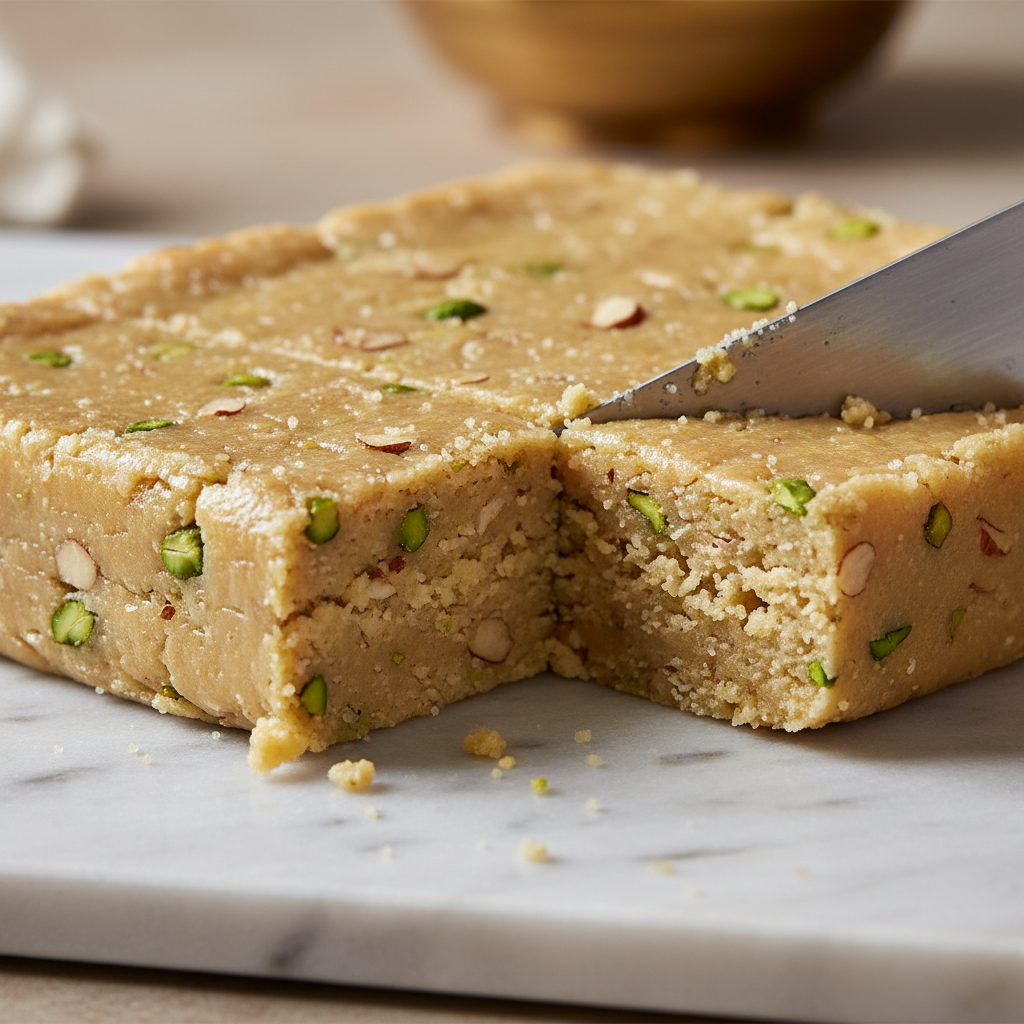
- Authenticity: Recipes and ratios hold their ground. For instance, our kalakand’s granular softness comes from controlled milk reduction—not shortcuts.
- Consistency: Syrup stages and oil temperatures are measured, logged, and tasted. That’s how gulab jamun stays pillowy, not dense.
- Confidence for celebrations: Guests notice when flavors feel right. Reliable mithai elevates weddings, Diwali trays, and corporate gifts.
Want a deeper dive into flavor benchmarks? Our breakdown of local favorites in best barfi flavors in Brampton shows how nut roast, milk solids, and ghee choice shape the final bite.
How Traditional Methods Work
Traditional halwai methods combine time control, temperature management, and ingredient integrity. Milk is reduced patiently, sugar syrups are checked by thread stage, and frying media is refreshed on schedule. Documentation plus sensory checks keep batches consistent during peak demand.
In our kitchen, process beats guesswork. We standardize while keeping the halwai’s eye for detail—listening for milk simmer, reading ghee aroma, and testing syrup between fingers. That mix of science and sense yields the hallmark textures you expect from Punjabi sweets.
| Step | Traditional Halwai Method | Common Shortcut | Impact on Result |
|---|---|---|---|
| Milk reduction | Slow simmer, frequent scrape to develop mawa | Condensed milk or milk powder only | Traditional yields depth and grain; shortcut flattens flavor |
| Sugar syrup | Thread-stage checks (1–2 thread for most mithai) | Volume-only measures | Traditional prevents crystallization; shortcut risks gritty sweets |
| Frying | Staged heating with clarified ghee/oil rotation | High heat to save time | Traditional keeps interiors soft; shortcut burns exteriors |
| Finishing | Timed resting for set, clean ghee gloss | Rush to pack while warm | Traditional locks texture; shortcut creates weeping syrups |
For practical selection tips tied to these steps, explore our guide to premium mithai and our hands-on gulab jamun preparation walkthrough.
Types, Methods, and Approaches
Halwai heritage spans milk-based classics (barfi, kalakand), syruped sweets (gulab jamun), festival staples (ladoo, pinni), and savory street foods (Chole Bhature, Bedmi Puri Aloo). Each category relies on repeatable controls—heat, time, and finishing—to deliver signature textures and aromas.
At The Mithai Maharaja, our repertoire mirrors North Indian favorites while staying vegetarian and celebration-ready. Here’s how we map the landscape for clarity and choice.
Milk-based delicacies
- Barfi treasures: Texture depends on mawa grain and nut roast. See our barfi varieties in Brampton for flavor pairings.
- Kalakand: Defined by a moist, granular body from managed milk curdling and reduction.
- Halwa & pinni: Slow-roasted flours and ghee timing create aroma and shelf stability.
Syruped and fried sweets
- Gulab jamun: Proper knead and low-temp frying keep centers airy; syrup density avoids collapse. Our traditional preparation guide explains common pitfalls.
- Ladoo families: From boondi to besan, particle size and bind determine mouthfeel; ghee clarity brightens finish.
Snacks, chaats, and thalis
- Delhi/Punjab staples: Delhi Wale Chole Bhature, Bedmi Puri Aloo, and Amritsari Kulcha with Chana rely on spice blooming and dough proofing discipline.
- Chaats & combos: Balance crunchy bases with cooling elements (dahi, chutney) to prevent sogginess—see our Dahi Bhalla traditional recipe.
- Value meals & thalis: Portion planning pairs well with corporate or family events rooted in vegetarian menus.
Curious about modern riffs? Our take on classics in fusion sweets ideas shows where innovation can live without losing the halwai center.
Best Practices
The best approach is to pair heritage technique with modern discipline. Use pure desi ghee, control heat in stages, finish with proper resting, and package with airflow in mind. For events, plan assortments around texture variety, dietary needs, and time-to-serve windows.
Quality cues when choosing mithai
- Look: Gentle ghee gloss, no sweating syrup; nut pieces even, not powdery.
- Feel: Barfi should be tender with a light pull; gulab jamun bouncy, not spongy.
- Smell: Clean ghee aroma; no burnt notes or raw flour smell.
- Ask: When was this batch finished? What ghee and nuts are used?
Event assortments that work
- Weddings: Mix milk-based squares for structure, syruped sweets for indulgence, and a nut-forward pinni for balance.
- Festivals: Lead with classics (ladoo, barfi), add seasonal halwa, and include a signature regional sweet for story.
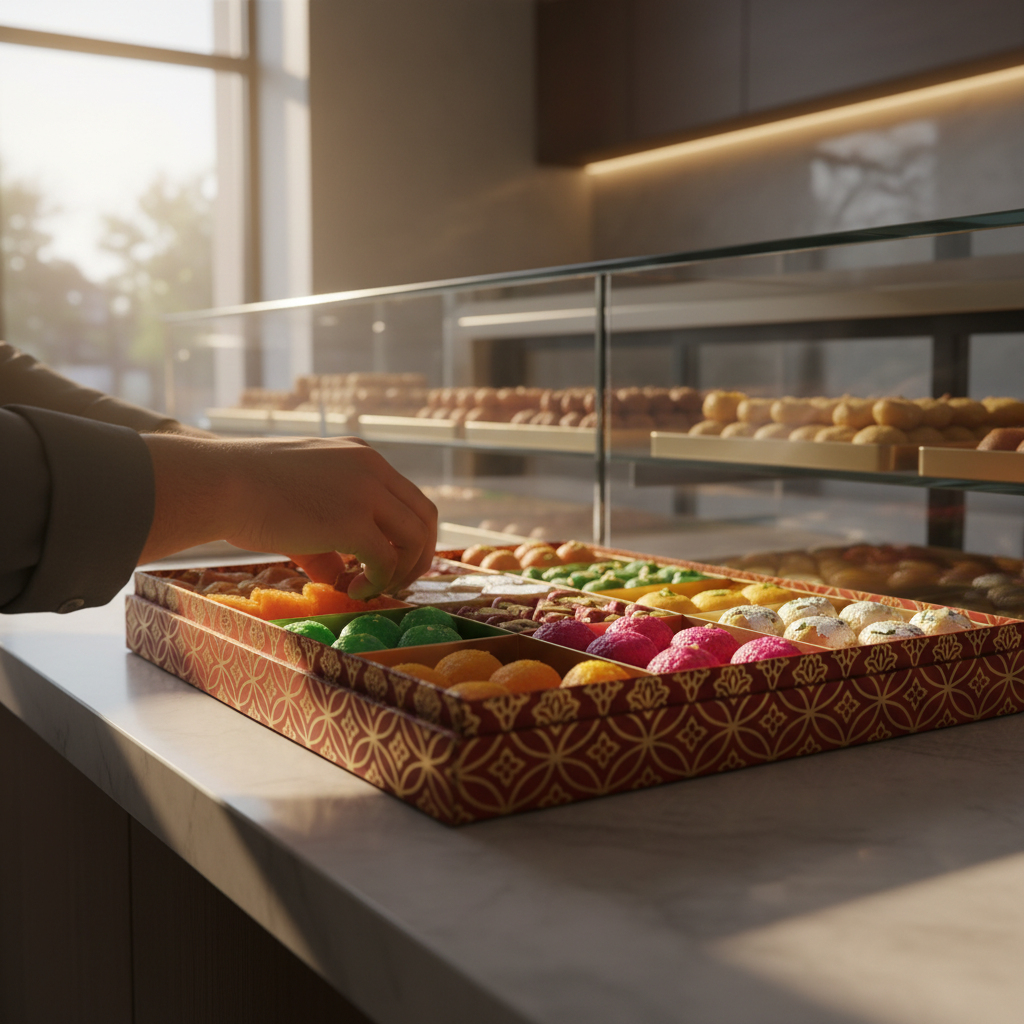
- Corporate gifting: Prioritize uniform sizes, neat presentation, and sealed inserts—our corporate mithai guide outlines presentation tactics.
Local considerations for Brampton
- Plan festival boxes early; Diwali and wedding seasons compress production windows, so reserve preferred flavors ahead of rush periods.
- Cold winters and warm summers change transport needs. Keep syruped sweets insulated in winter; manage sun exposure for ghee-based items in summer.
- Vegetarian catering is popular for community events. Align menus with crowd favorites like Chole Bhature and Dahi Bhalla to keep service smooth.
For a barfi deep-dive, browse our local rundown of Brampton’s best barfi varieties and use the freshness checklist before placing a large order.
Tools and Resources
Essential tools include heavy-bottom kadai, marble or steel tables for cutting, accurate thermometers, and fine-mesh sieves. Pair them with checklists—syrup stages, frying cycles, and packaging SOPs. For context, consult authoritative resources on craftsmanship, food safety, and culinary history.
Core kit for a halwai-style kitchen
- Copper/steel kadai: Even heat for milk reduction and frying batches consistently.
- Thermometers and ladles: Stage-by-stage control of oil and syrup prevents off-textures.
- Scrapers and sieves: Essential for mawa development and uniform particle size.
- Cooling racks and trays: Encourage air circulation to set sweets cleanly.
Authoritative references
Thinking about a festival box or vegetarian catering? Talk to our team in Brampton. We’ll recommend assortments shaped by real halwai methods, from premium mithai to crowd-pleasing chaats and thalis—packaged with “Elegance in Every Box.”
Case Studies and Real Examples
Real-world wins happen when technique meets planning. See how heritage methods steady wedding gifting, streamline corporate orders, and power festival rushes. These snapshots show the systems—recipes, SOPs, and packaging—that keep quality high when demand surges.
Wedding gifting: Elegant, consistent, memorable
- Challenge: Couple needed uniform gift boxes with a Punjabi-leaning flavor profile.
- Approach: Balanced assortment—pista barfi, kalakand, boondi ladoo, and a seasonal halwa—finished the day prior for perfect set.
- Result: Boxes traveled well and opened with a clean ghee aroma and intact gloss—exactly the presentation the family wanted.
Corporate trays: Professional and timely
- Challenge: A Brampton office needed vegetarian trays and sweets for a client visit on short notice.
- Approach: We anchored with Chole Bhature and Dahi Bhalla, then added a mithai trio (gulab jamun, barfi, pinni) sized for easy serving.
- Result: Service ran on time; textures held up under travel; trays looked sharp in photos for internal comms.
Festival rush: Throughput without shortcuts
- Challenge: Diwali week compresses production and pickup windows.
- Approach: We staged milk reduction overnight, scheduled syrup checks by hour, and pre-labeled gift boxes.
- Result: Inventory stayed fresh, lines moved faster, and families got the exact flavors they’d reserved.
For flavor planning and box composition ideas, browse our internal notes distilled into the premium mithai selection guide and our corporate mithai overview.
Frequently Asked Questions
These quick answers address the questions we hear most in Brampton—from freshness windows to vegetarian catering choices. Each tip draws on our five-generation halwai practice so you can make confident plans for family events, festivals, and corporate moments.
What makes a mithai truly “traditional”?
Traditional mithai follows lineage-tested methods: slow milk reduction, correct sugar syrup stages, clean desi ghee, and proper resting. These steps lock in texture and flavor markers that shortcuts can’t replicate, like kalakand’s granular softness or gulab jamun’s airy interior.
How far in advance should I order festival boxes?
Reserve 1–2 weeks ahead of peak festivals to secure your preferred flavors and packaging. During rush periods, production windows compress. Pre-ordering helps us stage milk reduction, syrup checks, and finishing so boxes set perfectly for your pickup time.
Are your savory options fully vegetarian?
Yes. Our savory menu—including Chole Bhature, Bedmi Puri Aloo, and Amritsari Kulcha with Chana—is vegetarian. We apply the same halwai discipline to spice blooming, dough proofing, and finishing so textures hold up for service and travel.
How do I check freshness before buying?
Look for a gentle ghee gloss without pooled syrup, even nut pieces, and a clean aroma. Ask when the batch finished and which ghee and nuts were used. Barfi should pull lightly; gulab jamun should bounce back—signs the syrup and frying stages were controlled.
Conclusion and Next Steps
Halwai craftsmanship heritage isn’t just history—it’s a quality system you can rely on. When you choose mithai grounded in lineage and technique, you get authentic flavor, consistent textures, and presentation fit for life’s milestones in Brampton.
Key takeaways:
- Heritage = lineage + technique discipline + pure ingredients.
- Milk reduction, syrup stages, and staged frying drive texture.
- Elegant packaging matters—protects set and travel presentation.
- Plan ahead for festivals and weddings to lock flavors and logistics.
Ready to plan a gift box, festival order, or vegetarian catering menu shaped by real halwai methods? Connect with The Mithai Maharaja and we’ll help you build an assortment that tastes like home and looks royal.