Raj kachori street food history traces a royal-style chaat that evolved from stuffed kachori traditions into a grand, bowl-sized crisp filled with yogurt, chutneys, and textures. It originated in North India’s halwai culture, gained nationwide fame through chaat stalls, and today thrives globally in cities like Brampton.
By The Mithai Maharaja · Last updated: April 19, 2026
Quick Answer
Raj kachori street food history begins with halwai-made stuffed kachoris in North India and matures into a showpiece chaat layered with yogurt, chutneys, and crunch. In Brampton, you can taste this heritage at The Mithai Maharaja (Units 6 & 7, 2500 Williams Pkwy), prepared by a fifth-generation halwai team.
At a Glance
Raj kachori is a large, crispy puri filled with potatoes, sprouts, boondi, chutneys, yogurt, and spices. Its history runs from royal kitchens and halwai shops to modern chaat counters. Today it’s a celebratory, texture-rich street food you can enjoy fresh in Brampton.
- What you’ll learn: Origins, evolution, step-by-step assembly, regional styles, and how to taste it locally.
- Why it matters: Understanding history elevates how you order, customize, and serve raj kachori for gatherings.
- Who it’s for: Brampton food lovers, home cooks, wedding planners, and anyone curious about Indian street food.
- Fast facts: Keyword interest shows about 810 monthly searches for this topic; The Mithai Maharaja traces halwai lineage to 1938.
What Is Raj Kachori?
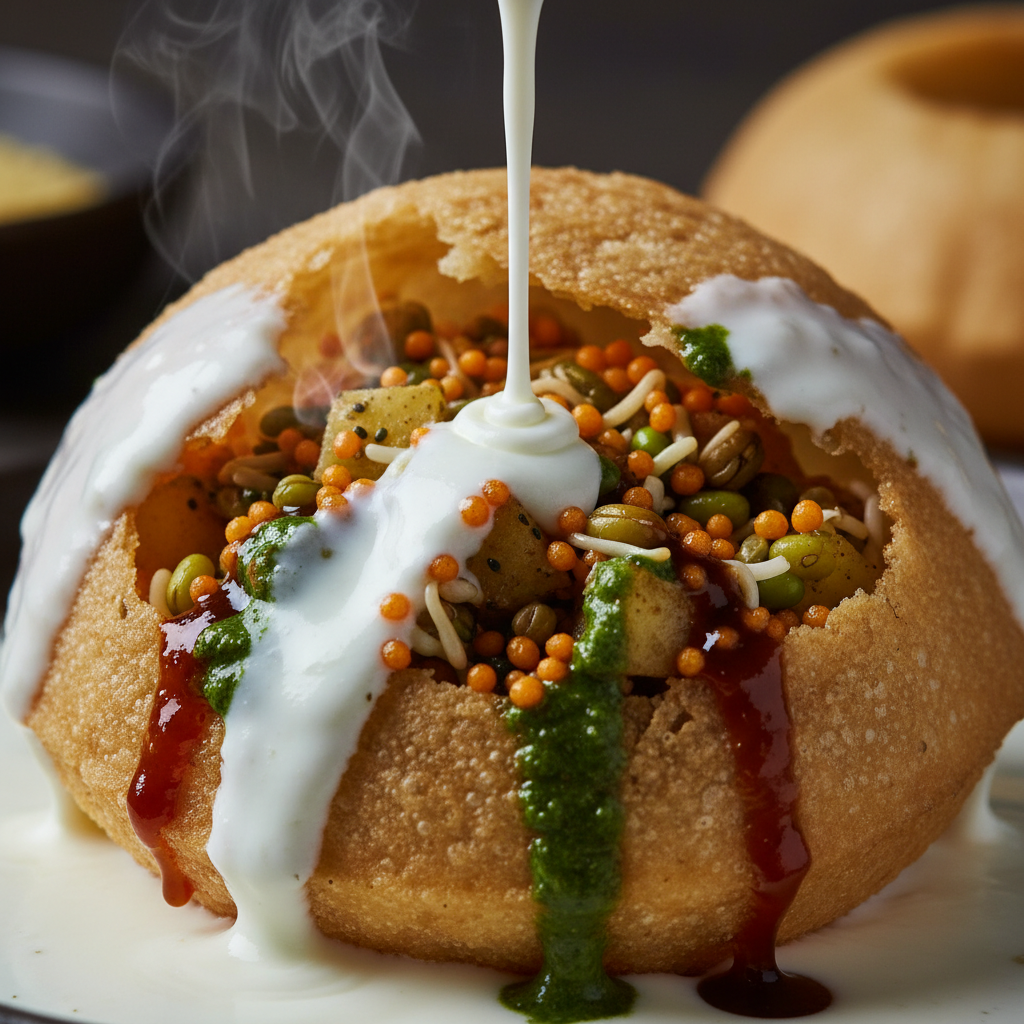
Raj Kachori is a festival-sized, crispy shell stuffed with potatoes, moong sprouts, boondi, sweet-tangy chutneys, cooling yogurt, and spice blends. It’s assembled to order for contrast: hot and cool, soft and crisp, sweet and spicy—delivering chaat’s signature harmony in one bowl you can hold.
-
Core components:
- Crisp shell (puri): Large, hollow, golden, and sturdy enough to hold multiple fillings.
- Base fillings: Boiled potatoes, sprouts, or chana provide body and warmth.
- Texture boosters: Boondi, sev, pomegranate arils add crunch and freshness.
- Flavor drivers: Tamarind-date chutney (sweet-tangy) and mint-cilantro chutney (herbal heat).
- Cooling counterpoint: Fresh yogurt creates balance and creaminess.
- Finishing spices: Chaat masala, red chili, roasted cumin, and a squeeze of lime.
-
How it’s served:
- Made to order: The shell stays crisp; the yogurt and chutneys remain bright.
- Eat immediately: Best within minutes to preserve crunch and contrast.
- Portion style: Often shared, but easily a single, indulgent chaat.
- Local example: At The Mithai Maharaja, our Raj Kachori is assembled by halwais trained in classic Delhi/Punjab methods—layered for snap, creaminess, and balanced spice.
Why Raj Kachori Street Food History Matters
Knowing raj kachori’s history helps you appreciate technique and flavor balance, order with confidence, and plan menu pairings for festivals, weddings, and corporate events. It connects chaat to halwai craft, where lineage and consistent method create the craveable contrast in every bite.
- Better ordering decisions: When you recognize classic components, you can request custom heat levels, extra chutney, or more crunch.
- Event planning clarity: Raj kachori operates as a “centerpiece chaat” guests photograph and remember—ideal for sangeets, birthdays, and office celebrations.
- Heritage awareness: The Mithai Maharaja’s fifth-generation halwai roots (since 1938) ensure traditional methods and pure desi ghee across the broader menu.
- Search interest cue: The topic draws about 810 searches monthly, signaling strong curiosity and discoverability for your menus and social posts.
- Local tie-in: Brampton’s active celebrations calendar means chaat stations remain a hit for community gatherings and family milestones.
Raj Kachori Street Food History: From Halwai Roots to Global Fame
Raj kachori evolved from stuffed kachori traditions into an oversized, celebration-ready chaat popularized by North Indian halwais. As chaat culture spread across India and the diaspora, its theatrical assembly and balanced flavors turned it into a global street food star.
-
Halwai lineage:
- Craft base: Kachoris began as spiced, fried pastries by halwais—regional fillings varied (dal, peas, or potatoes).
- Scale-up moment: Raj kachori amplified size and toppings, inviting generous yogurt, chutneys, and garnishes.
- Occasion food: Its grandeur aligned with festival menus and wedding snack counters.
-
Chaat culture expansion:
- Delhi/Punjab influence: Street-side chaatwalas standardized the sweet-tangy-spicy template.
- Diaspora adoption: Cities like Brampton embraced raj kachori in modern mithai shops and restaurants.
- Social media era: The dramatic “crack the shell and mix” moment made it highly shareable.
-
Modern-day markers (2026):
- Menu placement: Now a signature on chaat menus worldwide, including The Mithai Maharaja in Brampton.
- Search visibility: A 36 difficulty score with roughly 810 monthly searches shows steady interest.
- Event favorite: Chaat stations remain prominent at GTA functions, as noted by Indian food trends in GTA venues.
How Raj Kachori Works: Layers, Contrast, and Timing
Raj kachori works because hot-and-cool, soft-and-crisp, and sweet-and-spicy elements collide in one bite. The shell must stay crisp while fillings remain lively. Assembly order, moisture control, and immediate serving protect texture and showcase chaat’s hallmark balance.
-
Layer logic:
- Dry first: Potatoes and sprouts at the base prevent sogginess.
- Sauces second: Tamarind and mint chutneys in measured streaks.
- Cream third: Yogurt to cool, but not flood.
- Crunch last: Boondi, sev, and pomegranate added just before serving.
-
Moisture management:
- Thick yogurt: Drains excess whey; clings to ingredients.
- Balanced chutneys: Strong flavors with controlled liquid content.
- Serve-now rule: The clock starts ticking as soon as yogurt hits the shell.
-
Temperature play:
- Warm vs. cool: Fresh-boiled potatoes, room-temp chutneys, chilled yogurt.
- Seasonal tweaks: Extra cooling in summer, more zing in winter.
- Restaurant rhythm: Prepped mise en place enables 1–2 minute assembly.
Types, Regional Styles, and Serving Approaches
Raj kachori styles range from classic Delhi fillings to Punjabi spice-forward versions and creative fusion takes. The best shops offer customizable heat levels, garnish choices, and pairing suggestions that keep the shell crisp while reflecting regional taste preferences.
-
Classic North Indian:
- Delhi style: Balanced sweet-tangy, moderate heat, generous yogurt.
- Punjabi style: Bolder spice, roasted cumin and chili, extra crunch.
- Banaras influence: A touch sweeter with aromatic spices.
-
Fusion interpretations:
- Seasonal produce: Mango, corn, or microgreens for freshness.
- Protein options: Paneer cubes or chana for extra body.
- Texture swaps: Alternate sev cuts, toasted nuts, or crisp chickpeas.
-
Pairing ideas (Brampton):
- Starter + center chaat: Open with Chaat Papdi, then serve Raj Kachori as the showpiece.
- Snack flight: Combine Raj Kachori with Aloo Kachori for a “crisp duo.”
- Combo comfort: For heartier appetites, the 2 Kachori + Aloo Sabzi Combo anchors the table.
Step-by-Step: How Halwais Assemble a Great Raj Kachori
Build a crisp raj kachori by staging fillings, controlling moisture, and finishing with fresh crunch. Prep dry elements first, sauce with restraint, spoon thick yogurt, then crown with sev and pomegranate. Serve immediately to protect texture and deliver the signature chaat contrast.
-
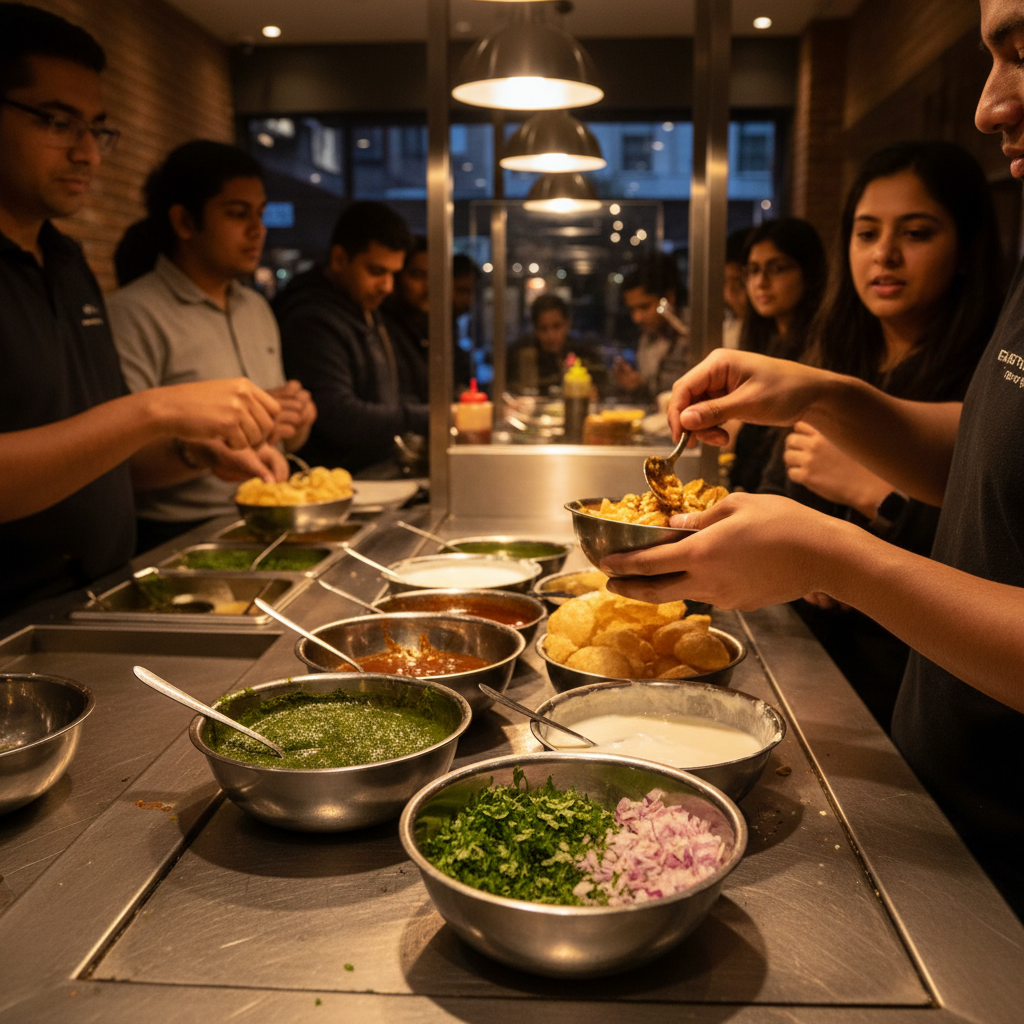
Prep mise en place:
- Boil and cube potatoes; salt lightly.
- Blanch and drain moong sprouts or prepare chana.
- Whisk thick yogurt until smooth; keep chilled.
- Set tamarind-date and mint-cilantro chutneys in squeeze bottles.
- Ready garnishes: boondi, sev, pomegranate, chopped cilantro.
-
Crack the crown:
- Tap a small opening at the top-center of the crisp shell.
- Avoid wide cuts that compromise structure.
-
Load the base:
- Spoon in potatoes and sprouts (or chana) first.
- These drier elements protect the shell from moisture.
-
Season and sauce:
- Dust with chaat masala and roasted cumin.
- Streak tamarind-date and mint-cilantro chutneys sparingly.
-
Add yogurt thoughtfully:
- Use thick, well-drained yogurt for cling and coolness.
- Avoid soaking; you can always add more on the plate.
-
Finish with crunch and color:
- Top with boondi and sev right before serving.
- Garnish with pomegranate arils and cilantro.
-
Serve now:
- Plate with extra chutneys on the side.
- Encourage guests to enjoy within minutes for the best texture.
Best Practices from a Fifth-Generation Halwai Team
The best raj kachori relies on disciplined prep, moisture control, and timing. Keep yogurt thick, chutneys balanced, and garnishes dry. Assemble to order, plate with extra sauces, and serve immediately. These halwai-tested habits preserve crunch and deliver consistent, high-contrast bites.
- For texture: Use fresh shells; replace any that feel soft before service.
- For balance: Taste each batch of chutney; sweetness and herb heat shift seasonally.
- For speed: Line up assembly in a fixed order so any team member can finish in under two minutes.
- For consistency: Standardize ladle and squeeze-bottle portions; log adjustments during peak hours.
- For plating: Keep the shell upright; add yogurt and chutneys again around the base for extra dip space.
- For guests: Offer heat-scale choices and allergy-friendly notes (e.g., nuts if used in fusion toppings).
Tools and Resources You Can Use
A reliable raj kachori station uses large puri shells, fine-mesh strainers, squeeze bottles, ladles, and chilled containers for yogurt. A clear assembly map and a tasting checklist help teams deliver crunch and balance consistently during busy service windows.
-
Chaat station basics:
- Sealable bins for boondi and sev to prevent humidity softening.
- Fine-mesh strainers for quick yogurt drainage.
- Squeeze bottles for even chutney application.
- Cold-well or ice bath to keep yogurt thick.
-
Process aids:
- Assembly order card displayed at eye level.
- One “floater” team member during rushes to restock dry garnishes.
- Tasting checklist (sweet, tangy, heat, crunch, freshness) before first order of each shift.
- Local resource: To taste a benchmark version in Brampton, order Raj Kachori from The Mithai Maharaja and note balance, texture, and assembly pace.
Case Studies and Real-World Examples
In Brampton, raj kachori shines as a shareable centerpiece at family gatherings and community events. Real examples show it drives guest engagement, photo moments, and repeat orders—especially when paired with complementary chaats and fast, consistent assembly.
-
Family celebration in Brampton:
- Guests gravitated to the raj kachori first; photo moments increased around the chaat station.
- Pairing with Chaat Papdi and Aloo Kachori kept pacing smooth for varied appetites.
-
Office gathering near Williams Pkwy:
- Compact station with prepped garnishes enabled 1–2 minute per kachori assembly.
- Offering a “mild to hot” scale reduced remake requests and sped up lines.
-
Community event (GTA venue):
- Adding a sign “enjoy within minutes for best crunch” improved satisfaction and cut leftovers.
- Vendors reported strong interest in Indian street food offerings at regional venues, in line with GTA Indian food event buzz.
Taste It in Brampton
Ready for the real thing? Swing by The Mithai Maharaja (Units 6 & 7, 2500 Williams Pkwy) for a halwai-made Raj Kachori. Prefer to plan a menu? Pair it with Chaat Papdi and Aloo Kachori for a balanced chaat trio.
Comparison: Raj Kachori vs. Other Iconic Chaats
Raj kachori stands apart for size, theatrics, and creamy-crisp contrast. Panipuri focuses on tangy water shots; Dahi Bhalla highlights cool lentil dumplings. Use this quick table to guide menu choices and guest preferences at gatherings.
| Chaat | Signature Traits | Best For | Heat Level | Mess Factor |
|---|---|---|---|---|
| Raj Kachori | Large, creamy-crisp, layered, photo-worthy | Centerpiece snack, sharing | Customizable | Low–Medium |
| Panipuri/Golgappa | Bite-size puris, tangy flavored water | High-energy counters, quick snacks | Medium–High | High |
| Dahi Bhalla | Soft lentil dumplings, cool yogurt | Summer menus, mild preference | Low | Low |
FAQ
Get quick, practical answers about raj kachori—what it is, how to enjoy it, and how to plan it for events. These concise responses help you order, customize, and serve with confidence in Brampton and beyond.
-
What’s inside a classic raj kachori?
Typically potatoes, moong sprouts or chana, boondi, sev, yogurt, tamarind-date chutney, mint-cilantro chutney, and chaat masala. The balance is key: sweet-tangy-spicy flavors with creamy-cool yogurt and a crisp shell.
-
How do I keep the shell from getting soggy?
Layer dry fillings first (potatoes, sprouts), add chutneys sparingly, use thick yogurt, and top with boondi/sev right before serving. Assemble to order and serve immediately for best crunch.
-
Is raj kachori very spicy?
Heat is customizable. Ask for milder mint chutney, extra yogurt, or more tamarind sweetness. In our experience, balanced spice highlights flavor without overwhelming the palate.
-
What should I pair with raj kachori for a party?
Offer a chaat trio for range and pacing: Raj Kachori as centerpiece, Chaat Papdi for familiar crunch, and Aloo Kachori for a warm, savory bite. Keep extra chutneys on the side.
-
Where can I try an authentic version in Brampton?
Visit The Mithai Maharaja at 2500 Williams Pkwy, Units 6 & 7. Our halwai team assembles Raj Kachori to order with classic Delhi/Punjab technique.
Local Tips
- Tip 1: If you’re coming from Highway 410, exit at Williams Pkwy for a quick hop to our Units 6 & 7 location—perfect for picking up a raj kachori centerpiece en route to gatherings.
- Tip 2: Weekend afternoons in festival season can be lively. Pre-order your chaats and sweets to shorten wait times and ensure fresh shells.
- Tip 3: For office events near Trinity Common or along Kennedy Rd, ask our team about pacing assembly so everyone gets a crisp, just-made raj kachori.
IMPORTANT: These tips align with our real Brampton operations and halwai-made chaats—built fresh for crunch and balance.
Key Takeaways
Raj kachori is a celebration chaat born from halwai craft. Master the layers, control moisture, and serve immediately. For a benchmark taste in Brampton, try The Mithai Maharaja’s raj kachori and pair with a couple of complementary chaats.
- History informs technique: order and serve with crunch in mind.
- Assembly discipline protects contrast and guest experience.
- Pairing with Chaat Papdi and Aloo Kachori balances a snack table.
- Search interest is strong, and event buzz in the GTA favors chaat stations.
Related Articles and Guides
Build a complete chaat spread by exploring complementary items and techniques. Start with a benchmark raj kachori, then branch into foundational chaats for range, pacing, and crowd-pleasing variety.
Explore our Brampton-made chaats and snacks: begin with a classic Chaat Papdi, then try the warm-and-crisp Aloo Kachori. For a ready-made anchor, the 2 Kachori + Aloo Sabzi Combo delivers familiar comfort alongside your raj kachori centerpiece.