Ordering mithai of india for a festival, wedding, or corporate gift is a high-consideration purchase. Use this checklist to ask direct questions and spot red flags that predict poor flavour, unexpected costs, or delivery problems. The steps below focus on authenticity, ingredients and allergens, freshness, packaging, tasting and catering logistics, and pricing transparency. If you want background on common sweets and how they should look and taste, see our indian mithai guide.
Authenticity and halwai craft to verify
Why it matters: Authentic halwai craftsmanship affects texture, balance of sweetness, and the use of traditional ingredients like desi ghee. A vendor’s origin story, recipes, and techniques are evidence that sweets are made the traditional way rather than industrially produced.
Questions to ask
- Do you follow family or regional halwai recipes and who prepares the sweets?
- Do you use pure desi ghee or vegetable fats in milk-based sweets?
- Can you describe your process for milk-based items such as barfi or peda?
Answers that should reassure you
- Clear mention of handcrafted batches, a halwai lineage or family recipes, and the use of desi ghee for richer flavour and texture.
-
Red flags
- Vague answers like "we buy finished sweets from a supplier" or refusal to explain how a product is made.
- Insistence that all sweets are identical year-round without seasonal or batch differences, which suggests industrial production.
Traditional presentation details, including edible silver leaf and distinctive cuts, are part of mithai culture and can signal careful finishing; for context on presentation practices, see the culinary narrative at the Michelin Guide on mithai presentation and customs.
(Source: Mithai: What Goes into the Box of Deepavali Sweets.)
Ingredients, allergens and sourcing questions
Why it matters: Ingredient quality determines taste and safety. Buyers must know whether sweets use desi ghee, clarified butter, or cheaper vegetable fats, and whether suppliers manage allergens.
Questions to ask
- Can you provide a full ingredients list for each item I plan to order?
- Do you use pure desi ghee, and can I get supplier or brand details if needed?
- How do you manage common allergens and prevent cross-contact in your kitchen?
- Are any ingredients imported or region-specific, for example special khoya or nuts?
Red flags
- Reluctance to provide ingredient lists in writing or repeated requests to "trust" the vendor without documentation.
- No clear procedure for allergen handling, or a reply that all items are prepared on the same equipment without cleaning protocols.
Vendor FAQs from established retailers often cover ingredient lists and storage practices; reviewing such FAQs helps form your questions and expectations before you call or email a vendor.
(Reference: Practical FAQ examples from a specialist mithai retailer at Mithai India FAQ.)
Freshness, shelf life and storage red flags
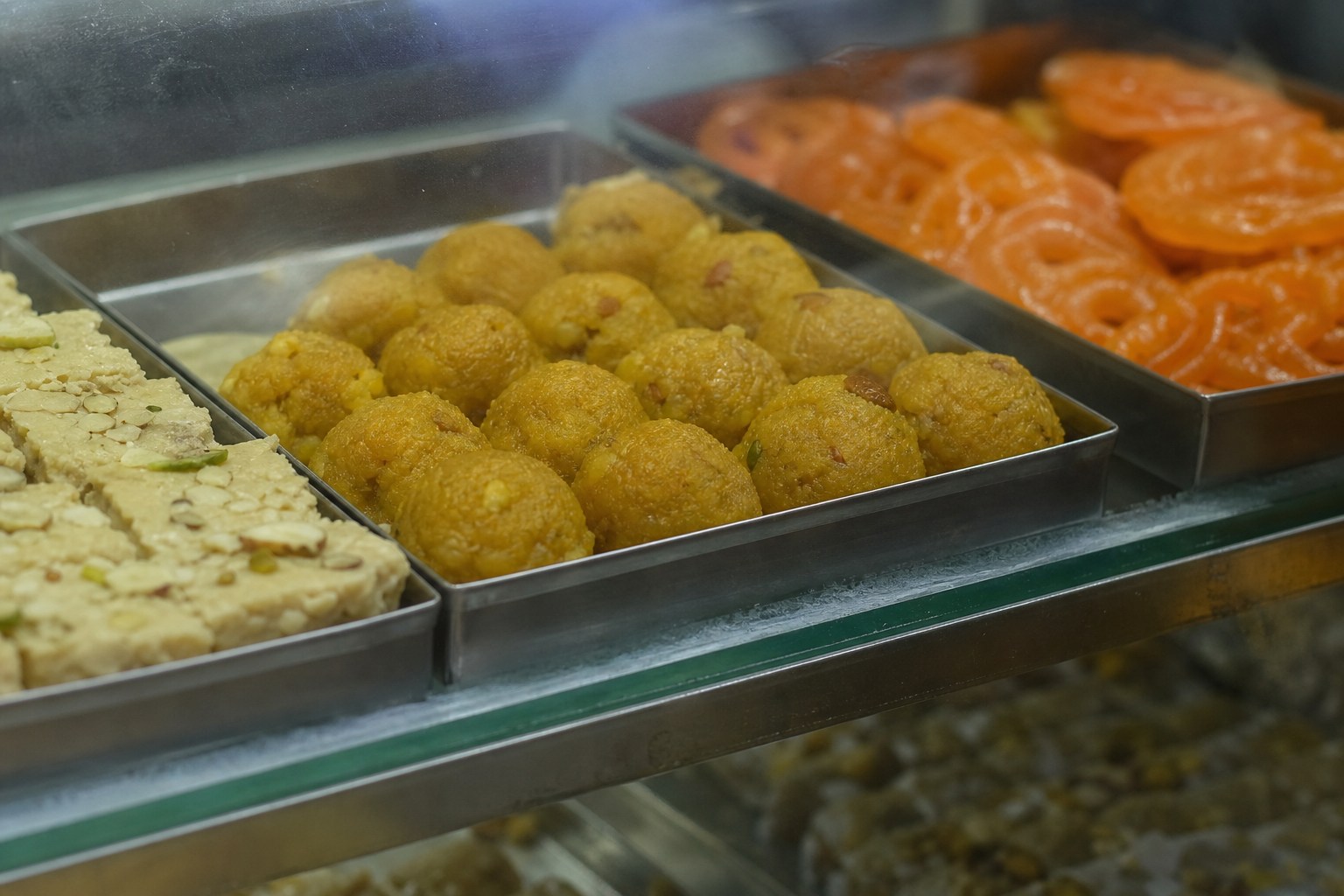
Why it matters: Mithai includes items with very different shelf lives. Milk-based sweets usually need short turnaround times and proper refrigeration, while dry sweets last longer. Knowing realistic shelf life prevents serving stale or unsafe food at events.
Questions to ask
- What is the expected shelf life for each product at room temperature and refrigerated?
- How should I store items from pickup or delivery to keep them fresh for a multi-day event?
- Do you supply humidity- and temperature-controlled packaging for travel or hot weather?
Red flags
- Vague answers like "It will last a few days" without specifics by item or storage condition.
- Offering long shelf-dates for milk-based sweets without refrigeration or suggesting refrigeration is optional for perishable items.
Reasonable vendor answers will vary by item: for example, syrup-soaked sweets typically need refrigeration sooner than dry barfi. If you need guidance for a multi-day event, insist on written storage instructions before you finalise an order.
Packaging, presentation and gifting red flags
Why it matters: Packaging affects perceived value, transport safety and gift presentation. For weddings and corporate orders you should confirm tamper-proof packing, custom branding or message options, and how delicate pieces are protected.
Questions to ask
- Do you offer gift-ready boxes with separators to stop sweets from touching?
- Can you customise boxes for weddings or corporate branding, and what are the lead times?
- Are decorative finishes like edible silver leaf applied in-house, and how is product hygiene managed?
Red flags
- Packaging described as simple loose trays or thin wrapping that risks squashed sweets in transit.
- No option to separate syrupy items from dry pieces, or inability to produce a sample box before a large order.
Presentation traditions vary across regions; careful finishing and protective packaging are good signs that a vendor treats gifting as a core service rather than an afterthought.
For guidance on presentation customs, see the discussion of traditional finishes and decorative approaches in culinary sources such as the Michelin Guide article on mithai presentation.
Ordering logistics, tasting policy and catering capacity
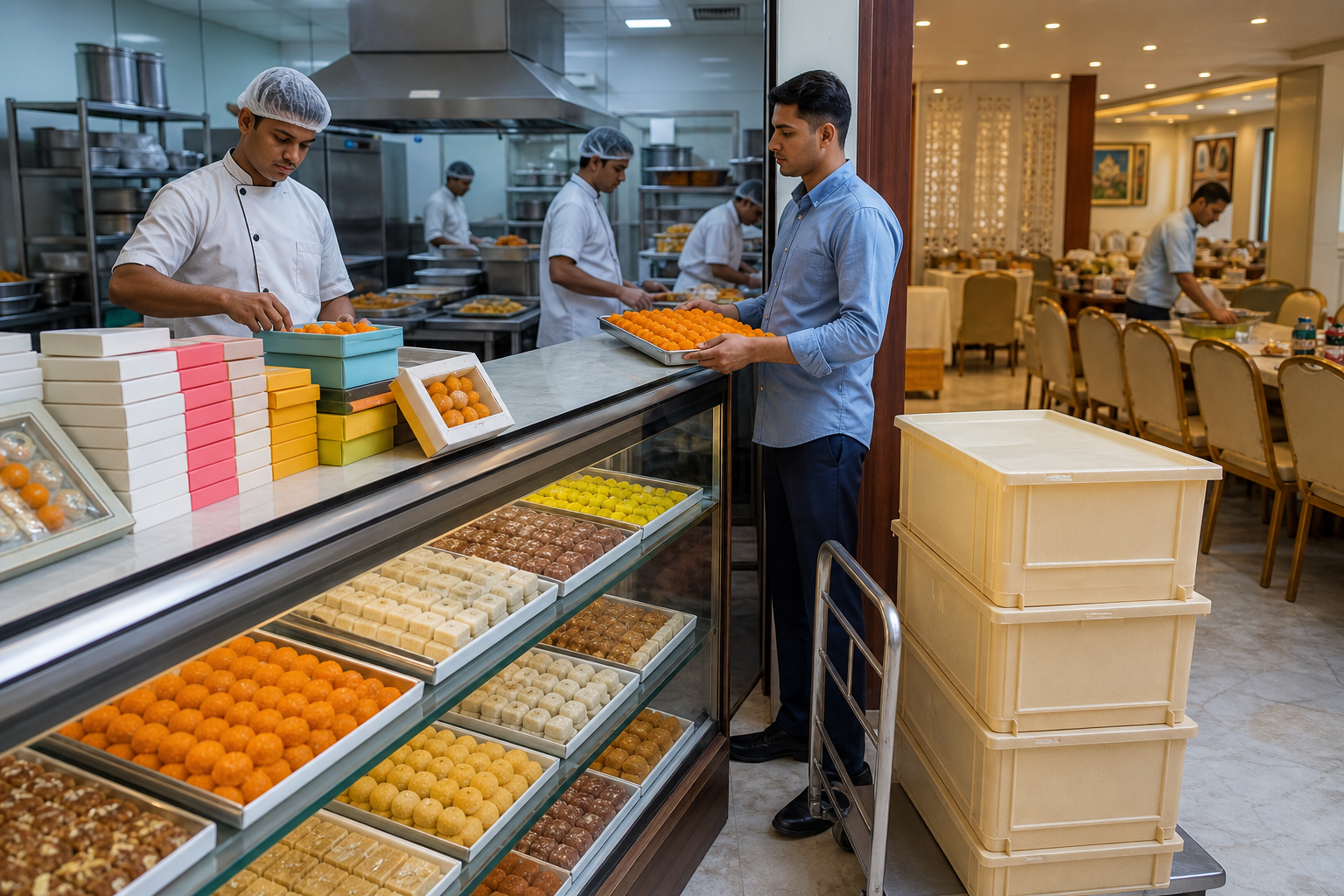
Why it matters: Weddings and festivals have strict timelines, and vendors with limited capacity or unclear lead times create stress. Confirm minimums, sample policies, delivery area, and contingency plans.
Questions to ask
- What are your lead times for standard boxes, customised gift boxes and catering orders?
- Do you offer tastings or sample boxes for large or wedding orders, and is there a fee?
- What is your delivery area, do you handle venue drop-off for events in Brampton, and are there additional fees?
- What are minimum quantities for catered buffets or customised wedding boxes?
Red flags
- Ambiguous lead times such as "a few days" without specific minimums for customised work.
- No tasting policy for large or high-value orders, or refusal to provide a confirmed plan for day-of delivery to a venue.
- Vendors who accept large bookings without confirming production capacity or a backup plan for staff shortages.
If you are ordering in Brampton, confirm pickup options at the vendor address (for example, The Mithai Maharaja location at 2500 Williams Pkwy, Units 6 & 7) and ask whether online ordering is supported for your timeline; these operational details matter when coordinating multiple vendors.
Pricing, transparency and common hidden costs
Why it matters: Prices that appear low per piece may conceal taxes, delivery fees, customisation charges, or minimum order surcharges. Clarify the full cost before you commit.
Questions to ask
- Is pricing per piece, per kilogram, or per box, and does the quoted price include taxes?
- Are there extra fees for customised boxes, edible decorations, or rush orders?
- Do you require a deposit for large or wedding orders and what is your cancellation policy?
Red flags
- Vendors who refuse to provide a written quote that includes taxes and any delivery or customization fees.
- Unexpected last-minute surcharges or demands for full payment without a clear deposit and refund policy.
How to verify claims and next steps for Brampton buyers
Simple verification steps reduce risk and give you confidence before placing a large order. Follow these practical actions:
- Ask for a written ingredient list and storage instructions for every item you plan to order. Keep these on file for the event.
- Request a small paid sample or tasting of the specific items you want for your wedding or corporate gift boxes; insist on the exact presentation you will receive.
- Confirm lead times, minimums, deposits, delivery areas and fees in writing. If you are local to Brampton, check pickup locations and online ordering options directly on the vendor site.
- Check the vendor’s history and reputation, and verify the shop address on Google Maps before booking a large order.
- Use this short script when you call or email: "I need ingredients, shelf life, sample availability and a written quote including all fees for X pieces/dates. Can you confirm these by email?"
For vendors that publish FAQs about authenticity, ingredients and storage, reviewing those pages helps you ask targeted follow-ups; see an example FAQ resource for topics to expect in vendor answers.
(Reference: sample FAQ topics at Mithai India FAQ and local vendor details at The Mithai Maharaja.)
Frequently asked questions
What is the typical shelf life for common mithai and how should I store them for a multi-day event?
Shelf life depends on the item. Syrupy or milk-based sweets require refrigeration and usually have the shortest safe window, while dry barfis and certain ladoos last longer at room temperature. Ask your vendor for item-specific guidance and written storage instructions before you accept delivery.
Do you use pure desi ghee in your sweets or vegetable fats, and can you provide an ingredient list?
Always request a full ingredient list in writing. If desi ghee is important to you, ask the vendor to specify the fat used and, when possible, the supplier brand. A reputable vendor will provide transparent answers and ingredient documentation on request.
Can I request a tasting or samples before placing a large wedding or corporate order?
Many vendors offer paid or complementary tastings for large orders; ask about sample box options and lead times. If a vendor refuses any tasting for a large commitment, treat that as a red flag and consider alternative suppliers.
What are your minimums and lead times for catering and customised gift boxes in Brampton?
Minimums and lead times vary by vendor and complexity. Confirm exact numbers in writing and ask about rush options and additional fees. If you are ordering locally, verify pickup and delivery paths to your venue.
Are your sweets vegetarian and how do you manage cross-contact with allergens?
Many traditional mithai are vegetarian, but cross-contact with nuts, dairy and other allergens is common in halwai kitchens. Ask for allergen handling procedures and request written confirmation of shared equipment or dedicated production lines when needed.
Final step: if you want local, handcrafted mithai made with a halwai heritage and premium ingredients, check the vendor’s store details and contact options. For The Mithai Maharaja’s offerings, location and online ordering, visit The Mithai Maharaja.
Need a printable checklist?
Save or print this article and use the questions above as your vendor interview guide when choosing mithai of india for gifting or events.