Choosing the right mithai means matching texture, shelf life and presentation to the occasion. This practical comparison groups Indian sweets by how they taste, travel and store, shows the authenticity cues to check, and gives clear questions to ask when ordering in Brampton. Examples reference The Mithai Maharaja’s menu and gifting focus without ranking other shops. For a quick overview of every sweet type, see our all indian sweets guide.
How to decide which mithai to buy: five practical criteria
Start every purchase with five decision points you can apply the moment you call, click or visit a shop.
- Occasion — Gifting or wedding, event catering, or everyday dessert?
- Texture preference — Syrupy and soft, dense and nutty, fried and crisp, or dry and long-lasting?
-
Shelf life and transportability — Does it need same-day serving or can it travel and sit at room temperature?
- Ingredient authenticity — Desi ghee, freshly ground nuts, jaggery versus refined sugar, and visible craftsmanship.
- Presentation and packaging — Is the box gift ready, labelled for allergens, and sturdy enough for transit?
For each criterion, prepare one or two short questions to ask the vendor. Industry checklists recommend asking about ingredients and packaging when ordering online, and confirming preparation and delivery details for catering orders. Practical buyer advice from Kanwarjis and Sharman Jain suggests these questions help ensure taste, safety and freshness before you commit.
Suggested short questions to ask
- Is it made with desi ghee or vegetable ghee?
- How long will this keep at room temperature, and does it travel well?
- Do you provide ingredient or allergen cards in gift boxes?
Compare the main mithai types: texture, taste and best uses
Below are six practical categories with representative examples, freshness cues, and best uses. Use these when you decide whether to order single items, a mixed box, or a catering menu.
Syrupy and soft: rasgulla, gulab jamun
Profile: Soft, syrup‑soaked, often best eaten same day or within 24 hours for ideal texture. These sweets are juicy and delicate; syrup clarity and a light milk aroma are freshness cues. For events, include a syrupy item only if you can control serving time and transportation. The Mithai Maharaja offers classic milk‑based sweets that fall into this category and emphasise traditional halwai craft.
Dense nutty and firm: kaju katli, kaju barfi, kalakand
Profile: Nutty, dense and sliceable. These sweets travel well, present elegantly, and typically last longer than syrupy items when stored properly. Look for evenly ground nuts, uniform texture, and a clean nut aroma. Because of their visual appeal and shelf life, they are excellent for gifting and corporate boxes.
Milk‑based soft and grainy: peda, kalakand
Profile: Creamy, often grainy or slightly crumbly, with a fresh milk flavour. These are best consumed within a day or two and can be chilled to extend life for a short time. Freshness cues include a clean milk scent and consistent colour without darkened edges.
Fried and crisp sweets: jalebi, imarti
Profile: Crisp or syrupy depending on preparation, best served warm and often not suitable for long transport. When ordering for events, plan to serve shortly after frying. A visual check for bright, evenly fried colour and clean syrup helps indicate a good batch.
Crumbly, roasted and long‑lasting: pinni, besan ladoo, dry halwa
Profile: These items are usually drier, use roasted flours or nuts, and keep longer without refrigeration. They are ideal for gifting when recipients need items that travel or sit at room temperature. Check for a pleasant roasted aroma and absence of stale or rancid notes.
Fusion and giftable collections
Profile: Modern barfi flavours, plated assortments and small fusion bites combine textures. For gifting, these collections allow mixing one syrupy, one nutty and one dry item for balance. The Mithai Maharaja highlights elegant, gift‑ready presentation that pairs traditional recipes with refined packaging.
Authenticity and quality: how to tell real halwai craft
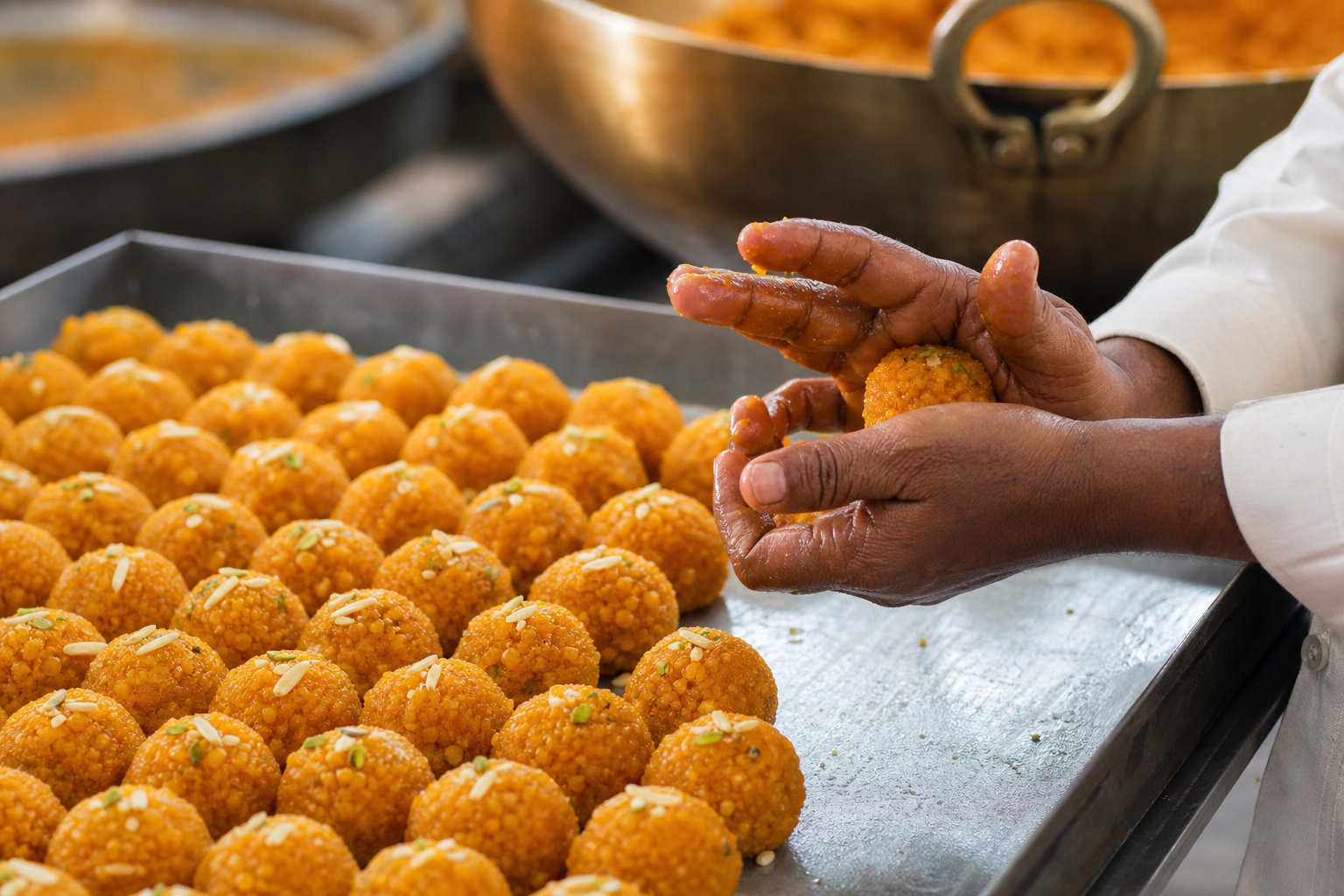
Authenticity signals are simple to check and usually require only visual inspection and a couple of questions.
-
Ingredient transparency — Ask whether the sweets use pure desi ghee or an alternative. The Mithai Maharaja emphasises pure desi ghee and time-honoured recipes on its site, which is a valid selling point to confirm when ordering.
-
Visible handwork — Uneven edges on barfi, hand-rolled ladoos and visible nut flakes are signs of small-batch craft versus machine-cut mass production.
- Fresh aroma and texture — A fresh milk scent for milk sweets, a clean nut aroma for nut sweets, and clear syrup for soaked sweets are positive cues.
Sharman Jain Sweets and Kanwarjis recommend confirming preparation practices and ingredients when you buy, especially online. Those vendor checklists are practical because they encourage buyers to verify safety and ingredient sourcing before placing large or distant orders.
Suggested phrasing to ask the shop
- “Do you use desi ghee in this recipe, and is it made fresh in small batches?”
- “Can you provide an ingredient list or allergen card for gift boxes?”
Shelf life, storage and transport: what to expect and how to plan
Different categories require different storage approaches. Instead of exact expiry dates, plan around qualitative windows and behaviours.
- Same‑day best — Syrupy soft sweets usually taste best within 24 hours. If serving at an event, schedule delivery close to service time.
- Short‑term chilled — Milk‑based sweets can be chilled to extend life by a day or two but avoid freezing as it changes texture.
- Room‑stable longer — Dry sweets like pinni and some barfis travel well and can sit at room temperature for several days if kept in airtight boxes.
When ordering online, vendors recommend clear packaging to prevent syrup leakage and sturdy gift boxes for protection. Kanwarjis and Sharman Jain emphasise asking the seller about travelability and packaging before you place a remote order, because packaging determines whether a sweet survives transit.
Red flags that suggest lack of freshness include off smells, syrup cloudiness, mould, or overly hardened textures that indicate age or improper storage.
Choosing mithai for gifting and weddings: presentation, portions and pairings
For gifting and wedding boxes, mix textures and think about how guests will open and store the sweets.
- Mix one syrupy or soft item with one nutty square and one dry item for balance and visual variety.
- Choose compact, sealed boxes with cushioning for transport. Label boxes with ingredient cards when allergies are likely.
- For wedding favour boxes, smaller single‑serve portions work best; for family gift boxes, include larger slices or multiple pieces per type.
The Mithai Maharaja positions its offerings around elegant, gift‑ready presentation, which makes it easy to assemble balanced wedding or festival boxes without separate packaging work.
Ordering and catering in Brampton: what to ask and when to order
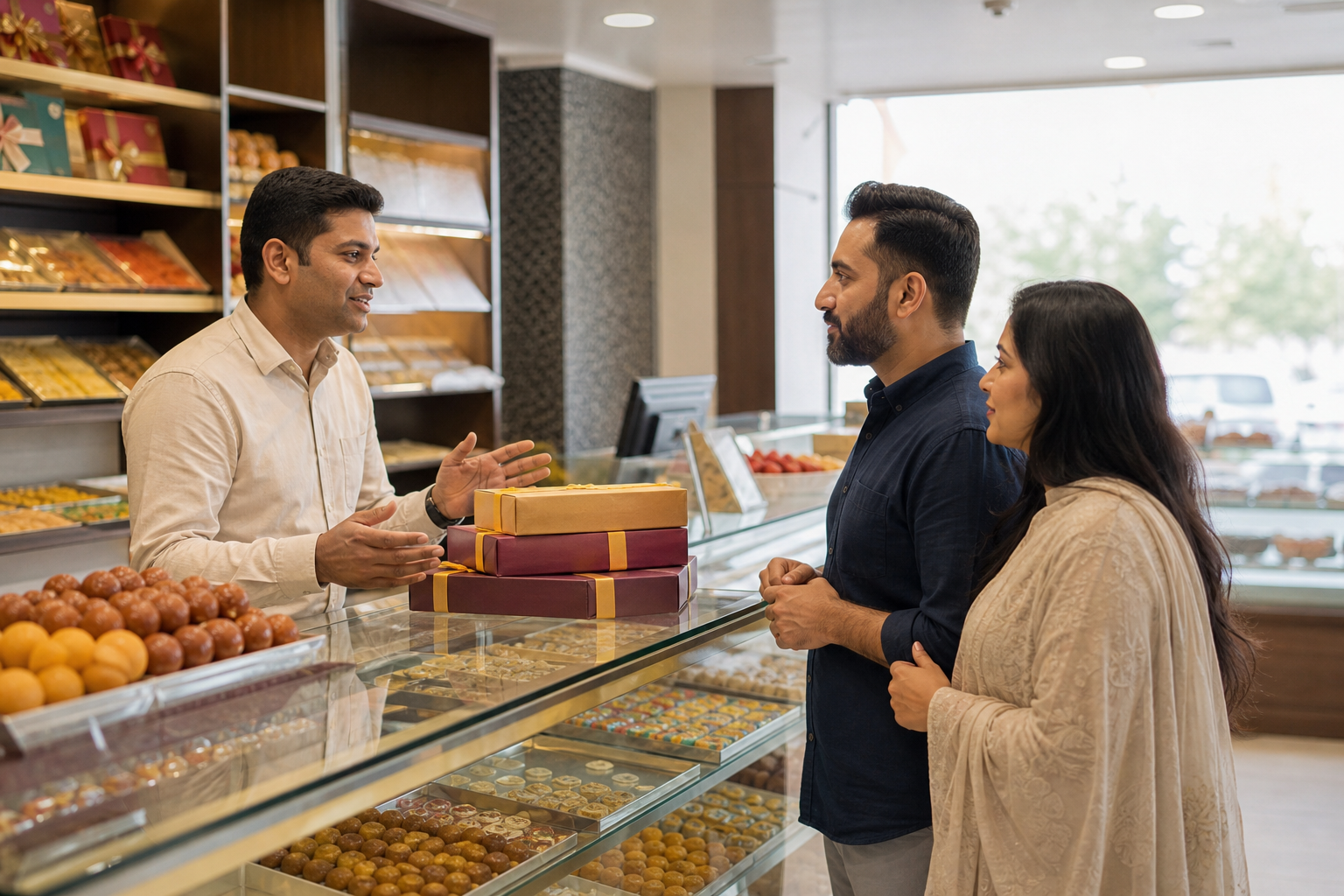
If you plan catering or a large order in Brampton, prepare a short checklist of topics to confirm when you contact the vendor. The Mithai Maharaja operates a storefront and an online Shopify ordering channel from 2500 Williams Pkwy, Units 6 & 7, Brampton, which you can use for local pickup or to discuss catering options directly.
- Menu customisation and portion sizes per person.
- Dietary restrictions and allergen labelling.
- Pickup versus delivery capability and whether packaging is transport‑ready.
- Lead time for large orders and whether the sweets are prepared the same day.
- Reheating or serving instructions for fried items or chaat that are better served fresh.
Kanwarjis and Sharman Jain suggest confirming preparation and delivery details before placing an online order to ensure you receive fresh, safe products and the packaging meets travel needs.
Price, portioning and value: making trade‑offs for events and everyday treats
When balancing budget and quality, use these simple rules.
- Pick premium nutty sweets for gifting because they show visual value and travel well.
- Use thalis or value combos and snack options to feed groups cost effectively while adding one premium dessert per plate for a touch of luxury.
- For corporate or large wedding menus, mix premium pieces with longer‑lasting dry sweets to reduce waste and logistic risk.
Clarify vendor quotes by asking what is included: boxes, labels, delivery, and any staff support for on‑site service. The Mithai Maharaja lists thalis and value meals among its services and can be consulted about balanced menus for events.
Quick ordering checklist and recommended picks for common occasions
Use this one‑page checklist when you call or visit a shop in Brampton.
- Confirm ingredients and desi ghee use if authenticity matters.
- State the occasion and expected serving time so the vendor can recommend fresh items.
- Ask about packaging and whether allergen cards are available.
- Request transport advice for the day of the event and whether chilled transit is needed.
Recommended pick sets
- Diwali gift box — Mix of kaju katli, motichoor ladoo and a dry barfi for balance and travelability.
- Wedding favour — Single nutty square paired with a small dry ladoo in a sealed box for easy distribution.
- Office gifting — Premium barfi assortment in rigid, labelled boxes that travel and store well.
- Event dessert table — Include a warm fried item like jalebi served near service time, plus chilled milk sweets and dry pieces for variety.
- Everyday treat — Pick a small portion of a soft milk sweet or a slice of nutty barfi to enjoy fresh the same day.
For deeper descriptions of each mithai type and more pairing ideas, consult our all indian sweets guide.
Frequently asked questions
Which mithai lasts longest for gifting and travel
Dry sweets such as pinni, besan ladoo and many barfis generally last longest at room temperature because they contain less free moisture. Nutty, dense sweets like kaju katli also travel well. When ordering remotely, confirm packaging and travel recommendations with the vendor to avoid syrup leakage from syrupy sweets.
What should I ask a sweet shop before placing a large order or booking catering
Ask about ingredient lists and allergen labelling, whether sweets are freshly made on the day of the event, packaging that prevents damage in transit, and any lead time required for large quantities. Industry guides advise confirming these details when ordering online or for delivery to ensure safety and quality; see the practical checklists from Kanwarjis and Sharman Jain for examples of questions to use.
How do I choose between barfi and syrupy sweets like gulab jamun for a wedding box
Choose barfi for durability, visual presentation and travel. Include a small syrupy sweet only if the recipient will consume it the same day or if you can guarantee chilled transit. A balanced box often contains one item from each family so guests can sample textures.
Are Indian sweets vegetarian and how do I check for allergens
Many traditional mithai are vegetarian, but some use ghee or milk ingredients and others may include nuts, wheat or food colouring. Always request an ingredient list or allergen card from the vendor. Ask explicitly about the use of desi ghee versus alternative fats if dietary choices or allergies matter.
How should I store and transport mithai for an event to keep them fresh
Store sweets in airtight boxes away from heat and direct sunlight. Chill milk-based sweets if you plan to keep them for a day, and carry syrupy or warm items in leak-proof containers with insulation when possible. Ask the shop for packing tips when you collect a large order.
The Mithai Maharaja is available for in-store browsing, online ordering and to advise on wedding and event needs from its Brampton location. Visit the site to view menus, gift box options and to start a catering conversation.