All Indian sweets refers to the full spectrum of mithai, including traditional and modern Indian confections that span milk-based treats, nut-forward barfi, syrup-soaked classics, halwa, ladoo, and fusion creations. In Brampton, the best experience blends authentic halwai craftsmanship with pure desi ghee and thoughtful presentation. This guide explores every major style and helps you choose with confidence.
By The Mithai Maharaja • Last updated: 2026-06-26
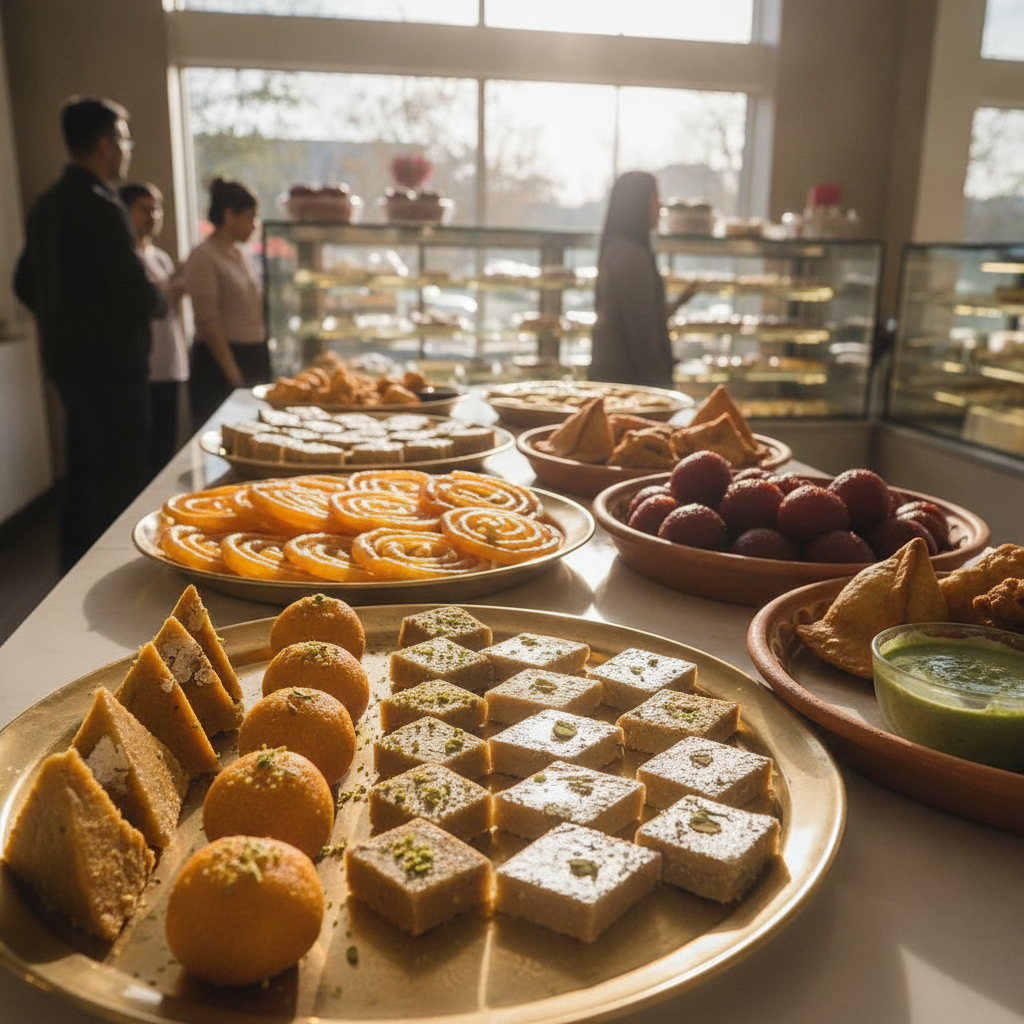
Overview: All Indian Sweets at a Glance
Indian sweets (mithai) are handcrafted confections rooted in regional traditions and precise cooking stages. Core categories include milk-based treats, barfi, ladoo, syrup-soaked sweets, halwa, and fusion items. Choosing well means matching texture, richness, and shelf life to your occasion, especially for gifting, catering, and festivals in Brampton.
Here’s how to use this complete guide quickly.
- What you’ll learn: Definitions, how mithai is made, all major types, storage, gifting, and catering tips.
- Why it matters: The right choice keeps texture perfect, flavors bright, and guests happy.
- How to act now: Build a box, select servings, and plan timing for Brampton pickups or delivery.
For deeper dives, see our companion resources on Indian desserts and seasonal assortments, including a comprehensive mithai guide and a focused piece on milk-based desserts. Diwali planners can review our festival sweets overview for timing and assortments.
What Are Indian Sweets (Mithai)?
Mithai are traditional Indian confections crafted by halwais using dairy, nuts, flours, and sugar syrups. Techniques like reducing milk, cooking khoya, and controlling syrup stages (e.g., soft-ball at 235–240°F) create signature textures. In Brampton, authentic mithai depends on pure ghee, balanced sweetness, and expert finishing.
At The Mithai Maharaja, “Crafted in Heritage, Served with Royalty” means fifth-generation halwai methods carried from Phagwara, Punjab (since 1938) to today’s Brampton shop. That lineage shows up in consistent texture, clean ghee aroma, and refined presentation. Many milk sweets begin by concentrating milk to khoya; others rely on paneer/chenna or cream-based reductions for body.
- Core ingredients: milk/khoya, paneer/chenna, semolina/atta, chickpea flour, nuts (pistachio, almond, cashew), sugar, and desi ghee.
- Foundational methods: milk reduction, roasting (bhunai), syrup cooking (chasni), and controlled frying at 300–325°F for even color.
- Flavor direction: classic cardamom and saffron; modern twists include rose, paan, and chocolate.
Texture targets are deliberate. For example, a clean slice on kaju katli reflects correct nut paste hydration and short resting (often 20–30 minutes). Gulab jamun’s sponge character depends on slow frying (about 8–10 minutes) and warm-syrup soaking for full absorption.
Why Mithai Matters in Brampton Celebrations
Mithai anchors life events, weddings, festivals, housewarmings, and office milestones, because it travels well, offers vegetarian variety, and signals celebration. In Brampton, the right assortment satisfies diverse palates and dietary needs while elevating the moment with elegant, gift-ready boxes.
We see three consistent realities in Brampton events.
- Universal appeal: Vegetarian, egg-free options make planning simple across mixed guest lists.
- Portion clarity: Plan 3–4 bite-size pieces per person for receptions; increase to 4–6 when mithai is the headline dessert.
- Presentation impact: Rigid trays keep edges intact; layered separators prevent flavor bleed in mixed boxes.
From our counters, festival months drive higher demand for milk-based classics and ghee-forward treats. Boxes with varied textures, one fudgy, one nutty, one syrupy, outperform single-style assortments. For office teams, a mix of dry sweets (5–7 day stability) and fresh milk sweets (24–48 hours) balances freshness with practicality.
How Mithai Is Made: Methods and Science
Great mithai relies on controlled heat, moisture, and fat. Reduce milk to khoya, roast flours until nutty, and cook chasni to the correct stage (e.g., one-string around 221–230°F). Fry gently at 300–325°F, then finish with pure ghee for sheen. Process discipline preserves texture and aroma.
In our kitchen, we standardize techniques so results stay consistent from small gift boxes to catering trays.
- Milk reduction: 3–5 hours of low simmering produces khoya with 70–75% solids for barfi and peda bases.
- Roasting (bhunai): Semolina or besan turns aromatic at ~300°F surface temperature; color shifts from pale to golden in 6–10 minutes.
- Sugar stages: soft-ball 235–240°F for burfi set; one-to-two-string 221–234°F for jalebi/gulab jamun syrups.
- Frying control: Jamun fry 8–10 minutes to internal set; pakora 4–6 minutes per batch for crisp shells.
- Cooling & set: Many barfi slabs need 45–90 minutes before clean cutting; rushing collapses the grain.
Actionable tip: log each batch, start temp, end temp, and resting time. A 2–3°F deviation in syrup can swing a barfi from creamy to crumbly. We also calibrate thermometers monthly and rotate oil to maintain neutral flavor in sweets versus snacks.
A Complete Guide to All Indian Sweets
All Indian sweets fit into six practical families: milk-based, barfi, ladoo, syrup-soaked, halwa & pinni, and fusion. Build balanced boxes by mixing textures, one creamy, one nutty, one syrupy, and using 25–35% milk sweets for freshness and 65–75% dry sweets for stability and travel.
Use this taxonomy to map flavors to occasions and shelf life. We’ve included representative items you’ll find at The Mithai Maharaja, crafted by a fifth-generation halwai team and pointers on serving and storage.
Milk-based delicacies
- Kalakand: Grainy, milk-forward; set with gentle heat. Best within 24–48 hours refrigerated.
- Rasmalai: Paneer discs in saffron milk; serve chilled at 36–40°F for optimal body.
- Peda: Khoya-based, cardamom-laced; portion at 18–22 g for neat bites.
Barfi treasures
- Kaju Katli: Cashew paste barfi; clean facets indicate correct paste hydration and 20–30 minute rest.
- Pista Barfi: Pistachio-rich; pairs with rose or saffron accents.
- Coconut Barfi: Chewy; moisture balance prevents crumbling.
Ladoo families
- Besan Ladoo: Slow-roasted chickpea flour; nutty aroma after 6–8 minutes of bhunai.
- Boondi Ladoo: Syrup-bound pearls; set time 30–45 minutes before serving.
- Motichoor Ladoo: Finer grain than boondi; festive gold/orange hues.
Syrup-soaked classics
- Gulab Jamun: Slow-fried, then soaked in warm chasni; ideal syrup at one-to-two-string.
- Jalebi: Fermented batter spirals; crisp window ~20 minutes after frying.
- Rasgulla: Spongy chenna balls; boil 12–15 minutes for bounce.
Halwa & pinni
- Suji Halwa: Semolina-based; ghee-to-semolina near 1:1 by volume for spoonable texture.
- Gajar Halwa: Winter favorite; slow reduction concentrates natural sugars.
- Pinni: Dense Punjabi energy sweet; travels well for 7–10 days.
Fusion sweets
- Chocolate Barfi: Cocoa layered over khoya base; appeals across age groups.
- Gulab Jamun Cheesecake Bites: Syrupy core with creamy surround; chill to 38–40°F.
- Modern Paan or Rose Truffles: Aromatic twists for gifting.
Ready to compare textures and uses? The table below helps you pick the right family for your box, thali dessert, or catering tray.
| Family | Texture Target | Best For | Typical Shelf Life | Serving Note |
|---|---|---|---|---|
| Milk-based | Creamy, fresh | Home meals, close-in gifting | 24–48 hours (chilled) | Serve at 36–40°F |
| Barfi | Firm, sliceable | Mixed boxes, office trays | 3–5 days | Room temp for aroma |
| Ladoo | Fudgy to grainy | Festivals, travel | 5–7 days | Portion 1–2 per guest |
| Syrup-soaked | Soft, syrupy | Hot service, plated | Same day ideal | Warm at 120–140°F |
| Halwa & pinni | Spoonable to dense | Winter menus, gifting | 3–7 days | Ghee sheen signals done |
| Fusion | Classic + modern | Corporate gifts | 2–4 days (varies) | Chill if dairy-heavy |
For more textures and pairings, our Brampton dessert picks compare festival favorites and everyday treats, while this Punjabi sweet shop guide explains how regional styles shape flavor and finish.
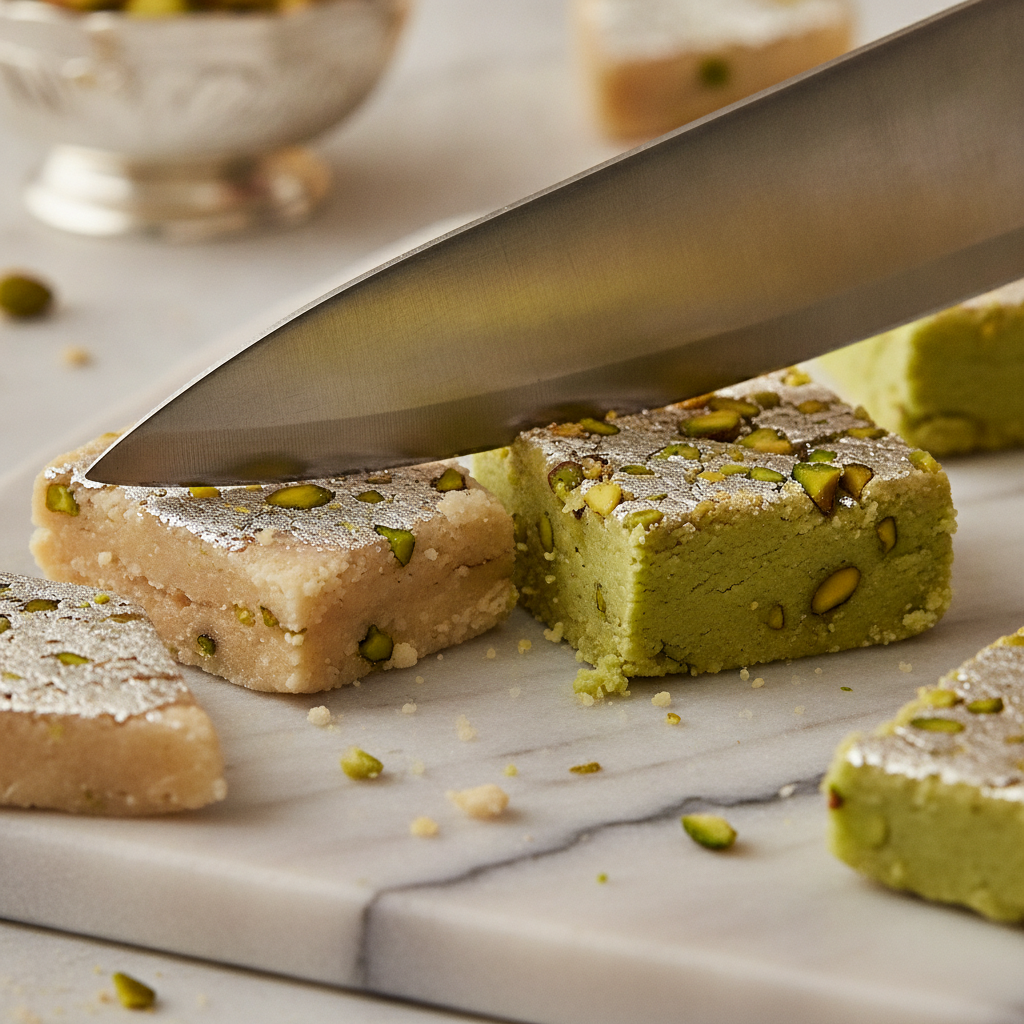
Best Practices: Choosing, Storing, and Serving
Choose a balanced mix (creamy + nutty + syrupy), time pickups to serving, and match storage to style. Milk sweets chill at 36–40°F; dry sweets hold 3–7 days airtight. Plan 3–6 pieces per person and use separators to protect finish. Small, consistent pieces reduce waste.
How to choose the right assortment
- Balance textures: Include 25–35% milk sweets for freshness, 65–75% dry sweets for travel and meetings.
- Mind flavors: Pair cardamom-forward items with nut-dominant barfi for contrast.
- Allergens: Label dairy/nut presence; offer a 10–20% nut-free subset when needed.
Storage and handling
- Milk sweets: Refrigerate promptly; aim to serve within 24–48 hours for best bite.
- Dry sweets: Store airtight 3–7 days; humidity control prevents sugar bloom.
- Syrup-soaked: Keep warm at 120–140°F for service; rewarm gently to avoid splitting.
Serving and display
- Portions: 3–4 pieces per guest for receptions; 4–6 for dessert-focused events.
- Flow: Use two station lines for groups over 50 to reduce 5–8 minute waits.
- Finish: Garnish with 1–2 g of chopped pistachio per piece for color and aroma.
Local considerations for Brampton
- Plan festival-season pickups early; boxes with 60–70% dry sweets travel better across the city.
- Winter menus favor gajar halwa and pinni; maintain serving warmth between 120–140°F.
- For corporate teams, choose sealed assortments and labeled allergens for easy office distribution.
If you’re organizing a mixed menu (thali + dessert), sequence hot chaats like Chole Bhature 20–30 minutes before dessert so syrupy items stay crisp yet warm. For guidance, explore our new sweets 2026 guide and our in-depth Indian desserts explainer.
Tools and Resources for Gifting and Catering
Use rigid, food-safe dividers, include flavor cards, and size boxes to 12–24 pieces for simple math. For catering, confirm warmers at 120–140°F for syrup sweets and insulated carriers for travel. Online ordering streamlines pickup windows and labeling.
Our team builds elegant, gift-ready boxes to suit weddings, festivals, and corporate gifting. We also coordinate mithai with savory favorites, Special Handmade Samosa, Paneer Pakora, and chaats, so your guests enjoy a cohesive taste journey that moves from crisp to creamy to syrupy.
- Gift-ready boxes: Snug inserts hold 12, 18, or 24 pieces; separators keep flavors distinct.
- Labels & allergens: Short ingredient notes reduce questions during service.
- Online ordering: Reserve pickup times and request mixed assortments in notes.
For inspiration on cookies and biscuits that complement mithai, browse this external collection of Indian cookies and a primer on Indian biscuits styles that travel well with office platters.
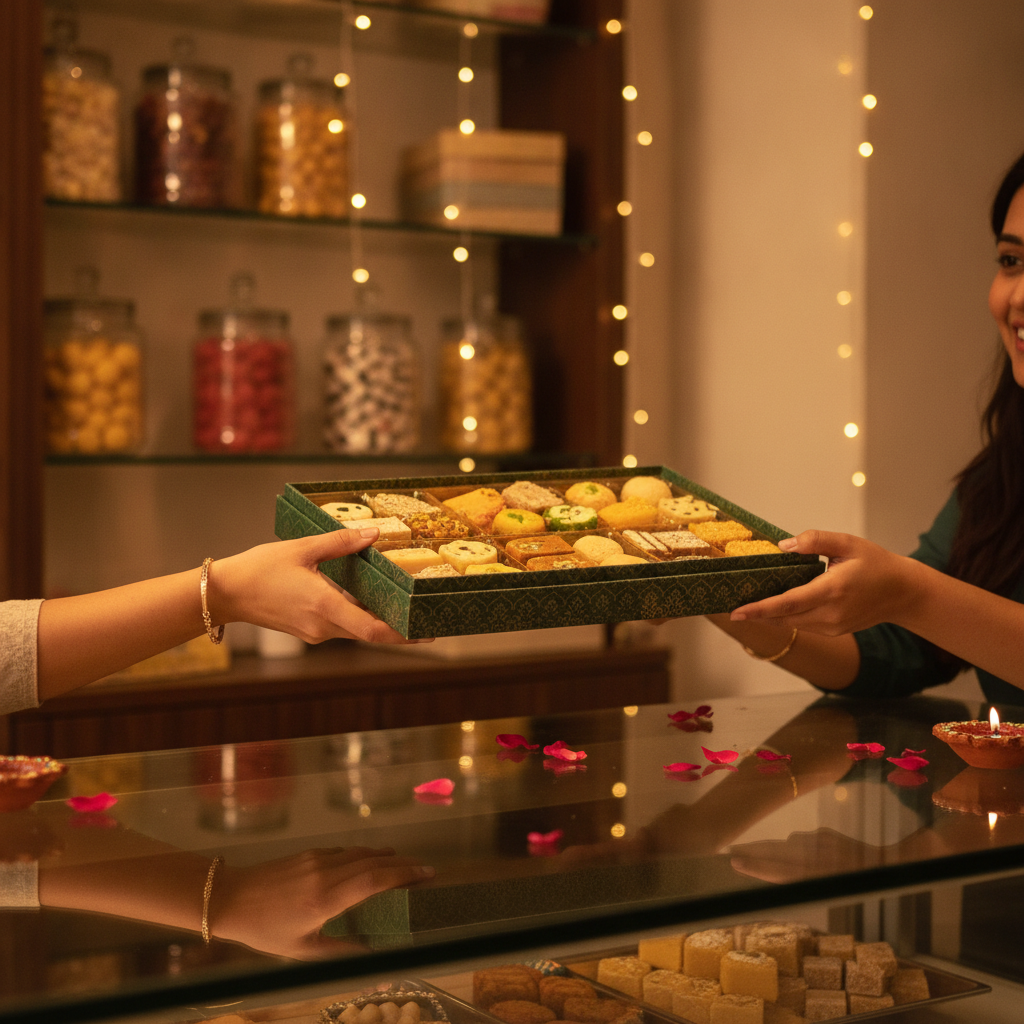
Case Studies and Real Examples
Successful Brampton events pair mithai variety with service timing. Wedding trousseau boxes balanced barfi and milk sweets; a Diwali office drop blended dry items for 5–7 day stability; a weekend chaat-and-mithai party sequenced hot savories before syrupy desserts for crisp texture at service.
Wedding gifting (elegance first)
- Brief: Elegant boxes for family distribution; zero flavor bleed during travel.
- Solution: 18-piece assortments kaju katli, pista barfi, motichoor, plus two milk-forward selections packed in chilled sleeves.
- Outcome: Clean edges on arrival; feedback highlighted balanced sweetness and aroma.
Office Diwali (easy distribution)
- Brief: 100-person team, staggered pickups across two days.
- Solution: 65–75% dry sweets (barfi, ladoo, pinni) and a limited run of gulab jamun kept warm at 130°F.
- Outcome: Zero texture loss; team favored nutty barfi for afternoon energy.
Weekend chaat party (hot-to-sweet flow)
- Brief: Family-style Chole Bhature, Dahi Bhalla, and Jalebi finale.
- Solution: Jalebi batter rested 30–45 minutes; syrup at one-to-two-string; service within 10–15 minutes of fry.
- Outcome: Crisp bite on jalebi; guests paired jalebi with rabri for contrast.
Want proven pairings? Our sweets and snacks guide outlines savory-to-sweet flows that keep palates engaged.
Why Source Mithai from a Fifth-Generation Halwai
Experience reduces risk. A fifth-generation halwai team manages sugar stages, frying curves, and resting times with discipline, so texture holds from kitchen to event. Consistency across batches is critical for weddings, festivals, and office drops in a city like Brampton.
- Heritage since 1938: Craft standards have been refined over decades of daily production.
- Ingredient integrity: Pure desi ghee and balanced sweetness reduce palate fatigue.
- Event savvy: planners get clear guidance on portions, timing, and display.
Tools and Authoritative Perspectives
Planning works best with simple checklists, box-size math, and reliable external perspectives on traditional sweets. Use flavor cards, insulated carriers, and tight pickup windows and review reputable overviews of Indian sweets and event food trends.
For context on how traditional sweets feature in community events, see this regional perspective from the Mississauga Convention Centre editorial team. Broader discussions of Indian food at celebrations appear across their Indian food features. For a home-style seasonal beverage tie-in, this Digital Bharat News article showcases flavor profiles that pair well with mithai.
Mid-article CTA: Planning a celebration in Brampton? Our halwai team can assemble balanced boxes, advise on serving temps, and coordinate mithai with chaats and snacks. Reach out via our website for a quick consult window.
Frequently Asked Questions: All Indian Sweets
These quick answers cover selection, storage, and event planning for mithai in Brampton, so you can act fast with confidence. Each response is direct, practical, and aligned to how our team prepares and packages sweets for real events.
How do I build a balanced mithai box for mixed tastes?
Mix textures and flavors: one creamy milk sweet, one nut-forward barfi, one syrupy classic, and one ladoo. Aim for 12–24 pieces per box, label allergens, and use separators. Plan 3–4 pieces per person for receptions, more if mithai is the main dessert.
What’s the best way to store milk-based sweets?
Refrigerate promptly and serve within 24–48 hours for peak texture. Keep at 36–40°F and bring to a cool room temperature for 10–15 minutes before serving to enhance aroma without losing structure.
Can I include hot syrup sweets in a corporate drop?
Yes—use insulated carriers and maintain 120–140°F for service. Pair with 65–75% dry sweets (barfi, ladoo, pinni) for stability across the workday. Label flavors and allergens for easy office distribution.
What are common mistakes when frying or soaking gulab jamun?
Frying too hot creates dark exteriors and raw centers. Keep oil at 300–325°F and fry 8–10 minutes. Soak in warm (not boiling) one-to-two-string syrup so absorption is even and the crumb stays soft.
Conclusion and Next Steps
Choose mithai by texture family, shelf life, and event flow. Balance creamy, nutty, and syrupy pieces; time pickups close to service; and label for clarity. In Brampton, a fifth-generation halwai team ensures authentic taste and presentation across boxes, trays, and catering.
- Key takeaways: plan 3–6 pieces per guest; chill milk sweets; keep syrup sweets at 120–140°F; protect edges with separators.
- Next steps: shortlist flavors, pick box sizes, set pickup windows, and confirm labels.
- CTA: Book a quick consultation with our halwai team to align assortments with your celebration.
Explore more textures, flavors, and seasonal picks in our milk desserts guide and the broader Indian sweets guide. We’ll help you translate this knowledge into a memorable Brampton celebration.