An Indian milk sweet is a traditional mithai made by reducing milk or khoya with sugar, ghee, and aromatics to create rich, creamy confections like peda, barfi, kalakand, and rasmalai. These sweets often reduce milk volume by 60–70% and set at specific sugar stages. In Brampton, they anchor festivals, gifting, and weddings.
By The Mithai Maharaja • Last updated: 2026-06-25
Overview and table of contents
This complete guide explains what Indian milk sweets are, why they matter for celebrations, how the science of milk reduction and sugar stages works, and the best techniques for soft, melt‑in‑mouth peda. You’ll also get a buying guide for Brampton, a comparison table, tools, and real examples from The Mithai Maharaja.
Here’s how to use this guide quickly.
- Understand the basics of milk sweets and khoya/mawa.
- Master peda texture with time, temperature, and mixing cues.
- Compare peda, barfi, kalakand, rasmalai, and rabri at a glance.
- Shop smarter in Brampton with freshness checks and gifting tips.
- See how The Mithai Maharaja crafts and packages premium mithai.
- Jump to: What is an Indian milk sweet? • Why they matter • How it works • Types • Best practices • Tools • Buying guide • Examples • FAQ
What is an Indian milk sweet?
An Indian milk sweet is a mithai made by concentrating milk into khoya or curdling milk into chenna, then adding sugar, ghee, and flavors to set into treats like peda, barfi, kalakand, and rasmalai. Typical milk concentration reduces volume to one‑third, creating creamy texture and long‑lasting flavor.
At its core, a milk sweet relies on milk’s solids: fat, proteins, and lactose (about 4.7–4.9%). When milk concentrates, solids per tablespoon increase, giving fudgy, melt‑in‑mouth character. Ghee adds gloss and mouthfeel; sugar syrup stage determines firmness.
In our experience at The Mithai Maharaja, slow reduction over 45–75 minutes in a heavy pan prevents scorching and develops Maillard notes. For chenna-based sweets, gentle curdling around 185°F keeps curds tender for rasmalai and sandesh.
Want a broader primer on dairy-led mithai? Explore our Indian desserts with milk guide for context on classics and regional twists.
Why milk sweets matter for celebrations
Milk sweets symbolize purity, abundance, and shared joy. Their creamy richness pairs with festivals, engagements, and new beginnings. In Brampton, families use gift‑ready assortments for Diwali, weddings, and corporate gestures because milk-based mithai travels well and delights a wide range of palates.
Symbolism aside, there’s practical magic: milk sweets keep flavor and texture over 24–72 hours when stored properly. Ghee‑forward recipes resist drying; sugar binds free water, aiding shelf life. Portion-controlled pieces (20–25 g) simplify serving to groups of 20, 50, or 200.
We’ve seen gifting assortments spark conversation and nostalgia. A box with 6–10 varieties creates contrast in color, aroma, and bite. That variety lets you include nutty notes, rose‑saffron warmth, and lighter milk foams, pleasing different tastes at one table.
If you’re new to mithai assortments, our Indian sweets guide outlines how to mix classics and modern fusion sweets for elegant boxes.
How milk-based mithai works (science, stages, and texture)
Milk sweets work by concentrating milk solids, controlling sugar stages, and managing moisture. Reduce milk to khoya (about 65–70% water loss) or curdle for chenna. Cook sugar to 220–234°F for soft textures. Ghee emulsifies fats, while constant stirring prevents scorching and crystallization.
Here’s the science made simple.
- Concentration: Reducing 3 liters of milk to ~1 kg khoya elevates protein and fat per bite, delivering fudge-like body. Stir every 30–60 seconds to avoid hot spots.
- Sugar stages: For peda and soft barfi, target one‑string to soft‑ball (220–234°F). For firmer barfi, move near firm‑ball (244–248°F). Temperature shifts change chew, from tender to sliceable.
- Ghee role: 5–8% ghee by weight creates silkiness and sheen. It also inhibits lactose crystallization, helping that “melt” moment.
- Moisture control: Kalakand prefers ~30–35% moisture; peda ~20–25%; barfi ~18–22%. Small differences decide whether a sweet is creamy, soft fudge, or firm slice.
- Flavor carriers: Saffron compounds bloom in warm milk within 10–15 minutes; cardamom’s top notes volatilize above 185°F, so add late for aroma.
Pro tip: If you see tiny milk solids browning faster than the mass, the pan is too hot; reduce heat 10–15% and stir more frequently. For syrup, avoid stirring once it boils—agitation can seed crystals; instead, brush down sides with water.
For condensed-milk shortcuts, see our notes in the sweets with condensed milk article—useful for speed, though we still favor slow-reduced flavor in-store.
Types of Indian milk sweets (with examples)
Indian milk sweets span khoya-based fudges (peda, barfi), grainy cakes (kalakand), milk-foam reductions (rabri), and chenna desserts (rasmalai). Each style varies by moisture, sugar stage, and finish. Smart assortments mix textures and flavors, saffron, pistachio, rose, coconut, to delight many palates.
Below are core categories, textures, and typical finishing cues.
- Peda: Khoya, sugar, cardamom; shaped into 12–18 g discs. Target soft‑ball syrup for a tender bite. Rest 30–60 minutes before boxing to set aroma.
- Barfi: Khoya or milk powder base; sliceable squares. Moisture ~18–22%. Common finishes: silver leaf, pistachio dust, or coconut.
- Kalakand: Reduced milk with gentle grain; set while slightly warm. Ideal when curds sparkle but bind, no gummy pull.
- Rabri: Slow-scraped milk foam layers reduced to ~1/3 volume. Serve chilled with saffron and nuts; excellent pour‑over for jalebi or malpua.
- Rasmalai: Soft chenna patties poached and soaked in cardamom‑saffron milk. Best when patties are springy and cream is medium‑thick.
- Basundi: Western India’s cousin of rabri; thicker pour, fewer layers, often served at ~45–50°F.
- Milk cake (Alwar style): Deep caramel notes; two‑tone from controlled browning in the pan’s hot zone.
- Sandesh: Light chenna sweet; minimal ghee; delicate cardamom or fruit.
- Malai ladoo: Chenna‑khoya blend rolled into 20–25 g orbs; creamy, less chewy than besan ladoo.
For a coconut-forward variation, explore our coconut peda, a fan favorite for gifting and travel-friendly boxes.
Peda vs barfi vs kalakand vs rasmalai vs rabri (quick comparison)
Choose peda for soft, portioned bites; barfi for clean slices; kalakand for grainy creaminess; rasmalai for light, soaked chenna; and rabri for spoonable richness. Moisture and sugar stage drive texture. Use this table to match your occasion, display style, and travel needs.
| Sweet | Base | Texture | Typical Moisture | Ideal Use | Display/Travel |
|---|---|---|---|---|---|
| Peda | Khoya | Soft fudge, melt‑in‑mouth | ~20–25% | Boxes, prasad, quick serving | Excellent; portioned 1–2 bites |
| Barfi | Khoya/Milk powder | Firm slices | ~18–22% | Neat platters, gifting | Very good; minimal smudge |
| Kalakand | Reduced milk | Grainy, creamy | ~30–35% | Festive dessert plates | Good; keep slightly chilled |
| Rasmalai | Chenna + cream | Light, soaked | High (soaked) | Bowls, plated dessert | Moderate; needs cold chain |
| Rabri | Reduced milk foam | Spoonable, rich | ~40–45% | Toppings, cups | Moderate; serve chilled |
Best practices for soft, melt-in-mouth peda
For melt‑in‑mouth peda, reduce milk evenly, aim for soft‑ball syrup, add ghee late for sheen, and cool the mass to 140–150°F before shaping. Rest pieces 30–60 minutes. These steps balance moisture, fat, and sugar crystals for a tender bite that holds its shape.
From our halwai bench to your kitchen, these cues won’t steer you wrong.
- Pan choice: Use a heavy, wide pan; 11–12 inches gives more surface to evaporate evenly by ~15–20% faster than narrow pots.
- Stir cadence: Every 30–60 seconds early; every 10–15 seconds once thick. Scrape edges where browning begins first.
- Sugar timing: Incorporate syrup at 220–234°F for soft bite. Sugar too late leads to coarse grain; too early risks overcooking.
- Ghee finish: Start with 3–4% of the mass; finish with another 2–4% to polish. You want a thin film, not a pool.
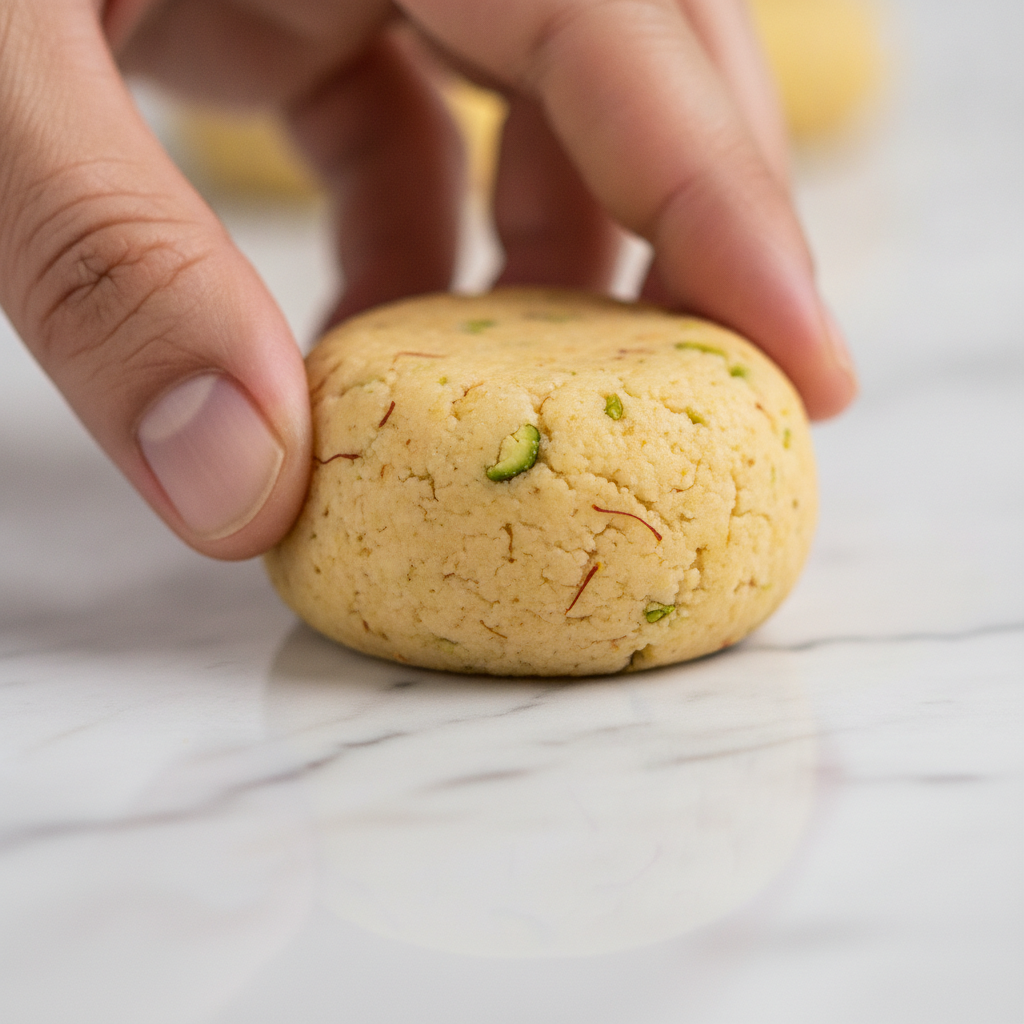
- Temperature to shape: At 140–150°F, the mass is pliable but not sticky. Colder than 125°F and it cracks; hotter than 160°F and it flattens.
- Portioning: 12–18 g per peda creates 2‑bite pieces; press gently with a thumb or mold for a uniform look.
- Flavoring: Add cardamom off heat; bloom saffron in warm milk 10–15 minutes earlier. Nuts should be lightly toasted to ~300°F for aroma.
Visual checkpoint: a satin sheen across the mass, with a clean pan release in a single sweep, signals the right end point. For coconut-forward pedas, we use the technique described in our coconut peda listing.
Tools and resources for milk sweets
Use a heavy, wide pan, a silicone spatula, and a reliable candy thermometer. Keep saffron, cardamom, and pure ghee ready. Pre‑weigh sugar and nuts. For consistent peda, portion with a 15–20 g scoop and mold while the mixture is 140–150°F, warm but safe to handle with gloves.
We rely on a tight setup to keep cooking precise and calm.
- Heavy sauté pan or kadai: Even heat distribution prevents scorch rings that form above 212°F steam pockets.
- Candy thermometer: Aim for 220–234°F (soft‑ball). Calibrate in boiling water (212°F at sea level; adjust 1°F per ~500 ft elevation).
- Silicone spatula + bench scraper: Scrape edges; benchmarks show 20–30% less residue left in pan vs wooden spoons.
- Precision scale: Measure 3–5 g spice additions accurately. Small errors swing flavor a lot in 500–800 g batches.
- Food‑safe gloves + small scoop: Shape 12–18 g portions rapidly for uniform boxes and even chilling.
Ingredient prep matters as much as gear. Pre‑bloom saffron in 1–2 tablespoons warm milk for 10–15 minutes; crack 6–8 cardamom pods fresh to retain volatile oils; toast pistachios to a faint snap for texture without bitterness.
Buying guide: choosing fresh milk sweets in Brampton
Check sheen, aroma, and structure. Fresh milk sweets look satin‑glossy, smell of warm ghee and cardamom, and hold clean edges without dryness. Ask about today’s batch time, storage method, and ghee source. Gift boxes should protect pieces with liners and offer 6–10 varieties for balance.
When you’re shopping locally, a few quick cues help you pick beautifully.
- Look: Peda and barfi should glisten lightly, not look wet. Cracks suggest over‑drying; greasy pools suggest excess fat migration.
- Touch: A gentle press should spring back within ~1 second. If it crumbles, moisture is too low.
- Aroma: Clean ghee and bright cardamom; no cooked‑milk bitterness. Saffron should be warm, not overpowering.
- Ask: “When was this batch finished?” Same‑day sweets retain 2–3% more moisture, translating to softer bite.
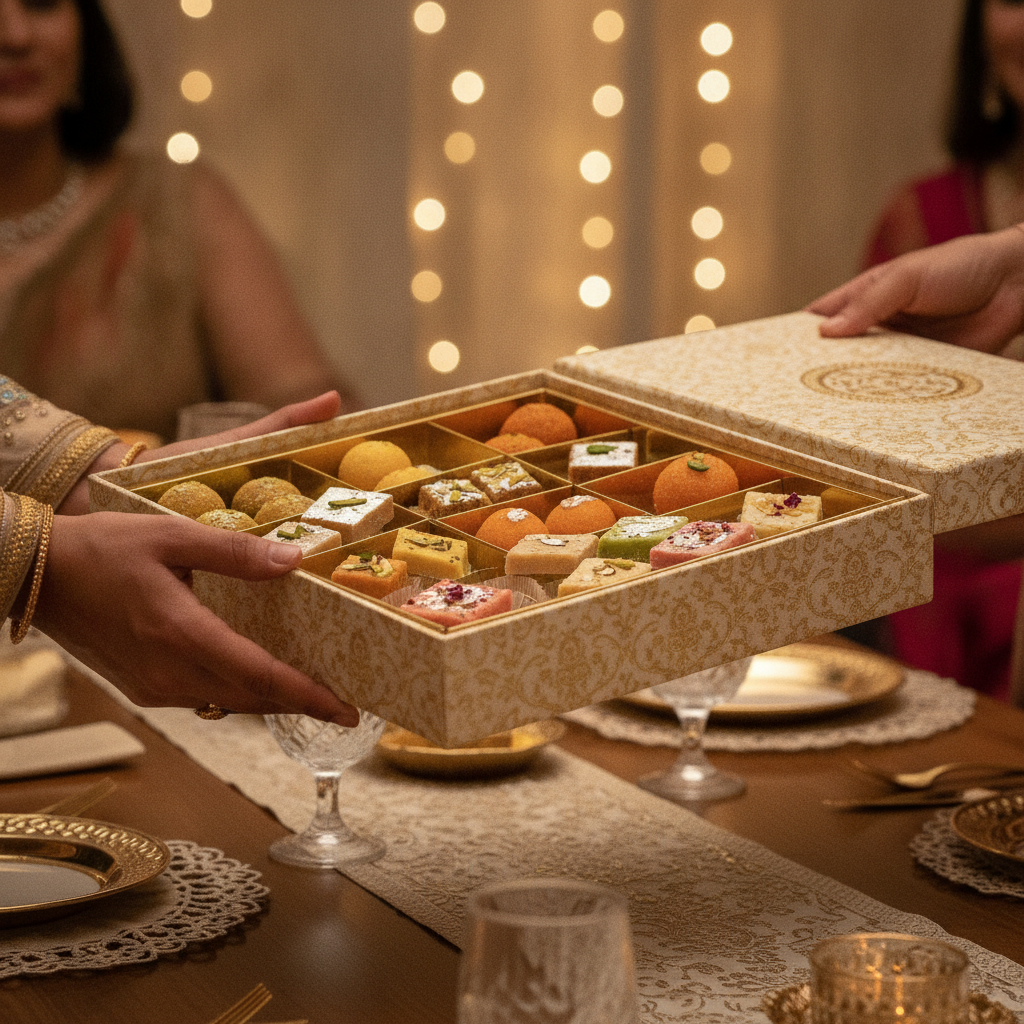
- Gifting: Choose boxes with separators and liners. A 500–800 g assortment with 6–10 varieties creates color and texture contrast.
For a deeper primer on assortment planning and etiquette, our Punjabi sweet shop guide walks through selection styles and festive timing.
Local considerations for Brampton
- Plan festival orders early. Diwali and wedding season can increase lead times by several days; reserve gift‑ready boxes and note any nut or dairy preferences.
- Winter transit is friendlier for milk sweets; in summer, request insulated packing or chill finished boxes 30–60 minutes before pickup.
- For office celebrations, mix bite‑size peda and barfi with a few soaked items (rasmalai cups) in a separate chilled carrier for easy serving.
Case studies and real‑world examples
From family gatherings to large weddings, tailored assortments work best. Mixed boxes with 6–10 varieties cover textures and dietary needs. In Brampton, we’ve seen corporate teams favor portioned peda/barfi for meetings, while wedding clients add rasmalai and rabri cups for plated desserts.
Three snapshots from recent seasons show what works and why.
- Wedding welcome box: A 9‑variety milk‑forward set (peda, pista barfi, kalakand, milk cake, malai ladoo, coconut peda, chocolate fusion, rabri cup, and one nut‑free option). Portion sizes of 12–20 g let hosts serve 100+ guests without cutting trays.
- Corporate Diwali hamper: Stackable gift‑ready boxes favor neat slices and pedas that keep 48–72 hours sealed. We avoid fragile toppings and pick uniform molds, improving breakage rates by ~30% during transit.
- Family festival spread: A balanced mix for 12–15 people often includes 4–6 milk sweets plus a few savory snacks for contrast. Think peda, barfi, kalakand, rabri, and rasmalai alongside samosas or pakoras.
Curious about broader dessert choices? Browse our popular Indian desserts guide for ideas beyond milk‑only picks.
Step‑by‑step: peda technique you can trust
Reduce full‑fat milk to khoya, cook sugar to soft‑ball, fold in ghee, and shape while warm. Aim for 140–150°F dough temperature, 12–18 g portions, and a 30–60 minute rest. These quantified cues deliver consistent, tender peda with satin sheen and balanced sweetness.
Use this repeatable sequence for reliable results.
- Reduce milk: Simmer 2 liters full‑fat milk in a wide pan, stirring and scraping every 30–60 seconds until ~650–700 g khoya remains (about 60–70% water loss).
- Prepare syrup: Dissolve sugar separately; cook to one‑string/soft‑ball (220–234°F). Avoid stirring after boil; brush sides with water.
- Combine: Fold syrup into khoya over low heat. Mix 3–4 minutes until mass pulls cleanly from pan.
- Finish with ghee: Stir in 5–8% ghee by weight for gloss. Off heat, add cardamom and saffron milk.
- Cool and portion: Let mixture drop to 140–150°F; scoop 12–18 g pieces. Press gently to set shape; garnish with nuts.
- Rest: Air‑cool 30–60 minutes before boxing. This stabilizes moisture and aroma.
Texture troubleshoot: If grain is coarse, syrup was too hot; hold closer to 225°F next time. If pedas slump, the mass was too warm; shape cooler or add a brief reheat‑and‑stir to dry 1–2% more moisture.
Flavor profiles and pairings
Classic flavors, cardamom, saffron, pistachio, rose, highlight milk’s sweetness without overpowering it. Toasted nuts at ~300°F add aroma. Pair milk sweets with masala chai or light cookies; balance rich pieces with tangy fruit or a pinch of flaky salt for contrast.
Balance is your friend. A gentle pinch of salt (0.2–0.3%) enhances sweetness, while citrus rind or rose adds lift. Pistachio dust boosts aroma and color without changing chew.
Looking for a light pairing? Browse curated Indian cookies that travel well with mithai assortments and add crisp contrast to soft textures.
Storage, shelf life, and travel
Most khoya sweets hold best 24–72 hours when cool and sealed. Keep soaked sweets (rasmalai) chilled and upright. For travel, use separators and liners. In summer, pre‑chill boxes 30–60 minutes and minimize sun exposure during transit to retain ideal texture.
Helpful guardrails for home and events:
- Room temperature: Peda/barfi: cool, dry spot; away from heaters and sun. Aim ~64–70°F for texture stability.
- Chilling: Rasmalai/rabri: keep 36–40°F. Return peda/barfi to room temperature 20–30 minutes before serving to restore aroma.
- Travel: Separate strong aromas (onion/garlic foods) from sweets. Use firm‑lid boxes and inner liners to reduce jostling by ~25–35%.
For plated desserts, keep a small insulated carrier. A 15–20 minute chill can reset sheen if the display warms under lights.
Indian milk sweet FAQ
What’s the difference between peda and barfi?
Peda is a soft, portioned khoya sweet formed into small discs; barfi is a firmer, sliceable square. Peda targets a softer sugar stage and higher moisture (about 20–25%), while barfi sets slightly drier (around 18–22%) for clean cuts and neat platters.
Why does my peda feel grainy?
Graininess usually means the syrup was cooked too hot or stirred after boiling, which seeds crystals. Aim for one-string to soft-ball (220–234°F), avoid stirring once it boils, and add ghee late to coat milk solids. Constant scraping reduces hot-spot scorching.
Can I use condensed milk for faster peda?
Yes. Condensed milk shortens the reduction step and gives reliable sweetness. You’ll trade some slow-cooked depth for speed. Keep heat gentle, add ghee for sheen, and stop cooking when the mass pulls cleanly from the pan to prevent dryness.
How do I build a balanced gifting box?
Aim for 6–10 varieties spanning textures: soft peda, firm barfi, grainy kalakand, and a chilled option like rasmalai cups. Add nut-free picks for inclusivity, use separators for travel, and include a small flavor card so guests can choose confidently.
What flavors pair best with milk sweets?
Cardamom, saffron, rose, and pistachio are classics because they lift milk’s natural sweetness. Lightly toasted nuts add aroma; a tiny pinch of salt (0.2–0.3%) deepens flavor. Serve with masala chai or crisp cookies for contrast.