Best Indian Mithai: How to Choose, Pair, and Gift Like a Pro
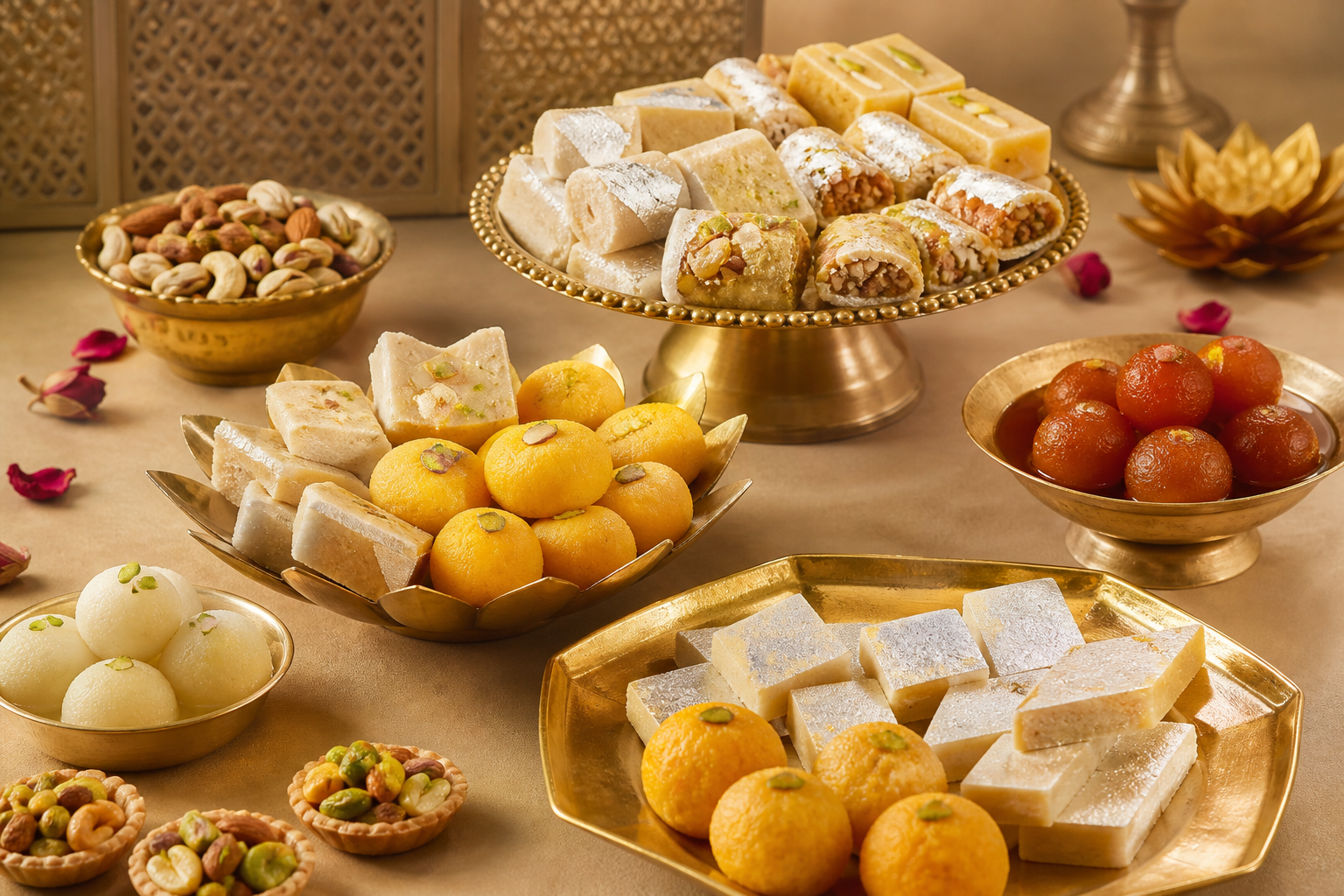
Searching for the best Indian mithai can feel overwhelming when every counter overflows with milk-based delicacies, nutty barfi, syrup-soaked gulab jamun, and modern fusion sweets. This guide gives you a clear, flavor-first way to identify quality, build balanced boxes, pair mithai with beverages, and store it so each bite tastes as intended. Whether you gravitate to classic Punjabi sweets like ladoo and pinni, or prefer creamy kalakand and inventive fusion flavors, you’ll learn how to choose with confidence for everyday cravings, festivals, and celebrations.
What counts as mithai?
Mithai is a broad family of Indian sweets that spans textures, techniques, and ingredients. Many of the most loved varieties are milk-based and ghee-forward, while others highlight nuts, semolina, or chana-based preparations. The following categories illustrate how diverse “the best Indian mithai” can be without narrowing it to a single style:
- Milk-based sweets: Dense, creamy confections built on reduced milk or paneer-style bases. Examples include kalakand and other milk-based delicacies with a fresh dairy aroma.
- Barfi treasures: Fudgy squares that can feature milk solids, nuts, or aromatic spices. Classic barfi emphasizes clean edges, a delicate sheen, and uniform density.
- Ladoo varieties: Round, bite-sized sweets shaped from ingredients like gram flour or semolina and enriched with ghee, often scented with cardamom.
- Gulab jamun: Soft, syrup-soaked spheres known for their tender crumb and balanced sweetness.
- Halwa and pinni: Spoonable or shaped sweets with toasty depth—think suji halwa or nut-forward pinni with a satisfying, wholesome bite.
- Fusion sweets: Contemporary twists that blend traditional techniques with modern flavors or formats, ideal for creating a standout assortment.
Within each group, quality comes down to balance, freshness, and craftsmanship—things you can sense through look, aroma, and mouthfeel when you know what to check.
How to judge quality before you buy
Use this quick inspection routine at the counter or on pickup to recognize well-made mithai:
- Visual cues: Even shapes and sizes signal careful handiwork. Barfi should have clean cuts without crumbling. Gulab jamun should be evenly browned, not too dark outside or pale inside. Ladoo should hold their shape without visible greasiness.
- Surface and sheen: A light, natural sheen from ghee is welcome; an oily film is not. For milk-based sweets, look for a smooth but slightly grainy texture typical of reduced milk rather than an overly pasty finish.
- Aroma: You should catch gentle notes of cardamom, saffron, roasted flour, or nuts—never a heavy, stale or rancid scent.
- Texture test (first bite): Barfi should be firm but not brittle; kalakand slightly moist with soft granules. Gulab jamun should be spongy and saturated without collapsing. Halwa should be glossy yet spoonable, with a cohesive, non-greasy feel.
- Sweetness balance: Great mithai finishes cleanly. If syrup drowns other flavors, complexity is lost; if sugar is too low, richness feels flat.
- Temperature and handling: Chilled items should be cool but not icy; warm items should be comfortably warm, not steaming. Well-handled trays are a positive sign.
When you can, try a small sample or start with a small assortment. Even one bite tells you about a maker’s overall approach—especially their restraint with sugar, balance of spices, and respect for texture.
Building the perfect assortment box
Variety is the secret to a memorable mithai box. Aim for a range of textures, shapes, and flavor notes:
- Creamy centerpieces: Include at least one milk-based sweet such as kalakand or a classic barfi for richness and visual appeal.
- Syrup-soaked indulgence: Add a couple of gulab jamun for soft, comforting sweetness that anchors the box.
- Nutty or toasty depth: Balance with halwa or pinni, which bring roasted notes and a more grounded, wholesome finish.
- Round bites for pacing: Ladoo provide pop-in convenience and break up the square shapes of barfi.
- Modern contrast: Include one fusion sweet to introduce novelty and a conversation starter.
Consider practical details too:
- Fragility: Keep delicate, syrupy pieces in a separate compartment so they don’t soften dry sweets.
- Allergies and preferences: Clarify nut usage and spice intensity before gifting.
- Portion planning: For casual sharing, estimate two to three pieces per person; for formal gifting, favor a visually balanced box over volume.
Pairing and serving tips that elevate every bite
The right pairing brightens flavors without amplifying sweetness:
- Chai pairings: Spiced chai complements gulab jamun and ladoo, letting cardamom sing. Keep chai moderately sweet to avoid overload.
- Coffee contrasts: A medium-roast coffee can cut through rich barfi or milk-based sweets with pleasant bitterness.
- Milk or lassi: Plain milk softens spiced sweets; unsweetened or lightly sweet lassi brings creamy tang that flatters halwa and pinni.
- Temperature matters: Serve gulab jamun warm for syrupy comfort; serve dense barfi slightly cool for clean edges and a refined bite.
For presentation, mix colors and shapes on a neutral platter. Use small separators or paper cups for syrupy or crumbly items. A restrained garnish—such as a few slivered nuts on the platter—keeps focus on the mithai itself.
Storage and freshness basics
Good storage preserves the craftsmanship you paid for:
- Short-term (same day to 24 hours): Keep boxes closed and cool, away from sunlight. Warm gulab jamun just before serving.
- Milk-based sweets: Store covered in the refrigerator. Bring to near-room temperature before serving so textures relax and aromas bloom.
- Dry-leaning items (pinni, some barfi): These often hold texture longer. Keep them airtight to protect aroma and prevent drying.
- Moisture control: Don’t refrigerate syrupy items uncovered—they can absorb fridge odors or crystallize. Use well-sealed containers.
- Separation: Keep syrup-soaked pieces in containers separate from dry sweets.
When in doubt, consume delicate, dairy-forward mithai sooner rather than later. Flavor peaks early; extended storage flattens spice notes and alters textures.
Festivals, gifting, and occasion-ready choices
The best Indian mithai for an occasion balances tradition, presentation, and practicality:
- Festivals and pujas: Choose ladoo, barfi, and milk-based classics in modest sizes for easy distribution.
- Weddings and celebrations: An elegant assortment with premium mithai and a modern fusion sweet creates a memorable, gift-ready experience.
- Corporate or host gifts: Favor visually consistent pieces and sturdy packaging that travels well.
- Children and mixed-age groups: Push for familiar flavors, simple spices, and smaller pieces.
Label the box when possible—especially nut-based items—and include simple serving tips so recipients enjoy the sweets at their best.
Taste like a pro: a simple, repeatable method
Use this four-step tasting method to compare options and zero in on your personal “best Indian mithai” standard:
- Assess appearance: Note uniformity, finish, and color cues (e.g., even browning on gulab jamun, clean cuts on barfi).
- Smell first: Inhale gently. Fresh dairy and warm spices should be identifiable but soft.
- Texture focus: Take a small bite and pause. Identify grain, crumb, syrup absorption, and ghee presence without greasiness.
- Flavor arc: Track sweetness, spice clarity, and finish. Great sweets end cleanly and invite another bite rather than saturating your palate.
Record quick notes if you’re choosing for a big event. You’ll quickly recognize the makers and styles that align with your taste and the needs of your guests.
Common mistakes to avoid
- Overloading on one texture: All fudgy or all syrupy pieces make a box feel monotonous.
- Ignoring temperature: Serving everything fridge-cold mutes aroma and stiffens textures.
- Skipping separation: Syrup can quickly soften dry items; use liners or compartments.
- Equating sweetness with quality: Balance, not intensity, is the hallmark of well-made mithai.
- Saving delicate dairy sweets too long: Prioritize fresh consumption for milk-based items.
Frequently asked questions
Which sweets belong in a “best Indian mithai” starter box?
Start with a milk-based sweet (such as kalakand) for creaminess, a couple of gulab jamun for syrupy comfort, a nutty or toasted option like pinni or halwa for depth, and a familiar crowd-pleaser like ladoo. Add one fusion sweet to introduce a modern accent without overwhelming the classics.
How do I keep textures intact if I’m traveling with mithai?
Use firm, compartmentalized packaging. Keep syrupy items separate and upright, and store milk-based pieces cool but not pressed against ice packs. Avoid direct sun or a hot car. If a brief chill is necessary, let sweets return near room temperature before serving.
What’s the easiest way to balance sweetness for a group?
Build a 50/30/20 split: about half creamy or milk-based pieces, around a third syrup-soaked or very sweet items, and the rest toasty or nut-forward options like pinni or certain barfi. Pair with lightly sweetened chai or neutral beverages to keep palates refreshed.
How should I serve gulab jamun for the best experience?
Warm them gently so the syrup loosens and aromas bloom. Serve in small bowls to contain syrup and spoon over a second piece if desired. Avoid overheating, which can toughen the exterior.
Are fusion sweets worth including in a traditional spread?
Yes—when used sparingly. A single fusion piece adds novelty and a modern talking point without overshadowing the classics. Keep the rest of the box rooted in familiar textures and flavors for balance.