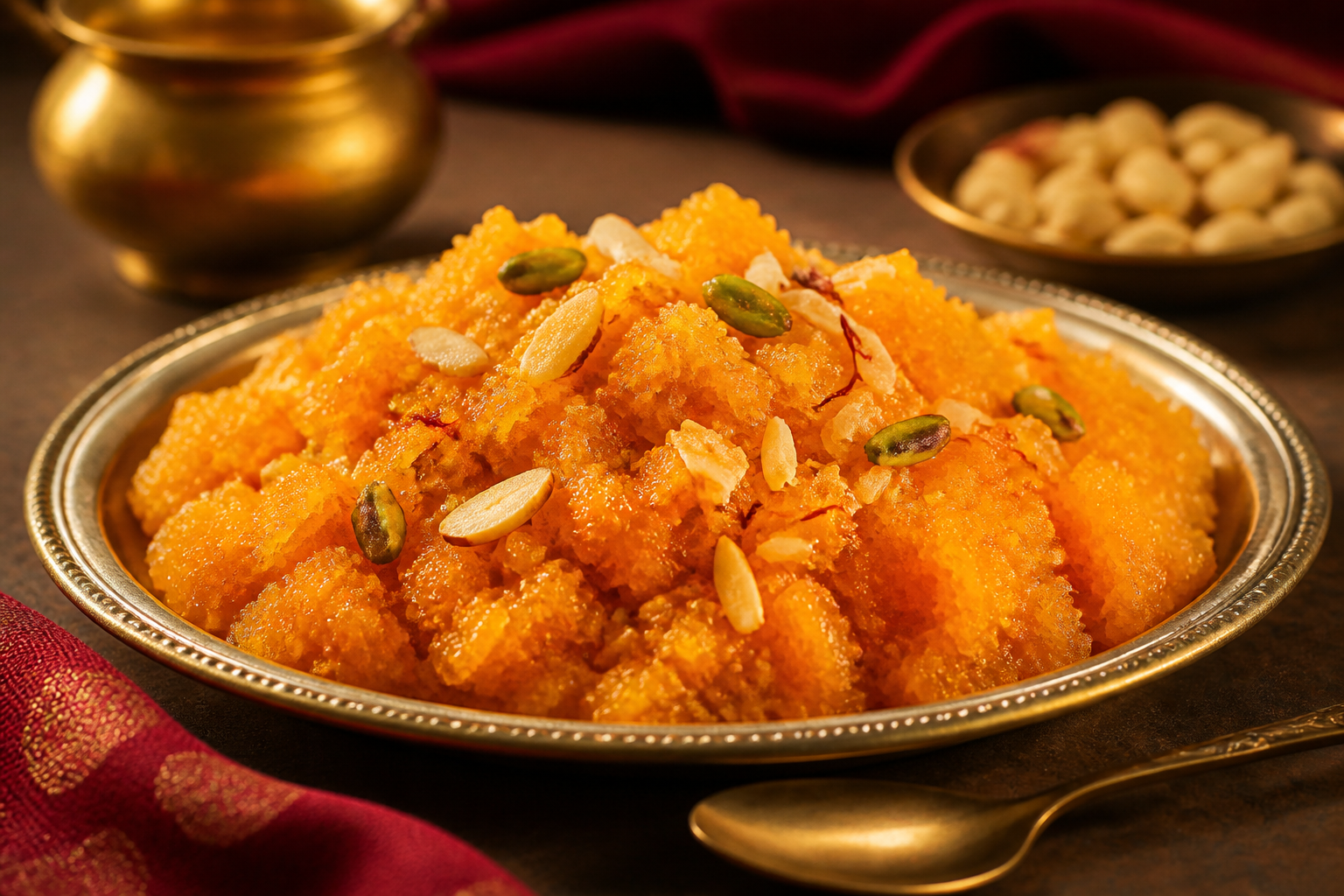
A Practical Guide to Halwa Indian Dessert
Halwa (also spelled halva) is one of the most comforting and versatile Indian desserts. Soft, rich, and fragrant, it spans many ingredients—from semolina and wheat flour to lentils, nuts, and carrots—yet follows a simple idea: slow-cooking a base with ghee, sweetener, and liquid until it transforms into a spoonable, aromatic treat. Whether you enjoy it at home, during festivals, or as part of a celebratory spread, understanding halwa’s foundations makes it easier to choose your favorite style or cook a satisfying batch yourself.
What is halwa?
In the Indian context, halwa refers to a family of desserts where a primary ingredient (the “base”) is sautéed in fat and then simmered with a sweetener and a liquid until it thickens. The method creates a silky, spoonable consistency and a deep, toasty aroma. The base can be grainy (such as semolina), flour-based (wheat or gram), starchy (starches extracted from cornflour or arrowroot), or even vegetable- and nut-based (carrot, bottle gourd, almonds, or cashews). Regional preferences, available produce, and cultural traditions all shape the version that ends up on your plate.
Though halwa is popular across South Asia and beyond, Indian halwa distinguishes itself by its generous use of ghee, cardamom, and garnishes like slivered nuts or raisins. The sweetness can range from subtly sweet to celebratory rich, and the texture can vary from soft and pudding-like to pleasantly chewy, depending on technique and ingredients.
Popular varieties across India
There are dozens of halwa types. Here are widely loved styles you’re likely to encounter and how they differ:
- Sooji (Semolina) Halwa: A classic made by roasting semolina in ghee, then simmering it with sugar syrup and often scented with cardamom. Its texture is soft yet granular, making it a go-to for quick celebrations and offerings.
- Atta (Whole Wheat Flour) Halwa: Toasty and comforting, this version uses whole wheat flour browned thoroughly in ghee before sweetening and thinning with water or milk. It’s hearty and deeply aromatic.
- Besan (Gram Flour) Halwa: Made with roasted chickpea flour, this halwa carries nutty notes and a creamy mouthfeel. The slow roast is essential to removing raw flavors and building a rich base.
- Gajar (Carrot) Halwa: A winter favorite in many regions, gajar halwa slow-cooks grated carrots with milk, ghee, and sugar until the milk reduces and the carrots turn glossy and tender.
- Moong Dal Halwa: Luxurious and aromatic, this variety is prepared by soaking and grinding split yellow moong dal, then roasting it patiently in ghee and finishing with milk or water and sugar. It’s celebrated for its indulgent texture.
- Badam or Kaju Halwa (Almond or Cashew): Nut-forward halwas start from nut pastes, producing an intense, smooth richness. They’re commonly flavored with cardamom and garnished with slivered nuts.
- Fruit and Vegetable Halwas: Beyond carrots, you’ll find halwas from bottle gourd (lauki), ash gourd, pineapple, banana, or even pumpkin. Each base brings distinct flavor and moisture, influencing cooking time and sweetness.
- Karachi Halwa (Bombay Halwa): A translucent, chewy confection made with starch (often cornflour), ghee, sugar, and flavorings. Unlike spoonable halwas, this sets into firm pieces with a delightful bite.
Many households and regional sweet shops keep their own signature touches—perhaps a hint of saffron, a splash of rosewater, or a garnish pattern unique to family tradition. Exploring across styles is part of the joy of halwa.
Ingredients and technique that define halwa
Most halwas rely on four building blocks. Understanding each helps you choose and troubleshoot any recipe:
- Base: Semolina, whole wheat flour, gram flour, lentils, carrots, bottle gourd, nuts, or starches. The base determines the core texture: granular for semolina, creamy for lentils, velvety for nut pastes, and chewy for starch-based confections.
- Fat: Ghee is traditional and prized for its aroma and high smoke point, which allows thorough roasting without burning. Neutral oils or plant-based fats can work, though flavor will differ.
- Liquid: Water, milk, or a mix. Milk brings body and a dairy sweetness; water keeps flavors crisp and the texture lighter. Some recipes combine both.
- Sweetener: Granulated sugar is common, but jaggery or other sugars can be used depending on the desired flavor and color.
Technique is as important as ingredients:
- Roasting the base: This step unlocks aroma and prevents a raw taste. Stir patiently over medium heat until the color deepens and the kitchen fills with a nutty fragrance.
- Managing the syrup or liquid: For semolina and flour-based halwas, many cooks prepare a hot liquid (water or milk with dissolved sugar) and add it to the roasted base. Adding hot liquid helps reduce lumps and speeds up absorption.
- Constant stirring: Halwa thickens quickly. Stir continuously to prevent sticking or scorching, especially once the liquid is added.
- Finishing touches: Cardamom powder is classic. Saffron, rosewater, or kewra water are occasional additions. Toasted nuts and raisins can be folded in or sprinkled on top.
Texture cues are your best guides: halwa that leaves the sides of the pan, looks glossy, and holds shape on a spoon is usually ready. Overcooking can make it greasy or dry; undercooking can leave it pasty.
Serving, pairing, and presentation ideas
Halwa adapts readily to occasion and mood. Here are simple ideas for how to serve it well:
- Temperature: Serve warm for a plush, comforting feel. Many halwas also taste great at room temperature; nut and starch-based ones can even be enjoyed slightly chilled.
- Portioning: Spoon into small bowls for a homestyle touch, or spread in a shallow tray and garnish evenly for a buffet or celebration.
- Garnishes: Slivered almonds, pistachios, and cashews add crunch. A pinch of cardamom powder or a few saffron strands elevate aroma. Golden raisins bring sweetness and color contrast.
- Pairing with savory foods: Many people enjoy halwa alongside lightly spiced savory dishes or snacks to balance richness and sweetness.
- Accompaniments: A small cup of chai or coffee complements halwa’s warmth and helps cut through richness.
- Make-ahead trays: For gatherings, prepare halwa in advance and rewarm gently before serving. Save garnish for just before it reaches the table to maintain texture and color.
Presentation matters. Neat edges, a restrained garnish, and serving in small, elegant bowls can make a familiar dessert feel special without extra effort.
Storage, shelf life, and reheating tips
Halwa keeps well, but its storage needs vary by base and dairy content. These general tips help maintain flavor and texture:
- Cooling: Let halwa cool until just warm before covering. Sealing while piping hot can cause condensation and watery edges.
- Refrigeration: For milk-based halwas (like gajar halwa cooked with milk), refrigeration is prudent. Keep in an airtight container. Grain or lentil halwas without milk generally store well refrigerated, too.
- Freezing: Many halwas freeze acceptably in small, airtight portions. Leave headspace in containers. Thaw overnight in the refrigerator.
- Reheating: Warm gently on the stovetop over low heat or in short microwave bursts, stirring between intervals. If the texture seems stiff, sprinkle in a few teaspoons of water or milk to loosen.
- Freshen garnish: Add a touch of ghee and a pinch of cardamom after reheating, then garnish just before serving for a made-fresh feel.
As with any dessert, always use your senses. If something smells off or the texture has separated unusually, it’s best to make a fresh batch.
Nutrition and dietary notes
Halwa is a celebratory dessert, typically rich in ghee and sugar. If you are following a particular dietary plan or have medical considerations (for example, managing blood sugar, allergies, or intolerances), consult a qualified healthcare professional for advice tailored to your needs. The following general notes are informational and not a substitute for professional guidance:
- Sweetness: Recipes can often be adjusted slightly to taste. Less sugar will change the gloss and set but can still be enjoyable.
- Fats: Traditional recipes use ghee for flavor and texture. Substituting with other fats may alter taste and mouthfeel.
- Allergens: Common allergens include dairy (milk, ghee), nuts (almonds, cashews, pistachios), and gluten (wheat-based halwas). Always verify ingredients if you have sensitivities.
- Gluten-free options: Halwas made from besan, moong dal, nuts, or certain starches can be prepared without gluten-containing ingredients if all components are verified gluten-free.
Buying checklist: how to choose halwa you’ll love
When you’re selecting halwa from a sweet shop, a caterer, or a buffet, these cues help you identify styles and quality you’ll enjoy:
- Know your base: Decide whether you want something granular (sooji), creamy (moong dal), nutty (besan), or vegetable-forward (gajar, lauki). The base sets the experience.
- Check aroma and color: Pleasantly toasty aroma and an even, natural color usually indicate proper roasting and careful cooking.
- Observe texture: Spoonable, not greasy or dry. Halwa should hold gentle mounds without pooling oil.
- Ask about ingredients: If you have dietary needs, confirm the presence of milk, ghee, nuts, or gluten. Clarify whether any flavorings (like rose or kewra) were used.
- Consider sweetness level: Shops and homes vary in sweetness. If possible, taste a small sample or ask about the profile—subtle, balanced, or festive-rich.
- Freshness and storage: For milk-based or moist halwas, recent preparation and proper refrigeration matter. Ask how it was stored and for how long.
- Presentation and portioning: For events, look for neat garnish, consistent cuts (for set styles), and packaging that protects texture.
Keeping this checklist handy ensures you bring home halwa that aligns with your preferences and the occasion.
Troubleshooting common halwa issues (and quick fixes)
- Lumpy texture: Add hot liquid gradually while stirring vigorously. For semolina, pre-warm the liquid and pour in a thin stream.
- Greasy halwa: Too much fat or overcooking can cause oil to separate. Fold in a splash of hot water or milk and stir over low heat to re-emulsify, then stop cooking as soon as it comes together.
- Raw taste: The base wasn’t roasted enough. In future batches, extend roasting on moderate heat, stirring constantly to deepen aroma without burning.
- Too sweet: Balance by adding more base if possible (for example, a small amount of pre-roasted semolina) and liquid, then cook to the right consistency. For finished halwa, a sprinkle of toasted nuts and a pinch of salt can curb perceived sweetness.
- Too dry or stiff: Work in hot water or milk a tablespoon at a time over low heat until it loosens to your liking.
Like many traditional desserts, halwa rewards patience and attentiveness. Trust sensory cues—aroma, color, and the way it pulls from the pan—to guide your process.
Frequently asked questions
What does “halwa” mean and where did it originate?
“Halwa” broadly refers to a family of sweet confections. In India, the term commonly describes a dessert made by sautéing a base in fat and then simmering with a sweetener and liquid until thick and aromatic. Historical culinary exchanges across West Asia, Central Asia, and the Indian subcontinent produced many related sweets, with India developing its own distinct halwa traditions using ghee, cardamom, and local ingredients.
How is Indian halwa different from Middle Eastern sesame halva?
Indian halwa is typically a warm, spoonable dessert made from roasted grains, flours, lentils, vegetables, nuts, or starches cooked with ghee and sugar. Middle Eastern sesame halva (often spelled halva) is usually a firm, sliceable confection based on tahini (sesame paste) and sugar syrup, with a flaky, melt-in-the-mouth texture. Both share a name and sweetness but differ in technique, ingredients, and mouthfeel.
Is halwa gluten-free?
What’s the best fat for halwa—can I make it without ghee?
Ghee is traditional for its rich flavor and high smoke point, which helps with even roasting. You can substitute other fats, but expect a different aroma and mouthfeel. If you choose a neutral oil or plant-based fat, keep the heat moderate and consider adding flavorful garnishes (like toasted nuts and cardamom) to enhance the final result.
How sweet should halwa be?
Sweetness is a matter of preference and occasion. Everyday halwa may be gently sweet, while festive versions tend to be richer. You can usually reduce sugar modestly, though it may slightly alter texture and sheen. Taste as you go and adjust within reason.