Chole Bhature authentic recipe refers to a step-by-step North Indian method for making fluffy, crisp bhature and tangy, spiced chickpea curry at home. It uses leavened dough, high-heat frying, and a slow-simmered chole masala built on onions, tomatoes, and whole spices for deep, restaurant-level flavor.
By The Mithai Maharaja • Last updated: 2026-04-13 • Brampton, ON
Above-Fold: Hook, Summary, and Table of Contents
Make chole bhature that stays fluffy, crisp, and deeply spiced by balancing fermentation time, oil temperature, and a well-built chole masala. This guide distills fifth-generation halwai technique from The Mithai Maharaja into simple, repeatable steps with grams, timing, and troubleshooting for consistent results at home.
Quick Summary
- Outcome: Puffy, crisp bhature + bold, tangy chole that tastes like Delhi/Punjab street stalls.
- Keys to success: Rested dough (2–4 hours), 356–365°F frying, tea-infused chole, and spice blooming.
- What you’ll get: Precise steps, grams, a troubleshooting table, and pro tips used by a fifth-generation halwai family.
- Local angle: Stop by our Brampton kitchen for fresh Chole Bhature or use this guide to master it at home.
Quick Answer
To make an authentic chole bhature at home, soak and pressure-cook chickpeas, bloom whole spices, and simmer in a tea-tinted gravy; then fry rested, leavened bhature at 356–365°F. In Brampton, The Mithai Maharaja at 2500 Williams Pkwy serves halwai-style chole bhature daily if you’d like to taste the benchmark.
- What Is Chole Bhature?
- Why Authentic Technique Matters
- How the Process Works (Science + Timing)
- Methods & Variations (Delhi vs Punjab, Yeast vs Yogurt)
- Best Practices from a Fifth-Generation Halwai
- Tools & Pantry Checklist
- Chole Bhature Authentic Recipe: Step-by-Step
- Mini Case Studies & Real-World Examples
- FAQ
- Key Takeaways
- Conclusion & Next Steps
Local Tips
- Tip 1: If you’re picking up fresh chole bhature on weekends, plan your route via Hwy 410 and Williams Pkwy; parking near Units 6 & 7 is easiest right after opening and mid-afternoon.
- Tip 2: Festival weeks (Diwali, Vaisakhi) are peak. Order ahead online to avoid waits and to add mithai gift boxes with your meal.
- Tip 3: For parties in the GTA, ask our team about catering trays; pair with Bhalla Papdi Chaat to balance textures and spice levels.
IMPORTANT: These tips reflect our Brampton operations and popular guest patterns.
What Is Chole Bhature?
Chole Bhature is a Delhi/Punjab classic combining spiced chickpea curry (chole) with deep-fried leavened bread (bhature). The best versions balance tang, heat, and umami in the curry while delivering bhature that puff, stay crisp outside, and remain tender inside for ideal scooping.
-
Core components:
- Chole: Chickpeas simmered with onion, tomato, ginger-garlic, whole and ground masalas, and a tart finish (amchur or anardana).
- Bhature: A soft, fermented dough (yogurt + leavener) rolled and fried until ballooned and golden.
-
Why this combo works:
- Texture contrast: Crisp, flaky exterior meets creamy, saucy chole.
- Flavor layering: Bloomed spices, caramelized onions, and a souring agent create restaurant-level depth.
- Regional roots: Widely loved across Delhi and Punjab; The Mithai Maharaja’s lineage traces back to Phagwara (since 1938), so our method preserves halwai-era balance.
- Serving style: Often plated with pickled onions, green chilies, lemon wedges, and a cooling lassi; see our house chole bhature for reference.
In our experience, most home struggles stem from underproofed dough and underdeveloped chole flavor. Both are solvable with time and heat controls you’ll learn below.
Why Authentic Technique Matters
Authentic technique ensures you control fermentation, spice extraction, and moisture so bhature puff reliably and chole tastes layered, not flat. Following halwai steps—resting dough, blooming spices, and finishing with tartness—produces consistent, restaurant-grade results at home.
-
Consistency beats luck:
- Resting dough 2–4 hours increases gas retention for taller puffs.
- Oil at 356–365°F reduces oil absorption and keeps bhature crisp for 10–15 minutes.
-
Flavor architecture:
- Whole spices release volatile oils during blooming; skipping this step is a top reason chole tastes “muted.”
- A tea bag during simmer deepens color without artificial additives.
- Halwai wisdom from Brampton to Phagwara: Our fifth-generation heritage emphasizes “little hinges swing big doors”—10 extra minutes of bhuna (sauté) often transforms the curry.
- Benchmark tasting: If you’re unsure about target flavor, try the dish at our Brampton kitchen, then cook this guide to match that profile at home.
Here’s the thing: great chole bhature is more process than secret ingredient. Once the sequence is right, your results stabilize.
How the Process Works (Science + Timing)
Soak chickpeas 8–12 hours, pressure-cook to soft, and build a masala by caramelizing onions, blooming spices, and reducing tomatoes. For bhature, ferment a yogurt-enriched dough, then fry rolled discs in 356–365°F oil so steam inflates pockets for a lasting puff.
-
Chickpea prep:
- Soak: 8–12 hours hydrates chickpeas for even cooking and creamy centers.
- Cook: Pressure until just tender; reserve the cooking liquid for adjusting curry body.
-
Masala building blocks:
- Onion bhuna: Medium-low heat until deep golden; this is your sweetness and umami.
- Spice bloom: Whole spices first (bay, cumin, black cardamom), then ground; fat carries flavor into the sauce.
- Tomato reduction: Cook until oil separates; acidity softens and concentrates.
-
Bhature dough science:
- Leavening: Yogurt + baking powder/soda (or a pinch of yeast) create CO₂ and tenderize gluten.
- Rest: 2–4 hours relaxes gluten so discs roll evenly and puff uniformly.
-
Frying physics:
- Oil temp: At ~360°F, surface starches set fast, trapping steam that balloons the bread.
- Turn once: Gentle pressing with a slotted spoon encourages full inflation without tearing.
When you align hydration, heat, and time, both components harmonize: bhature stay crisp as the chole remains glossy and spoonable.
Methods & Variations (Delhi vs Punjab, Yeast vs Yogurt)
Use a yogurt-baking soda/powder dough for classic bhature or a pinch of yeast for extra lift. For chole, Delhi leans tangier with amchur/anardana, while Punjabi styles often add tea for color and whole spices for warmth. Choose based on taste and available time.
-
Bhature leavening options:
- Yogurt + baking soda/powder: Traditional, fast, and reliable for 2–4 hour rests.
- Pinch of yeast: Adds loft and a slight fermented note; proof 60–90 minutes in a warm spot.
-
Chole profiles:
- Delhi-leaning: Brighter tang with amchur; slightly lighter body.
- Punjabi-leaning: Tea-infused, toasty spices, thicker sauce with some chickpeas mashed for gloss.
-
Cooking vessels:
- Pressure cooker/Instant Pot: Speed with consistency; reserve liquid for sauce control.
- Heavy pot: More evaporation for a thicker, rustic finish; stir often to prevent scorching.
-
Companion dishes:
- Try our Amritsari Kulcha with Chana if you prefer baked bread with chole spice notes.
- For a crunchy, tangy starter, see Chaat Papdi—it highlights the same spice logic with crisp textures.
Different paths, same destination: balanced flavor and happy eaters. Pick the lane that fits your schedule.
Best Practices from a Fifth-Generation Halwai
For bhature, rest dough 2–4 hours and fry at 356–365°F, pressing gently to help it balloon. For chole, brown onions well, bloom whole spices, and finish with tartness (amchur/anardana) and a pat of ghee for gloss. These habits raise home results to halwai level.
-
Dough discipline:
- Hydration around 58–60% (by weight) keeps dough soft yet handleable.
- Oil your hands and bowl; covered rest avoids surface crusting.
-
Temperature truth:
- Use a thermometer; visual cues are inconsistent across pans and stoves.
- Recover heat between fries; don’t stack raw discs in humid air—they stick and deform.
-
Spice strategy:
- Toast and crack whole spices before grinding for fresher aroma.
- Bloom garam masala briefly at the end; long cooking dulls top notes.
-
Finish like a pro:
- Add a small knob of desi ghee at the end for shine and roundness.
- Rest chole 10 minutes off heat; flavors meld and thicken naturally.
We’ve found these small tweaks deliver big, repeatable wins for home cooks and catering teams alike.
Tools & Pantry Checklist
Use a heavy pot or pressure cooker for chickpeas, a deep, stable frying vessel for bhature, and a thermometer to verify oil at 356–365°F. Stock whole spices, amchur or anardana, and quality flour and yogurt for consistent dough and bright, layered chole.
-
Core tools:
- Pressure cooker/Instant Pot or heavy Dutch oven
- Wide, deep kadai or Dutch oven for frying + slotted spoon
- Digital thermometer; bench scraper; rolling pin
-
Halwai pantry:
- Whole spices: cumin, bay leaves, black cardamom, cinnamon, cloves
- Ground spices: coriander, Kashmiri chili, turmeric, garam masala, amchur/anardana
- Flour, fine semolina (optional), plain yogurt, neutral oil, desi ghee
-
Serving add-ons:
- Pickled onions, green chilies, lemon wedges, fresh cilantro
- Cooling lassi or chai; pair with Channa Samosa Chaat for a textural duet.
Outfitting your kitchen once pays off every time you fry or simmer.
Chole Bhature Authentic Recipe: Step-by-Step
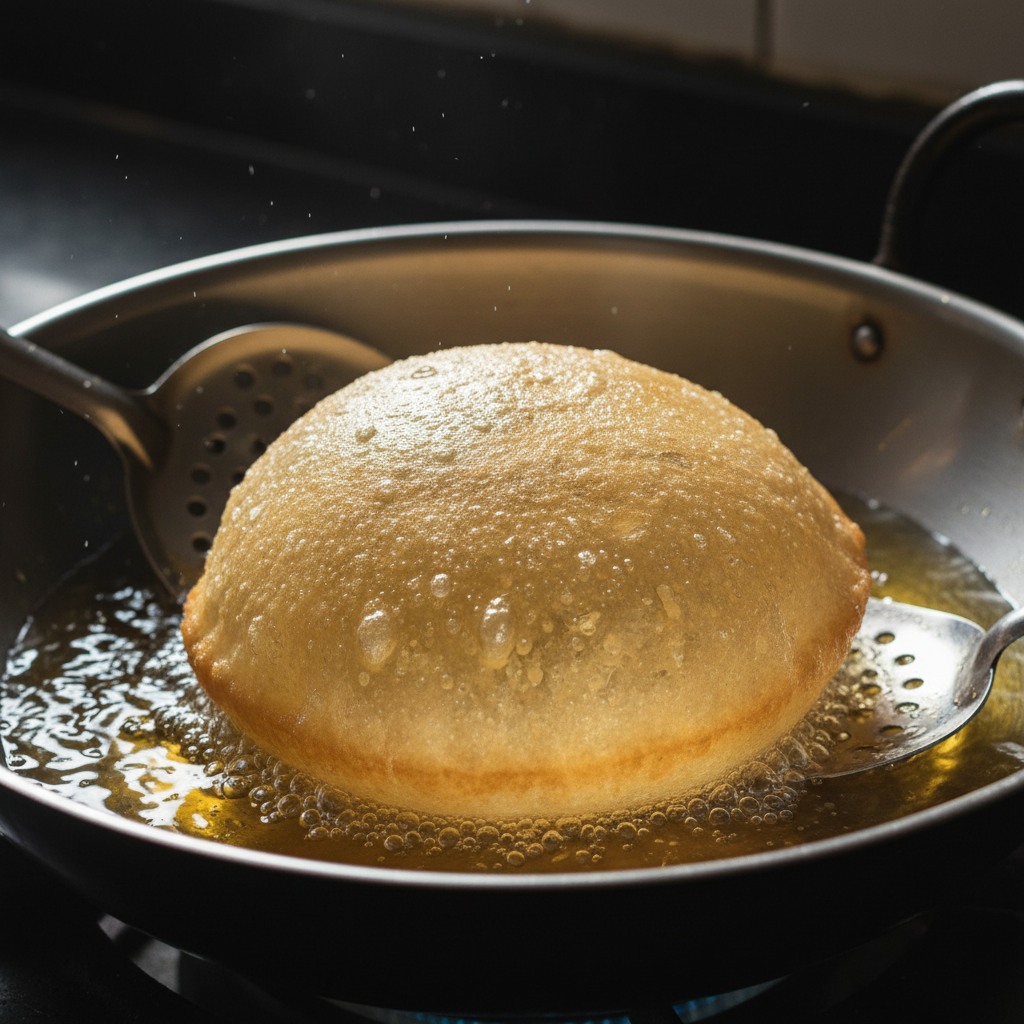
This authentic chole bhature recipe uses soaked chickpeas, whole-spice blooming, and a yogurt-leavened dough. Follow the grams, timings, and temperatures below to produce puffed, crisp bhature and a glossy, tangy chole that mirrors a professional halwai kitchen.
Ingredients (Serves 4)
-
For Chole:
- Dry chickpeas: 250 g (about 1 1/4 cups), soaked 8–12 hours
- Onions, finely chopped: 250 g (about 2 medium)
- Tomatoes, crushed: 300 g
- Ginger-garlic paste: 20 g
- Whole spices: 2 bay leaves, 1 black cardamom, 1-inch cinnamon, 4 cloves, 1 tsp cumin seeds
- Ground spices: 2 tsp coriander, 1 tsp Kashmiri chili, 1/2 tsp turmeric, 1 tsp garam masala
- Amchur powder: 1–1.5 tsp (or 2 tsp crushed anardana)
- Black tea bag: 1 (optional, for color)
- Neutral oil: 3 tbsp; Desi ghee: 1 tbsp (finish)
- Salt: to taste; Fresh cilantro: for garnish
-
For Bhature:
- All-purpose flour: 350 g
- Fine semolina (optional for extra crispness): 25 g
- Plain yogurt: 120 g
- Neutral oil: 15 g (plus more for frying)
- Sugar: 5 g (feeds fermentation)
- Salt: 6 g
- Baking powder: 5 g; Baking soda: 2 g (or use 3 g instant yeast instead of soda/powder)
- Water: ~180–200 g (add gradually to reach a soft, non-sticky dough; target ~58–60% hydration)
- To Serve: Pickled onions, green chilies, lemon wedges, cilantro, and lassi.
Step 1 — Soak & Cook Chickpeas
- Rinse chickpeas well and soak in 3x water for 8–12 hours.
- Drain, rinse, and pressure-cook with fresh water and 1/2 tsp salt until tender but not split (Instant Pot: Manual/High 25–30 minutes; stovetop cooker: 6–7 whistles). Reserve cooking liquid.
- Optional: Drop in a tea bag during the last 10 minutes for deeper color; discard after cooking.
Step 2 — Build the Chole Masala
- Heat oil in a heavy pot; add cumin, bay, black cardamom, cinnamon, cloves. Bloom until fragrant (20–30 seconds).
- Add onions with a pinch of salt; cook medium-low until deep golden (10–15 minutes).
- Stir in ginger-garlic; cook 60–90 seconds until raw edge fades.
- Add tomatoes; cook down, stirring, until oil separates and the mix darkens (8–12 minutes).
- Add coriander, chili, turmeric; sauté 60 seconds. Add cooked chickpeas and 1–1.5 cups reserved liquid.
- Simmer 15–20 minutes; mash a small handful of chickpeas against the pot walls to thicken.
- Finish with amchur (or anardana) and garam masala; adjust salt. Stir in 1 tbsp ghee off heat. Rest 10 minutes.
Step 3 — Make & Rest Bhature Dough
- Whisk dry ingredients (flour, semolina, salt, sugar, baking powder/soda).
- Add yogurt and oil; drizzle water gradually and knead 6–8 minutes to a soft, smooth dough.
- Coat lightly with oil; cover and rest 2–4 hours at warm room temp (or 60–90 minutes if using yeast).
Step 4 — Roll & Fry Bhature
- Divide into 10–12 balls (about 35–40 g each). Keep covered so they don’t crust.
- Preheat oil to 356–365°F (180–185°C) in a deep, stable pan.
- Roll one ball into a 5–6 inch disc. Slip into oil; immediately spoon hot oil over the surface to encourage a puff. Turn once; fry to golden.
- Drain upright to shed excess oil; repeat, letting temperature recover between fries.
Step 5 — Plate & Serve
- Serve chole in warmed bowls, topped with cilantro. Add bhature, pickled onions, lemon wedges, and green chilies.
- For a benchmark, compare with our Brampton favorite: house chole bhature.
| Issue | Likely Cause | Quick Fix |
|---|---|---|
| Bhature won’t puff | Oil too cool; under-rested dough; discs too thick/thin | Verify 356–365°F; extend rest 30–60 min; roll to 5–6 inches |
| Greasy texture | Oil below 350°F; overfrying | Heat to ~360°F; turn once; drain upright on a rack |
| Flat-tasting chole | Skipped spice bloom; under-browned onions; no acid | Reheat with 1 tsp oil; rebloom spices; add amchur/anardana |
| Too thin chole | Too much liquid; no mash | Simmer open; mash a handful of chickpeas to thicken |
Mini Case Studies & Real-World Examples
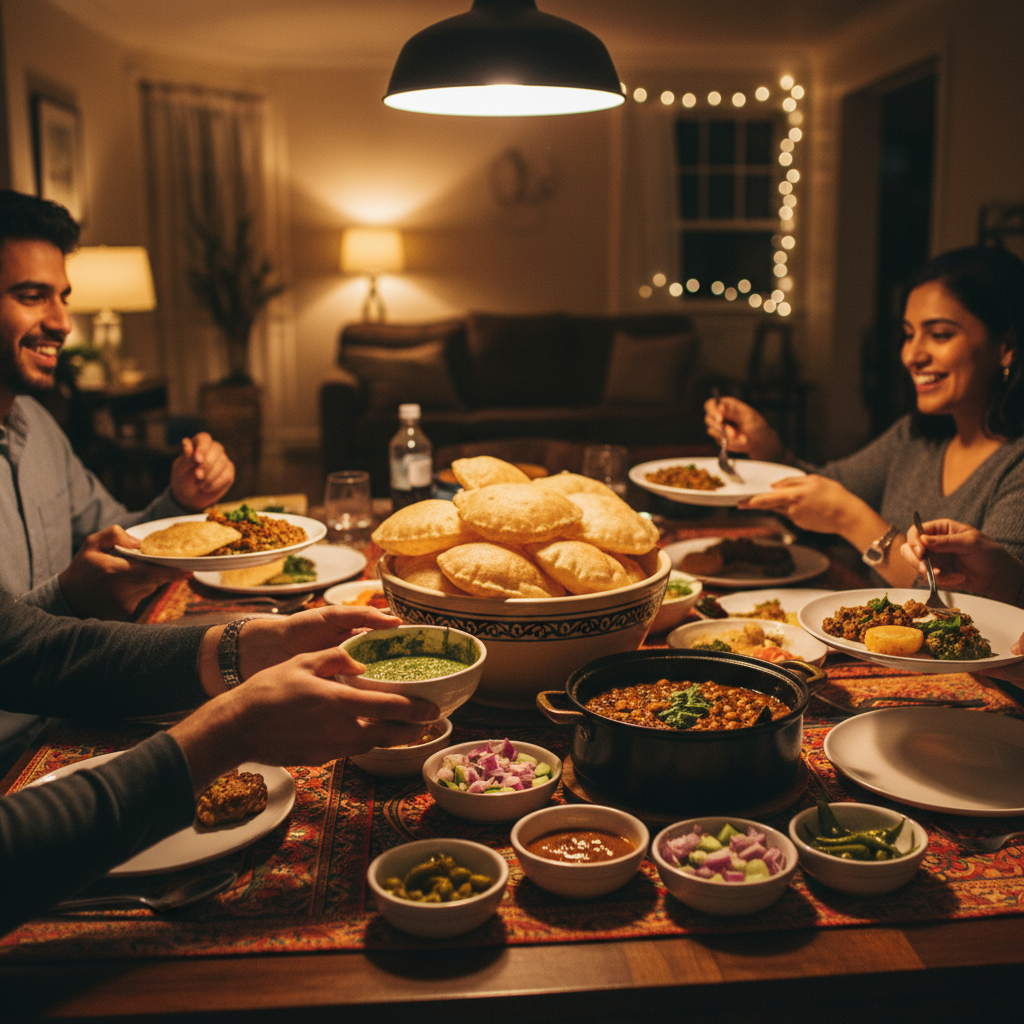
When home cooks follow halwai timing—rested dough, spice blooming, and correct oil heat—puff rates and flavor depth improve dramatically. These brief scenarios show how small adjustments produce reliable, restaurant-style results that mirror our Brampton kitchen workflow.
-
Home cook in Brampton (weeknight):
- Used canned chickpeas to save time; bloomed spices longer and finished with amchur.
- Bhature rested 90 minutes (yeast); oil held at 360°F. Outcome: consistent puffs and bright tang despite a shorter schedule.
-
Weekend family brunch:
- Soaked dry chickpeas overnight; pressure-cooked in the morning. Tea bag added for color.
- Dough rested 3 hours; semolina added for extra crispness. Result: sturdy puffs that stayed crisp for 12–15 minutes.
-
GTA housewarming (catering-style plating):
- Chole held warm in a covered chafing setup; bhature fried to order in small batches.
- Paired with Amritsari Kulcha for guests wanting a baked bread option. Feedback: loved the spice spectrum and texture contrast.
We’ve seen the same pattern across dozens of events: disciplined prep plus heat control equals smiles at the table.
FAQ
For best results, soak chickpeas, bloom spices, and rest bhature dough. Oil must be 356–365°F for dependable puffing. Use amchur for tang and a pat of ghee for gloss. Store leftovers separately and re-crisp bhature in a hot oven for a few minutes.
-
How do I get guaranteed puff?
- Rest dough 2–4 hours, roll evenly, and fry at ~360°F. Spoon hot oil over the surface right away to encourage inflation and turn once.
-
Can I use canned chickpeas?
- Yes. Rinse well. Simmer 10–12 minutes in the masala so flavors penetrate; mash a few for body.
-
What gives restaurant-style color?
- Tea during cooking for chole color, and deeper onion/tomato caramelization. Kashmiri chili also adds a rich hue without excess heat.
-
How should I reheat?
- Chole: gentle stovetop simmer with a splash of water. Bhature: hot oven 3–5 minutes to revive; avoid microwaving which softens crispness.
-
Any starters to serve first?
- Guests love a crunchy prelude like Chaat Papdi to set the tone before the main course.
Key Takeaways
Rested dough, correct oil heat, and a patiently built masala are the non-negotiables. Once you control those, your bhature puff and your chole tastes layered, glossy, and tangy—just like a professional halwai kitchen.
- Fermentation window (2–4 hours) is your puff insurance policy.
- Oil heat (~360°F) prevents greasiness and locks in structure.
- Onion bhuna + spice bloom + tomato reduction = flavor depth.
- Finish chole with amchur/anardana and a touch of ghee for sheen.
- Benchmark your results by tasting our Brampton classic: house chole bhature.
Conclusion & Next Steps
Authentic chole bhature is about process, not luck. With rested dough, steady oil heat, and a layered masala, you can reproduce halwai-level flavor at home. Use this guide, then refine your timing and spice balance based on your stove and taste.
- Follow the steps once as written; note your stove’s heat behavior and any tweaks you prefer.
- Host a small tasting: make one batch Delhi-leaning, one Punjabi-leaning; vote, then lock your house style.
- When you need a break from the fryer, enjoy our Brampton-made Chole Bhature—crafted by a fifth-generation halwai team.