Indian desserts are traditional sweets known as mithai made with milk solids, ghee, nuts, and fragrant spices. They span creamy barfi and kalakand to syrupy gulab jamun and crisp jalebi. In Brampton, The Mithai Maharaja crafts these classics fresh every day, helping families celebrate festivals, weddings, and everyday moments with authentic flavor and elegant gifting.
By The Mithai Maharaja • Last updated: 2026-06-16
Above the fold: why this guide matters + table of contents
Use this guide to quickly understand Indian desserts, from what they are to how to pick, store, and serve them for Brampton celebrations. We include practical tips, a types comparison, gifting ideas, and FAQs, plus links to in-depth resources and examples from The Mithai Maharaja’s real menu.
Here’s what you’ll find helpful right away:
- Clear definitions of mithai categories and how they’re made
- Actionable checklists for choosing, storing, and serving sweets
- A comparison table to match texture, shelf life, and best occasions
- Gifting and catering tips for festivals, weddings, and corporate events
- Local insights from our Brampton kitchen and service team
- What are Indian desserts?
- Why Indian desserts matter
- How Indian desserts are made
- Types of Indian desserts
- Best practices
- Tools and resources
- Case studies and examples
- FAQ
- Conclusion
Quick summary
Indian desserts blend dairy richness, aromatic spices, and craftsmanship to create memorable sweets for daily treats and major milestones. In Brampton, The Mithai Maharaja offers classic mithai, fusion desserts, and gift-ready boxes, tailored for festivals, weddings, corporate gifting, and family celebrations.
At The Mithai Maharaja, our mithai spans barfi treasures, milk-based delicacies, ladoo and gulab jamun varieties, as well as halwa and pinni. We also prepare Delhi/Punjab street favorites, perfect when you want a savory course before sweets.
Use the sections below to match dessert types to the moment you’re planning, from Diwali trays to wedding mithai and corporate boxes.
Local considerations for Brampton
- Plan festival orders early. Diwali and Vaisakhi lead to higher demand for Indian desserts; reserve gift boxes and catering dates in advance.
- Account for weather. Warm spells favor syrupy treats after savory chaats; cooler months pair nicely with rich halwas and pinni.
- Weekends book fast. For wedding and corporate gifting, share headcounts and dietary notes early so our kitchen can tailor assortments.
What are Indian desserts?
Indian desserts, or mithai, are handcrafted sweets rooted in dairy, ghee, nuts, and spice blends like cardamom and saffron. They include milk confections (barfi, kalakand), syrup-soaked classics (gulab jamun, jalebi), and festive specialties (halwa, pinni), each prepared using distinct techniques and celebratory traditions.
At their core, mithai relies on milk solids (khoya/mawa), chenna (fresh curds), or reduced milk, combined with ghee and sugar to create dense, creamy textures. Spices and nuts add aroma and crunch, while silver leaf can finish premium pieces.
- Milk-based confections: Think barfi, kalakand, and rasmalai, creamy and often garnished with pistachios or almonds.
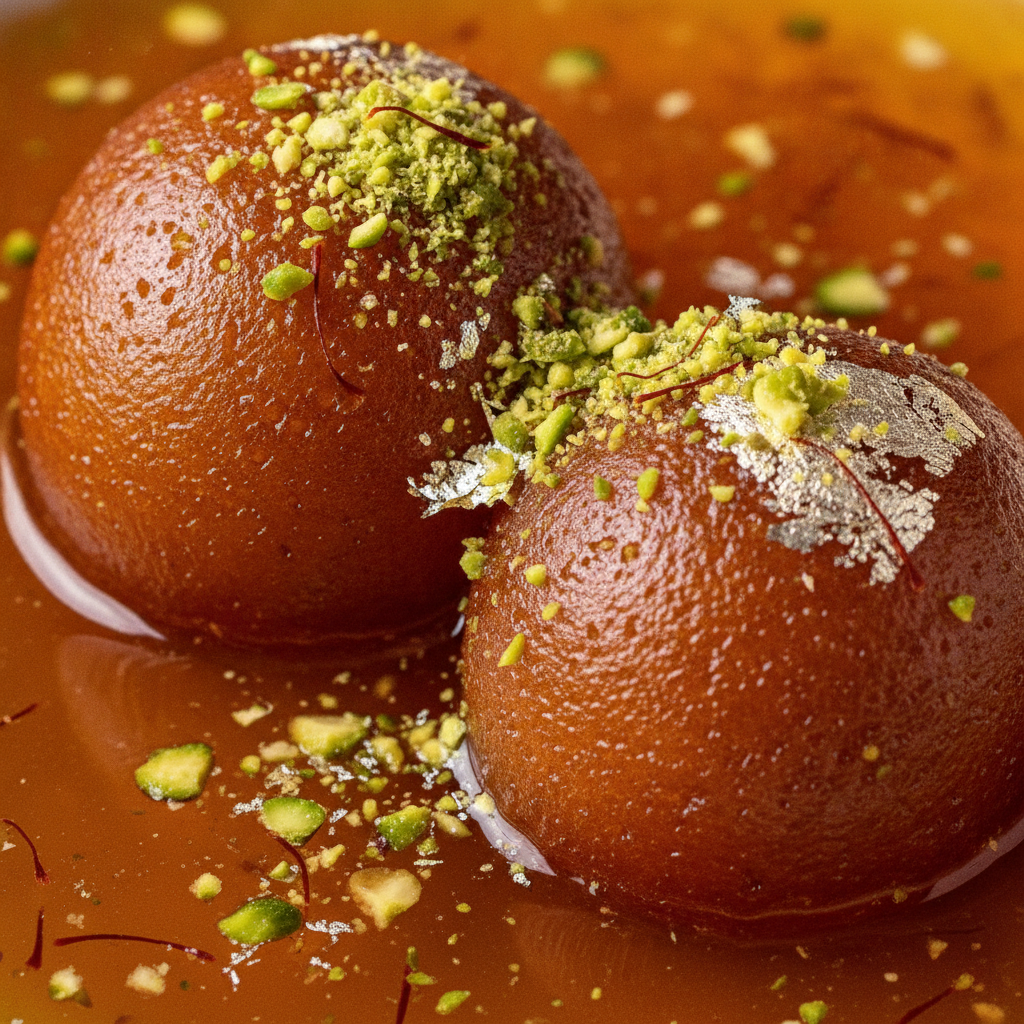
- Syrup-soaked sweets: Gulab jamun and jalebi deliver a caramelized crust with a soft, syrupy center.
- Festive specialties: Halwa (semolina or lentil-based) and pinni (Punjabi winter favorite) bring warmth and energy.
In our experience, families often start with a box of assorted barfi and rasmalai for guests, then add gulab jamun warm to the table, an easy way to please a crowd with varied textures.
Why Indian desserts matter
Mithai marks life’s milestones, births, weddings, festivals, and housewarmings, while offering everyday joy. The right selection respects tradition, satisfies diverse tastes, and turns a gathering into a memory. In Brampton, authentic Indian desserts also connect communities to heritage and shared celebration.
Here’s why they’re central to celebrations and everyday life:
- Cultural significance: Sweets are exchanged first when sharing good news. A well-chosen box often symbolizes abundance and goodwill.
- Dietary flexibility: Many mithai are vegetarian, and some can be prepared nut-free or with specific considerations on request.
- Gifting-ready: Our elegant packaging supports weddings, festivals, and corporate events where presentation matters as much as flavor.
- Pairing with savory: North Indian snacks like Chole Bhature or Bedmi Puri Aloo make a complete experience before dessert.
We’ve found that an assortment balancing creamy, nutty, and syrupy sweets keeps guests engaged from first bite to last. For example, combine kaju katli, pista barfi, and gulab jamun for a classic trio spanning texture and taste.
How Indian desserts are made
Indian desserts use precise heat control, clarified butter (ghee), and distinct base ingredients, khoya, chenna, semolina, or lentils. Techniques include reduction, curdling, frying, and syrup infusion. Consistency checks, such as one-thread sugar syrup, ensure each mithai’s signature texture and finish.
Behind every piece is a method. In our kitchen, fifth-generation halwai practice guides each step, from roasting semolina for sooji halwa until nutty, to kneading chenna for smooth rasgulla-style bases, to frying gulab jamun gently so the center stays tender.
- Reduction: Simmer milk to concentrate solids for barfi and kalakand; the slow process builds depth and a creamy bite.
- Curdling and shaping: For chenna-based sweets, we curdle milk, rinse to remove sourness, and knead to a soft, crack-free dough.
- Clarified butter (ghee): Ghee’s high smoke point supports even frying and adds aroma to halwa, laddoo, and fried sweets.
- Syrup stages: One-thread consistency helps jalebi glaze properly and lets gulab jamun soak evenly without collapsing.
- Temperatures and timing: Gentle, steady heat prevents graininess in milk sweets and keeps syrup absorption controlled.
These craft choices are the difference between a dessert that looks right and one that tastes unforgettable. It’s why our team trains continuously and documents each batch for consistency.
Types of Indian desserts (with examples)
Indian desserts fall into clear families: milk-based confections, syrup-soaked sweets, halwa and pinni, fried or layered treats, frozen or chilled milk desserts, and modern fusion mithai. Building boxes across two or three families gives balanced textures and flavors for any celebration.
Here are popular families you’ll see in our Brampton shop, with examples and quick notes to help you decide.
Milk-based confections
- Barfi treasures: Dense, creamy squares finished with pistachio or almond. Variations include pista barfi and coconut barfi.
- Kalakand: A moist, grainy milk cake with light cardamom and nut garnish.
- Rasmalai (chilled): Soft discs soaked in saffron milk, served cold for a refreshing, elegant end.
Explore deeper milk-dessert guidance in our Indian milk desserts guide.
Syrup-soaked classics
- Gulab jamun: Fried milk-solid dumplings soaked in cardamom-saffron syrup—beloved warm or at room temperature.
- Jalebi: Fermented batter coils fried and dipped in aromatic syrup for a crisp-chewy bite.
- Imarti (regional): Flower-shaped, urad-lentil cousin to jalebi with a denser chew.
For crowd-pleasing assortments, pair gulab jamun with a nutty barfi to balance syrupy and creamy notes.
Halwa and pinni
- Sooji (semolina) halwa: Roasted semolina in ghee with sugar and cardamom; warming and celebratory.
- Moong dal halwa: Slow-roasted lentil paste enriched with ghee for a rich, festival-ready spoon dessert.
- Pinni: Punjabi winter favorite shaped into sturdy bites with ghee and nuts.
These are excellent in colder months or for morning gatherings, often served alongside masala chai.
Fried or layered treats
- Ladoo varieties: Besan laddoo with nutty, roasted chickpea flour; motichoor laddoo with tiny pearls bound in ghee.
- Malpua: Cardamom-scented pancakes dipped in syrup and served with rabri.
- Soan papdi: Flaky, airy layers that melt in the mouth, ideal for gifting and travel.
Frozen or chilled milk desserts
- Kulfi: Slow-reduced, intensely creamy pops with pistachio, mango, or malai.
- Firni: Ground-rice pudding set in small bowls, scented with rose or saffron.
- Shrikhand: Strained yogurt dessert lightly sweetened and spiced, served chilled.
Modern fusion mithai
- Gulab jamun dessert cups: A layered take that packs festive flavor into individual servings. See an example of a gulab jamun dessert cup.
- Rasmalai dessert cups: Chilled, portioned elegance—convenient for large events. Here’s a rasmalai dessert cup concept.
- Gulab jamun cake: A playful pastry twist that marries bakery and mithai styles—see a sample gulab jamun cake.
Prefer timeless assortments? Browse our in-house picks in the Indian sweets guide and classic mithai list.
At-a-glance comparison
| Family | Texture | Key ingredients | Typical serving | Best for |
|---|---|---|---|---|
| Milk-based | Creamy, dense | Milk/khoya, ghee, nuts | Chilled or room temp | Gifting, formal dinners |
| Syrup-soaked | Soft, juicy | Milk solids or batter; syrup | Warm or room temp | Family parties, comfort |
| Halwa & pinni | Warm, spoonable or firm | Semolina/lentils, ghee | Warm | Winter, breakfast, puja |
| Fried/layered | Crisp to flaky | Flours, ghee, sugar | Room temp | Travel, gifting variety |
| Fusion | Modern, playful | Mithai + pastry bases | Chilled or room temp | Large events, novelty |
Best practices: choosing, storing, and serving
Choose mithai by balancing textures, honoring dietary needs, and matching shelf life to your event. Store sweets in airtight containers, chill milk desserts, and keep syrupy items at room temperature before serving. Serve small pieces first, refreshing trays often to maintain appearance and quality.
Choosing for your occasion
- Mix textures: Combine creamy (barfi), syrupy (gulab jamun), and crisp (jalebi) to please varied palates.
- Honor preferences: Note nut-free or egg-free needs and flag them when ordering.
- Plan timing: Chilled items like rasmalai need refrigeration; warm gulab jamun is best closer to service.
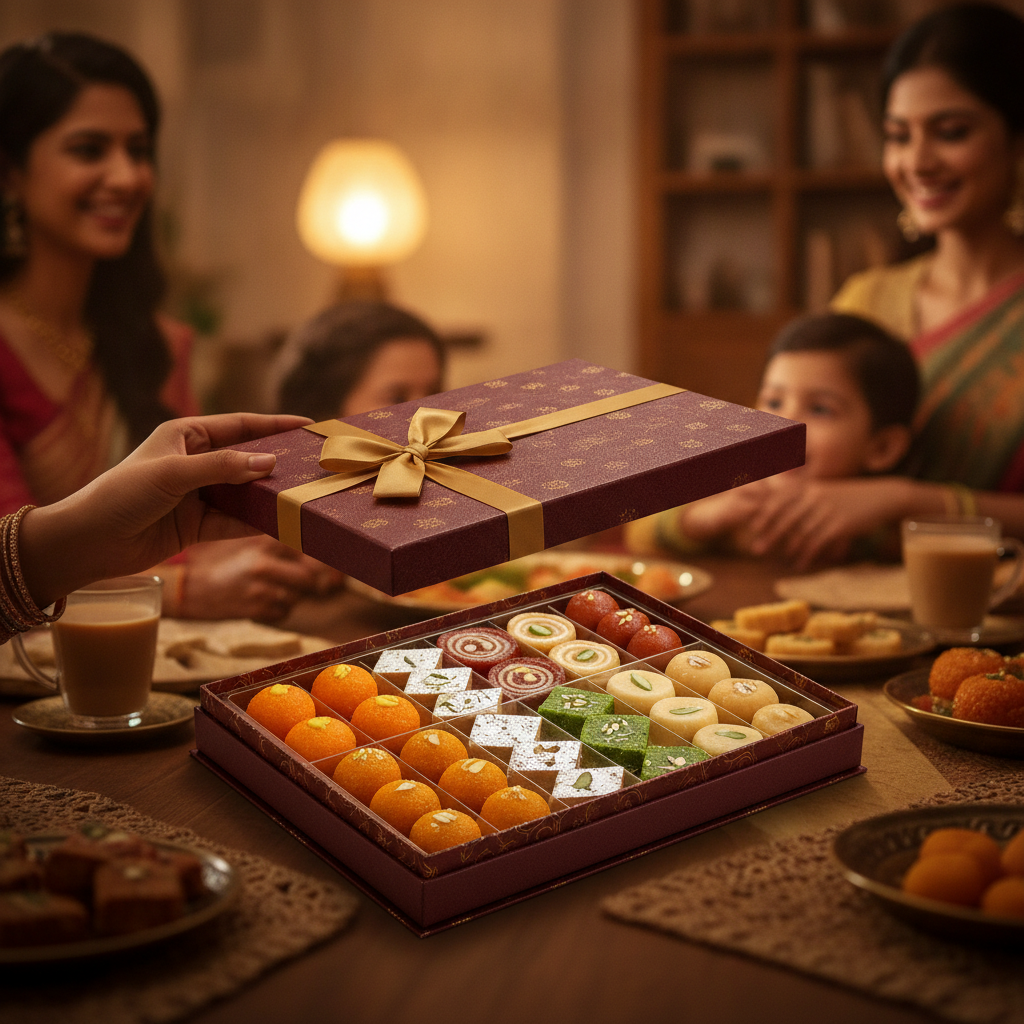
- Use elegant packaging: Our gift-ready boxes travel well and present beautifully for milestones.
Storage guidance
- Milk-based sweets: Refrigerate in airtight containers; bring to room temperature before serving for best texture.
- Syrup-soaked items: Store covered; if served warm, hold gently and avoid overheating which can cause texture loss.
- Halwa and pinni: Keep covered; warm halwa slowly with a touch of ghee to refresh aroma.
Serving tips
- Small portions first: Start with bite-size; replenish frequently to keep platters pristine.
- Label flavors: If hosting large groups, simple flavor cards help guests navigate choices without crowding.
- Pairing ideas: Savory chaats followed by rasmalai or gulab jamun offers contrast guests love.
For festival curation ideas, browse our Diwali sweets guide and our Punjabi sweets overview for seasonally loved picks.
Tools and resources for great results
Lean on curated assortments, gift-ready packaging, and event notes to simplify decisions. Use in-store tastings, online ordering, and early reservations to secure dates. For large events, align serving staff, tray circulation, and dessert timing to keep the experience polished and stress-free.
- Curated assortments: Start with our popular mixes from the popular Indian desserts picks—they’re balanced for variety and visual appeal.
- Gifting and corporate: Gift-ready boxes with refined presentation help you share thanks and celebrate milestones elegantly.
- Wedding and festival support: Our team coordinates mithai with savory courses like Chole Bhature, Bedmi Puri Aloo, and Amritsari Kulcha to pace the celebration.
- Online ordering: Browse our Shopify storefront for convenient pickup scheduling and order notes.
Soft CTA: Planning a celebration in Brampton? Reach out with guest count, dietary notes, and timing. We’ll help you select the right mix and packaging for a seamless experience.
Case studies and real-world examples
Smart selection turns good events into great ones. These Brampton scenarios show how mixing mithai families, coordinating with savory courses, and using gift-ready boxes create smooth, memorable celebrations with The Mithai Maharaja.
Diwali family gathering
- Goal: A welcoming spread for mixed-age guests.
- Selection: Pista barfi, kaju katli, rasmalai bowls, warm gulab jamun, plus jalebi for crunch.
- Tip: Stagger chilled rasmalai and warm gulab jamun service to keep traffic flowing.
Punjabi wedding sangeet
- Goal: Visual drama and traditional flavor between dance sets.
- Selection: Motichoor laddoo towers, assorted barfi, and dessert cups for easy hand service.
- Tip: Align mithai drops with breaks in music and main-course pacing.
Corporate appreciation boxes
- Goal: Elegant, shareable gifts for partners and teams.
- Selection: Mixed barfi, soan papdi, and a few syrupy pieces—packed in our premium, gift-ready boxes.
- Tip: Include a simple flavor map to minimize office crowding around trays.
For ideas tailored to your guest list, check the texture/occasion table above and our in-depth Indian sweets guide.
Frequently Asked Questions
These quick answers cover the most common Brampton questions about Indian desserts—how to select an assortment, store them, and plan for events without stress.
What are the most popular Indian desserts for first-time buyers?
Start with a balanced trio: creamy barfi (like pista or kaju), syrupy gulab jamun, and a chilled rasmalai. This mix covers the classic textures and flavors guests expect and enjoy, making it a reliable choice for any celebration or gift box.
How should I store mithai overnight?
Refrigerate milk-based sweets in airtight containers and let them return to room temperature before serving. Keep syrupy items covered and at room temperature unless specified. Warm halwa gently with a small touch of ghee to refresh its aroma and texture.
Can you help with wedding or corporate gifting?
Yes. Share your headcount, dietary notes, and timeline. We’ll recommend assortments, gift-ready boxes, and pacing so trays look fresh throughout the event. Our team often coordinates mithai service with savory courses to create a smooth flow.
What’s the difference between barfi and kalakand?
Both are milk-based. Barfi is denser and set into smooth squares with nuts on top. Kalakand is softer with a delicate, grainy bite from reduced milk and curds. Many hosts include both to offer contrast in texture within one gift box or platter.
Conclusion and next steps
Indian desserts deliver heritage, craft, and joy in every bite. Choose across families for balance, plan storage and service, and use gift-ready boxes for polish. In Brampton, The Mithai Maharaja can curate trays and boxes that match your moment—festivals, weddings, or everyday treats.
Key takeaways
- Build variety across creamy, syrupy, and crisp mithai families.
- Match storage and service to the dessert type for best texture.
- Use elegant packaging and pacing to elevate any celebration.
- For large events, coordinate mithai with savory courses and timing.
Ready to plan? If you’re celebrating in Brampton, we’d love to help curate your assortment and packaging, whether it’s a Diwali tray, wedding mithai, or corporate gift box.