Indian desserts with milk are traditional mithai made by reducing, curdling, soaking, or setting dairy into creamy sweets like rabri, ras malai, kalakand, and kheer. At The Mithai Maharaja in Brampton, fifth-generation halwais craft these in pure desi ghee, offering elegant gifting and catering-ready selections for festivals and celebrations.
By The Mithai Maharaja • Last updated: 2026-06-15
Quick Overview & Table of Contents
This guide explains how milk transforms into beloved Indian sweets, the core techniques, and which desserts suit different tastes and occasions. You’ll find practical tips, a quick comparison table, local Brampton advice, and real examples from The Mithai Maharaja to plan gifting, entertaining, or a sweet treat run.
Here’s what you’ll find below, and you can jump to any section:
- What are milk-based Indian desserts?
- Why these mithai matter for celebrations
- How the techniques work (with table)
- Types and signature examples
- Best practices to make or buy
- Tools, pantry, and resources
- Real Brampton examples
- FAQ and Key takeaways
What are Indian desserts with milk?
Milk-based Indian desserts are mithai built on dairy, typically whole milk, by reducing, curdling, soaking in syrup, setting into fudges, or freezing into dense ice creams. Classics include rabri, ras malai, kalakand, kheer, basundi, peda, barfi, kulfi, and gulab jamun, each defined by distinct textures, rich aromas, and festival-worthy presentation.
When people search for “indian desserts with milk,” they’re usually looking for familiar favorites and how they’re made. In our kitchen at The Mithai Maharaja, we see three pillars drive flavor: slow reduction for caramelized depth, fresh chenna (curdled milk solids) for pillowy bites, and aromatic infusions like cardamom and saffron for warmth.
Texture tells the story. Rabri and basundi feel silky from a 2×–3× reduction. Ras malai balances soft chenna patties with a thin, perfumed milk. Kalakand retains a coarse, grainy crumb. Kheer offers spoonable comfort, while peda and milk barfi land fudgy and sliceable, perfect for gift boxes and temple offerings.
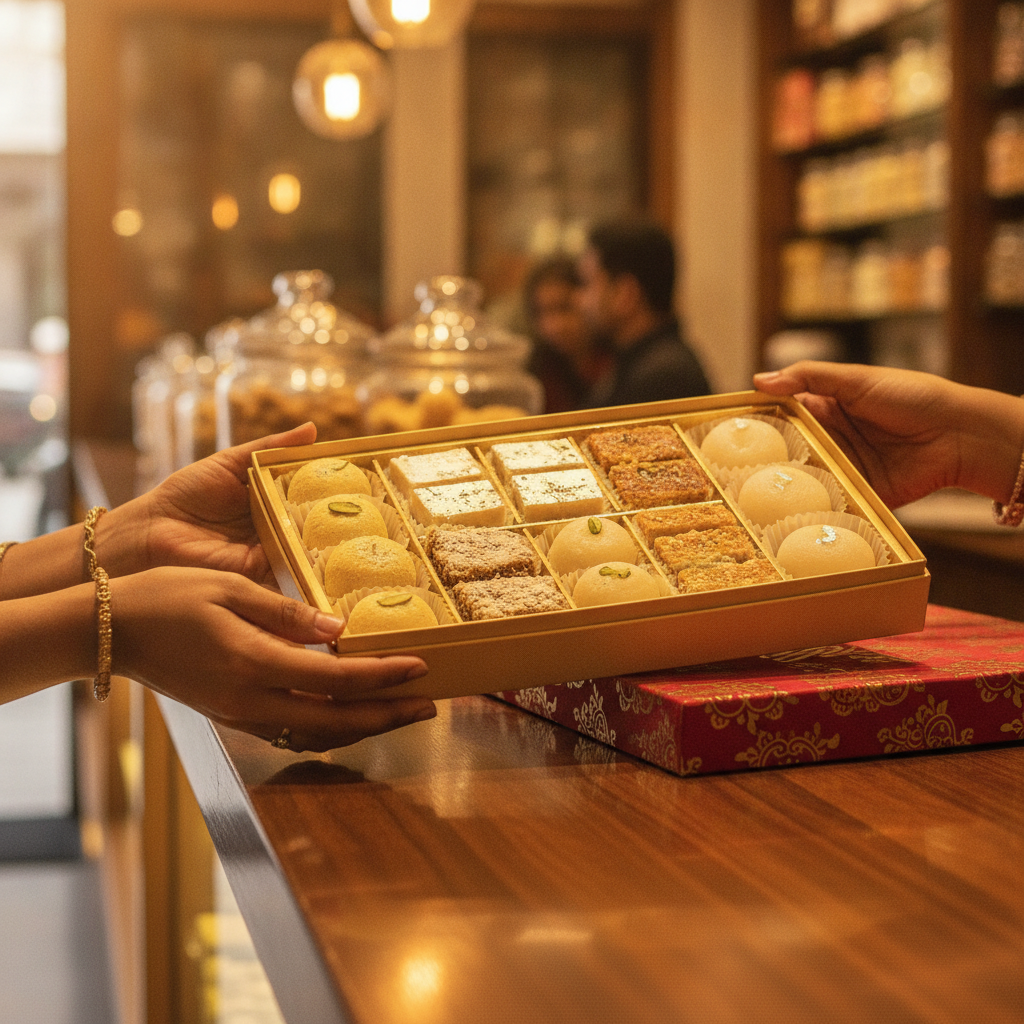
In our experience, guests in Brampton often start with ras malai or gulab jamun and then branch into kalakand, basundi, or peda. For elegant gifting, we assemble milk-forward assortments where color, cut, garnish, and aroma complement one another in a single, polished box.
Why milk-based mithai matters for celebrations
Milk sweets signal abundance, hospitality, and care. Their creamy textures, ghee aroma, and festival-ready look make them the centerpiece of weddings, Diwali trays, and milestone moments. In Brampton, curated milk-mithai boxes travel well, photograph beautifully, and satisfy a wide range of traditional preferences.
Milk has cultural weight in Indian celebrations. A well-chosen box of dairy sweets conveys generosity and respect, values that matter at weddings, housewarmings, and festive gifting. We’ve found curated mixes with a balance of rich (peda), syrupy (gulab jamun), and fresh, aromatic (ras malai) appeal to multi-generational families.
Presentation multiplies the joy. Contrasting shapes, squares of barfi, round pedas, oval ras malai patties, plus pistachio, almond, and silver-leaf finishes create visual drama in photos. Color also matters: saffron tints, rose-petal reds, and pista greens add instant celebration energy.
For local events, portability and shelf awareness help. Some sweets hold at room temperature for several hours, while dairy-forward items prefer refrigeration. Our gifting team organizes assortments to match timing, travel distance, and venue constraints so hosts can relax and enjoy the festivities.
How milk-based desserts work (techniques and science)
Indian milk desserts rely on five core methods: reduction, curdling into chenna, soaking in syrup, setting into fudges, and slow freezing. Each technique controls moisture, fat, and sugar to shape texture, silky rabri, spongy ras malai, or fudgy barfi, while spices and nuts create signature aromas.
At a glance, technique dictates texture, mouthfeel, and holding needs. The table below summarizes the main methods we use daily and how they translate into desserts you know and love.
| Technique | How it works | Signature texture | Home tip | Great picks |
|---|---|---|---|---|
| Reduction | Simmer whole milk to 1/2–1/3 volume, stirring to prevent scorching | Silky, spoon-coating body; gentle caramel notes | Use a wide, heavy kadai; stir every 2–3 minutes | Rabri, Basundi, Kheer (with rice) |
| Curdling (Chenna) | Split hot milk with acid; drain and knead curds | Pillowy, tender bite; spongy when soaked | Stop heat before adding lemon; rinse to remove sourness | Ras Malai, Rasgulla |
| Soaking in Syrup | Fry or steam base; soak in cardamom syrup | Juicy, scented sweetness; glossy finish | Warm syrup absorbs faster than cold | Gulab Jamun, Chum Chum |
| Setting/Fudging | Cook milk solids and sugar to a semi-firm stage | Fudgy, sliceable; clean edges | Grease tray lightly with ghee; score while warm | Kalakand, Milk Barfi, Peda |
| Slow Freezing | Thickened milk base frozen without over-churning | Dense, creamy; fine ice crystals | Cover tightly; freeze slowly for smooth texture | Kulfi (Malai, Pistachio, Mango) |
From a cook’s perspective, a wide pan (more surface area) speeds reduction by exposing more milk to evaporation. Gentle simmering and frequent scraping lift the milk solids, preventing scorching. For chenna, we aim for tender curds—heat the milk to a near-boil, cut the flame, then add lemon or vinegar so the proteins set softly.
Flavor layering comes next. Cardamom pods (4–6 per quart), saffron (a pinch bloomed in warm milk), and rosewater (1–2 teaspoons per batch) create a recognizable Indian aroma profile. Pistachios and almonds add crunch and color; khoya or mawa deepens dairy richness in barfi and peda.
Types of Indian milk desserts (11 delicious examples)
From silky spoon desserts to gift-friendly fudges, milk sweets span textures and occasions. Signature picks include rabri, basundi, kheer, ras malai, kalakand, milk barfi, peda, gulab jamun, rasgulla, kulfi, and shrikhand—each with a distinct method, garnish, and ideal moment to serve or gift.
Silky spoon desserts
These emphasize reduction and gentle aromatics, great chilled in small bowls or terracotta cups.
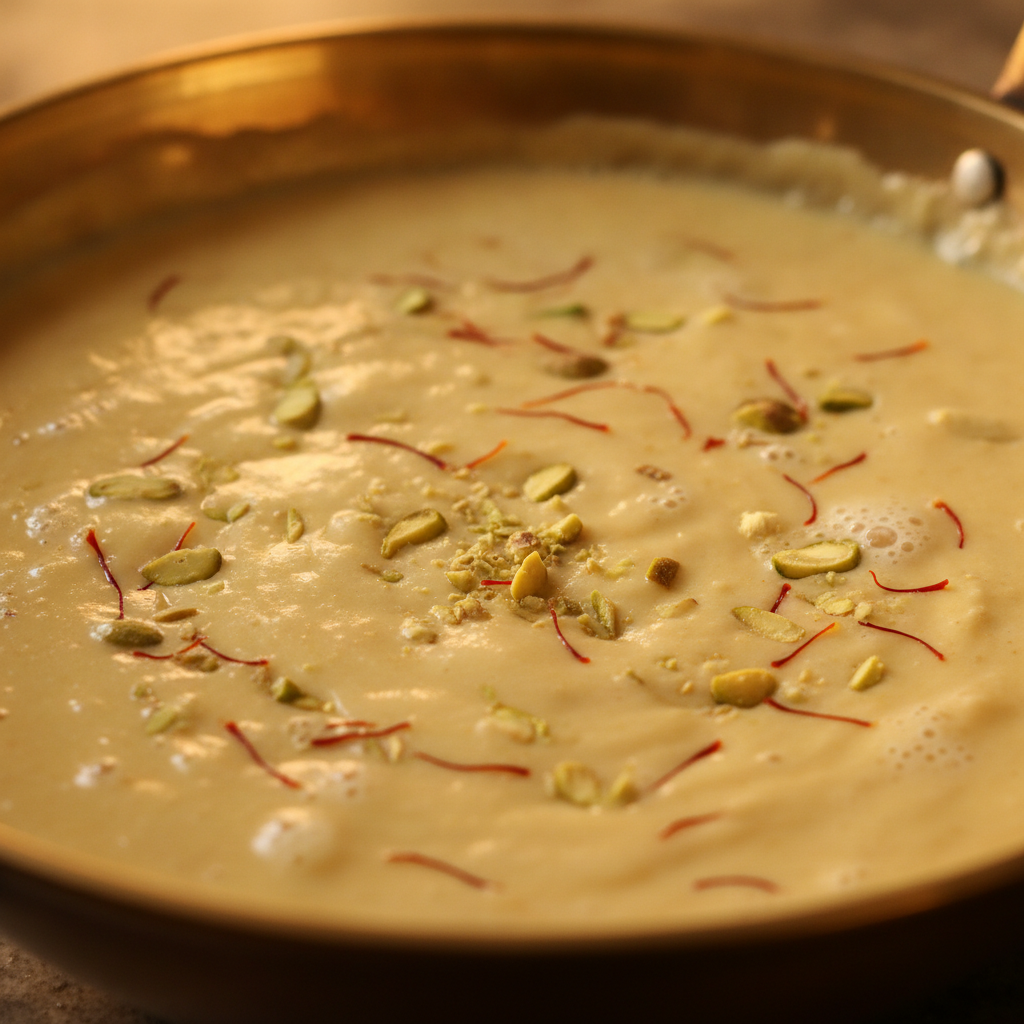
- Rabri: Deeply reduced milk with strands of malai; saffron-cardamom perfume; best well-chilled.
- Basundi: Lighter than rabri, often with nut crumbs; pairs well with poori on festive days.
- Kheer: Rice simmered in milk until creamy; cardamom and nuts; comforting and versatile.
Chenna-based favorites
Curdled milk solids create a tender, spongy bite that drinks up perfumed milk or syrup.
- Ras Malai: Soft patties soaked in thin, aromatic milk; pistachio garnish; a wedding staple.
- Rasgulla: Spongy spheres in light syrup; a classic from the East with universal appeal.
Fudges and confections
Perfect for boxes and trays, clean edges, neat stacking, and long lines at the counter.
- Kalakand: Grainy, moist fudge from chenna or ricotta-style curds; sliceable and rich.
- Milk Barfi: Smooth, firm, and balanced; accepts saffron, pistachio, or rose customizations.
- Peda: Round, pressed discs; dense milkiness with cardamom; great travel durability.
Soaked and fried
Juicy, glossy, and party-friendly, best served fresh for that warm-syrup glow.
- Gulab Jamun: Khoya-based dumplings fried and soaked; a universal crowd-pleaser.
- Chum Chum: Elongated cousin to rasgulla; often stuffed or coconut-dusted.
Frozen dairy
Dense and nostalgic, traditional kulfi sets without over-churning for ultra-creamy texture.
- Kulfi: Malai, pista, or mango; slice crosswise or serve on a stick for easy portions.
Want a broader survey beyond milk-based picks? Our team rounded up classics in this list of Indian sweets and desserts, and we also shared a practical Indian sweets (mithai) guide for quick decision-making.
Best practices for buying, serving, and making milk sweets
Choose balance (rich, syrupy, and light), match serving temperature to the dessert, and plan for travel time. At home, favor a wide pan for reduction, gentle heat, and fresh spice infusions. For events, pre-portion and label allergens to serve guests confidently and quickly.
Buying and planning
When ordering for gatherings, think in textures and temperatures. Pair a chilled spoon dessert (ras malai), a fudgy bite (peda or barfi), and a syrupy showstopper (gulab jamun). This trio covers most palates and photographs beautifully on trays and tiered stands.
- Portion planning: Small, bite-friendly cuts reduce waste at standing receptions.
- Temperature: Chill rabri, basundi, and ras malai; serve gulab jamun warm if possible.
- Transport: Keep chilled items in insulated carriers; separate syrup cups until service.
Hosting a festival open house? See our seasonal ideas in Diwali sweets Brampton for mix-and-match trays that highlight milk specialties next to festive dry fruit treats.
Making at home
Home cooks succeed by managing heat and surface area. A wide, heavy kadai speeds reduction and prevents hotspots. Stir in a gentle rhythm, every 2–3 minutes for reduction, constantly for the last 5 minutes, to keep milk solids moving and avoid scorching on the pan’s corners.
- Curdling control: Heat milk to a near-boil, switch off, then add acid. Rinse curds to remove tang.
- Flavor layering: Bloom saffron in warm milk; crack cardamom pods to release oils.
- Clean cuts: For barfi/kalakand, score while warm for sharp edges once cooled.
If you prefer shortcuts, our kitchen also crafts variations using condensed milk where it makes sense. For a deep dive on that approach, explore Indian sweets with condensed milk and see which recipes benefit from it.
Local considerations for Brampton
- Holiday rushes are real. Pre-book gifting boxes early during Diwali and wedding season to secure your preferred milk-based assortment and pickup time.
- Winter transport can be chilly. Use insulated carriers for chilled items like ras malai and rabri to maintain texture from store to venue.
- Dietary mix matters. Include one non-dairy or dry sweet option alongside milk-forward picks to accommodate diverse guests without losing tradition.
Tools, pantry, and helpful resources
A wide, heavy pan, flat spatula, fine strainer, and airtight containers cover most milk desserts. Stock whole milk, desi ghee, sugar, cardamom, saffron, pistachios, and rosewater. For quick-serve events, pre-portion in cups or mini bowls for tidy plating and fast service.
In our production, a broad kadai with even heat is non-negotiable. It shortens reduction time and encourages a consistent, caramel-kissed flavor. A sturdy silicone spatula or flat wooden patula helps scrape the base and sides clean, reclaiming tasty milk solids (malai) as they form.
- Essential tools: Heavy kadai or wide pot, flat spatula, fine strainer/cheesecloth, measuring cups.
- Pantry staples: Whole milk, desi ghee, sugar, cardamom, saffron, rosewater, pistachios/almonds.
- Serving aids: Small dessert cups, mini spoons, insulated carrier, garnish boxes.
Planning a dessert bar with ready-to-serve cups? Get inspo from these elegant ras malai dessert cups, they demonstrate how individual portions keep lines moving and tables pristine at receptions.
Case studies and real Brampton examples
From intimate pujas to corporate Diwali, curated milk desserts solve different needs. We tailor assortments, portioning, and labeling so hosts can serve quickly, travel confidently, and still deliver that “wow” reveal when the box opens.
Wedding welcome box with milk-forward centerpieces
A Brampton family asked for a regal welcome box that felt unmistakably Punjabi. We paired milk barfi (saffron-pistachio), peda, and kalakand with a small vial of rose petals for garnish. The look: royal, tidy, and easy to share. The flavors: clean dairy notes with warm spice and textural variety.
To guide guests, we added discreet serving notes (chilled vs. room temp) in the host’s itinerary. The boxes stacked neatly for hotel delivery, and the family later mirrored the same mix on their reception dessert table.
Corporate Diwali trays for mixed dietary needs
For a local office celebration, the organizer needed speed and clarity. We assembled trays with clear labels, featuring ras malai cups, milk barfi, and a companion dry sweet row. Pre-portioned cups meant zero cutting on site. Clear garnish patterns (pista, almond, silver leaf) signaled flavors at a glance.
Looking for more gifting inspiration? Browse milk-friendly biscuits and cookies as complementary tray fillers at this curated Indian biscuits collection.
Festival open house: chaat + milk sweet flow
During festival weekends, many hosts plan a savory-to-sweet flow. We often recommend opening with chaat and hot snacks, then moving to a chilled ras malai finish. For crowd-pleasing snacks, our blog on Punjabi sweet shop picks outlines classics to pair with your milk desserts.
Summary
Milk sweets are the backbone of Indian celebrations. Choose a trio of a chilled spoon dessert, a fudgy bar, and a syrupy favorite for balance. Match serving temperatures, plan transport carefully, and lean on expert assortments from The Mithai Maharaja to bring elegance to every box across Brampton gatherings.
If you’re mapping a dessert menu fast, start here:
- Pick 3 textures: spoonable, fudgy, and syrupy.
- Align serving temperature and travel time.
- Pre-portion cups for speed at larger events.
- Add a dry or non-dairy option for inclusivity.
Frequently Asked Questions
Common questions focus on storage, serving temperature, and choosing the right mix for guests. These quick answers will help you plan confidently for home treats, gifting, or events across Brampton and the GTA.
What are the most popular Indian desserts with milk for gifting?
Peda, milk barfi, kalakand, and ras malai are safe, crowd-pleasing picks. They balance dense dairy richness with elegant looks. For variety, add a syrupy favorite like gulab jamun and a chilled option such as rabri or basundi for contrast in texture and temperature.
How should I store milk-based mithai before serving?
Chilled spoon desserts (ras malai, rabri, basundi) should be refrigerated until service. Fudges like barfi, peda, and kalakand can sit briefly at room temperature for events, but refrigerate overnight. Keep syrup separate for travel and combine close to service to preserve texture.
Are there options if some guests avoid dairy?
Yes. Include one dry sweet or non-dairy item alongside milk-forward picks. Some hosts also serve a dairy-free savory counterpoint with chaats or snacks, which keeps the menu inclusive without losing the celebratory feel of classic mithai.
What’s the difference between rabri and basundi?
Both are reduced-milk desserts with saffron-cardamom notes. Rabri is thicker, with malai layers and a spoon-coating body. Basundi is lighter and silkier. Serve both well-chilled in small bowls and garnish with slivered pistachios or almonds for color and crunch.
Can milk desserts travel well for an outdoor event?
Yes—use insulated carriers, pre-portion chilled items in lidded cups, and keep syrups separate until setup. Favor sturdier pieces like peda and milk barfi for long travel. Coordinate pickup time so chilled items spend minimal time outside refrigeration.
Key Takeaways
Plan your milk-mithai menu around texture, temperature, and travel. Balance spoonable, fudgy, and syrupy. Pre-portion when serving crowds, and add a dry option for dietary variety. When in doubt, lean on curated boxes from The Mithai Maharaja for effortless elegance.
- Balance textures: chilled, fudgy, and syrupy in every tray.
- Match serving temp to dessert style for best flavor.
- Use insulated carriers and separate syrups for transport.
- Curate milk-forward gift boxes for instant presentation.
- Explore deeper guides like our kheer guide to plan menus.
Conclusion
Milk-based Indian desserts deliver comfort, nostalgia, and show-stopping presentation. Whether you’re gifting, catering a milestone, or treating the family, a thoughtful trio and smart service plan make every bite memorable—especially with expert help from The Mithai Maharaja in Brampton.
Here’s a simple path to success:
- Choose three textures (chilled spoon dessert, fudgy bar, syrupy classic).
- Plan storage and serving temperature ahead of time.
- Pre-portion for crowds; label flavors and potential allergens.
- Lean on curated assortments—our team assembles elegant gift-ready boxes daily.
Ready to build your perfect milk-mithai box or event tray? Visit The Mithai Maharaja to explore options, or tap our team for a quick recommendation tailored to your occasion.