Indian store snacks are savory and sweet bites you’ll find at an Indian grocer or mithai shop, from crispy namkeen mixes and fresh samosas to chatpata chaats. In Brampton, the quickest way to pick winners is to check freshness cues, read labels for spice and allergens, and ask halwai-led teams for guidance.
By The Mithai Maharaja • Last updated: July 3, 2026
Overview and Table of Contents
This guide shows you how to shop Indian store snacks with confidence: what they are, why they matter, how to pick the freshest options, and the best ways to store and serve them. You’ll see real examples from Brampton’s The Mithai Maharaja plus quick checklists you can use on your next visit.
- What are Indian store snacks?
- Why these snacks matter for Brampton
- How to shop the smart way
- Types of Indian store snacks
- Best practices for freshness and balance
- Tools and resources
- Case studies and examples
- Frequently Asked Questions
- Conclusion and next steps
What Are Indian Store Snacks?
Indian store snacks are ready-to-eat savory and sweet items sold at Indian groceries and mithai shops, including namkeen mixes, samosas, pakoras, chaats, biscuits, and bite-size mithai. They balance crunch, spice, and sweetness, and can be enjoyed on the go, at tea time, or as shareable platters.
When you step into a halwai-led shop like The Mithai Maharaja, you’ll find two big streams of snacking: savory and sweet. Savory covers the crunchy spectrum (namkeen, kachori, pakora), the hot-and-fresh bar (samosas, paneer pakora, bread pakora), and tangy chaats (chaat papdi, aloo tikki chaat, dahi bhalla). Sweet spans milk-based mithai (barfi, kalakand), syrupy classics (gulab jamun), ghee-rich delights (pinni, halwa), and fusion bites.
- Savory classics: Special Handmade Samosa, Paneer Pakora, Aloo Kachori, Spring Rolls, and more.
- Chaats & combos: Chaat Papdi, Aloo Tikki Chaat, Dahi Bhalla, and Samosa Chana Chaat for that signature sweet-tart-spicy crunch.
- Sweet snacks: Ladoo, barfi, kalakand, gulab jamun, halwa, and pinni are easy to portion, serve, and gift.
In our experience serving Brampton’s families, “snack” is a flexible word. A samosa with chai, a small box of namkeen, or a couple of pieces of mithai can all make the perfect midday pick-me-up, especially when they’re handcrafted and served fresh.
Why Indian Store Snacks Matter in Brampton
Indian store snacks matter in Brampton because they connect families to Punjabi and Delhi flavors, offer vegetarian-friendly variety, and make everyday hosting effortless. With halwai craftsmanship, you get authentic taste, consistent freshness, and gift-ready presentation for festivals, school events, and office gatherings.
Brampton’s community looks for authenticity, vegetarian options, and convenience. A fifth-generation halwai lineage, like ours, established in 1938, helps ensure recipes, techniques, and spice balances are finely tuned. That heritage translates into reliable flavour and texture, which matters when you’re serving guests or gifting during festivals.
- Culture and comfort: Snacks like Delhi‑style Chole Bhature or Bedmi Puri Aloo bring familiar warmth to family weekends.
- Vegetarian variety: Many savoury items, including pakoras, chaats, and kachori, are naturally vegetarian. Mithai is also traditionally egg-free.
- Hosting made simple: Shareable bites reduce prep. Platters and gift‑ready boxes fit birthdays, pujas, and office celebrations.
If you want a deeper primer on styles and flavors, explore our Indian snacks guide and our Brampton‑specific overview of North Indian snacks for flavor notes and pairing ideas you can use this week.
How to Shop Indian Store Snacks the Smart Way
Shop smarter by checking three cues: freshness (look, smell, crispness), label details (ingredients, spice level, allergens), and serving plan (how and when you’ll eat or serve it). Ask halwai-led teams for guidance, and buy in portions you can enjoy within a few days.
Here’s the system we coach first‑time shoppers to use. It’s fast, reliable, and works for both savory and sweet counters.
Freshness scan in under 60 seconds
- Look: Pakoras and samosas should have a dry, even golden surface; mithai should appear glossy but not wet.
- Aroma: You should smell spice and warmth, not oil. Namkeen should smell toasty, not rancid.
- Crisp check: A light tap should sound crisp for fried items; sogginess hints at resting too long.
Label quick read
- Ingredients: Short, recognizable lists are a plus. If you prefer pure desi ghee sweets, ask to confirm.
- Allergens: Nuts, dairy, gluten, and chickpea flour (besan) are common. Confirm before gifting.
- Spice level: Words like “chatpata,” “tikka,” or “khatta-meetha” signal a tangy, spicy-sweet profile.
Plan your serving
- Portion guide: A “snack” is often 1 samosa, a handful of namkeen (about an ounce), or two small mithai pieces.
- Timing: Buy fresh‑fried items close to the time you’ll serve them. Keep room‑temp mithai shaded and cool.
- Serving style: Pair a crunchy namkeen with masala chai; balance rich mithai with fresh fruit or chai without sugar.
Local considerations for Brampton
- Humidity swings can soften fried snacks. Keep namkeen in airtight containers and re‑crisp pakoras in a hot oven for a few minutes.
- Festival season means higher foot traffic. Pre‑order gift boxes early, especially for Diwali‑style assortments and wedding trays.
- For office events, lean on our vegetarian chaats and samosa chana chaat ideas so everyone gets bold flavor without fuss.
Types of Indian Store Snacks (with Examples)
Indian store snacks fall into seven practical groups: fresh-fried bites, chaats, namkeen mixes, bakery biscuits, mithai-as-snacks, frozen/heat-and-eat, and fusion items. Knowing the group helps you plan portions, pairings, and storage, so every bite tastes as intended.
1) Fresh-fried & hot counter
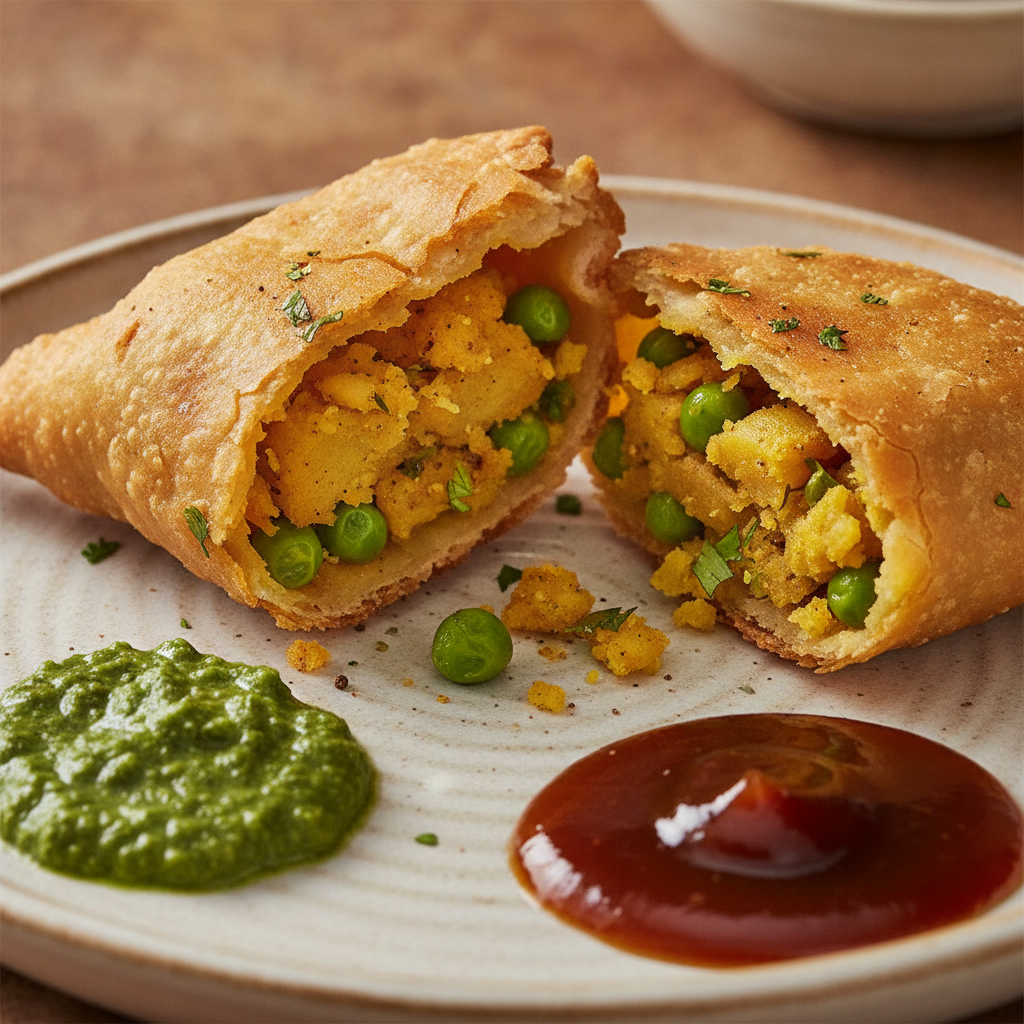
- Samosa: Crisp pastry with spiced potato and peas. Best same day.
- Paneer Pakora: Cottage cheese fritters with besan batter. Pair with mint chutney.
- Bread/Gobhi/Vegetable Pakora: Crunchy, dippable crowd-pleasers.
- Aloo Kachori: Flaky shell, spiced potato filling. Great with chai.
For textures, see our samosa and pakora guide which compares crust thickness, spice heat, and dipping strategies so you can match the snack to your audience.
2) Chaats & street-style bowls
- Chaat Papdi: Crisp wafers, yogurt, chutneys, and spice.
- Aloo Tikki Chaat: Potato patties with chana, chutneys, and sev.
- Dahi Bhalla: Soft lentil dumplings in spiced yogurt.
- Raj Kachori: A festive, over-the-top chaat shell packed with textures.
Chaats deliver contrasts, hot/cold, crisp/soft, sweet/tangy. They shine at small gatherings because assembly takes minutes and portions are easy to scale.
3) Namkeen & dry munchies
- Khatta-Meetha Mix: Sweet-tangy blend with sev, peanuts, and raisins.
- Masala Sev & Bhujia: Spiced chickpea-flour strands for a super-crunchy bite.
- Roasted Chana & Peanuts: Protein-forward crunch with a toasty aroma.
Namkeen is the all-day snacker’s friend. Keep a small bowl near the tea kettle and rotate flavors to avoid palate fatigue.
4) Bakery biscuits and cookies
- Jeera (Cumin) Biscuits: Savory-scented, buttery snap, great with chai.
- Nankhatai: Shortbread-style cookies with cardamom.
- Cashew/Pista Cookies: Rich, nutty bites for gifting.
If you love Indian bakery-style tea time, explore curated assortments like these Indian cookies collections and broader snacks assortments to discover textures, from crumbly to snappy—that pair perfectly with masala chai.
5) Mithai as snackable sweets
- Barfi Treasures: Dense, milk-based squares in many flavors.
- Kalakand: Fresh, grainy milk cake, soft and aromatic.
- Ladoo & Gulab Jamun: Round favorites that portion easily.
- Halwa & Pinni: Ghee-rich classics with festival appeal.
Two bite-size mithai pieces often feel “just right” at tea time. For a deeper dive into styles, see our complete sweets-and-snacks guide.
6) Frozen and heat-and-eat
- Paratha, Tikkis, Samosas: Weeknight backups that reheat well.
- Storage tip: Freeze flat, then stack; reheat on a hot skillet for crispness.
7) Fusion & contemporary bites
- Modern mithai pairings: Classic barfi with espresso, anyone?
- Global spice riffs: Chatpata seasoning on popcorn or nuts.
Want pairing inspiration? Our namkeen pairings guide shares flavor maps and beverage matches you can try this weekend.
| Snack Type | Typical Ingredients | Texture | Best Pairings | Shelf-Life Tip |
|---|---|---|---|---|
| Fresh-Fried | Potato, paneer, spices, besan | Crisp outside, soft inside | Mint/tamarind chutney | Enjoy same day for best crunch |
| Chaats | Papdi, yogurt, chutneys, sev | Crisp + creamy + tangy | Masala chai, salty lassi | Assemble just before serving |
| Namkeen | Sev, peanuts, spices | Light, super-crunchy | Chai or black coffee | Airtight jar, cool pantry |
| Biscuits | Flour, butter/ghee, spices | Snappy or crumbly | Masala chai | Keep sealed to prevent staling |
| Mithai | Milk solids, nuts, ghee | Fudgy to syrupy | Unsweetened chai or fruit | Cool, shaded spot; refrigerate when advised |
Best Practices: Freshness, Balance, and Storage
For the best Indian store snacks, buy close to serving time, balance rich items with lighter sides, and store correctly. Airtight containers keep namkeen crisp, while a brief reheat restores pakora crunch. For mithai, follow the shop’s handling guidance and keep boxes cool and shaded.
Buying and portioning
- Match the moment: Fresh-fried for same-day plans; namkeen and biscuits for pantry flexibility; mithai for gifting.
- Right-size portions: Think one samosa, one small handful of namkeen, or two pieces of mithai per person for tea time.
- Ask for guidance: Our halwai team helps you plan assortments that fit your guest list and tastes.
Keeping crunch and color
- Namkeen: Transfer to a tight-seal tin or jar after opening. Keep away from sunlight and moisture.
- Pakoras & samosas: Reheat on a wire rack in a hot oven for a few minutes to revive crispness.
- Chaats: Hold wet elements (yogurt, chutneys) separately; assemble right before serving for max texture.
Serving for balance
- Contrast rich with fresh: Add cucumber slices, tomatoes, or a simple kachumber salad.
- Use dips smartly: Offer mint and tamarind chutneys side-by-side so guests can dial tang and heat.
- Sweet finish: After savory, a single piece of mithai is a satisfying close.
For more background on styles and balance, skim our quick snack styles overview. It maps textures to pairings so you can build a board people actually finish.
Tools and Resources
Airtight jars for namkeen, a wire rack and hot oven for reviving crunch, and small serving bowls for portion control are all you need. Use flavor maps and pairing guides to plan boards fast, and browse curated snack and cookie collections for tea-time variety.
- Core tools: Wire rack, baking sheet, airtight jars, small bowls, and tongs.
- Board building: Mix textures, one fresh-fried, one namkeen, one mithai; add a raw veg crunch.
- Curated browsing: Explore bakery-style Indian cookies and broader snack assortments to learn textures and flavors you enjoy.
Prefer a deeper, structured walkthrough? Our all-in-one sweets and snacks guide connects styles, serving sizes, and celebration ideas in one place.
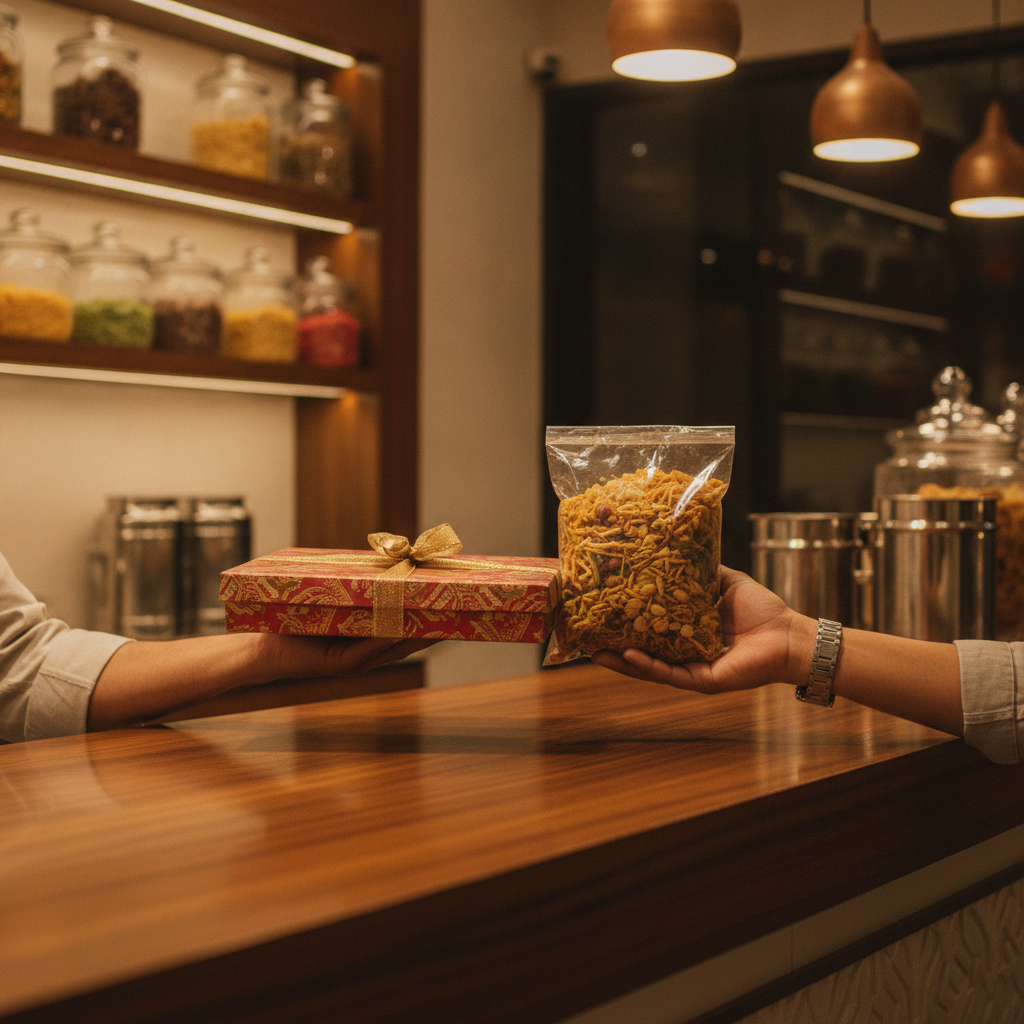
Planning an event in Brampton? For festivals, weddings, or office milestones, our catering team assembles vegetarian-forward snack boards, chaat stations, and gift-ready mithai assortments. Ask our staff for timing tips so everything lands crisp and colorful.
Case Studies and Real-World Examples
Choosing Indian store snacks gets easier with real examples. See how Brampton families, offices, and couples planning weddings combine fresh-fried bites, chaats, and mithai into balanced spreads, using halwai guidance for timing, portions, and gift-ready presentation that travels well.
Family weekend: Movie night board
- Build: A round of samosas, a bowl of khatta‑meetha namkeen, and two mithai pieces per person.
- Tip: Keep samosas warm on a low oven. Hand out small bowls for namkeen refills.
- Why it works: Crunch, spice, and a sweet finish without complicated prep.
Office breakroom: “Chaat hour”
- Build: Aloo Tikki Chaat and Dahi Bhalla with chutneys on the side; namkeen in small cups.
- Tip: Assemble chaats right before serving; keep yogurt chilled until the last minute.
- Why it works: Vegetarian-friendly, bright flavors, and fast service.
Wedding welcome: Elegant mithai gifts
- Build: A selection of barfi treasures, kalakand, and nut-studded pieces, presented in gift-ready boxes.
- Tip: Label top allergens (nuts, dairy) for guests and keep boxes cool during display.
- Why it works: Heritage flavors with modern elegance, ideal for first impressions.
If you’re mapping out a bigger spread, browse inspiration from an established events hub’s Indian food event ideas for complementary mains and ambiance thoughts that work alongside snack boards.
Frequently Asked Questions
You’ll find quick, practical answers here: storage basics, reheating tips, and how to choose between chaats, namkeen, mithai, and fresh-fried bites. Use these to plan simple, reliable snack spreads for family nights, office breaks, and festive gifting in Brampton.
What are the most reliable crowd-pleasers?
Samosas with mint and tamarind chutneys, a khatta-meetha namkeen mix, and a small selection of mithai (like barfi and gulab jamun) work in almost any setting. They cover crunch, tang, and a sweet finish without complex prep or special equipment.
How do I keep fried snacks crisp for guests?
Place pakoras or samosas on a wire rack over a hot baking sheet for a few minutes. Avoid sealed containers while warm, they trap steam and soften crusts. Serve chutneys on the side to maintain texture until the first bite.
What’s the simplest way to build a balanced snack board?
Use a 3-2-1 formula: three savory textures (fresh-fried, chaat, and namkeen), two condiments (mint and tamarind chutney), and one sweet element (two bite-size mithai pieces per person). Add sliced cucumbers or tomatoes for a fresh contrast.
How should I store namkeen and mithai after opening?
Move namkeen to an airtight container and keep it cool and dry. For mithai, follow handling advice from the shop and keep boxes shaded and cool; some varieties do best refrigerated. Always separate wet chutneys from crisp elements.
Conclusion: Your Next Best Bite
The fastest path to great Indian store snacks is simple: buy fresh, balance textures, and store smart. Lean on halwai guidance for timing and portions, and choose gift-ready boxes when you’re hosting or celebrating. Small, thoughtful assortments turn any moment into something special.
- Key takeaways: Match snack type to occasion, respect texture, and keep portions modest.
- Action steps: Pick one fresh-fried, one namkeen, and one mithai this week. Build your go-to trio.
- Explore more: See our snack styles overview and Brampton-focused North Indian snacks guide to fine-tune pairings.
Hosting soon? Stop by The Mithai Maharaja in Brampton or reach out online to plan vegetarian-forward snack boards, chaats, and gift-ready mithai boxes that arrive crisp, colorful, and celebration-ready.