Indian snacks are savory and sweet small plates rooted in India’s street-food culture, from crunchy pakoras and stuffed breads to vibrant chaats and festive mithai. In Brampton, The Mithai Maharaja prepares these favorites the real halwai way, making them ideal for everyday cravings, celebrations, and elegant gifting.
By The Mithai Maharaja • Last updated: 2026-06-04
Above-Fold: Hook + Table of Contents
This complete guide to Indian snacks explains core styles, how chaats are built, and which dishes shine for gatherings. You’ll learn serving tips, vegetarian-friendly options, and how to plan platters that travel well in Brampton. Skim the table of contents and jump to what you need now.
- What are Indian snacks? (definition + ingredients)
- Why Indian snacks matter for Brampton gatherings
- How chaat works: the crunch–cool–tang–heat balance
- Types of snacks: samosas, pakoras, chaats, breads, mithai
- Best practices for ordering, serving, and holding crispness
- Tools and resources: menus, pairings, labeling, catering
- Real-world examples: family, office, and wedding setups
- FAQ and local considerations for Brampton
Quick Summary
Indian snacks combine bold flavor and texture in portable bites, from flaky samosas to layered chaats and celebratory mithai. For Brampton hosts, The Mithai Maharaja offers authentic prep by a fifth-generation halwai family, reliable variety, and gift-ready presentation that travels well to homes, offices, and event venues.
Think texture first, then balance. Most street-style bites pair a crunchy base with cooling yogurt, tangy chutneys, bright chaat masala, and fresh herbs. That contrast is the hallmark of great Indian snacks. With vegetarian breadth and sweet-and-savory options, you can please mixed groups without overcomplicating your menu.
What Are Indian Snacks?
Indian snacks are bite-sized savory or sweet dishes served between meals or at gatherings, spanning fried fritters, stuffed breads, chaats, and mithai. They emphasize texture, spice, and freshness, and are often vegetarian. At The Mithai Maharaja in Brampton, these favorites are handcrafted the real halwai way for true-to-tradition taste.
At their core, Indian snacks are small-format foods designed for quick enjoyment and easy sharing. They include crispy pakoras, stuffed samosas, tangy chaats built to order, and festive mithai made with milk solids, nuts, and pure desi ghee. The category is diverse, but one rule dominates: contrast that keeps each bite exciting.
Defining traits and ingredients
- Texture play: Crunchy bases (papdi, samosa, pakora) meet creamy yogurt, chutneys, and soft legumes.
- Spice layers: Warming masalas, fresh herbs, and tart powders like chaat masala provide lift.
- Vegetarian-friendly: Many classics feature potatoes, chickpeas, lentils, paneer, and seasonal vegetables.
- Mithai alongside savories: Ladoo, gulab jamun, barfi, and halwa often share the same table for a sweet finish.
In our experience serving Brampton families, balance wins every time. Build a snack spread that offers a fried bite, a griddled bread, at least one chaat, and one or two mithai varieties. That simple matrix pleases guests with different spice and sweetness preferences.
Why Indian Snacks Matter for Brampton Gatherings
Indian snacks matter because they deliver crowd-pleasing variety in vegetarian, handheld formats that travel well. For Brampton events, The Mithai Maharaja pairs authentic flavors with elegant, gift-ready packaging, making it easy to host pujas, office breaks, and wedding functions without complicated prep or on-site cooking.
What most hosts don’t realize: you can cover appetizers, mains, and desserts with one integrated Indian snacks plan. A chole bhature set feeds hearty appetites; aloo chaat keeps things lively; mithai seals the memory with something sweet and shareable. Elegant boxes double as hostess gifts or corporate thank-yous.
Benefits you can count on
- Vegetarian breadth: Potatoes, chickpeas, paneer, and grains satisfy mixed dietary needs.
- Shareable formats: Platters and boxes encourage tasting without formal courses.
- Authenticity + heritage: Our fifth-generation halwai lineage since 1938 means consistent technique and flavor.
- Presentation value: Gift-ready packaging elevates festivals, office milestones, and family celebrations.
For deeper menu inspiration, explore our take on hearty classics in the Chole Bhature complete guide, then mix in a bright chaat from our chaat papdi guide to add crunch and tang.
How Chaat Works: Build, Balance, and Bite
Great chaat follows a simple build: start with a crunchy base, add legumes or potatoes, spoon on chutneys, cool with yogurt, and finish with spice and herbs. Assemble fast to preserve crunch. This balance of texture, temperature, and tang creates the addictive bite Indian snacks are famous for.
In our kitchens, we stage chaat mise en place so assembly is under one minute per plate. That speed protects the base from sogginess and keeps the yogurt chilled. Whether it’s aloo tikki chaat or samosa chaat, the assembly rhythm makes or breaks quality during busy Brampton pick-ups and catering drops.
| Step | Component | Purpose | Timing Tip |
|---|---|---|---|
| 1 | Crunchy base (papdi, tikki, samosa) | Provides structure and texture | Warm just before plating to revive crispness |
| 2 | Legume/potato layer (chana, aloo) | Adds heartiness and warmth | Keep hot, but not wet, to avoid sogginess |
| 3 | Chutneys (tamarind, mint-cilantro) | Brings sweet-tangy-cool contrast | Use squeeze bottles for speed and control |
| 4 | Yogurt | Cools spice and adds creaminess | Keep chilled; add at the pass right before service |
| 5 | Finishes (chaat masala, sev, herbs) | Delivers snap and aroma | Finish last second for maximum crunch |
Want to see this theory in action? Our step-focused article on aloo tikki chaat preparation breaks down timing and toppings, while our samosa chaat guide shows how to convert a classic snack into a crave-worthy chaat plate.
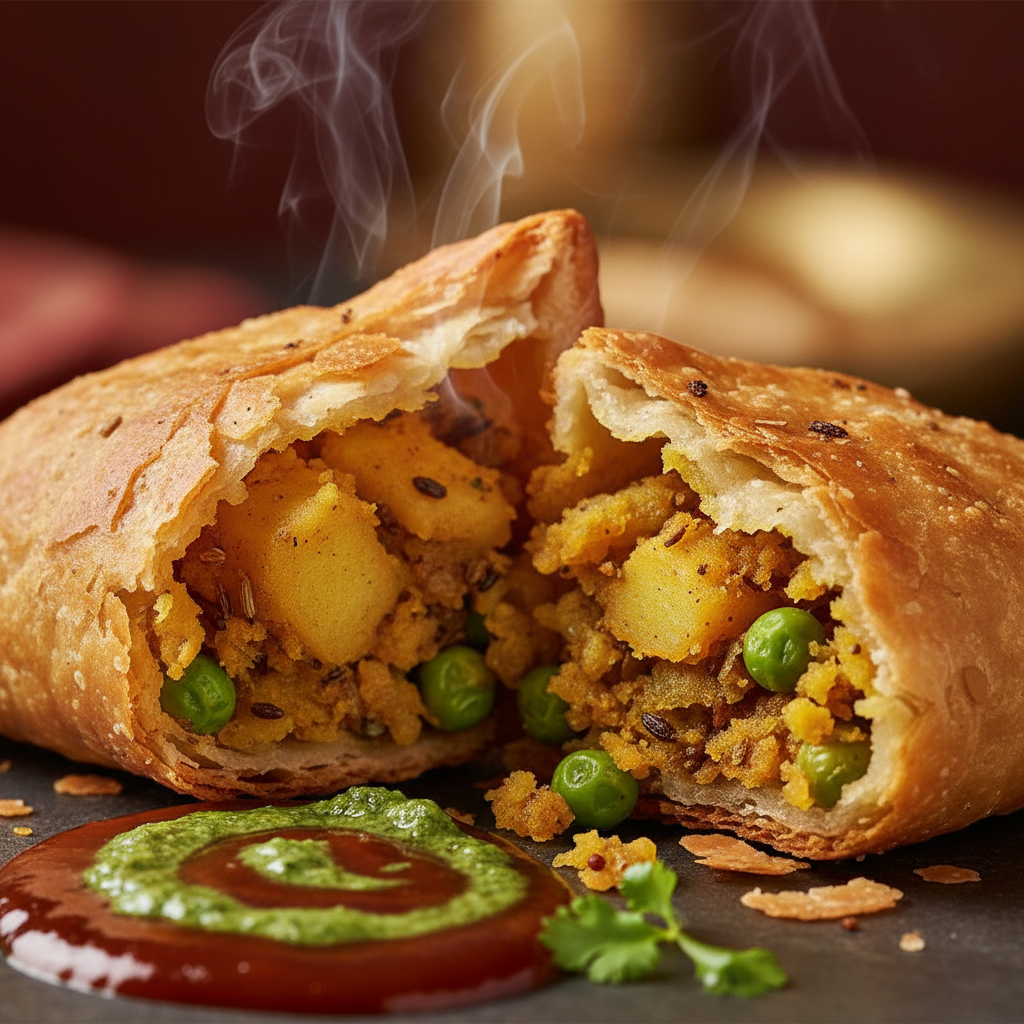
Types of Indian Snacks: From Samosas to Aloo Chaat
Indian snacks span fried fritters, stuffed breads, layered chaats, and festive mithai. At The Mithai Maharaja, you’ll find samosas and pakoras, chole bhature and Amritsari kulcha, bright chaats like aloo tikki chaat and dahi bhalla, plus Punjabi sweets including ladoo, gulab jamun, barfi, halwa, and fusion treats.
Fried and baked favorites
- Samosa: Flaky pastry with spiced potato and pea filling. See our samosa and pakora guide for texture tips.
- Pakora: Gram-flour fritters (paneer, gobhi, vegetable). Crisp edges, tender centers.
- Bread pakora: Bread slices dipped in batter and fried, often stuffed with spiced potatoes.
- Kachori & aloo kachori: Deep-fried rounds with spiced lentils or potatoes—great with chutneys.
Griddled breads and hearty plates
- Chole Bhature: Fluffy bhature with bold chickpeas. Read the complete guide to plan portions and pairings.
- Amritsari kulcha with chana: Tandoor-baked, stuffed bread with a chickpea side—filling and shareable.
- Bedmi puri aloo: Spiced whole-wheat pooris with savory potato curry, a Delhi favorite.
Chaats: built-to-order crunch
- Aloo tikki chaat: Crisp potato patties layered with chana, chutneys, and yogurt. See our tikki prep steps.
- Chaat papdi: Mini crisp wafers as the base, bright, tangy, and fast to assemble. Read the complete guide.
- Dahi bhalla: Soft lentil dumplings soaked in yogurt and topped with chutneys and spice.
- Raj kachori: A giant, crispy shell packed with fillings; explore the backstory in our street food history.
- Samosa chaat: Crushed samosa as a base, drenched with chana, chutneys, and yogurt—see how we build it.
Mithai and fusion sweets
- Ladoo & gulab jamun: Festive staples that travel well for office and family trays.
- Barfi, kalakand, halwa, and pinni: Punjabi sweets that pair naturally with chai.
- Fusion mithai: Modern spins that still honor desi ghee and craft.
For a deeper Punjabi sweets dive, skim our overview of Punjabi sweets and treats. And if you love the tangy-potato profile, bookmark our take on aloo chaat within the North Indian street food culture article for pairing ideas.
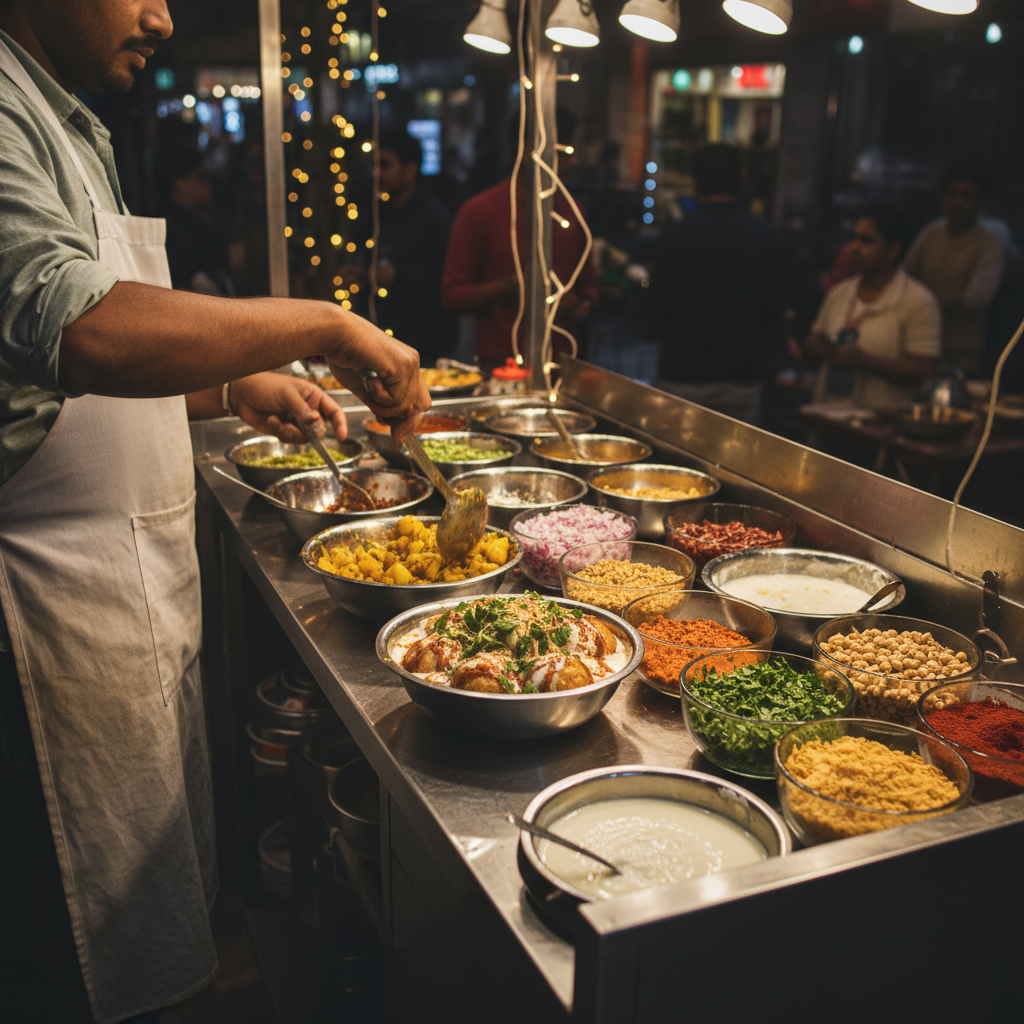
Best Practices for Ordering and Serving
The best way to serve Indian snacks is to plan for heat and texture: keep fried items hot and vented, assemble chaats at the last minute, and label vegetarian and dairy. Stagger service in small batches so everything stays crisp. Pair with chai and a few mithai pieces for a complete experience.
Actionable hosting tips
- Batch smart: Hold pakoras in a warm, vented container; refresh in a hot oven just before serving.
- Assemble-last chaats: Keep bases and wet toppings separate until guests arrive to preserve crunch.
- Label clearly: Note dairy, gluten, and nuts. Use color-coded picks for quick recognition.
- Mix formats: Offer a fried bite, a hearty bread plate, a bright chaat, and 1–2 mithai.
- Pair beverages: Hot chai with fried snacks; chilled lassi or soda with spicy chaats.
Planning an office snack hour? Combine a pakora platter, samosa chaat kits, and an assortment of ladoo and barfi. For ideas on which fried bite to spotlight, compare textures in our samosa vs. pakora guide.
Local considerations for Brampton
- Weekend and festival surges increase lead times, finalize snack and mithai assortments early, especially for wedding functions.
- Cold weather favors heartier plates like chole bhature and kulcha with chana; summer gatherings lean toward chaats and chilled beverages.
- For workplace events, prioritize clean, handheld formats (samosas, pakoras, and boxed mithai) that minimize on-site mess.
Tools and Resources: Menus, Pairings, and Serving Gear
Use simple tools to streamline service: squeeze bottles for chutneys, oven-safe trays with racks for crisping, and clear labels for allergens. Coordinate pickup windows and set up a chaat station with bowls and spoons. Combine hot chai service with one premium mithai box for a polished finish.
- Menu planning: Start with one fried bite, one bread-and-chana plate, one chaat, and two mithai items.
- Serving gear: Small bowls, tasting spoons, tongs, squeeze bottles, and lined sheet pans.
- Coordination: Stagger pickup so fried items land close to service time.
- Catering-ready: If you’re scaling up, discuss flow and labeling with our team when you place your order.
Looking for menu inspiration outside Brampton? Browse curated ideas on regional Indian food events, scan example menus from event planners, and explore Indian-fusion menus for pairing sparks.
Case Studies and Real-World Plates
Great results come from simple, thoughtful mixes: a fried star, a hearty bread plate, a bright chaat, and two mithai. These three Brampton-ready scenarios show how to scale Indian snacks for a family puja, an office break, and a wedding sangeet, without sacrificing crunch, temperature, or presentation.
Family puja spread (10–12 guests)
- Samosas with mint chutney for arrival snacking.
- Aloo tikki chaat assembled at the table for fun and freshness.
- Ladoo and gulab jamun tray to close on a sweet note.
Pro move: Pre-portion chutneys in small cups so guests can build their own chaat. For technique, review our aloo tikki steps.
Office snack hour (20–30 people)
- Pakora mix (paneer, gobhi, vegetable) in vented trays; refresh in a hot oven just before serving.
- Samosa chaat bar with chana, yogurt, and chutneys in squeeze bottles for easy self-serve.
- Barfi assortment for handheld sweets.
Tip: Set a runner to swap in fresh trays every 15–20 minutes. See how we structure samosa-based plates in our samosa chaat guide.
Wedding sangeet grazing table (80–120 guests)
- Live-feel chaat station: aloo tikki chaat and dahi bhalla on rotation.
- Hearty anchors: chole bhature and Amritsari kulcha with chana.
- Gift-ready mithai boxes staged near the exit as sweet favors.
Design note: Alternate heights with risers and cake stands to showcase textures and colors. For history and wow-factor ideas, skim our Raj Kachori story.
Planning a Brampton event? Tell us your guest count, spice range, and dietary notes. We’ll map a balanced mix of fried, hearty, chaat, and mithai plates, plus labeling and pickup timing, so your spread stays crisp and organized.
Frequently Asked Questions
These quick answers cover the differences between chaats and pakoras, portion planning, travel tips, and how to keep Indian snacks crisp. Use them as a checklist when ordering for family gatherings, office hours, or wedding events in and around Brampton.
What’s the difference between chaat and pakora?
Chaat is a layered, made-to-order plate built on a crunchy base with chutneys, yogurt, and spice. Pakora is a fritter, vegetables, paneer, or bread dipped in gram-flour batter and fried. Chaat is assembled at the last minute; pakoras are best held hot and vented.
How should I plan portions for mixed groups?
Aim for variety over volume. For a casual spread, include one fried bite, one hearty bread-and-chana plate, one chaat, and two mithai items. Offer both mild and medium spice options and keep dairy toppings on the side for flexibility.
Which Indian snacks travel best for takeout?
Samosas, mixed pakoras, and boxed mithai travel well. For chaats, keep crunchy bases and wet toppings separate and assemble at home. Hearty plates like chole bhature and Amritsari kulcha with chana also work if you reheat breads briefly before serving.
How do I keep fried snacks crisp during service?
Vent containers, avoid stacking tightly, and refresh trays in a hot oven for a few minutes before serving. Keep sauces and yogurt separate until the last minute. Stagger service so you’re always presenting a fresh, hot batch.
Conclusion and Next Steps
A great Indian snacks spread balances crunch, warmth, tang, and sweetness. In Brampton, The Mithai Maharaja makes planning easy with authentic halwai craftsmanship, vegetarian breadth, and gift-ready presentation. Use the checklists above to assemble a memorable mix for family, office, or wedding events.
Key takeaways
- Build contrast: a fried star, a hearty bread plate, a bright chaat, and mithai.
- Protect texture: assemble chaats last and keep fried bites vented and hot.
- Label wisely: flag dairy, gluten, and nuts for stress-free sharing.
- Finish strong: pair with chai and an elegant mithai box for gifting.
What to do next
- Pick one item from each category (fried, bread, chaat, mithai).
- Decide spice levels and toppings to offer on the side.
- Set pickup timing so hot items land close to service.
- Contact our team with guest count and dietary notes to fine-tune your mix.