Indian sweets (mithai) are handcrafted desserts made from milk solids, nuts, flours, and aromatic spices, often enriched with pure desi ghee and finished with syrup or nut garnishes. In Brampton, The Mithai Maharaja prepares premium mithai daily, pairing heritage with elegant presentation. This complete guide explains how to choose, serve, and gift the right treats for every occasion.
By The Mithai Maharaja • Last updated: 2026-06-03
Above-Fold Overview & Table of Contents
Use this guide to understand Indian sweets (mithai), why they matter at celebrations, how halwai craft them, and which varieties fit your event. Jump to types and textures, storage and plating, or real-world assortments. Save the checklists so your next Brampton order feels effortless and truly memorable.
- What Is Mithai?
- Why Mithai Matters
- How Mithai Is Crafted
- Types, Textures, and Occasions
- Best Practices
- Tools & Resources
- Case Studies & Examples
- Frequently Asked Questions
- Key Takeaways
Quick Summary
Mithai spans milk-based fudges, syrup-soaked bites, nut confections, and festival classics. The best choice depends on guest count, season, and dietary notes. For gifting, mix colors and textures; for events, pair mithai with chaats, thalis, and chai so guests transition naturally from savory to sweet.
What Is Indian Sweets (Mithai)?
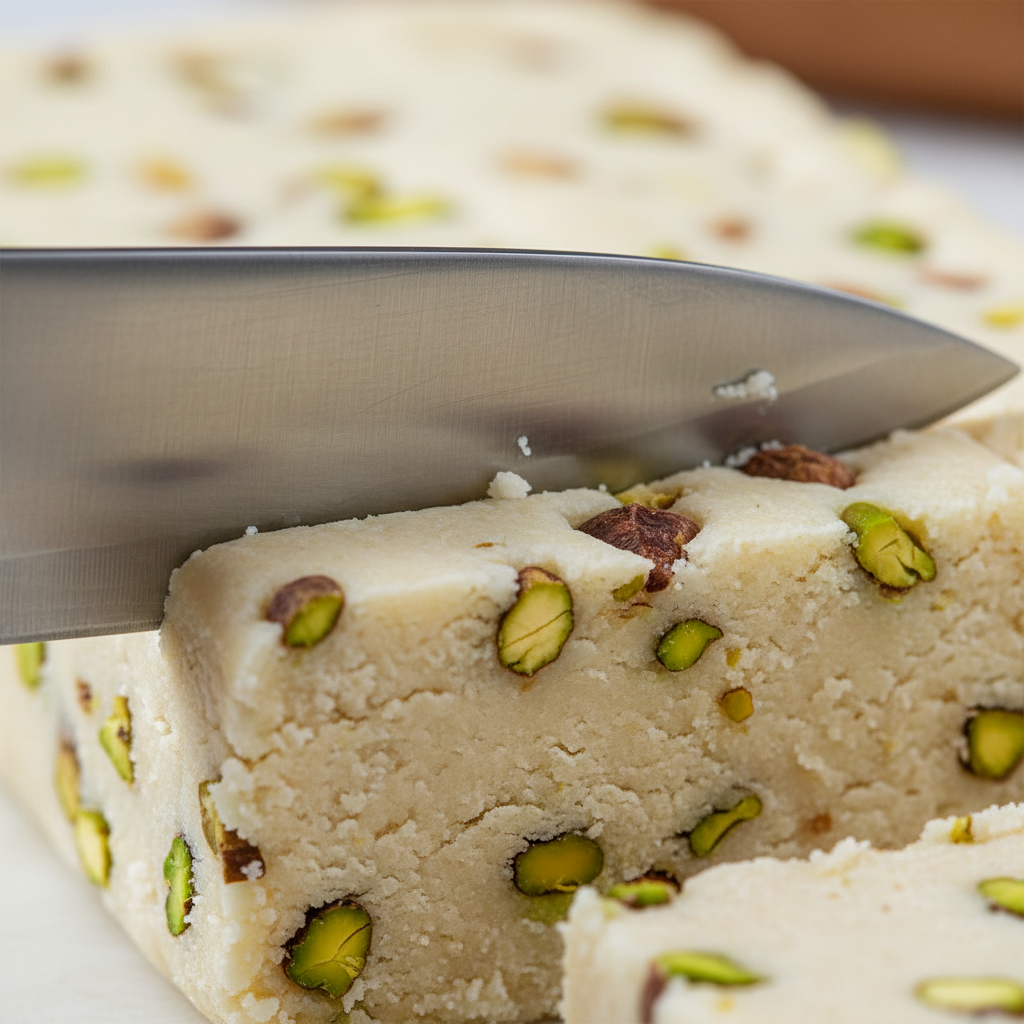
Indian sweets, or mithai, are traditional desserts prepared by expert halwais using milk solids (khoya), ghee, flours, nuts, and aromatics like cardamom and saffron. They symbolize celebration and hospitality and often appear with savory snacks and chaats at gatherings, weddings, and festivals.
The Mithai Maharaja’s ethos, “Crafted in Heritage, Served with Royalty”, guides how we handcraft barfi, kalakand, ladoo, gulab jamun, halwa, and pinni. Our fifth‑generation halwai lineage (originating in 1938) preserves the real techniques: reducing milk patiently, balancing chashni (sugar syrup), and finishing each piece with clean cuts and elegant garnish.
Looking to compare classic and modern options side by side? Our internal primer on selection principles in the premium mithai selection guide explains textures, shelf life, and guest-friendly pairings in more detail.
Why Mithai Matters for Celebrations and Daily Joy
Mithai anchors festivals, weddings, and milestones because it represents goodwill and abundance. Sharing sweets marks beginnings, thanks, and togetherness. In Brampton, a well-curated mithai box bridges traditions, equally welcome at homes, offices, and community events year-round.
What most hosts discover is simple: a balanced assortment delights everyone. Pair a creamy milk sweet (kalakand) with something syrupy (gulab jamun), add a nut-forward classic (kaju katli), and round things out with a festival staple (pinni or halwa). That four‑piece pattern covers textures, colors, and comfort.
- Signal the moment: Offering mithai cues guests that something special is happening.
- Serve across ages: Milk sweets and ladoo are often hits with kids and seniors alike.
- Mix with savory: Chaat bites before sweets keep palates bright and service flowing.
- Gifting power: Rigid, elegant boxes protect shape and elevate presentation.
For seasonal ideas and color-forward assortments, browse our Diwali sweets suggestions with notes on variety, display, and storage.
How Mithai Is Crafted: The Halwai Method
Great mithai relies on control of time, temperature, and moisture. Halwais reduce milk to khoya, roast flours evenly for aroma, clarify ghee, and temper syrups precisely. These fundamentals yield clean slices, springy syrupy bites, and balanced sweetness that lets natural flavors come through.
In our kitchen, technique drives consistency:
- Milk reduction (khoya): Slow simmering concentrates milk solids for fudgy barfi and kalakand.
- Roasting flours: Gentle, even heat coaxes nutty notes for besan ladoo and halwa bases.
- Chashni control: Single- or two-thread syrups set texture and sheen without cloying sweetness.
- Ghee clarity: Clean ghee carries aroma and prevents greasy finishes.
- Finishing & cut: Sharp edges, uniform size, and thoughtful garnish make boxes gift-ready.
Process at a glance:
| Step | Focus | Texture Cue | Action Tip |
|---|---|---|---|
| Reduce | Milk to khoya | Thick, spoon trails | Stir to prevent scorching |
| Roast | Flour/nuts | Even golden aroma | Maintain low, steady heat |
| Sweeten | Chashni threads | Gloss without crystals | Test between fingers (cooled) |
| Set | Spread/cool | Holds clean slice | Line trays; avoid humidity |
| Finish | Garnish/box | Uniform pieces | Use rigid inserts |
Curious how condensed milk changes textures and timelines? See our guide to Indian sweets with condensed milk for make-ahead advantages and flavor trade‑offs.
Types/Methods/Approaches: Flavors, Textures, and Occasions
Mithai spans milk-based fudges (barfi, kalakand), syrup-soaked treats (gulab jamun), flour-roasted sweets (besan ladoo), nut confections (kaju katli), and festival items (pinni, gajar or suji halwa). Choose by texture, shelf life, and guest preferences, and mix colors for visual appeal.
Core categories and how to use them
-
Milk-based: Barfi, kalakand
- Texture: Fudgy to grainy-creamy
- Best for: All-ages gifting; elegant assortments
- Tip: Chill slightly for neat slices; let aromas bloom at room temp before serving.
-
Syrup-soaked: Gulab jamun
- Texture: Soft, syrupy, fragrant
- Best for: Warm dessert moments with chai
- Tip: Warm gently just before service; don’t over‑soak.
-
Flour-roasted: Besan ladoo
- Texture: Nutty, delicate crumb
- Best for: Festivals and travel‑friendly gifts
- Tip: Airtight storage preserves aroma and shape.
-
Nut-based: Kaju katli, pista rolls
- Texture: Firm and silky
- Best for: Corporate and premium gifting
- Tip: Separate layers with parchment to prevent smudging.
-
Festival & winter: Pinni, halwa varieties
- Texture: Hearty, aromatic warmth
- Best for: Cooler weather and family brunches
- Tip: Warm before serving; portion for tidy plates.
Quick comparison for planning:
| Category | Signature Examples | Visual Color | Good For | Storage Notes |
|---|---|---|---|---|
| Milk-based | Barfi, Kalakand | White/cream with pista | Gifting, all-ages | Cool, airtight |
| Syrup-soaked | Gulab Jamun | Amber-gold | Warm service | Reheat gently |
| Flour-roasted | Besan Ladoo | Golden | Festivals | Room temp, sealed |
| Nut-based | Kaju Katli | Pale silver sheen | Corporate gifts | Dry, cool |
| Festival | Pinni, Halwa | Warm brown/orange | Cold weather | Warm before serving |
Local considerations for Brampton
- Festival rushes increase lead times; finalize assortments early for smooth pickup and gifting.
- Cold months favor warm halwa and pinni; summer events lean toward barfi, kalakand, and nut sweets.
- For office drop-offs, request rigid inserts so pieces arrive pristine despite short drives.
Exploring modern twists? Fusion sweets and vibrant chaats like aloo chaat add color and crunch to dessert tables. For crowd‑pleasing dessert ideas, check our popular Indian desserts overview to round out your menu.
Best Practices: Buying, Storing, Plating, and Gifting
Buy fresh from a trusted halwai, plan 2–3 pieces per guest, store cool and airtight, and plate for contrast. Warm syrup sweets just before serving and note dairy/nut allergens. For gifting, include 3–4 textures and at least one familiar classic everyone recognizes.
Action checklist for hosts
- Estimate portions: 2–3 pieces per guest; add a 10–15% buffer for seconds.
- Balance the box: 40% milk-based, 30% nut-based, 20% syrupy, 10% seasonal/fusion.
- Mind shelf life: Enjoy milk sweets within a few days; dry sweets last longer sealed.
- Stage the flow: Chaats/snacks first, mains next, mithai and chai to finish.
- Label allergens: Note dairy and nuts; offer plain options for cautious guests.
- Plate smart: Alternate light/dark colors; provide small tongs and liner papers.
Mid-article CTA: Plan your assortment with us
Want a hand tailoring textures and colors to your crowd? Speak with our halwai team and review designs in the celebration customization options. We’ll match mithai with chaats, thalis, and beverages so everything lands on time and looks impeccable.
Service tips from a fifth‑generation halwai team
- Temperature timing: Remove barfi from cool storage 15–20 minutes before slicing.
- Transport: Use rigid inserts and flat placement; avoid stacking mixed textures.
- Tea pairing: Cardamom, masala chai, or light saffron tea flatters most assortments.
- Display rhythm: Refresh trays in 20–30 minute intervals to maintain visual appeal.
Tools & Resources
Use these planning tools: a one‑box checklist, pairing roadmap with chaats and beverages, and guidance for corporate gifting. Coordinate mithai with snacks and thalis so guests move from savory to sweet without crowding the table or over-ordering.
- One-box checklist: 1 milk-based, 1 syrup-soaked, 1 nut-based, 1 festival pick; add a colorful fusion piece.
- Pairing roadmap: Samosa or chaat first; thali mains; mithai and chai finale.
- Corporate sets: Prioritize clean slices (kaju katli, barfi) and travel-stable pieces with inserts.
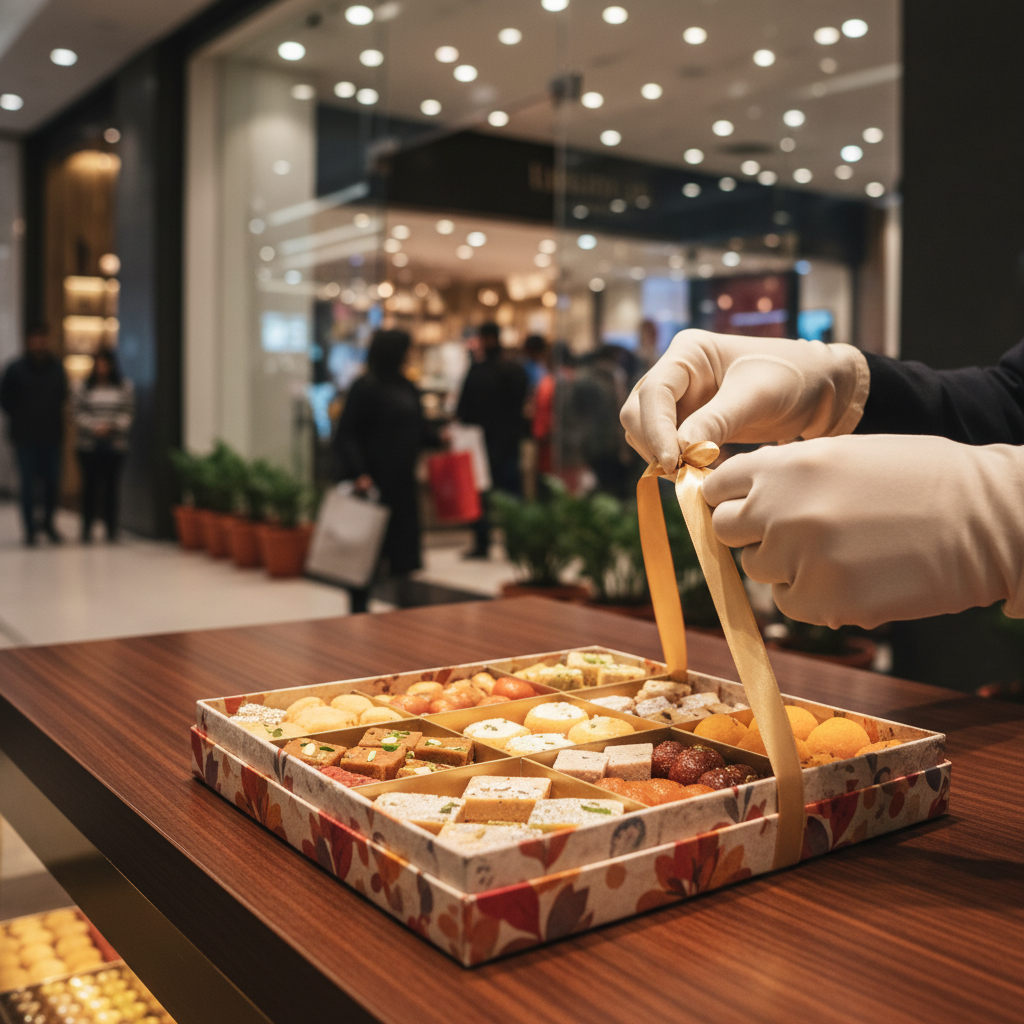
- Gifting elegance: Gold or neutral liners plus pistachio contrast elevate unboxing moments.
For business gifts and team celebrations, see ideas in our corporate mithai gifting guide, including presentation styles and assortment logic for different departments or client visits.
Case Studies & Real-World Examples
See how Brampton hosts and teams use mithai successfully: a wedding welcome box, a corporate Diwali hamper, and a kids’ birthday dessert table. Note the mix of textures, allergen notes, and smart pairings with chaats, thalis, and warm beverages.
Wedding welcome box
- Goal: Elegant first impression for out‑of‑town guests.
- Assortment: Pistachio barfi, kaju katli, gulab jamun duo-cups, and pinni squares.
- Pairings: Special handmade samosas and light masala chai upon arrival.
- Outcome: Clear labels and rigid inserts kept pieces pristine from morning through reception.
Corporate Diwali hamper
- Goal: Shareable, office-friendly sweets with minimal crumb.
- Assortment: Kaju katli, pista roll, besan ladoo; limited syrup items for desk safety.
- Pairings: Bite-size chaat papdi cups for a one‑hand experience.
- Outcome: Fast setup; easy cleanup. Team noted steady nibbling across the afternoon.
Kids’ birthday dessert table
- Goal: Colorful, familiar flavors with easy portioning.
- Assortment: Kalakand tiles, mini ladoo, a few fusion accents; warm gulab jamun as the show‑stopper.
- Pairings: Aloo tikki chaat earlier in the party to keep energy balanced.
- Outcome: Small tongs and liner papers kept the table tidy; warm dessert created a fun “finale.”
Frequently Asked Questions
These quick answers help you buy, store, and serve mithai confidently. Each one reflects real questions we hear in Brampton from families, event planners, and corporate teams preparing celebrations or gifting.
What’s the difference between barfi and kalakand?
Both are milk-based. Barfi sets firmer and slices cleanly, often topped with nuts or silver leaf. Kalakand keeps a moist, grainy texture from reduced milk. Serve barfi slightly cool for sharp edges; let kalakand warm briefly to release aroma.
How should I store mithai after purchase?
Keep milk-based sweets cool and airtight and enjoy within a few days. Dry nut sweets last longer sealed. Warm syrup-soaked items gently just before serving to refresh texture. Avoid direct sunlight and strong refrigerator odors.
What’s a smart assortment for gifting?
Mix 3–4 textures and colors: a milk fudge (barfi or kalakand), a syrup piece (gulab jamun), a nut sweet (kaju katli), and a festival pick (pinni or halwa). Add a fusion piece for a modern pop of color and flavor.
Can mithai be served with chaats and thalis?
Yes. Offer chaats and savory snacks first, thali mains next, then a sweet break with chai. This flow keeps flavors bright and gives guests room to enjoy dessert without feeling rushed.
Key Takeaways
Choose mithai by texture, season, and audience; store cool and airtight; and plan 2–3 pieces per guest. For gifting, combine classics with one colorful, modern piece. Pair chaats and thalis before dessert so your event ends on a high, balanced note.
- Mix milk-based, syrupy, nut-based, and festival picks for balance.
- Plan service flow: savory first, mithai and chai to finish.
- Use rigid inserts and labels for travel and office gifting.
- Explore selection tips in our premium guide.
Conclusion: Bring Heritage to the Table
A thoughtful mithai assortment turns simple moments into celebrations. With fifth-generation halwai craft and elegant packaging, The Mithai Maharaja helps Brampton families, offices, and event teams serve sweets with confidence—rooted in heritage and finished with modern polish.
Ready to plan your box or buffet? Explore ideas for festivals in our Diwali sweets guide and texture-forward advice in the premium selection guide. Then drop by or order online to finalize your assortment.
Friendly next step: If you’re coordinating wedding favors or corporate hampers, our corporate gifting guide shows presentation formats and labeling tips. We’d love to help you design a Brampton-worthy unboxing moment.