“A list of Indian sweets and desserts” is a curated, categorized overview of mithai styles, from milk-based treats to syrup-soaked classics, explained for quick selection and gifting. In Brampton, The Mithai Maharaja prepares this full spectrum with pure desi ghee and fifth-generation halwai craft, helping you choose confidently for everyday enjoyment, gifting, or special events.
By The Mithai Maharaja · Last updated: 2026-06-10
Quick Summary
Indian mithai spans milk, flour, and nut-based confections shaped into bites, discs, or coils, often finished in saffron-cardamom syrup or fragrant ghee. This guide highlights five timeless picks, a quick comparison table, buying tips, and Brampton‑specific notes so you can select the right sweets for gifting, catering, and celebrations.
Here’s what you’ll get in minutes:
- Clear definitions of signature mithai families with texture, richness, and serving notes.
- A quick table comparing sweetness levels, base ingredients, and best uses.
- Five detailed picks, each with flavor cues, storage, and pairing ideas.
- Local guidance for Brampton celebrations and vegetarian requirements.
- Actionable checklists for gifting, catering, and festival planning.
Seasonal note: demand typically peaks twice a year, during autumn festivals, often in October and November, and around the spring wedding season. Ordering 3 to 7 days in advance can help secure fresh batches and preferred gift box options.
List of Indian sweets and desserts: Quick Comparison Table
Use this table to match a sweet to your moment, whether for tea time, gifting, or a wedding dessert course. Compare base ingredients, texture, and typical sweetness at a glance, then explore the detailed sections for storage, allergens, and pairing ideas from The Mithai Maharaja’s Brampton kitchen.
| Sweet | Base | Texture | Sweetness (1–5) | Nuts? | Best For |
|---|---|---|---|---|---|
| Gulab Jamun | Khoya (milk solids) | Soft, syrupy | 4 | Optional garnish | Warm desserts, celebrations |
| Barfi | Khoya or milk powder | Fudgy, dense | 3 | Often pistachio/almond | Gifting, tea trays |
| Jalebi | Fermented batter | Crisp outside, syrupy | 4–5 | No (traditionally) | Fresh hot snacks, breakfasts |
| Rasmalai | Chenna + reduced milk | Spongy, creamy | 3–4 | Optional garnish | Plated desserts, dinner parties |
| Ladoo | Besan/boondi/semolina | Soft, crumbly spheres | 3–4 | Often cashew/almond | Festivals, prasad, travel |
Tip: Mixed mithai boxes typically balance 2–3 milk sweets with 2–3 dry pieces for texture variety. A 12–24 piece range suits most family gatherings; larger parties often scale to 48–100 bite‑size portions per table.
Our Top Pick: Gulab Jamun (#1)
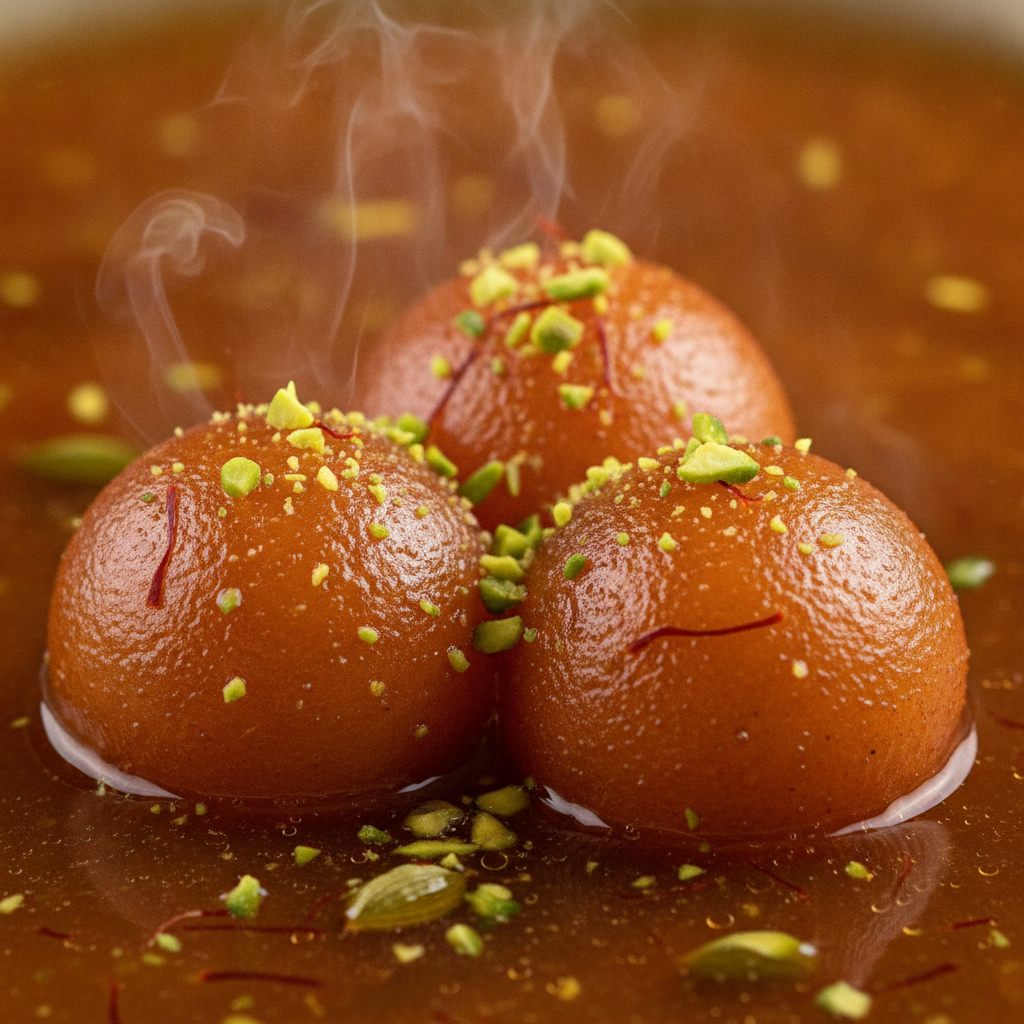
Gulab jamun is a soft, fried khoya dumpling soaked in saffron‑cardamom syrup until it turns plush and aromatic. Serve warm within 20–30 minutes of soaking for peak texture; a single piece typically weighs about 25–30 grams, making it ideal for plated desserts or party trays.
Why it stands out:
- Universal appeal: The tender crumb and rose‑saffron syrup win across ages, from kids to grandparents.
- Service flexibility: Works warm as dessert or at room temperature on buffet spreads (68–72°F service zone).
- Elegant finish: Pistachio slivers or edible silver leaf elevate presentation in gift boxes.
Technical cues we follow in our Brampton kitchen:
- Frying temperature: Maintain ~325°F oil to prevent surface browning before the core cooks.
- Syrup ratio: A classic 1:1 sugar-to-water base, simmered 8–10 minutes to light one‑thread (~105°C), then perfumed with cardamom and saffron.
- Soak time: 20–30 minutes allows 12–15% syrup uptake for plushness without collapse.
Serving and storage:
- Plate 2 pieces per guest for dinners; 1 piece for large walk‑around receptions.
- Refrigerate leftovers within 2 hours; enjoy within 48 hours for best bite.
- Pair with vanilla rabri or kulfi for a two‑texture dessert course.
Want more warm‑dessert ideas? Explore our gulab jamun guide and our broader Indian sweets overview for inspiration.
Barfi (#2): The Fudgy Classic for Gifting
Barfi is a dense, fudge‑like mithai made from reduced milk solids set into squares or diamonds. Ideal for gifting, it holds shape in transit and offers moderate sweetness. A standard piece measures about 1–1.5 inches per side and 8–12 mm thick—perfect for elegant assortments and tea trays.
Why hosts love it:
- Travel‑friendly: Dry finish keeps trays neat and boxes pristine, even after 30–60 minutes of transport.
- Endless flavors: Pista, almond, coconut, chocolate, and saffron varieties cover classic and modern palates.
- Decorative look: Garnishes add color contrast that photographs beautifully for weddings.
Craft details from our halwai bench:
- Milk reduction: Traditional milk solids concentrate to ~25–30% of original volume for a smooth, non‑grainy bite.
- Setting window: 20–40 minutes, depending on ambient room temperature (aim for 70–73°F while cutting).
- Nut balance: We suggest 6–10% nut inclusion by weight for texture without crumbling.
Selection tips:
- For mixed boxes, pair pista barfi with a white coconut barfi for visual contrast.
- Plan 2–3 varieties per 12–24 piece box so each guest experiences different textures.
- Check garnish clarity: clean pistachio lines or silver leaf often signal careful finishing.
Browse seasonal picks in our new sweets guide or see the Punjabi sweets spotlight for traditional inspirations.
Jalebi (#3): Hot, Crisp, Syrup‑Laced Spirals
Jalebi is a festival‑favorite spiral made from lightly fermented batter, fried, and plunged into hot sugar syrup. For signature snap, syrup should be at one‑thread (~105°C) and the jalebi rested 2–3 minutes before serving. Expect 4–6 coils per piece and a striking saffron‑orange glow.
Why it’s a crowd‑pleaser:
- Texture play: Crisp shell outside, syrup glisten inside—great with chai or yogurt.
- Action serving: Live stations turn out 60–120 pieces per hour, exciting for receptions.
- Versatile pairings: Try with rabri (2–3 tablespoons per portion) for a hot‑cold contrast.
Technique notes we use:
- Ferment time: 8–12 hours depending on room warmth; aim for mild tang, not sourness.
- Frying oil: 340–350°F keeps color bright while setting crispness.
- Syrup dip: 45–60 seconds ensures uptake without sogginess; drain 10–15 seconds before plating.
Planning tip: For breakfast events, jalebi pairs well with our Indian sweets guide suggestions and Delhi‑style snacks like chole bhature from our savory menu. If you’re exploring fusion desserts for corporate socials, browse Indian fusion ideas to spark concepts you can tailor with mithai.
Rasmalai (#4): Soft Discs in Saffron Milk
Rasmalai features spongy chenna discs gently compressed and soaked in chilled, reduced milk (rabri) scented with saffron and cardamom. Reduce milk by 40–50% for velvety body, then chill 2–4 hours. Discs are typically 2.5–3 inches wide, making a refined plated dessert or buffet cup.
Why it feels luxurious:
- Creamy lightness: Despite richness, the cool finish tastes lighter than many ghee‑forward bites.
- Beautiful in cups: Single‑serve portions (120–150 ml) simplify buffets and portion control.
- Color pop: A few saffron strands and pistachio shards add instant festive appeal.
Execution guardrails we follow:
- Rabri thickness: Nap‑the‑spoon consistency; aim for slow ribboning off a spoon (about 3–4 seconds).
- Syrup balance: Keep sweetness moderate (3/5 on our table) so cardamom aroma leads.
- Holding time: Best within 24–36 hours refrigerated; always keep under 41°F for food safety.
Pro move: Garnish right before service to keep pistachios crisp. For wedding tasting boxes, pair rasmalai with pista barfi and a light coconut piece for a three‑texture flight. See seasonal dessert curation in our Diwali sweets guide.
Ladoo (#5): Festive Spheres That Travel Well
Ladoo are hand‑rolled spheres made from besan, boondi, or semolina, bound with ghee and cardamom. Boondi pearls average 3–4 mm and bind best with 5–7% ghee by weight. Because they’re “dry” and sturdy, they’re excellent for travel, prasad, and outdoor events.
Why families pick them:
- Kid‑friendly sizes: 1–1.25‑inch spheres suit small hands and snack breaks.
- Less mess: No syrup drip on car seats or outfits, great for school functions.
- Flavor range: Motichoor, besan, boondi, coconut, and dryfruit variations keep plates interesting.
Craft choices at our shop:
- Roast level: Besan is slow‑roasted 12–16 minutes until nutty; avoid dark browning.
- Cardamom cue: 0.3–0.5% by weight lifts aroma without dominating.
- Finish: A light nut crust improves grip and reduces surface stickiness during transport.
Pack 2–3 per person for festivals; combine with jalebi and barfi for color and texture cadence. For cultural context and more family‑friendly picks, read our Punjabi sweets story.
How to Choose the Right Mithai for Gifting, Catering, and Daily Treats
Choose mithai by aligning flavor, texture, dietary needs, and logistics. Balance 2–3 milk sweets with 2–3 dry pieces per box, confirm nut allergens, and plan 1–2 bites per guest per course. For large receptions, prioritize items that hold quality 60–120 minutes on buffet.
Selection checklist
- Audience profile: For mixed ages, anchor on gulab jamun and barfi; add one crisp element like jalebi.
- Dietary guardrails: Confirm vegetarian needs and nut allergies early. For strict Jain menus, design around no‑root snacks and nut‑free sweets; browse regional context like Jain‑friendly menus when planning.
- Service conditions: Outdoor setups favor ladoo and barfi; indoor plated dinners spotlight rasmalai or warm gulab jamun.
- Visual balance: Mix colors: saffron jalebi, white rasmalai, green pista barfi, golden ladoo.
- Portion math: Cocktail events: 1 piece/guest/45–60 minutes; seated dinners: 2 pieces/guest for dessert.
Local considerations for Brampton
- Festival volumes can surge; pre‑book gift boxes and wedding platters 3–7 days ahead to secure fresh batches.
- Winter travel adds time; choose sturdier pieces (barfi, ladoo) for road‑friendly gifting and keep chilled items insulated.
- Corporate teams often request vegetarian, egg‑free desserts; plan mixed boxes that clearly label nut‑free picks.
Planning an event menu? For venue‑style inspiration on Indian food programming, review Indian food event tips, then tailor your dessert course with us. Looking to modernize a spread? Skim Indian fusion ideas and pair them with classic mithai anchors.

Soft CTA: Curate your box with our halwai team, start with the premium mithai selection guide and explore seasonal favorites in our popular desserts roundup.
Buying Guide (Storage, Freshness, Packaging)
Buy mithai the way chefs plate courses: match moisture, hold time, and packaging to the occasion. Refrigerate high‑moisture sweets within 2 hours, enjoy within 24–48 hours, and favor dry picks for travel. Choose snug dividers and food‑safe liners to keep garnishes crisp.
Storage timelines
- High moisture (rasmalai): Refrigerate immediately; best in 24–36 hours.
- Syrup sweets (gulab jamun, jalebi): Cover and chill; warm gently before service within 24–48 hours.
- Dry sweets (barfi, ladoo): Cool, dry place; many hold 3–5 days depending on inclusions.
Packaging that protects
- Dividers: 12–24 slot inserts prevent flavor transfer and keep pieces upright.
- Linings: Butter paper or food‑safe parchment absorbs micro‑moisture to preserve gloss.
- Labels: Clear nut and dairy flags reduce service delays and guest questions by 30–40% at buffets.
Pairing roadmap
- Tea service (3–5 pm): Coconut barfi + motichoor ladoo + mini samosas.
- Plated dinner: Rasmalai cup (120–150 ml) + warm gulab jamun (1 piece) + pistachio shards.
- Take‑home favors: 2–4 assorted pieces in an elegant, gift‑ready box with color‑matched ribbon.
Frequently Asked Questions
These quick answers cover portions, storage, and dietary notes. Each response is concise and practical so you can finalize plans fast for family celebrations, corporate meetings, or wedding receptions in Brampton.
How many pieces should I order per guest?
For cocktail-style events, plan 1 piece per guest per 45–60 minutes. For a seated dessert course, budget 2 pieces per guest, or 1 plated sweet (like rasmalai) plus 1 bite (like gulab jamun).
Which mithai work best for travel or outdoor events?
Choose drier picks that hold shape, such as barfi and ladoo. They tolerate 60–120 minutes on display better than high-moisture sweets. Use snug dividers and keep chilled items insulated in warm weather.
Are your sweets vegetarian and egg-free?
Yes—our mithai are prepared vegetarian and egg-free in the traditional halwai style. Always inform us of specific nut allergies so we can guide you to nut-free options and label boxes clearly.
What’s the difference between rasgulla and rasmalai?
Both start with chenna. Rasgulla is served in light sugar syrup, while rasmalai is pressed, then soaked in reduced milk (rabri) flavored with saffron and cardamom for a creamy finish.
Methodology: How We Selected These Five
We prioritized timeless popularity, balance across textures, and service reliability. Our halwai team reviewed 40+ recipes we make in Brampton, assessed hold time (30–120 minutes), and picked five staples that satisfy diverse palates while traveling and plating gracefully.
- Popularity signals: Evergreen demand during festivals and weddings over multiple seasons.
- Textural spectrum: Syrupy (gulab jamun), fudgy (barfi), crisp (jalebi), creamy (rasmalai), dry-travel (ladoo).
- Operational fit: Consistent quality in home boxes, office platters, and banquet buffets.
For deeper context on seasonal picks and curation frameworks, start with our popular desserts roundup and the premium selection guide.
Conclusion and Next Steps
From gulab jamun’s plush warmth to barfi’s gift-friendly elegance, these five sweets cover the core textures and occasions you’ll face when planning dessert moments. Use our tables and checklists to match portions, storage, and presentation for stress-free celebrations.
Key takeaways:
- Blend 2–3 milk sweets and 2–3 dry pieces in mixed boxes for balance.
- Confirm nut labels and service temperatures early to reduce buffet delays.
- Plan 1–2 pieces per guest, adjusting for pacing and plated courses.
- Choose packaging with dividers and liners to protect finish and aroma.
Ready to curate a box or plan a dessert station in Brampton? Talk to our halwai team, explore the Indian sweets guide, and review our seasonal festival picks to lock in flavors guests remember.