New Indian sweets are modern interpretations of classic mithai, curated in fresh, gift-ready boxes for celebrations and everyday treats. In Brampton, The Mithai Maharaja prepares these assortments with pure desi ghee, time-honored recipes, and elegant packaging so you can choose confidently for weddings, festivals, office gifts, or family gatherings.
By The Mithai Maharaja • Last updated: June 8, 2026
Your 2026 Fresh-Box Guide at a Glance
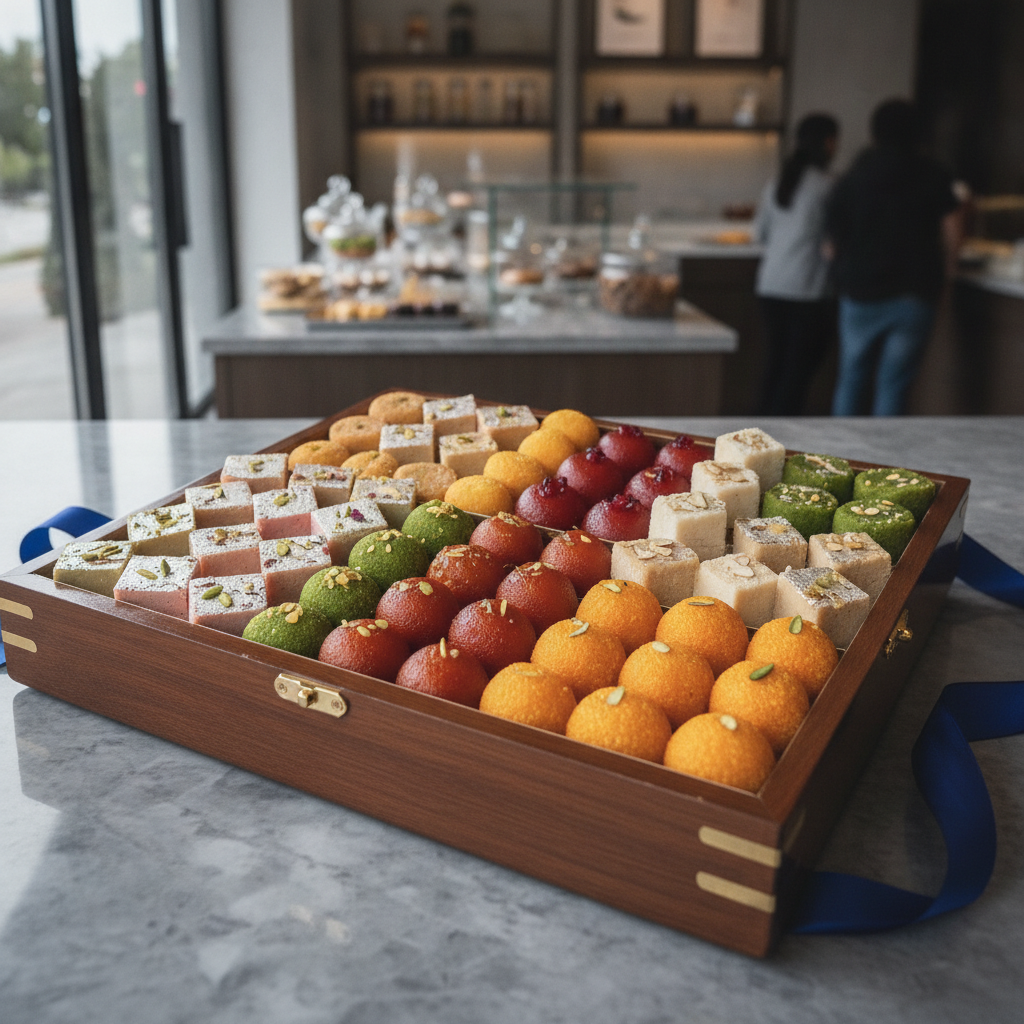
Use this guide to quickly compare new Indian sweets by flavor, texture, dietary tags, and occasion. You’ll see what goes into premium mithai boxes, how to plan portions for guests, freshness windows for storage, and which assortments from The Mithai Maharaja best fit weddings, festivals, and corporate gifting.
Here’s what you’ll learn and how to use it fast.
- What “new Indian sweets” means in 2026, and how it differs from traditional assortments
- Why fresh-box planning matters for weddings, festivals, offices, and daily treats
- How heritage techniques, pure desi ghee, and smart packaging work together
- Popular types: milk-based barfi, kalakand, gulab jamun, ladoo, fusion bites
- Best practices for freshness, portioning, and serving
- Actionable tools: a selection checklist, portion table, and planning template
Jump to a section:
- What Are New Indian Sweets?
- Why Fresh Mithai Boxes Matter
- How Premium Mithai Boxes Are Crafted
- Types of New Indian Sweets
- Choosing the Right Fresh Box
- Best Practices for Freshness & Serving
- Tools & Resources
- Case Studies from Brampton
- FAQ
- Key Takeaways
- Conclusion & Next Steps
What Are New Indian Sweets?
New Indian sweets are contemporary assortments of mithai that blend classic recipes with modern flavors and presentation. They emphasize premium ingredients like pure desi ghee, balanced textures, and gift-ready packaging, making them ideal for weddings, festivals, and corporate gifting without losing the soul of traditional halwai craft.
At The Mithai Maharaja, “new” doesn’t mean abandoning tradition, it means curating. We pair heritage favorites such as barfi, kalakand, ladoo, and gulab jamun with fusion bites and seasonal specials. The result is an assortment that looks refined, travels well, and tastes authentically Punjabi-Delhi while meeting today’s gifting standards.
- Core idea: Keep halwai craftsmanship; add modern curation and plating.
- Balanced box: Mix textures, fudgy, syrupy, flaky, and nutty, for interest.
- Audience fit: Families, couples planning weddings, corporate teams, and everyday snackers.
- Presentation: Gift-ready boxes with clean compartments and protective liners.
For a broader primer on mithai styles, see our Indian sweets guide and explore how classic profiles translate into today’s curated boxes.
Why Fresh Mithai Boxes Matter
Fresh mithai boxes remove the guesswork from gifting and events by standardizing portion sizes, dietary notes, and freshness windows. Curated assortments help you match flavors to audiences, reduce waste, and ensure a polished, ready-to-gift experience for weddings, festivals, offices, and at-home celebrations.
Why does this matter? Because sweets are a signal. The right box tells your guests they’re valued. A curated assortment reduces last-minute scrambling and covers dietary needs more reliably than ad-hoc picks. For planning, assume 2–3 pieces per guest for receptions and 3–4 for family-style gatherings; increase selection breadth as headcount rises.
- Consistency: Assortments standardize piece size and packaging, easing headcount math.
- Dietary clarity: Vegetarian-first menus with clear nut and dairy notes help everyone enjoy.
- Gifting polish: Premium boxes travel better and photograph beautifully for milestone moments.
- Reduced waste: Right-sizing portions cuts leftovers without leaving guests wanting.
To see how presentation elevates the moment, compare curations in our premium mithai selection guide, then align your box with the event’s tone and timeline.
How Premium Mithai Boxes Are Crafted
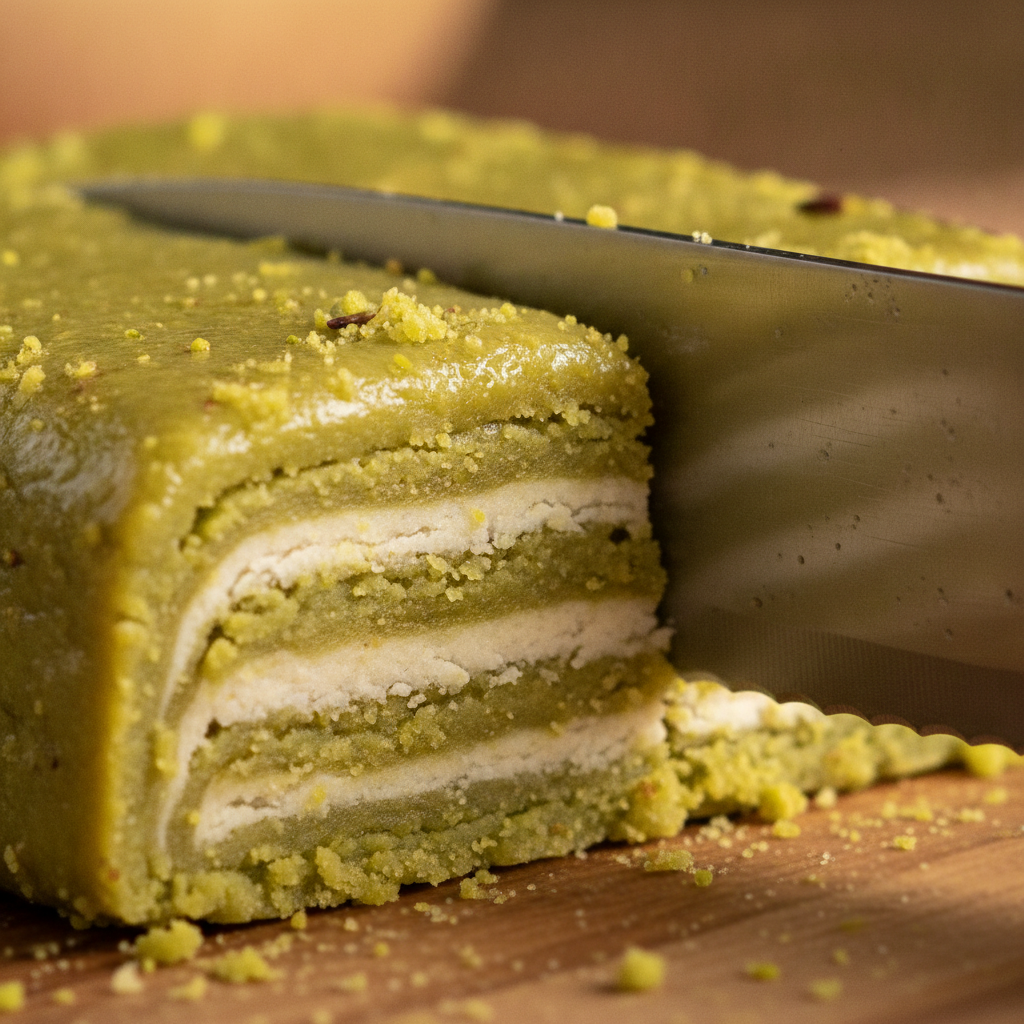
A premium mithai box combines halwai technique, top-tier ingredients, and protective packaging. Makers reduce milk for barfi and kalakand, fry syrup-soaked classics like gulab jamun in pure ghee, and finish with nuts and spices. The box’s dividers, liners, and airtight seal preserve texture and aroma in transit.
In our kitchen, craftsmanship starts with milk reduction, fresh khoya, and pure desi ghee. Syrup work demands precision so pieces absorb sweetness without turning soggy; frying temperatures stay consistent to keep interiors tender. Finally, packaging locks in aroma while preventing flavor transfer between, say, saffron-forward barfi and rose-cardamom bites.
- Milk science: Slow reduction yields dense, creamy bases for barfi and kalakand.
- Ghee control: Stable frying temps prevent greasy finishes and preserve crumb.
- Syrup balance: Right density means gulab jamun stays pillowy, not waterlogged.
- Packaging: Dividers and liners avoid smudging; seals protect freshness during delivery.
Want to go deeper into milk sweets? Our explainer on Indian sweets with condensed milk shows how different bases influence texture and shelf life.
Types of New Indian Sweets
New Indian sweets assortments group classics and modern bites into balanced sets: milk-based bars (barfi, kalakand), syrupy treats (gulab jamun), nut-forward squares, and fusion confections. Each category adds a distinct texture and flavor note so the box feels complete and guest-friendly.
Think of your box as a flavor “playlist.” Heavy, fudgy pieces anchor the set; lighter, aromatic picks keep it lively. We typically arrange 4–6 varieties per small box and 8–12 for larger sharers so every guest finds a favorite without crowding the tray.
Milk-based favorites
- Barfi treasures: Fudgy, smooth squares with pistachio or almond garnish.
- Kalakand: Milky, slightly granular bite with a gentle chew.
- Rabri-inspired bites: Creamy, cardamom-forward mini slabs for richer sets.
Syrup-soaked classics
- Gulab jamun: Soft, ghee-fried dough balls soaked in rose-cardamom syrup.
- Rasagulla-style pieces: Spongy, syrup-light options for guests who prefer less richness.
Nut-forward and texture plays
- Kaju or pista squares: Dense, aromatic, and visually striking in mixed boxes.
- Seedy brittles: Crunch elements to contrast softer milk sweets.
Fusion sweets that still feel Indian
- Chocolate-layered barfi: Cocoa-kissed finish without losing ghee warmth.
- Rose-pistachio truffles: Bite-size, floral, and photo-ready.
- Seasonal specials: Rotating flavors that keep the “new” in new Indian sweets.
For cultural context on classics and regional tastes, browse our popular Indian desserts overview or this deeper Punjabi sweets overview.
New Indian Sweets: What’s Inside a Fresh Box?
A well-built fresh box balances 4–12 varieties, mixes textures, and clearly marks nut and dairy content. Aim for 2–3 pieces per guest for casual events and 3–4 for full celebrations. Choose presentation that travels well and aligns with the occasion’s color palette and cultural tone.
Here’s a simple comparison to help you match the right curation to your moment.
| Box Style | Flavor Profile | Best For | Freshness Window | Dietary Notes |
|---|---|---|---|---|
| Classic Ghee Box | Rich, traditional, saffron/cardamom | Weddings, family gatherings | 1–2 days room temp; longer refrigerated | Vegetarian; nut-forward options marked |
| Milk Sweets Focus | Fudgy, creamy, milky | Festivals, office sharing | 1 day room temp; refrigerate for 3–4 | Contains dairy; nut garnish as labeled |
| Fusion Highlights | Playful twists, floral/cocoa accents | Corporate gifts, modern ceremonies | 1–2 days depending on item | Vegetarian; check nut notes |
| Festival Assortment | Broad variety, colorful | Diwali, Holi, Eid gatherings | 1–2 days room temp; refrigerate after | Mixed; labels clarify allergens |
A quick rule: smaller groups do better with tighter curations (4–6 varieties), while larger events benefit from breadth (8–12). For wedding welcome boxes, include at least one syrupy piece and one nut-forward square to keep palates engaged.
Best Practices for Freshness & Serving
Keep sweets out of direct heat, cover trays between service waves, and refrigerate dairy-forward pieces after the event window. Plan 2–4 pieces per guest depending on the occasion. Label nut-containing items clearly and place syrupy pieces in cups to prevent smudging during service.
These simple habits preserve texture and reduce leftovers. If you’re staging a grazing table, rotate trays every 30–45 minutes so guests always see a fresh face of the selection. For transport, choose snug boxes with dividers; loose packing causes scuffs and flavor transfer.
- Storage: Room-temp display for short windows; refrigerate milk-heavy pieces after.
- Labeling: Mark nuts and dairy prominently to ease guest choices.
- Serving tools: Tongs or parchment cups keep portions tidy and hygienic.
- Transport: Use insulated carriers for longer drives around the GTA.
Need help translating headcount into box sizes? Our Diwali sweets guide shows how variety and portioning play together during festival rushes.
Tools & Resources
Use a simple checklist, a quick portion planner, and visual cues from premium packaging to finalize your selection. These tools help you balance flavors, confirm dietary notes, and match presentation to the tone of your event without overbuying.
Here are the tools we share most with hosts and office admins in Brampton.
Selection checklist
- Confirm event type, headcount, and serving time window.
- Pick 1–2 milk-based anchors (barfi/kalakand) and 1 syrupy classic.
- Add a nut-forward square and 1–2 fusion bites.
- Note nut and dairy markers; include a milder option for kids.
- Match box color and ribbon to the event palette.
Quick portion planner
- Reception or office share: 2–3 pieces per guest.
- Family-style celebration: 3–4 pieces per guest.
- Welcome boxes: 4–6 pieces with varied textures.
- Grazing table: Refill in 30–45 minute waves.
Packaging inspiration
Browse premium gift ideas to spark presentation concepts, including curated “sweet indulgence” sets from outside categories for color and compartment layout inspiration, such as this elegant boxed collection. For regional meal-box perspectives that inform variety planning, see examples of Punjabi-style tiffins and Jain tiffins that emphasize balance and clarity.
Case Studies from Brampton
Real plans work best. These Brampton scenarios show how box types, portion counts, and labeling turn into smooth, memorable service. Use them to sketch your own event, then fine-tune with our team for dietary and timing details.
Festival office share (50 people)
A downtown Brampton team wanted color and variety during a short afternoon window. We recommended a Festival Assortment with 8 varieties and clear nut markers. Trays rotated every 30 minutes; staff averaged 2–3 pieces each. Feedback highlighted the balance of creamy barfi and lighter syrupy bites.
Wedding welcome boxes (100 guests)
For a weekend celebration, couples packed 4–6-piece welcome boxes: milk anchor (kalakand), syrup classic (gulab jamun cup), a nut square, and one fusion truffle. Labels noted vegetarian and nut content. Day-of experience felt polished, and boxes traveled well to hotels.
Kids’ birthday (30 guests)
Parents prioritized milder flavors and neat serving. We built a small-set curation with 4 varieties and parchment cups. The rotation cadence stayed at 45 minutes, keeping the table fresh and tidy while kids gravitated to lighter milk sweets.
Community gathering (120 guests)
Organizers sought a more traditional profile. A Classic Ghee Box lineup with saffron-cardamom notes anchored the table, plus a few modern truffles for visual contrast. Volunteers used tongs and labeled placards to streamline flow; average take was 3 pieces per person.
Frequently Asked Questions
Plan 2–4 pieces per guest, balance milk-based, syrupy, nutty, and fusion items, and label nuts and dairy. Store milk sweets chilled after the service window. For weddings and festivals, choose gift-ready boxes with dividers to protect texture and aroma during travel.
How many sweets should I plan per guest?
For office shares or receptions, 2–3 pieces per guest usually works well. For family-style celebrations, plan 3–4 pieces. Welcome boxes tend to include 4–6 pieces with a mix of textures so everyone finds a favorite.
What’s the best mix for a balanced box?
Include one milk-based anchor (barfi or kalakand), one syrup-soaked classic (gulab jamun), one nut-forward square, and 1–2 fusion bites. This set covers creamy, syrupy, crunchy, and aromatic notes without overwhelming the tray.
How do I keep sweets fresh during an event?
Keep trays shaded from heat and refilled in waves every 30–45 minutes. Use parchment cups for syrupy items and refrigerate milk-forward sweets after the serving window. Dividers and snug boxes prevent smudging during transport.
Are all your sweets vegetarian?
Yes—our menu is vegetarian-first. We mark nuts and dairy clearly on gift boxes and trays so guests can choose confidently. Ask our team for kid-friendly and lighter-flavor suggestions if you’re planning a mixed-age event.
Local considerations for Brampton
- Plan weekend pickups early during festival seasons; the city’s sweet demand spikes before major holidays.
- Winter events benefit from insulated carriers; summer displays do better with shaded setups and faster rotation.
- For mixed North Indian snack menus (chaats, samosas) plus mithai, coordinate timing with our Brampton team so hot snacks and sweets land together.
Key Takeaways
Choose a balanced mix (milk-based, syrupy, nutty, fusion), plan 2–4 pieces per guest, and protect freshness with dividers and timely rotations. Gift-ready boxes from The Mithai Maharaja combine authentic halwai craft with modern presentation, perfect for Brampton weddings, festivals, offices, and cozy family nights.
- “New” means curated, not experimental for the sake of it, heritage stays center stage.
- Smaller groups: 4–6 varieties; larger events: 8–12 varieties.
- Label nut and dairy clearly; keep syrupy pieces cup-contained.
- Rotate trays every 30–45 minutes to keep the display looking fresh.
- Consult our team for color-matched, gift-ready packaging that travels well.
Conclusion & Next Steps
New Indian sweets bring classic halwai craft into polished, gift-ready boxes. Start with a balanced set, match presentation to your occasion, and plan portions with simple rules. For Brampton events, our team can assemble curated assortments that look refined, travel safely, and taste unmistakably authentic.
Ready to build your box? Explore our primers, then message our Brampton team with guest count and timeline:
- Deep dive into styles in our Indian sweets guide.
- See festival strategies in our Diwali overview.
- Compare elegance standards in our premium selection guide.
Related Topics in Indian Sweets
To round out your knowledge, explore milk-based techniques, Punjabi dessert traditions, and condensed-milk shortcuts. Understanding these foundations helps you recognize textures and freshness cues when you’re choosing a modern gift-ready box.
For cultural and technical context, our team often references milk science in mithai, Punjabi-Delhi flavor profiles, and how condensed milk affects set and sweetness. These angles make you a more confident chooser—whether you’re shopping for a wedding, festival, or cozy night in.