Paneer pakora is a North Indian snack of paneer cubes coated in spiced chickpea flour (besan) batter and fried until crisp and golden. The best results balance a light, aerated batter and stable oil temperature (about 350–365°F). In Brampton, The Mithai Maharaja prepares paneer pakora fresh, pairing it with tangy chutneys and classic street-style sides.
By The Mithai Maharaja Team · Last updated: 2026-05-15
Above the Fold: Hook, What You’ll Learn, and TOC
This guide shows you how to make paneer pakora shatteringly crisp every time. You’ll learn batter ratios, oil temperatures, quick fixes for soggy bites, chutney pairing rules, and service ideas for home snacking, parties, and catering in Brampton—plus when it’s smarter to order fresh from The Mithai Maharaja.
Here’s the quick value of this guide in one glance.
- Understand the science behind a light, crunchy crust.
- Lock in ideal frying temps and timings for consistent color.
- Match chutneys and sides to amplify flavor and texture.
- Adapt methods: deep-fry, shallow-fry, or air-fry.
- Plan portions, holding, and reheating for gatherings.
- Decide when DIY makes sense—and when to order ready-to-serve.
- What paneer pakora is and why it matters
- How batter and oil work together
- Approaches and a method comparison table
- Best practices and troubleshooting
- Tools, resources, and Brampton-specific tips
- Mini case studies, FAQs, and next steps
What Is Paneer Pakora?
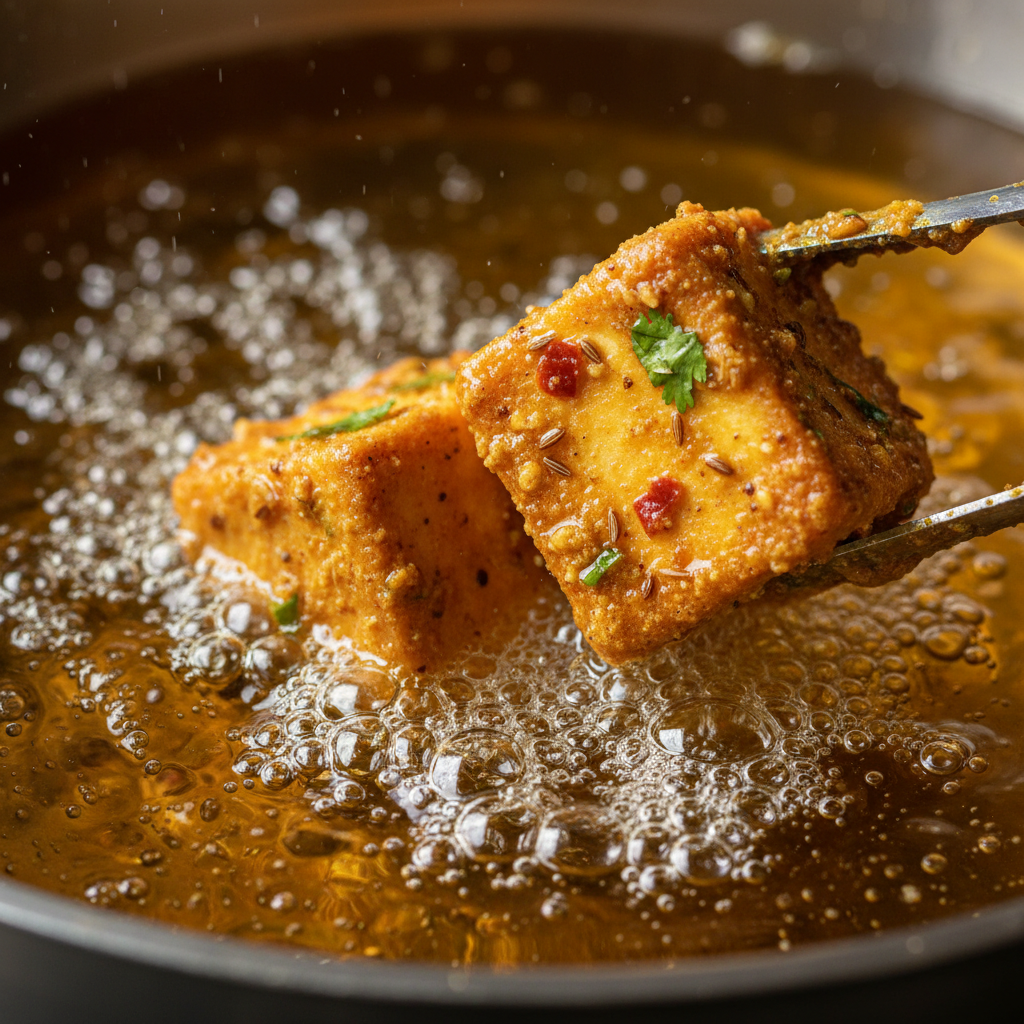
Paneer pakora is a Punjabi snack featuring fresh paneer coated in a seasoned chickpea flour batter and fried to a crunchy, airy crust. The dish contrasts creamy cheese with a crisp exterior and is typically served hot with green chutney, tamarind chutney, and sliced onions or lemon.
At its best, paneer pakora hits three notes: clean crunch, warm spice, and gentle dairy richness. A typical serving uses 1/2–3/4-inch paneer cubes or slices. Batter blends besan, salt, Kashmiri red chili, ajwain (carom), and a touch of baking soda for lift. Fry at a steady 350–365°F to keep oil absorption low and color even.
- Texture contrast: Soft, milky paneer inside; crisp, nubby shell outside.
- Flavor profile: Savory, lightly smoky heat; herbal notes from ajwain and cilantro.
- Serving set-up: Green (cilantro–mint) and tamarind chutneys, onions, and lemon wedges.
- Occasions: Tea-time snack, party platter, or quick vegetarian appetizer.
The Mithai Maharaja prepares paneer pakora alongside classic North Indian snacks. If you want variety with your plate, consider pairing it with our vegetable pakora or a chaat favorite spotlighted in our Aloo Chaat guide.
Why Paneer Pakora Matters
Paneer pakora matters because it delivers reliable vegetarian protein, fast prep, and crowd-pleasing crunch. For Brampton families and event hosts, it’s a scalable, adaptable appetizer that pairs with many chutneys and chaats. The dish anchors snack trays, tea times, and cocktail hours without complicated prep.
For home cooks, paneer pakora is forgiving; you can mix batter in 2–3 minutes and fry in batches under 10 minutes. For hosts, it scales: trays hold well for 15–20 minutes at 200°F. For caterers, it’s consistent: uniform paneer size equals repeatable color and timing across 30–100+ pieces per batch.
- Fast workflow: Thin batter coats easily; batches cook in 3–4 minutes.
- Flexible flavor: Adjust heat with Kashmiri chili; add amchur (dried mango) for tang.
- Dietary clarity: Naturally vegetarian; besan is gluten-free by nature (check kitchen protocols if sensitive).
- Menu synergy: Complements chaats like Chaat Papdi and snacks like Samosa.
In our kitchen experience, paneer pakora is a reliable “bridge” snack. It satisfies spice lovers when served with extra green chutney and reassures milder palates when paired with sweet–sour tamarind. That flexibility keeps it on Brampton party menus year-round.
How Paneer Pakora Works: Batter, Oil, Timing
A crisp paneer pakora comes from a balanced batter (besan + water + leavening), a dry paneer surface, and 350–365°F oil. The batter should ribbon off a spoon and cling in a thin coat. Fry 3–4 minutes until deep golden; rest on a rack to vent steam and keep the crust crisp.
Think of each variable as a control knob you can adjust.
- Batter ratio: 1 cup besan to 3/4–1 cup water yields a fluid, ribboning batter (adjust with humidity).
- Leavening: 1/8–1/4 teaspoon baking soda lightens the shell; too much creates bready pockets.
- Spice matrix: 1/2–1 teaspoon Kashmiri chili for color and gentle heat; 1/2 teaspoon ajwain for aroma.
- Paneer prep: Pat dry; slice to even thickness (about 1/2 inch) for uniform frying and bite.
- Oil temp: Maintain 350–365°F; a 15°F drop extends cook time and increases oil absorption.
- Drain and vent: Use a rack, not paper towels, so steam escapes and the crust stays crisp.
Practical sequence: dry paneer; whisk dry spices with besan; add water and whisk to smooth; heat oil to 360°F; dip and fry 6–8 pieces per batch for 3–4 minutes. Aim for 185–195°F internal crumb temperature at pull to stop raw batter taste.
Types, Methods, and Approaches
There are multiple paneer pakora styles: classic cubes or slices, stuffed paneer sandwiches, double-fried for extra crunch, and lighter air-fryer versions. Choose deep-fry for uniform color and speed, shallow-fry for smaller batches, or air-fry/bake for lower oil while accepting a drier crust.
Popular styles
- Classic cubes/slices: Direct dip-fry; fastest and most consistent.
- Stuffed paneer: Green chutney or spiced mash between slices; seal with batter.
- Double-fry: First fry pale; cool 10 minutes; second fry 90–120 seconds for audible crunch.
- Masala-finish: Toss hot pakora with chaat masala and finely chopped cilantro.
Method comparison
| Method | Heat | Texture | Timing (per batch) | Best for |
|---|---|---|---|---|
| Deep-fry | 350–365°F | Even, deep golden; juiciest interior | 3–4 minutes | Parties, catering trays |
| Shallow-fry | 360–370°F | Golden, slightly uneven; moderate juiciness | 4–5 minutes, turn once | Small home batches |
| Air-fry | 375–400°F | Lighter, drier crust; still crisp with spray oil | 10–12 minutes, shake once | Lower-oil preference |
| Bake | 425°F | Drier, more uniform; less blistering | 14–16 minutes, flip mid-way | Hands-off prep |
Want a professional finish without the fryer? Order ready-to-serve Paneer Pakora from The Mithai Maharaja and plate with lemon and onions. For a fuller spread, add street-food staples like the bread-and-chana classic in our Amritsari Kulcha with Chana guide.
Best Practices and Troubleshooting
For reliable crunch, keep batter thin and smooth, dry paneer well, and hold oil at 350–365°F. Fry in small batches to prevent temperature dips, and drain on a rack. Fix sogginess by extending the fry 30–45 seconds or by a quick 90-second re-fry before serving.
Set yourself up for success
- Thin, clinging batter: It should coat paneer without lumping; whisk 30–45 seconds for aeration.
- Dry paneer: Surface moisture causes blisters and oil spatter; pat thoroughly.
- Stable oil: Use a thermometer; a 25°F swing changes crust density noticeably.
- Batch control: 6–8 pieces per round helps maintain heat and reduces sticking.
- Vent while resting: Cooling on a rack maintains the crust; paper traps steam.
Quick fixes
- Soggy crust: Batter too thick or oil too cool—thin the batter or raise heat to 360°F.
- Bitter taste: Over-fried spices; switch to Kashmiri chili and shorten cook by 20–30 seconds.
- Shells slipping off: Paneer too wet; dust lightly with dry besan before dipping.
- Pale color: Under-temperature oil; let it recover for 45–60 seconds between batches.
Round out the snack table with a crunchy-sour counterpoint like Aloo Tikki, or go classic with fluffy chana pairings from our Chole Poori guide.
Tools and Resources You’ll Actually Use
Use a deep, heavy pot or fryer, a reliable thermometer, a wire spider or slotted spoon, and a cooling rack. Metal tongs help with stuffed styles. For service, prep ramekins of green and tamarind chutneys and lemon wedges so guests can customize each bite.
Essential gear
- Thermometer: Clip-on or instant-read to hold 350–365°F consistently.
- Heavy pot/fryer: 4–6 quarts minimizes temperature swings when adding pakora.
- Spider/strainer: Moves 6–8 pieces quickly without tearing the crust.
- Cooling rack: Preserves crunch for 15–20 minutes during service.
- Sturdy bowl + whisk: Smooth, lump-free batter in under a minute.
Flavor add-ins
- Ajwain and kasoori methi: Classic aroma and faint bitterness for depth.
- Amchur or chaat masala: A tangy, finishing sprinkle before serving.
- Finely chopped cilantro: Bright, fresh finish over hot pakora.
Hosting a group in Brampton? Our kitchen can prepare a mixed snack tray—paneer pakora, vegetable pakora, and chaat elements—for convenient pickup. Explore options through our articles like the layered crunches in Samosa Chana Chaat.
Short on time? Order Paneer Pakora from The Mithai Maharaja—freshly prepared, paired with chutneys, and ready to plate for your family or guests.
Case Studies and Real-World Examples
The best paneer pakora plans consider audience, timing, and pairings. For small families, 12–16 pieces with green chutney works. For parties, varied textures shine—mix pakora with chaats. For office trays, aim for 2–3 pieces per person and add lemon wedges for brightness.
Consider three quick scenarios we see often in Brampton.
- Family snack night (winter): Fry 2–3 batches (12–18 pieces). Keep warm at 200°F for 15 minutes while brewing chai. Pair with a tangy plate from our Aloo Chaat guide to break up the richness.
- Cocktail hour (wedding sangeet): Choose stuffed paneer sandwiches for visual appeal. Double-fry for an audible crunch and dust with chaat masala. Add a contrasting soft bite like dahi vada inspired by our chaat techniques.
- Office catering tray: Plan 2–3 pieces per person. Include both chutneys and lemon. Supplement with breads and chana using ideas from our Amritsari Kulcha with Chana guide and hearty pairings from the Chole Poori guide.
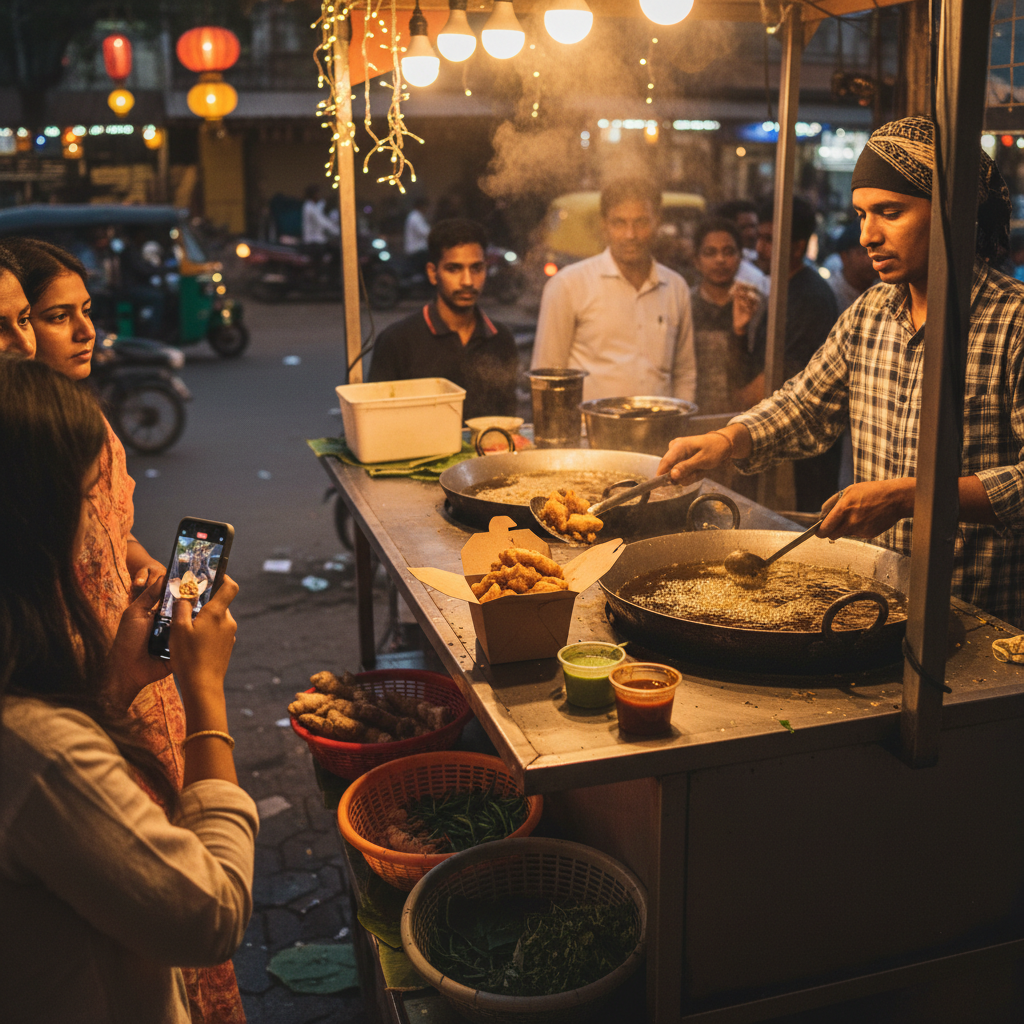
Local considerations for Brampton
- Busy weekends and festival seasons mean larger snack orders—finalize your paneer pakora plan early for family gatherings and celebrations.
- Cold months make hot, crispy snacks even more popular; keep a warming setup (200°F oven and cooling rack) to serve in steady waves.
- For vegetarian-friendly events, balance fried items with bright chaats and citrusy salads to keep palates fresh across a long evening.
Paneer Pakora FAQ
Get fast answers to common paneer pakora questions. Learn ideal oil temperature, batter consistency, reheating tips, and whether stuffed or air-fried versions make sense for your guests. These quick hits help you troubleshoot before the first batch hits the oil.
What oil temperature is best for paneer pakora?
Aim for 350–365°F. This range browns the besan quickly while keeping the paneer tender. If the temperature dips below 340°F, the crust absorbs more oil and turns pale. Let the oil recover 45–60 seconds between batches.
How thick should I slice the paneer?
About 1/2 inch works for most methods. Thinner slices brown too fast and can overcook; very thick slices may not heat through evenly. Keep pieces uniform so batches finish within the same 20–30 second window.
Is paneer pakora gluten-free?
Besan (chickpea flour) is naturally gluten-free, and many home versions are fine for gluten-free diners. If sensitivity is a concern, confirm kitchen protocols to avoid cross-contact with wheat during prep and frying.
What’s the best way to reheat paneer pakora?
Use a 375°F oven or air fryer for 6–8 minutes. Avoid microwaves—they soften the crust. A quick 90-second re-fry also revives crunch right before serving, especially for stuffed styles.
Can I air-fry paneer pakora?
Yes. Spray or brush the battered paneer lightly with oil and cook at 380–400°F for 10–12 minutes, shaking once. Expect a lighter, drier crust than deep-fried versions, but still crisp and flavorful.
Conclusion and Next Steps
Great paneer pakora comes down to thin, seasoned batter; dry, evenly cut paneer; and 350–365°F oil. Use small batches and rack-cooling for reliable crunch. For events, mix textures with chaats and breads—or order ready-to-serve trays from The Mithai Maharaja in Brampton.
Key takeaways
- Keep oil in the 350–365°F zone; recover heat between batches.
- Thin, clinging batter prevents sogginess and heavy shells.
- Rest on a rack; avoid steam-trapping paper towels.
- Choose methods by context: deep-fry for crowds, air-fry for lighter service.
- Pair with bright chaats like those in our Aloo Chaat guide.
Ready to serve a crowd? For birthdays, pujas, and weekend get-togethers in Brampton, reserve a fresh batch of Paneer Pakora from The Mithai Maharaja and round out the table with snacks from our Aloo Tikki guide and Chole Poori guide.