Soan papdi is a traditional Indian sweet of gram flour, sugar, and pure ghee spun into ultra-fine, flaky strands. In Brampton, The Mithai Maharaja prepares it the authentic halwai way for elegant gifting and celebrations. Choose freshly made batches, sealed gift boxes, and flavor options that match your recipient’s tastes.
By The Mithai Maharaja Team
Last updated: May 30, 2026
Overview & Table of Contents
This guide shows you exactly how to choose, gift, store, and serve soan papdi with confidence. You’ll learn what it is, how it’s crafted, how to tell it’s fresh, and which gift boxes suit Diwali, weddings, and corporate occasions, plus local Brampton tips from our fifth-generation halwai family.
At a glance, you’ll get:
- Clear definition and origin of soan papdi
- How halwais create the flaky, strand-like texture
- Smart buying tips and freshness checks
- Packaging, flavors, and nut considerations for gifting
- Storage, serving, and allergen pointers
- Local considerations for Brampton celebrations
Jump to a section:
- What Is Soan Papdi?
- Why It Matters for Gifting
- How It’s Made
- Types, Flavors, & Packaging
- Best Practices
- Tools & Resources
- Case Examples
- Comparisons
- FAQ
- Explore More
- Key Takeaways
What Is Soan Papdi?
Soan papdi is a North Indian mithai made by aerating and stretching a cooked mixture of gram flour, sugar, and ghee into delicate strands. The result is a light, flaky sweet that breaks softly and melts on the tongue. It’s popular for gifting thanks to its portability, shelf life, and celebratory appeal.
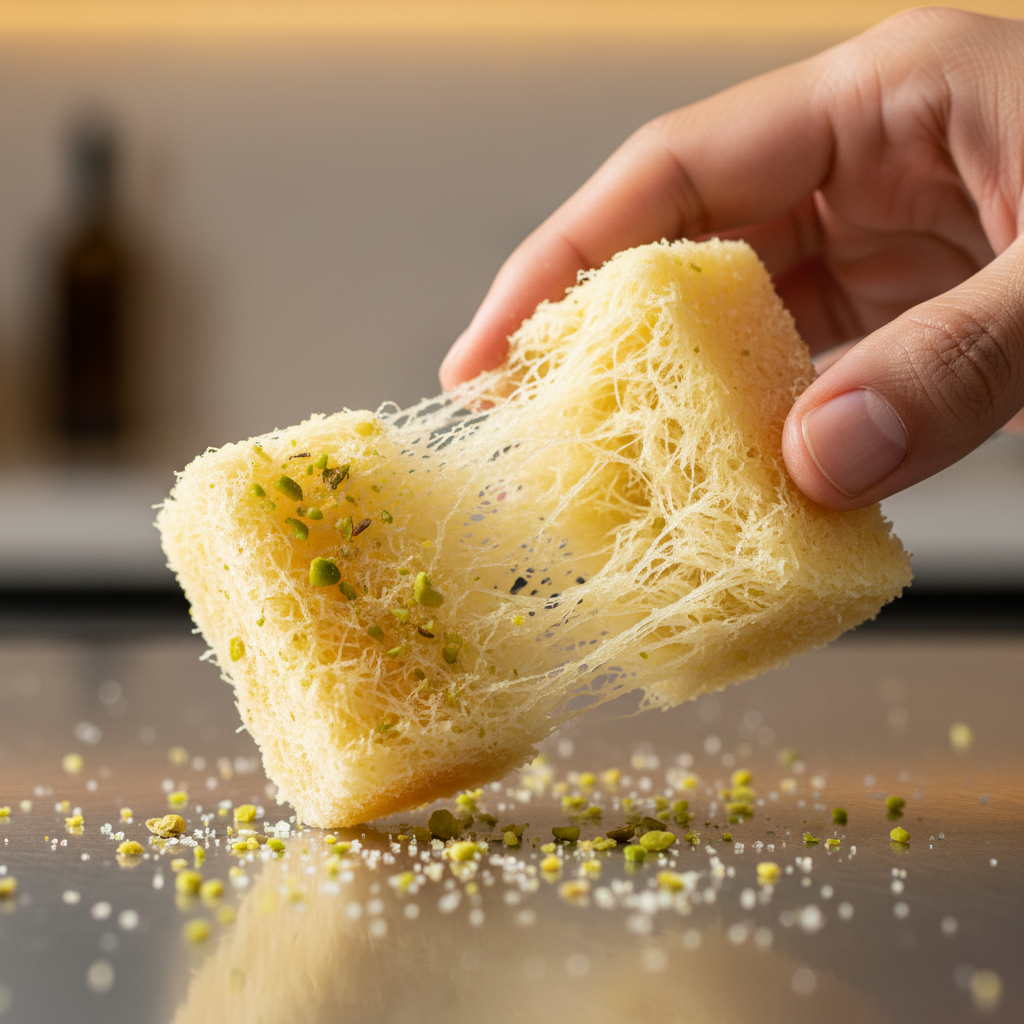
In our kitchen, we describe soan papdi as “flaky halwa in strands.” The magic comes from transforming a dense mixture into airy layers. When it’s right, you can pull it gently and see hair-thin filaments. That texture is the hallmark of a skilled halwai’s hand.
- Core ingredients: Gram flour (besan), sugar, ghee
- Typical enhancements: Cardamom, rose essence, saffron, pistachios, almonds
- Texture cue: Fine strands that crumble lightly not sticky, not rock-hard
- Serving size: Commonly cut into bite-size cubes for clean, shareable portions
At The Mithai Maharaja in Brampton, our fifth-generation halwai family keeps the profile traditional, then offers seasonal touches, like saffron warmth around Diwali or extra-nutty assortments for weddings. For gifting variety, see our premium mithai selection guide.
Why Soan Papdi Matters for Gifting
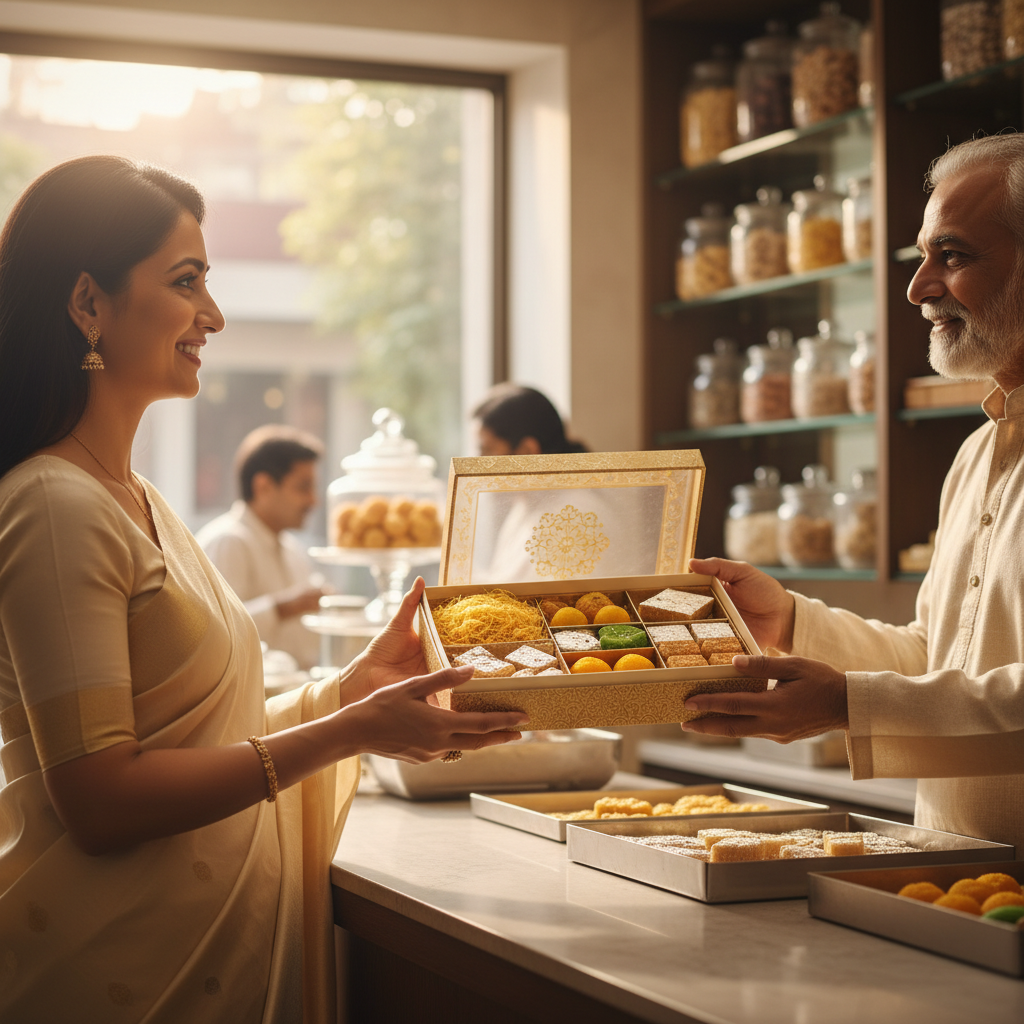
Soan papdi checks every box for gifting: elegant presentation, shareable cubes, and dependable freshness. Its flaky texture signals craftsmanship, while sealed boxes travel well for festivals and weddings. In our experience, recipients recognize soan papdi as a thoughtful, classic gesture that feels celebratory without being overly rich.
Gifts that travel well are the gifts people actually enjoy. Soan papdi’s sturdy-yet-delicate cubes stack neatly, resist smearing, and hold shape in transit. During busy seasons in Brampton, we see festival orders surge and travel across the GTA; robust packaging keeps sweets presentable upon arrival.
- Presentation power: Gold-foiled trays and clear dividers make each cube look jewel-like.
- Shareability: Bite-size pieces reduce mess and make portioning simple for guests.
- Freshness window: Properly sealed boxes generally maintain peak texture for several days at room temperature.
- Dietary flexibility: Nut-free or low-nut configurations are possible when planned in advance.
If you’re curating a larger gift set, combine soan papdi with soft items (like peda or kalakand) and firm classics (like besan barfi) to please varied palates. For holiday curation inspiration, browse our Diwali sweets guide.
How Soan Papdi Is Made
Halwais cook a besan-sugar-ghee base, then repeatedly aerate, fold, and stretch the warm mixture to create hair-thin layers. Timing and temperature are crucial: when the window is right, the mass turns from dense to feathery. The strands set as it cools, then get pressed and cut into cubes.
At a glance, the method looks simple; in reality, it’s timing to the second. Too hot and it clumps; too cool and it resists stretching. We monitor the aroma shift, sheen, and pull, old-school cues passed down since 1938 in our halwai family.
- Cook: Prepare the syrup and besan-ghee base to precise viscosity.
- Aerate: Beat, fold, and stretch while warm to trap air and form strands.
- Flavor: Add cardamom or saffron at the right moment for even infusion.
- Set & Cut: Press into shallow trays, cool, and cut into uniform cubes.
Watch for filament detail: the best soan papdi reveals dozens of micro-strands with a gentle pull. For an overview of similarly delicate textures in North Indian desserts, explore our sooji halwa guide.
Types, Flavors, and Packaging Options
Choose classic cardamom soan papdi for broad appeal, saffron for premium notes, or nut-studded versions for richness. Gift boxes range from compact trays to multi-layer assortments. Select sealed packaging with dividers, food-safe wraps, and clear labeling for allergens and freshness.
Flavor variety helps you tailor to the moment. Cardamom is the universal crowd-pleaser; saffron signals festivity; pistachio-almond adds crunch. In weddings, we often pair classic soan papdi with laddus, barfi squares, and a signature centerpiece sweet for visual drama.
- Core flavors: Classic cardamom; saffron-infused; pistachio or almond studded
- Assorted boxes: Mix soan papdi with gulab jamun, barfi, and peda for layered textures.
- Nut-conscious options: Offer separate nut and nut-free tiers to avoid cross-contact.
- Occasion cues: Elegant metallic trays for corporate gifting; festive wraps for Diwali; pastel accents for weddings.
For inspiration on balancing a box, see our popular Indian desserts overview and our cultural notes in Punjabi sweets and their meaning.
Best Practices for Buying and Serving
Buy soan papdi as close to your event date as practical, store it in a cool, dry place, and serve in small batches. Check strands for fineness, aroma for freshness, and packaging for intact seals. For guests with allergies, provide clearly labeled, separate trays.
Freshness is sensory. In-store, we guide guests to feel a cube lightly: it should crumble into featherweight flakes, not compact into a paste. The aroma should be clean, buttery from ghee, with cardamom or saffron evident but not overpowering.
- Checklist at pickup: Sealed box, intact dividers, label with flavor/allergen notes, and serving suggestions.
- Transport: Keep upright; avoid warm car interiors that soften ghee-based sweets.
- Staging: Open shortly before serving; refill platters gradually to retain texture.
- Pairings: Masala chai or lightly sweetened lassi balances richness.
Local considerations for Brampton
- Weekend rushes around festivals sell out early; place your gift-box order ahead and arrange a morning pickup to beat lines.
- Summer warmth can soften ghee sweets in cars; bring an insulated tote for longer drives across the GTA.
- For community events, offer both nut-forward and nut-free tiers with distinct serving tongs to reassure mixed guest lists.
Planning a larger celebration? Our team can help you curate assortments; start with the premium mithai guide and bring your headcount and dietary notes.
Tools and Resources for Perfect Gifting
Airtight tins, food-safe gloves, dessert tongs, and insulated totes protect texture and hygiene. Use divider trays for nut separation and add food-safe wraps for travel. For planning, lean on occasion checklists, flavor guides, and allergen labels to make gifting smooth and stress-free.
- For transport: Insulated tote, flat base, optional ice pack (separated from boxes).
- For presentation: Small tongs, parchment squares, and garnish bowls for nuts and saffron.
- For labeling: Simple allergen cards (nut/non-nut), flavor tags, and “opened on” notes.
- For hosting: Stagger serving times; refresh the platter before it looks sparse.
Build your own checklist from our event-curation approach in this Diwali planning guide. If you’re showcasing Punjabi favorites with soan papdi, consider adding Delhi-style chole bhature or a chaat station to round out the menu, our shop offers both snacks and sweets under one roof.
Real-World Examples from Brampton Events
Here are brief, real scenarios that show how soan papdi shines: a corporate Diwali drive, a Punjabi wedding welcome box, and a school-friendly assortment. Each highlights packaging choices, nut considerations, and serving tactics our Brampton team uses to keep texture perfect.
Corporate Diwali drop-offs
- Context: Department leads wanted culturally resonant gifts for 60+ staff across offices.
- Approach: Soan papdi as the anchor, paired with besan barfi and peda in sealed, ribboned trays.
- Nut planning: Split trays: one pistachio-forward, one nut-free; color-coded cards.
- Outcome: Clean presentation after travel, quick distribution, and broad positive feedback on freshness.
Punjabi wedding welcome box
- Context: Family needed a sweets box that travels well and looks regal.
- Approach: Saffron soan papdi, motichoor ladoo, and kalakand in a gold-liner box.
- Nut planning: Nuts provided in a separate capsule to accommodate sensitivities.
- Outcome: Boxes held shape through multiple venues; guests praised the “melt and flake” balance.
Community event with mixed ages
- Context: Organizers needed kid-friendly portions and clean service stations.
- Approach: Pre-cut soan papdi cubes, napkin cups, and small tongs; clear allergen boards.
- Outcome: Smooth lines, minimal waste, and consistently crisp texture throughout the event.
Soan Papdi vs. Similar Sweets
Soan papdi is uniquely flaky and strand-like compared with denser barfi or crumbly Mysore pak. When you want showy texture plus travel-ready cubes, choose soan papdi. For ultra-soft bite, pick kalakand; for nut crunch, select pistachio-almond mixes or besan barfi assortments.
| Sweet | Texture | Main Ingredients | Typical Add-ins | Shelf Life (days) | Ideal Use |
|---|---|---|---|---|---|
| Soan Papdi | Flaky, strand-like | Besan, sugar, ghee | Cardamom, saffron, pistachio/almond | Several at room temp, sealed | Gift boxes, travel-friendly sharing |
| Patisa | Flaky, slightly denser | Besan, sugar, ghee | Cardamom, nuts | Several at room temp, sealed | Traditional gifting with nut focus |
| Besan Barfi | Fudge-like, firm | Besan, sugar, ghee | Nuts, cardamom | Several at room temp, sealed | Assortments, broad appeal |
| Mysore Pak | Crumbly to porous | Besan, sugar, ghee | Cardamom | Several at room temp, sealed | Rich, ghee-forward gifts |
| Kalakand | Soft, milky | Milk solids, sugar | Pistachio, saffron | Shorter; refrigerate | Delicate, fresh-serve boxes |
If you’re building a mixed platter, we suggest anchoring with soan papdi for visual lift, then adding soft milk sweets for contrast. Our ghee ladoo guide pairs well with this section.
Frequently Asked Questions
These concise answers cover freshness, storage, allergens, serving, and gifting choices for soan papdi. Share them with event planners or family members so everyone handles sweets consistently and confidently.
What is soan papdi made of?
It’s primarily gram flour (besan), sugar, and pure ghee, often enhanced with cardamom or saffron. Halwais stretch and fold the warm mixture to form fine strands, then press and cut it into cubes.
How should I store soan papdi?
Keep it sealed in a cool, dry place away from sunlight. For events, open boxes close to serving time and refresh trays gradually to keep the flaky texture. Avoid humid environments that can make strands collapse.
Is soan papdi nut-free or gluten-free?
Traditional soan papdi uses gram flour (a legume), not wheat, but production spaces may handle nuts. If you need nut-free service, request separate trays, clear labeling, and dedicated tongs to reduce cross-contact risk.
What makes soan papdi good for gifting?
It’s elegant, shareable, and travel-friendly. Cubes stay tidy in sealed boxes, the flaky texture signals craftsmanship, and flavors like cardamom or saffron feel festive. It also pairs easily with other mithai in assorted boxes.
Explore More Indian Desserts and Snacks
Round out your gifting plan with complementary mithai and Punjabi snacks. Combine soan papdi’s airy texture with barfi, ladoo, and seasonal halwa, then add a chaat or bhature station to create a complete, memorable spread people talk about long after the event.
For deeper context on dessert balance and presentation, read our guide to Punjabi sweets symbolism and this practical premium mithai selection guide. If you’re planning a snacks-and-sweets party, anchor the menu with crowd-pleasers—think samosas and aloo tikki chaat—then add soan papdi as your airy finisher.
Key Takeaways & Next Steps
Choose fresh, fine-strand soan papdi; package it in sealed, divided boxes; and serve in small waves to protect texture. Balance flavors with barfi and milk sweets, and plan nut separation. For Brampton events, order early around festivals and use insulated totes for longer drives.
- Key takeaways: Fine strands, sealed boxes, clear labels, staggered serving.
- Action step: Outline guest count and dietary notes, then shortlist flavors (cardamom, saffron, nut-studded).
- Next move: Explore the Diwali sweets planner or skim our ladoo guide to build your box.
Need help curating the right soan papdi box? Our Brampton team can recommend flavors, nut-safe configurations, and pairings for weddings, festivals, and corporate drops. Bring your headcount and preferences, and we’ll help you finalize a regal, ready-to-gift selection.
For creative presentation ideas beyond mithai, browse these gift box ideas for special occasions. And for savory starters at mixed menus, many hosts pair chai and samosas; here’s a simple samosa example to visualize portioning.