Chole bhature is a North Indian classic pairing spiced chickpea curry (chole) with fluffy, deep-fried leavened bread (bhature). At The Mithai Maharaja in Brampton, our fifth‑generation halwai team prepares this Delhi/Punjab staple with time‑honored techniques, finishing with premium ghee and bright garnishes so you get bold flavor and a satisfying, complete meal.
By The Mithai Maharaja · Last updated: May 20, 2026
Above the Fold: Hook, What You’ll Learn, and Quick TOC
This guide explains what chole bhature is, why it’s beloved in Brampton, and how to enjoy it at home, in-store, or through catering. You’ll see techniques our halwai use, quick reheating tips, regional variations, and pairing ideas with chaats, sweets, and thalis for everyday meals and celebrations.
Chole bhature rewards you with crunch, tang, and warmth in every bite. If you’re choosing between chaats, thalis, or a hearty snack, this complete guide shows you how to decide and how to get the most from every serving at The Mithai Maharaja.
- What is chole bhature?
- Why it matters in Brampton
- How chole bhature works
- Styles, methods, and smart pairings
- Best practices for cooking, ordering, and reheating
- Tools and helpful resources
- Mini case examples
- FAQ
- Conclusion and key takeaways
Summary
Chole bhature combines tangy, spiced chickpeas with airy, fried bread for a filling, flavor-forward meal. Our Brampton kitchen follows Punjabi techniques, uses premium ghee for finish, and offers dine-in, takeout, and catering. Pair it with chaats, lassi, or a mithai dessert to round out texture and taste.
At The Mithai Maharaja, our halwai craft chole with carefully balanced aromatics, tomatoes, and whole spices, then finish with fresh cilantro, onion, and lemon. Bhature are kneaded, rested, and fried to puff. The result is a craveable contrast of chewy, crisp, tangy, and savory that satisfies at lunch, dinner, or a festive spread.
What Is Chole Bhature?
Chole bhature is a Delhi/Punjab specialty pairing a robust chickpea curry with puffed, deep-fried bread. The dish centers on spice balance, slow-simmered legumes, and quick-fried bhature. It’s popular as a complete, vegetarian meal that delivers protein, carbs, and lively acidity in one plate.
Think of chole bhature as harmony by design. Chole (chickpeas) bring protein and fiber; bhature contribute structure and indulgence. Accompaniments—sliced onion, lemon, achar—add snap and brightness. In our kitchen, we emphasize a rounded spice profile (coriander, cumin, fennel, black cardamom, and kasuri methi) so each mouthful lands clean and memorable.
Why that matters: a balanced chole prevents palate fatigue while bhature stay light and blistered. You enjoy the meal, feel energized, and don’t miss variety. At The Mithai Maharaja, we also offer complementary chaats and sweets so your table can move from savory depth to festive finishes without leaving the Punjabi comfort lane.
Why Chole Bhature Matters in Brampton
Brampton’s vibrant South Asian community embraces chole bhature for its authenticity, comfort, and shareability. Our fifth‑generation halwai heritage brings proven methods to Canada, giving families, students, and office teams a reliable, vegetarian staple for quick lunches, relaxed dinners, and festive gatherings.
Food connects people, and few North Indian dishes do it faster than chole bhature. It’s quick to plate, easy to share, and pairs with everything from a salty lassi to a celebratory box of mithai. For busy weekdays, you can count on consistent texture and seasoning; for weekends, it anchors the table alongside chaats and thalis.
In our experience serving Brampton, three moments keep coming up: weeknight dinners where one plate feeds two; study breaks fueled by chickpeas plus a sweet treat; and celebrations where chole bhature sits beside samosas, pakoras, and laddus. Each scenario benefits from the dish’s speed, substance, and familiar flavor map.
Local considerations for Brampton
- Plan ahead on festival weekends; popular vegetarian snacks and chaats sell quickly. Ordering earlier helps secure chole bhature and your favorite sweets.
- Cold months favor warmer, heartier plates. Pair chole bhature with lassi or masala chai and a halwa or pinni dessert for a satisfying seasonal combo.
- For office teams, choose mixed trays: chole bhature with samosa chana chaat and mithai boxes. It keeps vegetarian guests happy and service smooth.
How Chole Bhature Works (Culinary Science, Timing, Texture)
Great chole bhature depends on hydration, spice bloom, and hot oil control. Chickpeas need full hydration and steady simmering; spices must bloom in fat; bhature rely on elastic dough and 360-degree oil heat for even puff and blistered texture without greasiness.
From a cook’s perspective, three mechanics define success. First, chickpea prep: soaked or canned, chickpeas should simmer until creamy at the core, not chalky. Second, spice extraction: aromatics and ground spices release flavor best when tempered in fat before tomatoes and chickpeas go in. Third, dough behavior: gluten development and rest support the signature ballooned bhature.
Typical timings help your planning: dough rest 45–90 minutes depending on warmth; spice tempering 2–4 minutes until fragrant; simmering 25–40 minutes for a cohesive gravy; frying 20–35 seconds per bhatura at stable high heat. These ranges keep texture lively and reduce oil absorption while locking in color and blistering.
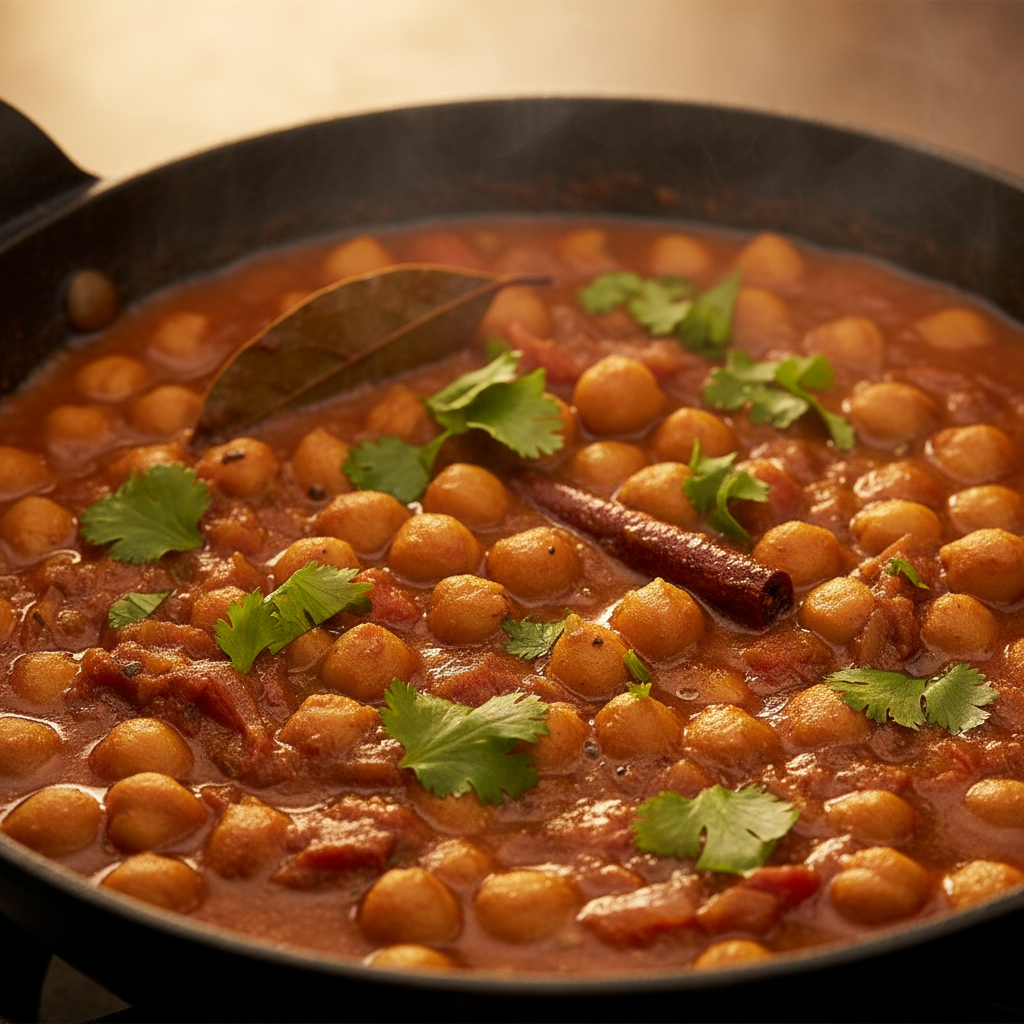
In our kitchen, we also watch finishing cues: the oil should shimmer and ripple evenly; the dough should float and spin freely; and the gravy should coat a spoon in a thin, glossy film. Small cues like these keep outcomes consistent across busy service windows and larger catering batches.
Types, Methods, and Smart Pairings
There isn’t one “right” chole bhature. Regional masalas vary, doughs differ (yeast vs. yogurt), and sides shift from pickled chilies to paneer add‑ons. Choose your style, then pair with chaats, lassi, and mithai to balance heat, acid, sweetness, and crunch in a complete meal.
Popular chole styles you’ll taste
- Delhi Wale Chole: Darker, deeper notes from black tea or amla, with earthy spice and a slightly thinner gravy that hugs bhature without overwhelming.
- Punjabi Chole: Robust tomato base, coriander-forward, with a medium-thick gravy and citrusy finish. It’s a crowd-pleaser and our most requested profile.
- Amritsari Chana: Often thicker, with pronounced tang and gentle heat, great when you also enjoy Amritsari Kulcha with Chana.
Bhature methods and dough approaches
- Yogurt‑based fermentation: Tangy, tender crumb and quick blistering. Typical rest: 60–90 minutes in a warm kitchen.
- Yeast‑assisted rise: Lighter lift and larger puff. Useful for larger batches; proof until dough doubles in size.
- Milk‑enriched dough: Slight sweetness and softer chew; balances spicier chole profiles.
Smart pairings from our menu
- Crunch and tang: Add Samosa Chana Chaat for layered textures.
- Classic chaat spice: Try aloo chaat to brighten the plate with heat and citrus.
- Street‑style favorites: Fold in Aloo Tikki Chaat for crisp edges and a soft center.
- Sweet finish: Explore our Punjabi sweets tradition in this overview of Punjabi sweets.
Love bread‑and‑chana pairings? You might also enjoy our take on poori with chickpeas—see the step‑by‑step guide to Chole Poori for a lighter, crisper bread profile and a different fry character that some guests prefer at brunch.
Best Practices for Cooking, Ordering, Transport, and Reheating
Control moisture and temperature at every stage. Keep chole gravy glossy and spoon‑coating, drain bhature briefly to preserve crispness, and package hot and cold items logically. For reheating, revive chole gently and re‑crisp bhature quickly to restore snap without excess oil.
Cooking and finishing cues
- Hydration window: Soak dried chickpeas 8–12 hours; if using canned, rinse well and simmer 15–25 minutes to infuse masala.
- Bloom spices fully: Whole and ground spices should smell fragrant within 2–4 minutes in fat; add tomatoes only once the spices release color.
- Bhature oil stability: Aim for a steady high heat; each bhatura should puff in under 30 seconds and turn golden with speckled blisters.
Ordering and transport tips
- Separate hot and crisp: Keep bhature vented and away from steam; package chole in lidded containers to avoid spills.
- Schedule smartly: Pick up close to mealtime. If driving 15–20 minutes, keep bhature elevated from condensation.
- Round the meal: Add a chaat and a mithai box so everyone gets sweetness after heat—house favorites include barfi, gulab jamun, and laddus.
Reheating at home
- Chole: Reheat in a saucepan over medium, adding a splash of water to loosen. Simmer 3–5 minutes until glossy; finish with lemon and cilantro.
- Bhature: Re‑crisp in a hot oven or air fryer for 1–2 minutes. Avoid microwaving; it softens texture.
- Garnish: Add fresh onion and lemon right before serving to restore brightness.
For larger orders or events, plan a simple service flow: one person garnishes, one portions chole, one passes bhature. This three‑step line keeps plates consistent and hot, even for groups cycling through every 3–4 minutes.
Tools and Helpful Resources
You don’t need a restaurant kitchen to enjoy chole bhature. A sturdy pot, a deep fry pan with a thermometer, and a basic spice grinder handle most tasks. For events, simple trays, ladles, and a garnish station make service fast and tidy.
Kitchen tools
- Heavy pot or pressure cooker: Even heat for chickpeas and consistent gravy reduction.
- Deep fry pan or kadai: Depth supports full puff and safer splatter control; use a thermometer for stable high heat.
- Spice grinder: Freshly ground spices bloom faster and deliver a cleaner finish.
Event resources
- Service flow check: Position chole, then bhature, then garnish. This keeps plates moving and textures intact.
- Dietary signage: Call out vegetarian items and common allergens to speed guest choices.
- Menu balance: Pair hearty mains with bright chaats and a mithai assortment to satisfy mixed preferences.
Exploring regional meal options around the GTA helps you plan office lunches and family get‑togethers. For example, you’ll find local tiffin models ranging from Punjabi staples to fully vegetarian Jain menus; browse examples of Punjabi tiffin services and Jain tiffin services to understand how rotating meals are organized.
Chole Bhature vs. Similar North Indian Favorites
Chole bhature brings airy, blistered bread and a medium‑thick chickpea gravy. Amritsari Kulcha with Chana leans crisp‑baked and tangy. Bedmi Puri Aloo skews spiced, whole‑wheat, and brunch‑friendly. Use this table to match texture, heat, and service style to your occasion.
| Dish | Bread | Gravy/Side | Texture Focus | When to Choose | Reheat Notes |
|---|---|---|---|---|---|
| Chole Bhature | Deep‑fried, leavened bhature | Medium‑thick chickpea curry | Airy puff + light blister | Hearty lunch/dinner; shareable platters | Re‑crisp bhature briefly; simmer chole |
| Amritsari Kulcha with Chana | Oven‑baked kulcha | Thicker, tang‑forward chana | Crisp exterior, soft center | When you prefer baked over fried | Warms well; maintains structure |
| Bedmi Puri Aloo | Whole‑wheat spiced puri | Potato sabzi (often thinner) | Spiced, rustic chew | Brunch and light meals | Best served fresh; quick reheat |
Want to compare more? Our Punjabi sweets overview pairs naturally with these breads—contrast savory spice with a square of barfi, a warm gulab jamun, or a celebratory box for the table.
Mini Case Examples (From Our Brampton Counter)
We see three common chole bhature scenarios in Brampton: a family shareable plate with chaats, an office lunch line with simple service flow, and a celebration spread anchored by savory mains and mithai boxes. Each needs balance, timing, and garnish discipline.
Family weekend lunch
A family of four orders chole bhature, a round of chaats, and a small mithai assortment. They eat in, then take home extra bhature. The plan: finish chaats first while bhature are hottest, follow with chole, then split mithai. Result: crunch preserved, gravy enjoyed, sweet finale shared.
Office lunch line
An office team rotates through in 15‑minute waves. We set a three‑station flow—portion chole, pass bhature, finish with garnish. Trays cycle every 3–4 minutes. The texture win: bhature stay puffed and glossy, and each plate leaves with consistent heat and brightness.
Celebration spread
For a festive evening, hosts build a vegetarian table around chole bhature, samosas, paneer pakora, and mithai boxes. Guests begin with chaats, move to mains, then select sweets. The balanced arc—acid, heat, comfort, sweetness—keeps palates interested for hours without feeling heavy.
Curious how we handle dough and masala in detail? Read our kitchen notes in the in‑depth chole bhature recipe guide where we walk through dough rest, spice bloom, and finishing oil sheen.
How to Order, Take Out, and Cater Chole Bhature
For takeout, request bhature packed to vent and chole sealed tight. For events, plan a three‑station line and pair with chaats and mithai. For recurring meals, examine local tiffin models to decide frequency and dietary mix that suits your group.
Ordering from The Mithai Maharaja is straightforward: decide dine‑in or takeout, add one or two chaats, and finish with a mithai selection. For groups, estimate 1–2 bhature per person with chole by appetite, and schedule pickup close to serve time to protect crispness and heat.
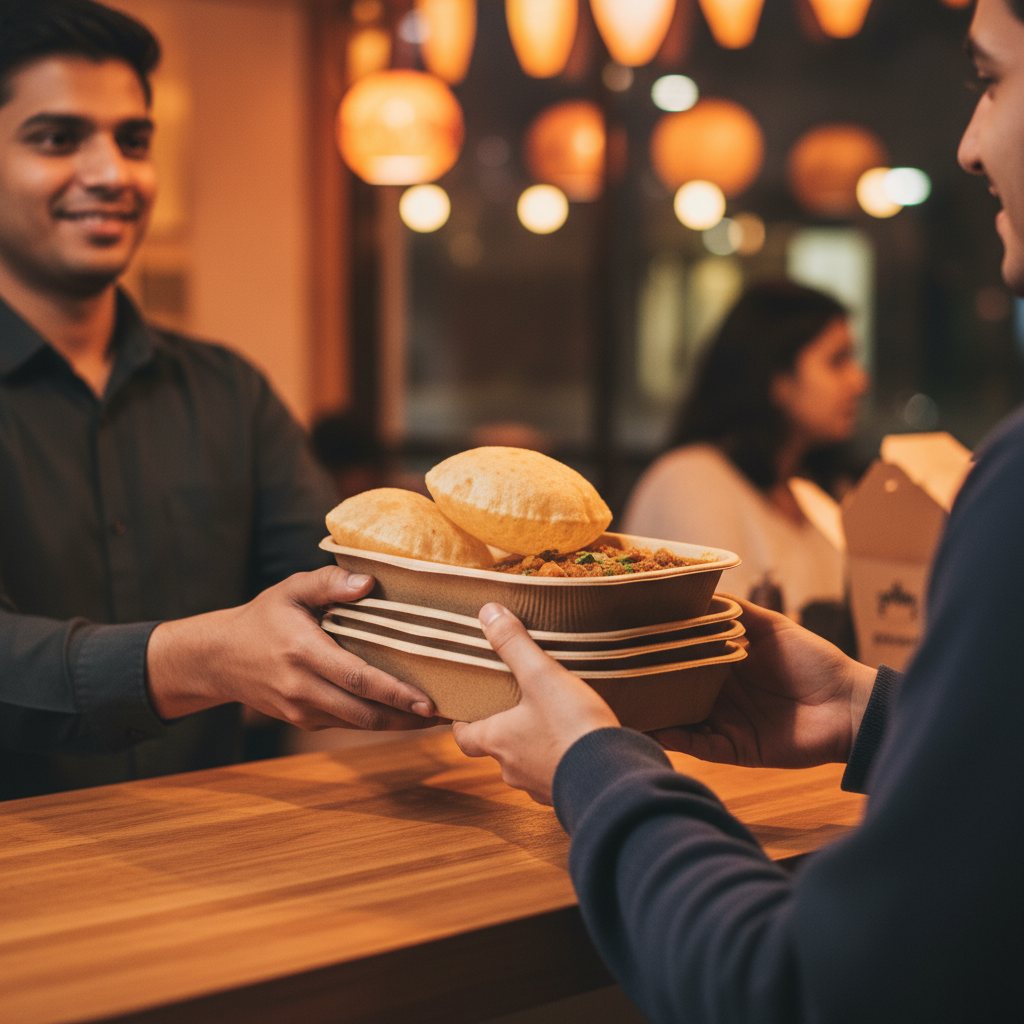
Considering recurring meals? Studying local meal formats can help you plan variety and vegetarian coverage. Here’s a neighborhood example showing how rotating menus are structured: see how a Punjabi tiffin lineup differs from a Jain tiffin lineup. Frameworks like these clarify cadence, sides, and spice levels week to week.
For recipe inspiration in the broader food community, you can also explore a general background page on chole bhature. Use it as a comparative reference while relying on our halwai notes for practical, service‑tested techniques.
Planning a celebration in Brampton? Build your vegetarian spread around chole bhature, then add a bright chaat and an elegant mithai box. For technique details and menu pairing ideas, see our in‑depth chole bhature guide.
Frequently Asked Questions
These quick answers cover dough, reheating, and pairing questions we hear most at our Brampton counter. Each tip aims to protect texture, preserve brightness, and keep service smooth for families and teams.
What makes bhature puff properly?
Elastic dough and stable high heat. Rest the dough 45–90 minutes, then fry in hot oil so steam expands fast. Roll evenly; thin spots blister too quickly, thick spots won’t puff. Drain briefly to keep crispness.
How should I reheat chole and bhature?
Simmer chole 3–5 minutes with a splash of water, then finish with lemon and cilantro. Re‑crisp bhature in a hot oven or air fryer for 1–2 minutes. Avoid microwaving; it softens the bread.
What should I pair with chole bhature?
Balance heat and richness with a bright chaat and a sweet finish. Popular picks: aloo chaat or samosa chana chaat, plus a mithai assortment like barfi or gulab jamun. A salty lassi or chai rounds out the meal.
Is chole bhature vegetarian?
Yes. Chole bhature is a vegetarian staple built on chickpeas and wheat flour. It’s a reliable choice for mixed groups, and it pairs naturally with other vegetarian chaats and Punjabi sweets.
Conclusion and Key Takeaways
Chole bhature shines when spices bloom, chickpeas turn creamy, and bhature puff hot and fast. In Brampton, The Mithai Maharaja pairs this classic with chaats and mithai so you can build fast, satisfying meals for weekdays, office groups, or festive spreads.
From Delhi‑style masalas to yogurt‑soft bhature, your choices help shape the experience. Keep garnishes bright, reheat thoughtfully, and plan service flow for groups. When you’re ready to dive deeper, our in‑house recipe walk‑through shares the exact cues we use on the line every day.
Key takeaways
- Spice bloom, dough rest, and oil stability are the three pillars of great chole bhature.
- Pair with a bright chaat and a mithai box to balance heat, acid, and sweetness.
- For groups, a simple three‑station line keeps texture and timing on point.
- Compare with kulcha or poori to match texture, reheat behavior, and occasion.
- Explore our halwai notes in the detailed chole bhature guide.
Related Guides from Our Kitchen
If you enjoy the balance of chana and bread, you’ll love branching out. Compare textures and flavors in our notes on Amritsari Kulcha with Chana, brighten meals with aloo chaat, and explore sweet pairings in our Punjabi sweets overview.