Punjabi sweets and restaurant culture combines handcrafted mithai, hearty North Indian street foods, and warm hospitality. In Brampton, The Mithai Maharaja offers this experience daily with fifth-generation halwai craftsmanship, pure desi ghee recipes, and refined gifting. This complete guide explains what to order, how to plan events, and how to enjoy authentic flavors at home.
By The Mithai Maharaja • Last updated: May 19, 2026
Overview and Table of Contents
This guide shows you how Punjabi sweets and a restaurant-style menu come together at The Mithai Maharaja in Brampton. You’ll learn what defines authentic mithai, which chaats and snacks to try, how halwai kitchens craft quality, and how to plan memorable gifting and catering.
Punjabi sweets are more than dessert; they’re a cultural bridge between celebrations and daily comfort. At The Mithai Maharaja, you’ll find premium mithai, Delhi/Punjab street foods, thalis, and gift-ready boxes—crafted “the real halwai way” since 1938 and served with a modern, elegant touch.
- What is a Punjabi sweets and restaurant experience?
- Why it matters in Brampton
- How a halwai kitchen works
- Popular types and menu approaches
- Best practices for ordering, gifting, and catering
- Tools and resources
- Case studies and examples
- FAQ
- Conclusion
- Related articles and deep dives
What is a Punjabi sweets and restaurant experience?
A Punjabi sweets and restaurant experience blends handcrafted mithai with savory street-style favorites, welcoming service, and gifting traditions. At The Mithai Maharaja in Brampton, it means pure desi ghee sweets, classic chaats, and thali comfort—rooted in fifth-generation halwai heritage and presented with refined, modern elegance.
At its core, this experience celebrates balance: rich, milk-forward mithai alongside bright, spice-layered snacks. The Mithai Maharaja’s story traces to Phagwara, Punjab (1938), where family recipes were perfected and passed to today’s Brampton kitchen led by Amit Sudhir. That lineage shows in texture, aroma, and plating.
If you’re new to mithai, start with approachable icons—barfi, kalakand, ladoo, and gulab jamun—then branch into halwa or pinni. For the savory side, pair samosas or paneer pakora with one of the house chaats. To explore cultural roots, see our in-depth note on meaning and customs in Punjabi sweets cultural significance.
Why Punjabi sweets and restaurant traditions matter in Brampton
Punjabi sweets and restaurant traditions anchor celebrations, daily rituals, and community connection in Brampton. The Mithai Maharaja meets real local needs—authenticity, vegetarian variety, elegant gifting, and convenient ordering—while preserving fifth-generation halwai craftsmanship for families and event planners.
Brampton’s diverse community looks for food that feels like home yet rises to special occasions. The Mithai Maharaja answers with premium ingredients (notably pure desi ghee), vegetarian-forward snacks, and gift-ready assortments tailored to festivals and weddings. That combination makes the shop a reliable “one-stop” for sweets and savory comfort.
In our experience serving GTA families, the most-requested pairings match tradition with ease of service. Think a mithai assortment box plus Delhi Wale Chole Bhature for weekend gatherings, or a chaats station at a pre-wedding function. For flavor ideas that honor heritage, browse our barfi varieties and flavors overview.
Local considerations for Brampton
- Plan for weekend rushes around festivals; pre-order gift boxes and popular chaats so your selections are locked in for pickup.
- Winter evenings favor warm snacks like paneer pakora and hot chai; spring/summer gatherings lean toward chaats and lighter mithai assortments.
- For mixed-age groups, build a balanced spread: one classic mithai box, one street-food favorite (e.g., Amritsari Kulcha with Chana), and a kid-friendly snack like samosas.
How a halwai kitchen works at The Mithai Maharaja
A halwai kitchen relies on time-tested methods: slow-cooked milk reduction, precise sugar-syrup stages, fresh roasting for flours and nuts, and daily batches. The Mithai Maharaja applies fifth-generation technique, ensuring consistent texture, sheen, and aroma across mithai and savory snacks.
“Crafted in Heritage, Served with Royalty” guides the process. Milk-based sweets are reduced patiently for condensed richness. Syrup-bound classics—like gulab jamun—follow exact-temperature syruping to achieve that prized gloss and softness. Savory items such as samosas and pakoras are fried to order for crispness without heaviness.
Quality control is continuous: tasting syrups for thread consistency, checking nut roast levels, adjusting spice blends for chaats, and documenting batch freshness. For a deeper dive into mithai selection and quality markers, see our premium mithai selection guide.
Popular types and menu approaches
Build your Punjabi sweets and restaurant feast around three pillars: premium mithai, signature snacks, and chaats/combos. Start with a mixed mithai box, add a hot savory (samosa or paneer pakora), and finish with a chaat or thali so everyone finds a favorite.
Mithai favorites (start here)
Classic mithai travels well and suits every palate. Begin with a shared box and layer textures—fudgy, syrupy, nutty—to keep interest high from first bite to last.
- Barfi & Kalakand: Fudge-like, milk-forward pieces. Explore combos in our best barfi flavors guide.
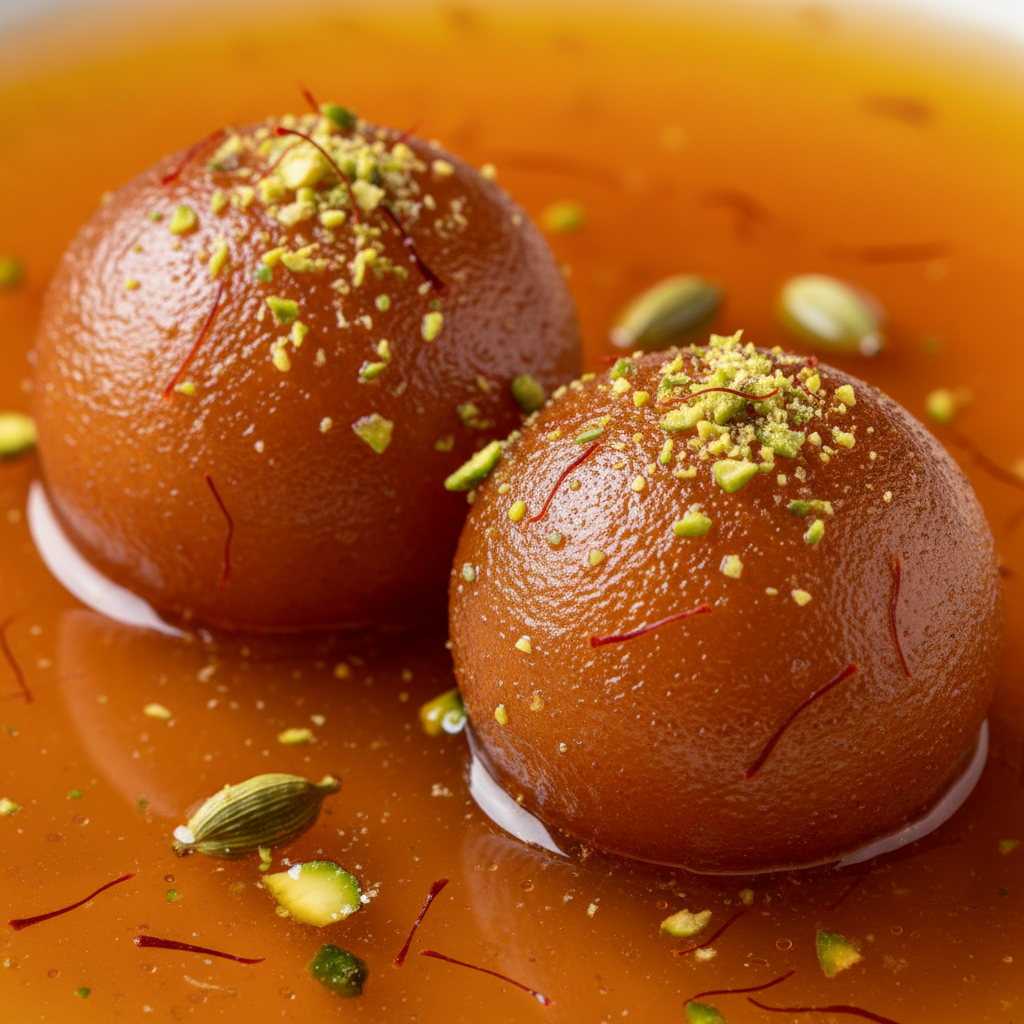
- Gulab Jamun: Soft, syrup-soaked spheres with cardamom notes—see our gulab jamun sweet tips for serving and pairing.
- Ladoo: Round, gently spiced bites—ideal for gifts and prasad.
- Halwa & Pinni: Warm, aromatic comfort—understand their differences in halwa vs. pinni.
Street-style snacks (pair with chai)
Snack time is where conversation starts. Crisp exteriors, soft interiors, and chutney brightness keep plates lively.
- Special Handmade Samosa: Golden, flaky, and hand-filled for a satisfying bite.
- Paneer Pakora: Spiced batter over tender paneer—loved by kids and adults alike.
- Chole Bhature: A hearty classic—puffed bhature with spiced chickpeas.
- Amritsari Kulcha with Chana: A crispy, stuffed bread with chana—see our Amritsari Kulcha guide for serving ideas.
Chaats, thalis, and balanced combos
Chaats bring tang and texture; thalis offer full-meal balance. For mixed-age gatherings, we often set out one chaats station plus a compact thali selection so guests customize without crowding.
- Chaat Papdi & Aloo Tikki Chaat: Crunchy, creamy, tangy layers that keep a party buzzing.
- Dahi Bhalla: Cooling, yogurt-soaked lentil dumplings with chutney ribbons.
- Thalis & Value Meals: Rotating mains, bread, rice, and sides—vegetarian and crowd-pleasing.
| Item | Texture/Style | Best For | Pair With |
|---|---|---|---|
| Barfi | Fudgy, milk-forward | Gifting, tea breaks | Masala chai |
| Gulab Jamun | Soft, syrup-soaked | Post-dinner dessert | Rabri or kulfi |
| Halwa | Warm, spoonable | Winter evenings | Hot chai |
| Paneer Pakora | Crisp outside, tender paneer | Kids’ parties, snacks | Tamarind & mint chutney |
| Chaat Papdi | Crunchy, tangy | Festive gatherings | Sweet & green chutneys |
| Chole Bhature | Hearty, saucy | Weekend brunch | Onion salad & pickle |
Best practices for ordering, gifting, and catering
Lock in crowd-pleasers early, balance sweet and savory, and match packaging to the occasion. For events, combine a mithai centerpiece with chaats or a thali spread, and plan handoff logistics so service stays smooth from pickup to plate.
Ordering for families and small groups
When you’re feeding a tight-knit group, variety beats volume. A smart platter keeps conversation easy.
- Start with one mixed mithai box spanning barfi, kalakand, and gulab jamun.
- Add a hot savory: handmade samosas or paneer pakora are universal favorites.
- Include a chaat to brighten the spread—aloo tikki chaat, chaat papdi, or dahi bhalla.
- Finish with chai or lassi so guests reset their palate between bites.
Gifting that feels royal
“Elegance in Every Box” is more than a line—it’s presentation discipline. Choose assortments with visual symmetry, color contrast, and familiar flavors to delight recipients of all ages.
- Feature signature barfi shapes for geometric appeal.
- Layer nuts and dried fruit for texture and color.
- Include a note card naming pieces for easy selection.
- Time the pickup so boxes are fresh the same day for best aroma and bite.
For deeper flavor tips, skim our barfi flavors overview and gulab jamun guide.
Event and wedding planning
Successful events blend consistency with a showpiece moment. We recommend pairing a centerpiece mithai display with one high-interaction station so guests engage without queuing.
- Mithai centerpiece: A tiered arrangement of barfi, ladoo, and fusion sweets for visual impact.
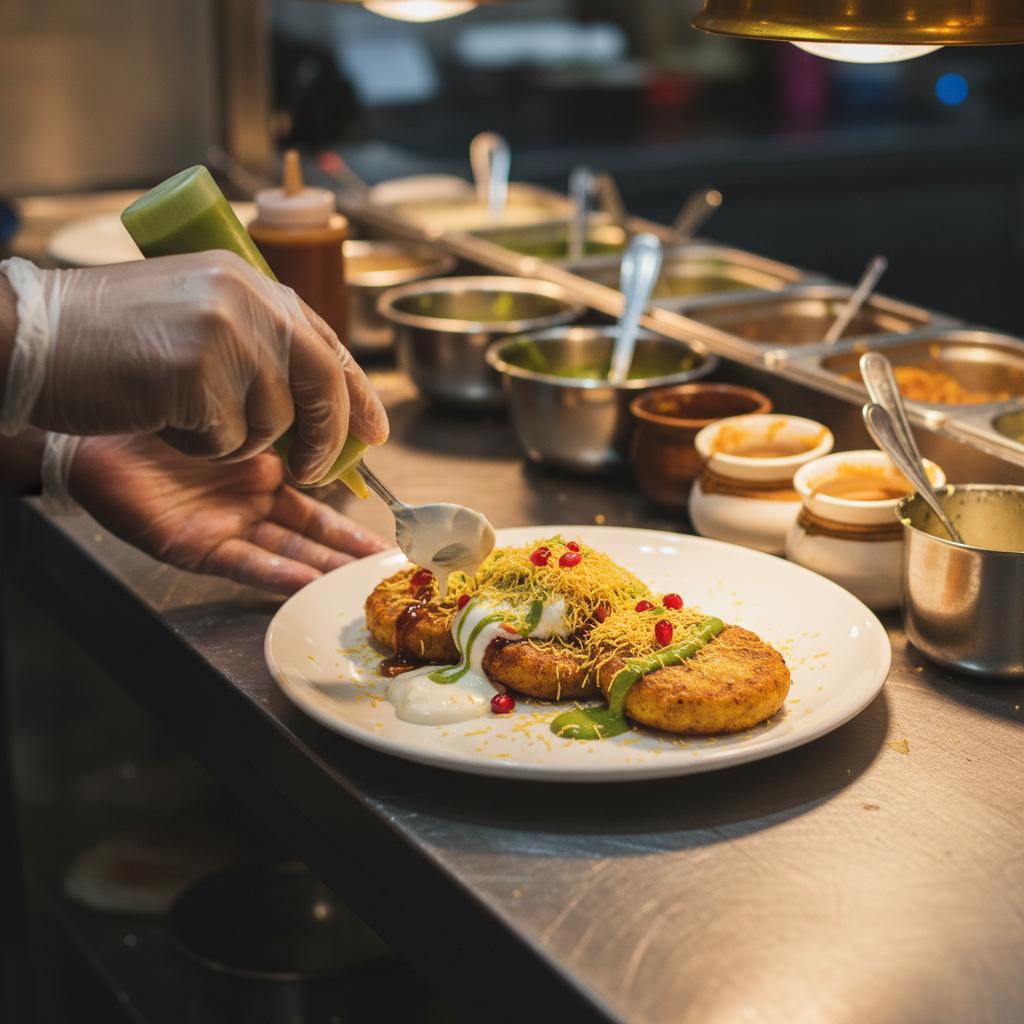
- Chaats station: Live plating of aloo tikki chaat or chaat papdi keeps textures crisp.
- Hearty anchor: Chole Bhature or Amritsari Kulcha with Chana gives guests a “real meal” option.
- Take-home favors: Mini boxes with 2–3 mithai pieces extend the celebration.
Planning a celebration in Brampton?
Tell us your guest count, dietary notes, and service style (pickup or staged service). We’ll guide you through mithai selection, chaats, and packaging. To refine choices, browse our premium mithai selection guide.
Tools and resources
A smooth Punjabi sweets and restaurant experience uses the right serveware, travel-safe packaging, and planning checklists. Combine sturdy trays, airtight containers, and labeled boxes with a simple run-of-show so flavors, textures, and timing stay on point.
Here’s a compact toolkit we share with hosts and office admins when they’re planning pickups and small-format service.
- Serveware: Non-reactive trays for mithai, slotted spoons for chaats, insulated carriers for hot snacks.
- Packaging: Gift-ready boxes, separators for delicate pieces, and spill-safe containers for chutneys/yogurt.
- Labeling: Simple flavor cards, allergen highlights, and sequence tags for staff or volunteers.
- Run-of-show: A short timeline covering pickup, setup, first service, and refill checks.
For venue brainstorming and event inspiration beyond Brampton, you can explore regional idea boards like Indian food inspiration or browse community-oriented meal services to compare formats, such as Punjabi tiffin services. Menu-planning prompts also appear under curated tags like Indian food menu ideas.
Case studies and examples
From intimate family poojas to office holiday breaks, a clear plan wins. These mini-scenarios show how we pair mithai with snacks, manage timing, and keep service friendly—even with varied ages and preferences.
Family pooja at home (10–12 guests)
Goal: warm, traditional spread with minimal cleanup.
- Mithai box: Ladoo, barfi, and gulab jamun for familiar comfort.
- Snack: Special handmade samosas for easy sharing.
- Accent: Dahi bhalla to balance spice with cooling yogurt.
- Tip: Set mithai first for prasad; bring snacks out once guests settle.
Office holiday tea (25–30 colleagues)
Goal: festive variety that travels well.
- Mithai centerpiece: Barfi assortment with nut garnish for visual appeal.
- Snacks: Paneer pakora and samosas; keep chutneys in separate, labeled containers.
- Sweet finish: Gulab jamun portioned in cups for drip-free service.
- Tip: Stagger setup: mithai 30 minutes ahead; hot items 10 minutes before service.
Pre-wedding get-together (40–60 guests)
Goal: interactive fun with a “wow” moment.
- Showpiece: Tiered mithai display featuring classic barfi and fusion sweets.
- Action station: Aloo tikki chaat or chaat papdi plated live for crisp textures.
- Hearty anchor: Chole Bhature or Amritsari Kulcha with Chana.
- Favors: Mini mithai boxes set near the exit.
Frequently Asked Questions (FAQ)
These concise answers address how to choose, serve, and store Punjabi sweets and snacks from The Mithai Maharaja. Use them to plan stress-free gatherings, gifts, and everyday enjoyment in Brampton.
What should I try if it’s my first visit?
Start with a mixed mithai box featuring barfi, kalakand, and gulab jamun. Add handmade samosas or paneer pakora, then round out with a chaat like aloo tikki chaat. This covers the sweet, savory, and tangy notes Punjabi cuisine is known for.
How do I keep mithai fresh for gifting?
Pick up close to the time you’ll gift and keep boxes cool and dry. Avoid direct sun and temperature swings. For syrup sweets like gulab jamun, keep sealed until serving. Labeling varieties helps recipients choose quickly at gatherings.
Can you suggest a simple event menu?
Yes—combine a mithai centerpiece with one action station and one hearty anchor. For example: a barfi-ladoo display, live chaat papdi plating, and Amritsari Kulcha with Chana. This keeps lines short and palates happy.
Do you offer vegetarian-friendly options?
Yes. The Mithai Maharaja’s menu is rich with vegetarian choices—from mithai and chaats to paneer-forward snacks and thalis. If you have specific dietary notes, share them when planning; we’ll guide you to the best items.
Conclusion
Punjabi sweets and restaurant traditions thrive when authenticity, elegance, and convenience meet. In Brampton, The Mithai Maharaja unites fifth-generation halwai craft with modern service—so families, gift-givers, and event hosts enjoy true-to-tradition flavors without stress.
From premium mithai to street-style favorites, you can build spreads that fit any moment—quiet tea breaks, family poojas, office holidays, or wedding-week celebrations. Keep the balance of sweet, savory, and tangy, and plan packaging and timing so textures shine on arrival.
- Key takeaways: balance mithai with snacks; pre-order for weekends/festivals; choose gift boxes with contrast and clarity; stage one action station for events.
- Next steps: Explore flavors in our barfi flavors guide and plan your assortment with the premium mithai selection checklist.
Related articles and deep dives
Continue your culinary tour with practical flavor guides and serving tips from The Mithai Maharaja’s blog. These deep dives help you choose textures, plan plating, and time pickups for the freshest experience.
To compare nutty versus milk-forward profiles, see our barfi varieties overview. For syrup sweets, bookmark the gulab jamun serving guide. And for winter comfort pairings, revisit halwa and pinni differences.