Indian mithai sweets are handcrafted desserts made by halwais using milk solids, ghee, nuts, and aromatic spices to create rich, celebratory bites. These sweets anchor festivals, gifting, and everyday joy. For Brampton families, The Mithai Maharaja offers authentic, desi ghee treats and Punjabi snacks crafted to heritage standards and ready for pickup or online order.
By The Mithai Maharaja · Last updated:
Above-Fold Overview & Table of Contents
This complete guide explains what Indian mithai sweets are, why they matter in Brampton celebrations, how authentic mithai is crafted, and how to choose, store, and serve them. You’ll also see real examples from The Mithai Maharaja’s kitchen, plus planning tools, a quick chooser table, and concise answers to common questions.
Here’s what you’ll find at a glance. Scan first, then jump to what you need right now.
- What Are Indian Mithai Sweets?
- Why Mithai Matters in Brampton Celebrations
- How Authentic Mithai Is Crafted (Halwai Method)
- Types of Mithai and How to Choose
- Best Practices for Buying, Storing, and Serving
- Tools and Resources for Planning Orders
- Case Studies and Real Examples
- FAQ: Indian Mithai Sweets
- Conclusion and Next Steps
Quick Summary
Indian mithai sweets are traditional Indian confections, often milk- or nut-based, shaped into bite-size pieces and finished with ghee, cardamom, saffron, or silver leaf. In Brampton, The Mithai Maharaja prepares them the authentic halwai way for festivals, weddings, gifting, and everyday treats, with traditional Punjabi flavours and elegant presentation.
If you’re choosing mithai for a celebration or craving a classic treat, start here, then explore the in-depth sections below.
- Core idea: Handcrafted sweets rooted in Punjabi/Delhi traditions.
- Why now: Festivals and weddings call for elegant, gift-ready boxes.
- Local edge: Halwai-crafted mithai in Brampton using pure desi ghee.
- What’s inside: Types, selection tips, storage, and serving cues.
- Action: Use planning checklists and examples to order with confidence.
What Are Indian Mithai Sweets?
Indian mithai sweets are traditional confections made by halwais from milk solids (khoa/khoya), ghee, sugar syrups, nuts, and spices. They’re shaped into barfi, ladoo, gulab jamun, halwa, and more, then garnished elegantly. The Mithai Maharaja crafts these classics daily for Brampton’s families, weddings, and corporate gifts.
Mithai refers to a wide family of Indian desserts, each with its own texture, sweetness, and finish. Many are milk-forward; others lean on nuts or gram flour. Balance and aroma matter as much as sweetness, and presentation completes the experience.
Core ingredients and aromas
Milk solids, pure desi ghee, and sugar syrup form the base for many mithai. Then come cardamom, saffron, rose essence, and nuts like pistachio, almond, and cashew. These ingredients define flavor and mouthfeel, and they determine how cleanly a sweet sets and slices.
- Milk base: Kalakand and milk cake showcase moist, granular textures with dairy-rich notes.
- Nut base: Kaju katli and pista barfi trend silkier, with natural oils that carry aroma.
- Flour/ghee base: Besan ladoo and pinni lean toasty with a comforting, grain-forward bite.
Texture spectrum explained
Texture guides selection. A well-made barfi cuts cleanly with a glossy edge. Gulab jamun should be soft and evenly soaked, not soggy. Kalakand should show distinct, moist granules, not dry crumbs. Texture cues help you judge freshness at a glance.
At The Mithai Maharaja, five generations of halwai heritage (since 1938) translate into consistent textures and finishes customers recognize. For an overview of styles before you build a box, browse our concise mithai selection guide.
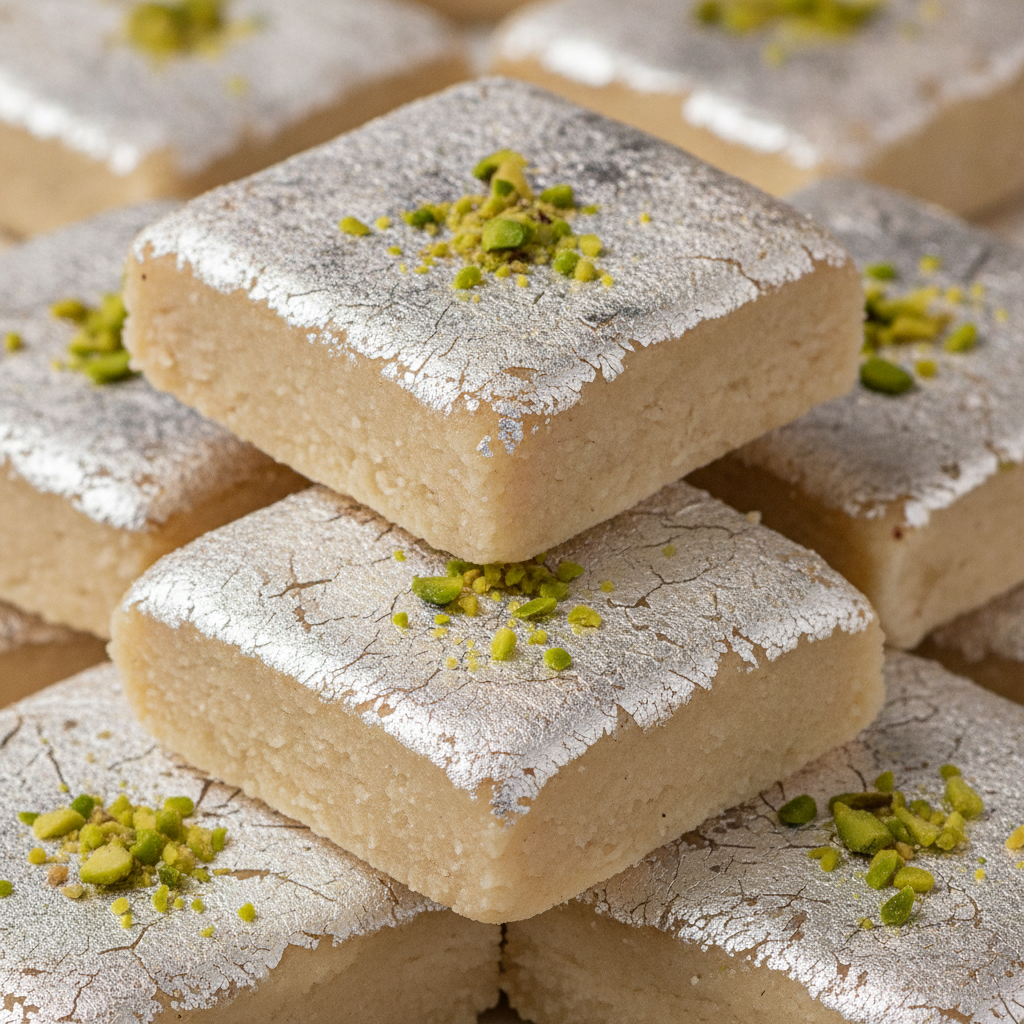
Pro tip for quick tasting: Choose one piece from each family, creamy (barfi), syrup-soaked (gulab jamun), nut-led (kaju katli), and grain/ghee (besan ladoo). You’ll feel the range immediately, which makes curating a balanced box easier.
Why Mithai Matters in Brampton Celebrations
Mithai marks milestones in Brampton’s South Asian community, from Diwali and Eid to weddings and baby namings. Gift boxes signal respect and joy. The Mithai Maharaja pairs authentic Punjabi flavors with elegant packaging, making it easy to honor tradition while delighting modern tastes and dietary preferences.
Sweets are more than dessert; they’re a language of celebration. When you share a box, you share blessings, gratitude, and a bit of home. That’s why presentation, freshness, and variety turn a simple gift into a thoughtful gesture.
- Festivals: Diwali, Gurpurab, Eid, Holi, and regional new years often feature assorted mithai trays.
- Life events: Engagements, weddings, baby showers, housewarmings, and graduations call for special boxes.
- Corporate gestures: Assorted boxes thank teams and clients with tasteful, inclusive sweets.
- Everyday joy: A few pieces after dinner or with chai on a slow weekend.
Gifting etiquette made easy
Thoughtful gifting blends taste, texture, and presentation. Hosts appreciate variety, elders appreciate classics, and kids enjoy color and bite-size pieces. Keep labels or a small card that lists common allergens. A mix of creamy, syrupy, and nutty styles covers most palates.
- Classic anchors: Kaju katli, pista barfi, and gulab jamun suit formal gifting.
- Family-friendly picks: Besan ladoo, milk cake, and peda keep things familiar.
- Festive pop: Saffron and pistachio highlights add visual contrast in the box.
Want Punjabi context before choosing? Our short Punjabi sweet shop guide will help you include regional favorites with confidence.
Local considerations for Brampton
- Festival timing: Plan assortments earlier during fall festivals when family and community gatherings peak across the city.
- Weekend pickups: Brampton weekends see higher in-store traffic; consider reserving gift boxes in advance for smoother pickup.
- Menu breadth: If your group includes mixed tastes, balance mithai with chaats or snacks like samosas and pakoras for variety.
How Authentic Mithai Is Crafted (Halwai Method)
Authentic mithai is a craft. Halwais slowly cook milk solids, manage sugar-syrup threads, and temper ghee to lock in aroma. Precision yields clean textures, natural sweetness, and elegant finish. The Mithai Maharaja preserves this 1938 Punjabi halwai method in Brampton, batch after batch, for consistent, celebration-ready results.
In our kitchen, technique is everything. When we say “crafted the real halwai way,” we mean measured heat, careful timing, and ingredient integrity. Batch size, humidity, and resting time affect texture as much as recipes do.
From milk to mithai: the core steps
- Source quality dairy and nuts: Fresh khoa/khoya and premium nuts shape texture and aroma from the start.
- Cook low and slow: Milk solids reduce gradually to coax caramelized notes and a cohesive body.
- Master the syrup: One-string sugar syrup (chashni) guides sweetness and binding; overcooking makes pieces brittle.
- Balance ghee: Pure desi ghee adds mouthfeel; too much blurs flavor, too little dulls it.
- Finish with finesse: Cardamom, saffron, nuts, and silver leaf elevate both taste and presentation.
Sugar stages decoded
Chashni stages decide whether a sweet sets cleanly or crumbles. One-string syrup, where a thin thread forms between fingertips, is a classic benchmark. Softer syrups suit gulab jamun; firmer syrups help barfi hold shape. This is where halwai experience matters most.
- Soft thread: Ideal for syrup-soaked sweets; promotes even absorption without grainy crystals.
- One-string: Balances binding and tenderness for clean-cut pieces like barfi.
- Harder stage: Risks crystallization and dryness if not offset with ghee and moisture.
Temperature, timing, and tools
Maintaining even heat prevents scorching and preserves delicate dairy notes. Resting time allows moisture to equalize, which is why yesterday’s barfi may cut more cleanly than a still-warm slab. Simple, sturdy tools, such as heavy-bottom pans, flat spatulas, and accurate thermometers, support consistency without overcomplicating the process.
| Stage | What happens | What to look for |
|---|---|---|
| Reduce | Milk solids cook down | Glossy, cohesive texture |
| Syrup | Chashni reaches 1-string | Sticky thread between fingers |
| Combine | Fold syrup, nuts, aromatics | Even distribution, no weeping |
| Set | Spread and cool | Clean cut without drag |
| Finish | Garnish and portion | Uniform size, elegant look |
Want a broader sense of dessert traditions before you choose a box? Skim our compact Indian desserts guide and circle back with your favorites in mind.
Soft CTA: Planning a wedding, festival, or office celebration in Brampton? Ask us to assemble a balanced mithai-and-snacks spread with gift-ready boxes. We’ll tailor varieties to your guests’ tastes and dietary preferences.
Types of Mithai and How to Choose
Choose mithai by texture, sweetness, and occasion. Mix milk-based barfi for creaminess, syrup-soaked gulab jamun for warmth, and nut-led kaju katli for finesse. For gifting, vary colors and shapes; for parties, add crowd-pleasers like ladoo. The Mithai Maharaja helps curate balanced assortments for Brampton celebrations.
Main families you’ll see
Organize your box around families. This approach keeps variety intentional and ensures every guest finds a favorite. Keep a simple ratio in mind: 40% milk-based, 30% syrup-soaked, 20% nut-led, and 10% halwa/ladoo for grainy comfort. Adjust to your crowd after a quick taste test.
- Milk-forward (creamy): Barfi, kalakand, peda, and milk cake are excellent choices for elegant gift boxes and weddings.
- Syrup-soaked (comforting): Gulab jamun, jalebi, and imarti are best served warm for an extra indulgent finish.
- Nut-led (refined): Kaju katli, pista barfi, and badam katli offer silky textures with a lingering nutty aroma.
- Flour/halwa (hearty): Besan ladoo, sooji halwa, and pinni are perfect with chai and make comforting everyday treats.
- Fusion sweets (modern): Classic bases with flavor twists and designer finishes.
| Category | Texture | Sweetness | Best for | Pair with |
|---|---|---|---|---|
| Milk-based barfi | Fudge-like, clean cut | Medium | Gift boxes, weddings | Cardamom chai |
| Gulab jamun | Soft, syrupy | Medium–high | Dinner parties | Warm milk or chai |
| Kaju katli | Silky, nutty | Medium | Corporate gifting | Light green tea |
| Besan ladoo | Grainy, aromatic | Medium | Everyday tea-time | Masala chai |
| Kalakand | Moist, granular | Medium | Festivals | Saffron milk |
Thirteen classics worth knowing
- Barfi: The elegant, clean-cut cornerstone of many gift boxes.
- Kaju Katli: Cashew-forward, silky, and universally appreciated.
- Pista Barfi: Nutty, green-hued slices with delicate aroma.
- Kalakand: Moist, granular dairy with a gentle sweetness.
- Peda: Dense, bite-size discs, easy to portion and serve.
- Milk Cake: Caramelized dairy notes; a nostalgic favorite.
- Gulab Jamun: Syrup-soaked comfort; delicious warm.
- Jalebi: Crisp spirals that shine on festival trays.
- Imarti: Heftier syrup spirals with a satisfying bite.
- Besan Ladoo: Toasty, aromatic spheres, perfect with chai.
- Pinni: Hearty Punjabi energy sweets with ghee and nuts.
- Rasmalai (cup-style): Soft cheese patties in flavored milk.
- Fusion Sweets: Classic bases with modern finishes for gifting flair.
For a deeper catalog, browse our all-Indian sweets guide, then shortlist your must-haves. If your celebration needs snacks too, balance mithai with samosas, pakoras, or Delhi-style chaats for a complete spread.
Best Practices for Buying, Storing, and Serving
Buy fresh, store smart, and serve with intention. Choose varied textures and colors, refrigerate milk-based sweets promptly, and bring mithai to room temperature before serving. For parties, plate 2–4 pieces per guest and refresh trays often. Clear labels help guests pick confidently and avoid allergens.
Buying checklists (for Brampton hosts)
Let purpose drive the selection. Gifting thrives on refinement and presentation, buffets need visual contrast and easy handling, and tea-time calls for comfort and portion control. Sketch your guest list, then aim for three textures and at least four colors for a balanced look.
- Start with purpose: Gifting, buffet, or tea-time? Purpose shapes your mix.
- Variety matters: Include creamy, syrupy, and nutty profiles with 3–5 colors.
- Box as message: Gift-ready packaging signals care; choose elegant finishing.
- Balance with snacks: Add samosas, pakoras, or chaat for savory contrast.
Storage and freshness tips
Freshness is flavor. Milk-based sweets enjoy refrigeration; nut-led and halwa styles prefer airtight, cool-dry storage. Warm syrup-soaked sweets gently before service to restore their soft bite. These small steps protect texture and aroma.
- Milk-based: Refrigerate soon; enjoy while textures stay moist and clean.
- Syrup-soaked: Keep covered; warm gently before serving for best mouthfeel.
- Nut-led: Store airtight to preserve aroma and prevent drying.
- Halwa/ladoo: Cool, dry storage helps maintain grain and fragrance.
Serving with confidence
Good service is simple: room temperature for flavor, neat tools for speed, and light garnish for color. Label nuts and dairy clearly and place tongs where guests can reach them easily. Refresh trays every 15–20 minutes during peak service so everything looks inviting.
- Room temperature rule: Let refrigerated sweets soften before plating.
- Garnish lightly: Pistachio dust or saffron threads add color and aroma.
- Right tools: Use small tongs and dessert plates for neat, quick service.
- Allergen cues: Note nuts and dairy to keep guests comfortable.
| Family | Where to store | Serve | Notes |
|---|---|---|---|
| Milk-based | Refrigerator | Room temp | Keep covered to prevent drying |
| Syrup-soaked | Covered, cool area | Warm or room temp | Warm gently for best texture |
| Nut-led | Airtight, cool-dry | Room temp | Protect from humidity |
| Halwa/ladoo | Cool-dry, airtight | Room temp | Handle gently to keep shape |
Prefer to keep things simple? Use our practical sweets-and-snacks guide to build a ready-to-serve spread, then layer beverages and chaats for variety.
Tools and Resources for Planning Orders
Use planning tools to avoid last-minute stress. Sketch your guest count, shortlist mithai types, add one to two savory snacks per person, and confirm pickup time. Reference curated guides from The Mithai Maharaja for festival assortments and pairings, then request gift-ready packaging for effortless presentation.
Simple planning framework
A light plan turns chaos into calm. Estimate 3–5 mithai pieces per guest for dessert tables, or 2–3 if you’re also serving chaats and snacks. Mix textures evenly and give yourself an extra 10% buffer for late arrivals or second helpings.
- Headcount baseline: 3–5 mithai per guest for dessert-first events; 2–3 with hearty snacks.
- Texture balance: Split evenly across creamy, syrupy, and nut-led profiles.
- Color harmony: Add saffron, pistachio, and silver-leaf highlights for visual appeal.
- Layer in snacks: Include samosas, pakoras, or chaat to satisfy savory cravings.
- Packaging: Choose elegant boxes for hosts, family, and VIPs.
Savory pairings and beverages
Savory bites and cooling drinks reset the palate between richer sweets. Chaat, samosas, and pakoras add crunch and spice; lassi-style beverages cool and cleanse. For approachable background reading on lassi variations, skim this friendly mango lassi guide and this quick sweet lassi primer before you plan beverages.
Catering coordination tips
If you’re coordinating a larger gathering, plan mithai alongside snacks like Chole Bhature, Bedmi Puri Aloo, or Amritsari Kulcha with Chana to keep guests satisfied from first bite to last. Our team can suggest a flow that starts with chaats, moves to savory mains, then lands on mithai for a memorable finish. For a cuisine refresher that helps you round out the menu, here’s a helpful Punjabi dishes overview.
- Flow matters: Start light (chaat), serve mains hot, finish with mithai at room temperature.
- Stations work: Separate sweet and savory tables to ease crowding.
- Signals help: Small, tasteful labels guide guests and reduce wait time.
Explore a curated list in our mithai starter guide, cross-check choices with the broader desserts overview, and keep regional favorites in mind with the Punjabi sweets guide.
Case Studies and Real Examples
Real Brampton events benefit from curated assortments. We’ve helped couples design wedding boxes, set up Diwali trays for offices, and plan weekend family spreads with mithai and chaats. Each scenario balances creamy, syrupy, and nutty profiles, with presentation that travels well and serves neatly.
Wedding gifting, Punjabi style
A Brampton couple wanted a regal yet modern gift box. We centered kaju katli and pista barfi for refinement, added gulab jamun for warmth, and finished with kalakand for texture. The box looked elegant and felt inclusive for elders and friends alike, an easy handoff after the ceremony.
Diwali at the office
A local team asked for desk-friendly assortments. We packed mixed barfi, besan ladoo, and a few fusion pieces. Clear labels made nut and dairy ingredients easy to navigate. The trays stayed fresh and colorful through multiple afternoon breaks because we refreshed them on a 20-minute cadence.
Weekend family tray
For a cozy family evening, we paired warm gulab jamun with chai, then added barfi squares and besan ladoo for balance. A few savory snacks (samosas and pakoras) rounded the spread so everyone found a favorite bite. The result was a relaxed, refill-as-you-go format that kept the table lively.

Pooja and milestone moments
For small religious ceremonies and milestone moments, we recommend barfi and peda as the core, with a touch of saffron for warmth. Keep the assortment simple and elegant; include a few nut-led pieces for guests who prefer less sweetness. Lightweight, gift-ready boxes make distribution smooth and respectful.
FAQ: Indian Mithai Sweets
These quick answers cover freshness, storage, selection, and pairing, helping Brampton hosts make confident choices for festivals, weddings, office trays, and everyday desserts, all with authentic, halwai-crafted mithai from The Mithai Maharaja.
What are the most popular Indian mithai sweets for gifting?
Kaju katli, assorted barfi, besan ladoo, and gulab jamun are dependable crowd-pleasers. Mix creamy, syrupy, and nutty styles for a balanced box. If you’re gifting in Brampton, elegant packaging and clear labels make the experience feel special and inclusive.
How should I store milk-based mithai like barfi and kalakand?
Refrigerate promptly in an airtight container. Before serving, let pieces come to room temperature so textures relax and flavors bloom. Keep trays covered during events to prevent drying, and use small tongs for tidy plating.
What’s the best way to plate mithai for a party?
Use a large tray with grouped sections by type and color. Offer small plates and napkins, keep backup portions covered, and refresh every 15–20 minutes. For variety, alternate mithai rows with mini samosas or pakoras so guests can switch between sweet and savory.
How do I choose mithai for mixed dietary preferences?
Aim for a balanced assortment and label allergens clearly. Include a few less-sweet nut-led pieces, some classic milk-based items, and syrup-soaked treats for comfort. Ask our team to recommend a curated mix that fits your group and occasion.
Can I pair drinks with mithai for a complete menu?
Absolutely. Chai complements most mithai, while lassi-style drinks cool the palate between richer bites. Match creamy sweets with aromatic teas, and nut-led pieces with lighter beverages for balance throughout the event.
Conclusion and Next Steps
Indian mithai sweets bring heritage, generosity, and flavor to every Brampton celebration. Start with a balanced assortment, store thoughtfully, and serve with care. The Mithai Maharaja’s halwai-crafted classics and elegant boxes make planning easy—from family trays to weddings and corporate gifts.
Ready to turn tradition into a memorable spread? Explore our insider overviews like the mithai guide, check the full sweets overview, and shortlist varieties that match your event, then drop by or order online.
Key takeaways
- Mix creamy, syrup-soaked, nut-led, and halwa styles for balance.
- Use gift-ready boxes and clear labels to elevate the experience.
- Serve at room temperature and refresh trays during events.
- Pair mithai with chai or yogurt-based beverages for contrast.
- Lean on The Mithai Maharaja’s halwai experience for curation.
Book a friendly consult in Brampton: Tell us about your guest list and occasion. We’ll assemble mithai, chaats, and snacks into a polished, ready-to-share spread.