Mawa gulab jamun is the classic North Indian sweet made with khoya (mawa) dough, fried gently, then soaked in warm cardamom–saffron syrup. It’s richer and milkier than milk‑powder versions. In Brampton, The Mithai Maharaja prepares fresh, in‑store batches daily so you can enjoy authentic texture without spending a day cooking.
By The Mithai Maharaja Team • Last updated: 2026-07-09
| Service area | Brampton and nearby GTA pick-up customers |
|---|---|
| Preparation | Fresh in-store batches; hot syrup soak; rested before boxing |
| Dietary | Vegetarian mithai (crafted the halwai way) |
| Ordering | In-store and online ordering available |
| Events | Gift-ready boxes and catering trays |
| Heritage | Fifth-generation halwai lineage since 1938 |
Local tip for Brampton hosts
Festival weekends get busy across Brampton. Pre-order a day ahead and ask us to hold the syrup hot-to-touch at pickup. Jamuns stay supple during short city drives to home gatherings or office events.
Overview
Authentic mawa gulab jamun relies on smooth khoya, low frying heat, and hot syrup resting time. Our fifth-generation halwai process standardizes each step, so Brampton customers get consistently soft, evenly colored jamuns that travel well in gift boxes and catering trays.
- Use conditioned khoya (no lumps, lightly oily to the touch).
- Keep frying gentle for an even walnut-brown color.
- Soak in hot syrup; let the center sweeten through before boxing.
- Pair with classics like Kalakand, Kaju Katli, or Rasmalai for balance.
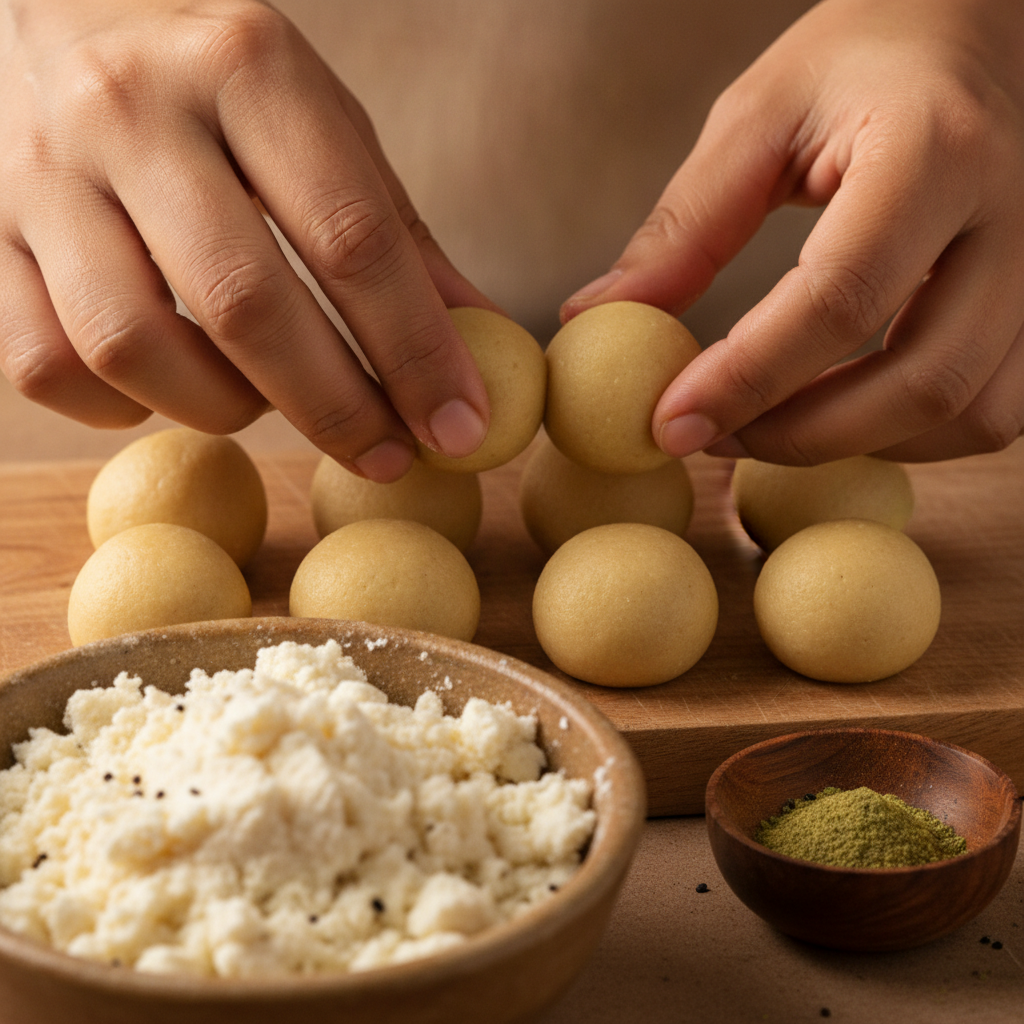
What Makes Mawa Gulab Jamun Different From Regular Gulab Jamun
Mawa gulab jamun uses khoya (reduced milk solids) for a deeper dairy flavor and a fine, delicate crumb. It absorbs syrup evenly without turning rubbery. Milk‑powder versions can be quicker but rarely match the halwai texture from well‑conditioned mawa.
For variations, our Gulab Jamun guide explains styles and finishes, while this Brampton article focuses on authentic khoya technique and where to buy it fresh.
The Key Ingredient: What Mawa (Khoya) Actually Does to the Dough
In our experience, two checks prevent problems:
- Moisture feel: Fresh mawa should leave a light sheen on fingers but not smear. Too dry cracks; too wet collapses.
- Dough relaxation: After a brief knead, cover 10–15 minutes. This relaxes any gluten from binder flour and evens hydration.
The result is a dough that rolls seam-free and fries without fissures. That’s the texture Brampton families expect from a fifth-generation halwai shop.
How The Mithai Maharaja Makes Mawa Gulab Jamun In-Store (The Process)
We grate and condition khoya, knead just to smooth, roll even rounds, fry at roughly 275–290°F (135–145°C), then soak in hot cardamom–saffron syrup. Small batches keep oil temperature stable and ensure every jamun rests long enough before boxing.
What Our Lineage Changed, and Kept, Since 1938:
- Khoya conditioning: Bring to room temp; crumble fine. A quick 60–90 second knead is enough. Over-kneading toughens.
- Shaping discipline: Roll identical sizes; micro-cracks telegraph into frying splits. We discard any with visible seams.
- Controlled fry: We target ~285°F oil. You should hear a gentle hum, not angry sputtering. A pinch of dough should rise slowly with tiny bubbles.
- Syrup standard: We keep a hot simple syrup perfumed with cardamom and saffron, hot to the touch but not boiling. Thick, thread-stage syrup is avoided for soaking.
- Resting window: For shop service, we rest 60–90 minutes in syrup; for catering, jamuns often rest closer to 2 hours for a through-and-through sweetness.
- Boxing for travel: We drain lightly but leave a little syrup so a 20–30 minute Brampton drive doesn’t dry the centers.
These controls are why our gift boxes open with a gentle syrup aroma and evenly coloured rounds, consistent even during busy festival rushes.
Curious about styles? See finishing notes in our traditional preparation guide and the texture checklist in our from-scratch article.
The 5 Steps to Perfect Mawa Gulab Jamun at Home
Condition smooth khoya, knead briefly, roll seam-free rounds, fry at gentle heat, then soak hot and rest. These five moves prevent cracks, raw centers, and poor absorption so homemade mawa gulab jamun turns soft and flavorful.
- Condition the khoya: Crumble and lightly warm so it kneads lump-free and feels supple, not sticky.
- Make a soft dough: Add binder sparingly; stop kneading as soon as it’s smooth. Cover 10–15 minutes.
- Shape flawlessly: Roll identical sizes with no seams. Any crack now becomes a split in oil.
- Fry low and steady: Aim near 285°F/140°C. Rotate often for even color; allow oil to recover between batches.
- Soak in hot syrup: Keep the syrup hot to the touch. Rest until the centre tastes sweet, usually 45 to 90 minutes.
Want more background on variations? Our milk-powder comparison explains trade-offs for busy weeknights.
Common Mistakes That Make Gulab Jamun Dense or Fall Apart (3 to Avoid)
Avoid three pitfalls: over‑kneading, frying too hot, and soaking in cold or over‑thick syrup. These cause dense interiors, burst skins, and dry centers. Gentle handling, steady heat, and hot syrup fix 90% of issues.
-
Over‑kneading the dough
Scenario: A home batch for a birthday feels bouncy, not tender. Guests bite and the centers chew instead of yielding.
Fix: Stop at “just smooth” (about 60–90 seconds). Cover 10–15 minutes so the dough relaxes. If it springs back, you’ve gone too far. -
Frying too hot
Scenario: Deep brown shells with a pale ring inside; cracks appear when moving to syrup.
Fix: Lower the flame and wait for recovery. Target a gentle 275–290°F/135–145°C. A test crumb should rise slowly with fine bubbles. -
Cold or thick syrup
Scenario: December pickup in Brampton; by the time you’re home, the centers taste plain and the outside feels sugary.
Fix: Soak in hot, free‑flowing syrup (not thread-stage). If it thickens, loosen with a splash of hot water and re-warm before soaking.
We tune all three factors in our kitchen daily, which is why event trays land soft and evenly sweet even on busy festival weekends.
Where to Buy Fresh Mawa Gulab Jamun in Brampton and the GTA
Visit The Mithai Maharaja in Brampton for authentic mawa gulab jamun made fresh in small batches. We assemble elegant gift boxes and manage catering trays for festivals, weddings, and office events. Prefer not to cook? Order online for ready‑to‑serve mithai.
Brampton has respected names like Bikaner Sweets & Restaurant, Brar Sweets, and Kwality Sweets & Restaurant. Our edge is fifth‑generation halwai technique, premium desi ghee, and presentation designed for gifting. Explore textures and buying tips in our Brampton jamun guide and our broader Indian mithai overview.
Local considerations for Brampton
- Peak pickup windows are late afternoons and festival mornings; pre‑order to avoid waits.
- Ask for hot syrup at pickup; it keeps jamuns supple during short drives across Brampton.
- For office trays, request tighter boxing and fewer loose garnishes for clean plating.
Pairing Mawa Gulab Jamun With Other Mithai for Events and Catering
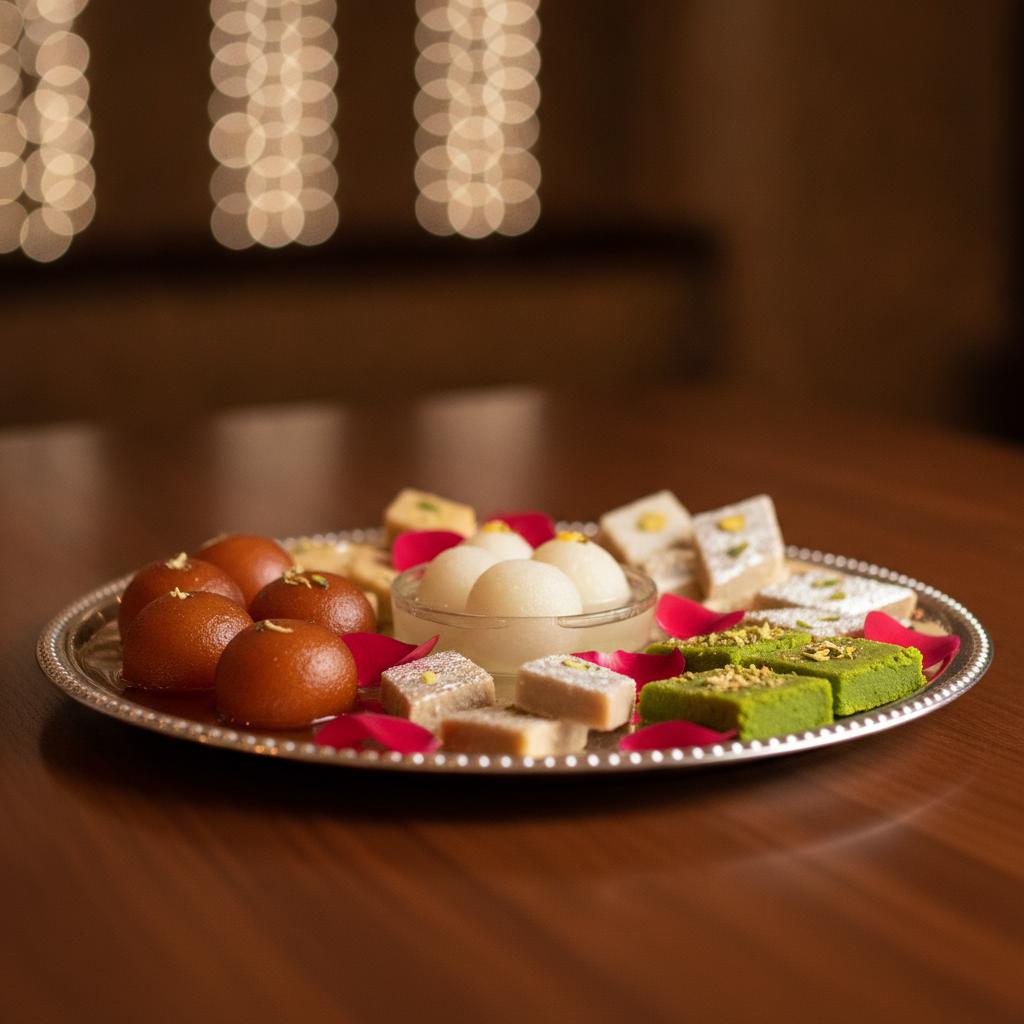
Balance your tray by pairing syrupy jamuns with milk‑based bites and nut‑forward barfi. We often combine jamun, Rasgulla, Kaju Katli, and Pista Barfi so mixed palates find a favorite. Add a creamier element like Kalakand or Rasmalai for contrast.
For weddings, birthdays, and corporate gifting, we recommend a three‑texture set: syrup‑soaked (Gulab Jamun or Rasmalai), milk‑based (Kalakand or Milk Cake), and nutty/fudge (Kaju Katli or Pista Barfi). Want a modern flourish? Consider gulab jamun cake, layered dessert cups, or a petite gulab jamun pastry.
| Aspect | Mawa (Khoya) Jamun | Milk‑Powder Jamun |
|---|---|---|
| Flavor | Deeper dairy notes, rounded finish | Lighter dairy profile |
| Texture | Fine crumb, soft center | Airier; can turn spongy |
| Syrup absorption | Excellent in hot syrup | Good, but can tighten |
Quick Summary
Mawa gulab jamun thrives on three controls: gentle dough handling, low frying heat, and hot syrup resting. Our fifth‑generation halwai workflow standardizes these so Brampton customers get soft, evenly sweet jamuns that travel well for home and office celebrations.
- Condition khoya; avoid over‑kneading.
- Keep oil near 275–290°F/135–145°C.
- Soak hot and rest long enough for a sweet center.
- Order ready‑made for events; pair with Kalakand, Kaju Katli, or Rasmalai.
Planning a celebration in Brampton? Ask our team to assemble a jamun‑led box with complementary classics. We’ll recommend textures, portioning, and packaging that arrive party‑perfect.
Frequently Asked Questions
These concise answers cover texture, storage, and serving for mawa gulab jamun — tailored to Brampton buyers who want authentic mithai ready for pickup or catering.
How is mawa gulab jamun different from milk-powder versions?
Mawa concentrates milk solids, giving a fine, creamy crumb and rounded dairy flavor. When you fry gently and soak hot, mawa jamun stays soft without turning rubbery. Milk-powder methods are faster but usually can’t match that halwai mouthfeel.
What syrup temperature gives the best soak?
Hot-to-touch syrup works best. Cold syrup leads to weak absorption and a plain center; boiling syrup can tighten the surface. Keep it hot, fluid, and aromatic so the jamun drinks evenly and stays plush.
How long should fresh jamun rest before serving?
Rest until the center tastes sweet through — at least 45 minutes for small home batches, longer for larger rounds. For events, we allow more time so trays open fragrant and evenly sweet on arrival.
What should I pair with jamun for a mixed crowd?
Balance the tray with three textures: syrup-soaked (Gulab Jamun or Rasmalai), milk-based (Kalakand or Milk Cake), and nutty/fudge (Kaju Katli or Pista Barfi). This covers classic preferences and looks elegant in boxes.
Key takeaways
- Mawa gulab jamun relies on conditioned khoya, gentle frying, and hot syrup resting.
- Three common mistakes — over-kneading, high heat, cold/thick syrup — cause most failures.
- In Brampton, The Mithai Maharaja crafts fresh, small batches, boxes them to travel, and pairs them with crowd-favorite mithai.