North Indian street food culture is the everyday art of quick, handheld foods—chaats, breads, fritters, and sweets—served hot and fresh from skilled vendors. In Brampton, The Mithai Maharaja brings this tradition to life with Delhi- and Punjab-style classics alongside premium mithai. It matters because these vibrant bites connect families, festivals, and community.
By The Mithai Maharaja • Last updated: May 1, 2026
Overview: what this complete guide covers
This guide explains North Indian street food culture through definitions, history, and how it works in practice. You’ll see essential dish types, mithai pairings, best practices for hosting, tools and resources, local Brampton tips, and mini case studies from The Mithai Maharaja—plus a handy FAQ for quick answers.
Here’s how to use this page. Skim the sections you need, then dive deeper with our linked how-tos and dish guides. If you’re planning a celebration, note the hosting checklists and the mithai pairing advice.
- What North Indian street food culture is and why it still thrives
- How vendors, techniques, and staples shape flavors and textures
- Signature dishes (12+), with bread, chaat, and fritter categories
- Smart hosting steps for Brampton homes, offices, and venues
- Mithai pairings that complement spicy, tangy, crunchy plates
- Tools and resources: checklists, prep timelines, and planning tips
- Real examples from The Mithai Maharaja’s kitchen
Table of contents
- What is North Indian street food culture?
- Why this culture matters
- How the culture works
- Types and signature dishes
- Best practices for enjoying and hosting
- Tools and resources
- Case studies and examples
- FAQ
- Conclusion and key takeaways
What is North Indian street food culture?
North Indian street food culture is the living tradition of quick, flavor-packed dishes—chaats, stuffed breads, and crisp fritters—built from fresh doughs, legumes, chutneys, and masalas. It blends five sensory cues (hot, cold, soft, crunchy, tangy) in one plate, turning everyday ingredients into celebratory bites.
Think of it as a portable feast. A single serving can combine two chutneys, crispy bases, soft centers, and a cooling element like yogurt. In our experience, that contrast—2 sauces, 3 textures, and 4 aroma notes—creates the “snackable symphony” people return for. At The Mithai Maharaja, we follow the real halwai way: fresh frying, slow-simmered chana, and finishing garnishes plated to order.
- Roots in Punjab and Delhi: Dishes like Delhi Wale Chole Bhature and Bedmi Puri Aloo are everyday icons.
- Five-generation know-how: Our halwai lineage since 1938 guides technique, timing, and balance.
- Vegetarian-forward: Legumes, potatoes, paneer, and seasonal veggies star across most plates.
- Mithai alongside snacks: Gulab jamun, barfi, kalakand, halwa, and pinni reflect the sweet side of the same craft.
Self-contained answer: North Indian street food culture refers to a vendor-led, vegetarian-leaning tradition of fast, hot, customizable dishes where contrast defines quality. It’s characterized by fresh breads (bhature, puri, kulcha), tangy-sweet chutneys, cooling yogurt, and crunchy add-ons. The format is affordable, festive, and built to share at homes, offices, and celebrations.
Why North Indian street food culture matters
It matters because it’s community-building food: quick to share, easy to customize, and perfect for festivals and office get-togethers. The format solves three needs—variety, speed, and satisfaction—while honoring regional techniques that families trust across generations.
Here’s the thing: this cuisine meets modern schedules without losing soul. A chaat counter can serve 10 people in minutes, rotate 4 toppings fast, and accommodate 3–4 dietary preferences on the spot. For Brampton’s diverse households, that means everyone finds a favorite—spicy aloo tikki for some, extra-yogurt dahi bhalla for others, and a sweet finish of gulab jamun for the table.
- Shared joy in small bites: Plates are designed to be mixed and matched, then passed around.
- Festival-ready: Diwali, Eid, Vaisakhi, and family milestones pair naturally with mithai boxes and chaats.
- Office-friendly: A compact chaat bar fits in conference rooms with 6–8 pans and minimal equipment.
- Halwai heritage: Generational recipes bring continuity and trust; people taste the craft in each batch.
Self-contained answer: North Indian street food culture persists because it delivers fast variety and community connection. Its format supports celebrating milestones, serving mixed dietary needs, and preserving halwai craftsmanship. That combination—speed, choice, heritage—keeps it relevant for Brampton families and workplaces.
How the culture works: vendors, techniques, and timing
The culture runs on three pillars: fresh bases (breads and patties), slow-cooked cores (chana and potatoes), and last-second garnishes (chutneys, yogurt, crunch). Prep happens in batches; finishing happens in 30–60 seconds per plate for heat, contrast, and aroma.
Behind every quick plate is smart staging. Doughs rest, legumes simmer, and chutneys are ground ahead of service. Then the magic: a 5-step finish—base, ladle of hot chana, cooling yogurt, twin chutneys, and crispy sev or papdi. We’ve found that keeping 2 heat sources, 3 cold pans, and 4 garnish bins enables steady service without losing freshness.
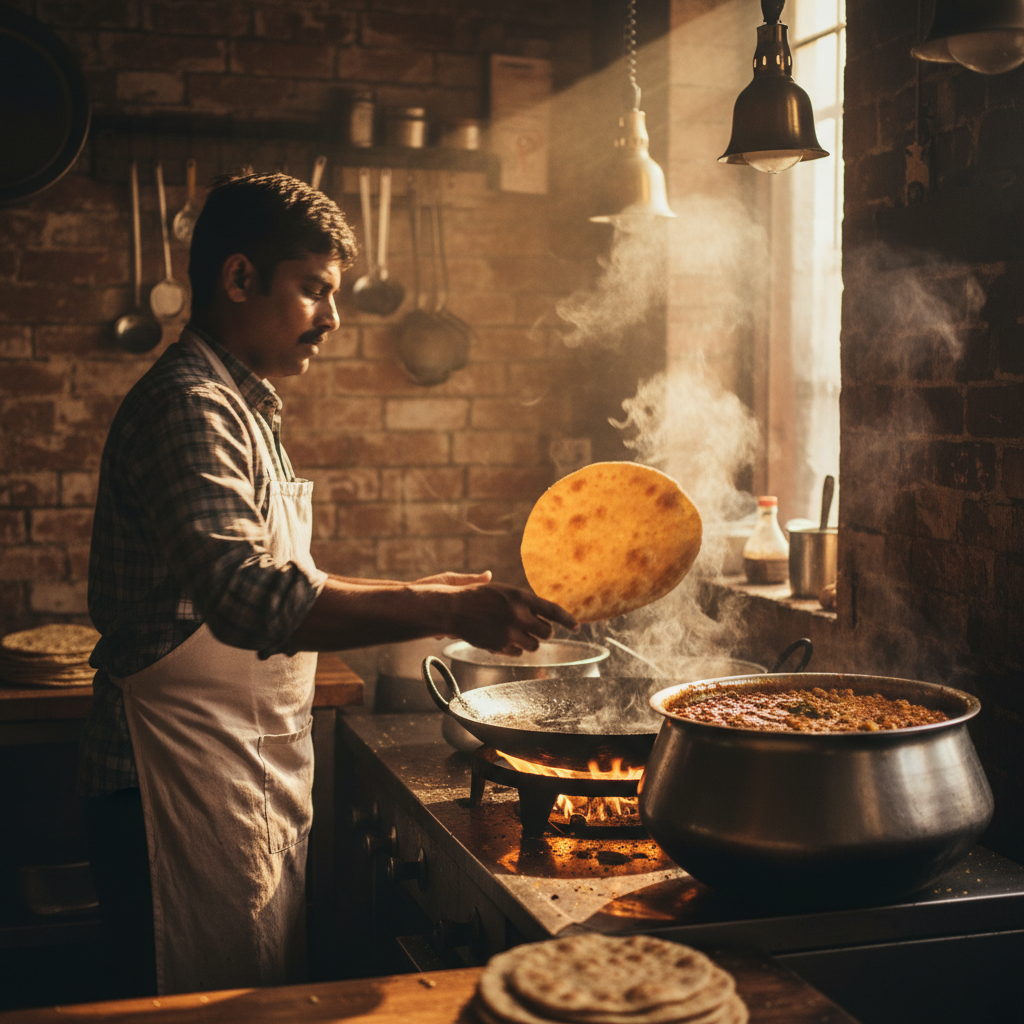
- Base work: Bhature puffing, puri frying, or kulcha toasting create the warm anchor in under 90 seconds.
- Core masalas: Chana and aloo sabzi simmer until the spice bloom settles into a rounded, layered taste.
- Final assembly: Yogurt cools, tamarind brightens, mint-cilantro adds lift, and sev delivers crunch.
- Flow: Batching 8–12 plates per run keeps speed while preserving the made-to-order feel.
Reliable meal services show how consistent, portioned North Indian plates travel well for busy weeks. That same logic powers event-friendly chaats.
Self-contained answer: North Indian street food service works by prepping cores in bulk (legumes, chutneys) and finishing each plate in seconds with hot bases and cold garnishes. This “batch + finish” approach guarantees contrast and speed—ideal for lines, pop-ups, and catered spreads.
Types and signature dishes (with mithai pairings)
Signature categories are breads, chaats, and fritters. Dishes like chole bhature, amritsari kulcha with chana, bedmi puri aloo, samosa chaat, dahi bhalla, aloo tikki chaat, and raj kachori define the canon. Pair with gulab jamun, barfi, kalakand, halwa, or pinni for a balanced finish.
Use this section to plan a spread. Pick 1–2 breads, 2 chaats, and 1 fritter; then add 2 mithai varieties. That “2-2-1-2” setup serves 8–12 people comfortably. Link into our deep dives when you want texture notes and plating steps.
Breads: the warm anchor
- Chole Bhature: Puffy bhature with spicy chana. See our chole bhature authentic recipe for tips on fermentation, rolling, and frying times.
- Amritsari Kulcha with Chana: Tawa-toasted, stuffed flatbread that crackles at the edges; learn more in our Amritsari Kulcha guide.
- Bedmi Puri Aloo: Urad-spiced puris with rustic potato curry—hearty, aromatic, and festive.
Chaats: the contrast kings
- Raj Kachori: A giant, crisp shell packed with fillings; discover its journey in our Raj Kachori history.
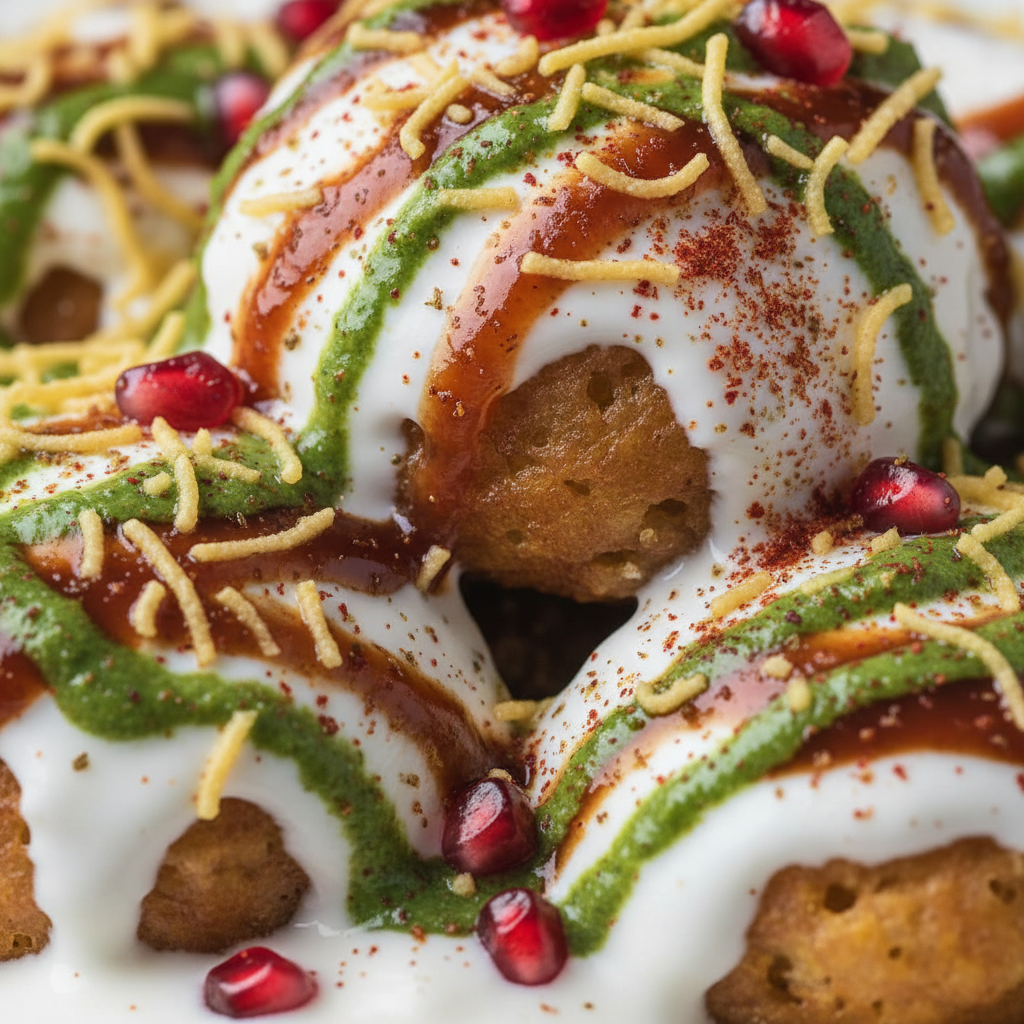
- Dahi Bhalla: Lentil dumplings, yogurt, twin chutneys, cumin, and sev; cool, tangy, and softly spiced.
- Aloo Tikki Chaat: Pan-crisped patties with chana and garnishes—see aloo tikki chaat steps for crispness tricks.
- Chaat Papdi: Bite-sized papdi, potatoes, chickpeas, yogurt, chutneys, and crunch in every forkful.
Fritters and snacks: the golden crunch
- Special Handmade Samosa: Flaky pastry, spiced potato-pea filling; perfect with tamarind chutney.
- Paneer Pakora: Batter-dipped paneer that stays moist inside and crisp outside.
- Gobhi/Vegetable Pakora & Bread Pakora: Crowd-pleasing bites that pair well with masala chai.
Mithai pairings: sweet finishes that make the meal
- Gulab Jamun: Soft, syrupy comfort after spicy or tangy plates.
- Barfi & Kalakand: Milk-forward, gently sweet; ideal with savory-heavy spreads.
- Halwa & Pinni: Seasonal warmth and nutty depth—great for evening events.
- Fusion Sweets: For a modern twist, explore ideas in fusion sweets.
- Choosing Premium Mithai: Use our premium mithai selection guide to match textures and flavors.
Quick comparison: four iconic plates
| Dish | Texture profile | Core components | Mithai pairing |
|---|---|---|---|
| Chole Bhature | Puffy, saucy, spicy | Bhature + chana + pickles (3) | Gulab jamun or barfi |
| Amritsari Kulcha | Crisp edges, soft center | Stuffed kulcha + chana (2) | Kalakand |
| Bedmi Puri Aloo | Earthy, warming spice | Urad puri + aloo sabzi (2) | Pinni or halwa |
| Raj Kachori | Crisp shell, creamy center | Shell + yogurt + chutneys + sev (4) | Light barfi |
Self-contained answer: Build a balanced North Indian street food spread by combining 1–2 breads, 2 chaats, and 1 fritter, then add 2 mithai options. Use hot bases, cool yogurt, sweet-tangy chutneys, and crisp toppings to achieve contrast. Finish with milk-based sweets to calm heat and round the experience.
Best practices for enjoying and hosting in Brampton
Plan a compact, efficient layout: 1 bread station, 1 chaat bar, and 1 mithai table. Label vegetarian and nut-containing items, and maintain two chutneys plus a yogurt pan. Keep hot and cold zones separate and refresh garnishes every 20–30 minutes.
We’ve supported family events and office pop-ups across Brampton with a simple, repeatable formula: six half-pans (aloo/chana, tikkis/samosas, yogurt, two chutneys, and a crunch bin), one bread griddle or fryer, and a separate mithai display of 2–3 varieties. It serves 20–30 guests smoothly with minimal wait times when you plate 6–8 portions per run.
- Food safety flow: Separate tongs and ladles for hot vs. cold items; swap utensils on a timed cadence.
- Clear labeling: Simple cards for spicy, nut-containing, or gluten-containing items improve guest confidence.
- Refill rhythm: Garnishes stay crisp if refreshed every 20–30 minutes; prep small bowls to rotate fast.
- Mithai pacing: Offer mithai in 2–3-bite pieces so guests can try multiple flavors without overload.
Event venues in the GTA regularly emphasize menu clarity, food zones, and guest flow. According to Mississauga Convention Centre, curated Indian menus and thoughtful station layouts help guests navigate flavors confidently. The same principles elevate small home gatherings and office luncheons.
Local considerations for Brampton
- Plan weekend hosting windows around community rush hours so pickup is smooth; order breads and chaats together to sync freshness.
- During cold months, favor breads and hot chaats; in summer, increase yogurt-forward dishes and chilled beverages for balance.
- For mixed-age groups common in Brampton households, keep mild and spicy chutneys in separate squeeze bottles and pre-label bowls.
Self-contained answer: For Brampton events, set a one-way line, label vegetarian/nut items, refresh garnishes every 20–30 minutes, and keep hot pans distant from yogurt and chutneys. A two-chutney standard and a 2–3-mithai finish make the spread inclusive and memorable for mixed-age groups.
Tools and resources (checklists and planning aids)
Use two short lists: a 10-item equipment kit (tongs, ladles, squeeze bottles, chafers) and a 7-step timeline from ordering to plating. Keep a flavor matrix with 4 columns—base, core, cooling, crunch—to balance every plate fast.
Essential equipment checklist
- Two heat sources (griddle or fryer) and 1 insulated holding pan
- Six half-pans (aloo/chana, breads, yogurt, two chutneys, crunch)
- Six pairs of utensils, color-coded for hot/cold handling
- Three squeeze bottles (tamarind, mint-cilantro, yogurt)
- Disposable bowls/plates and forks; compostable where possible
- Gloves, paper towels, sanitizer spray, and waste bins
- Mithai display tray with 2–3 varieties and mini tongs
Simple 7-step hosting timeline
- Finalize headcount and dietary notes (3 categories: vegetarian, nut-free, gluten-aware).
- Choose 1–2 breads, 2 chaats, 1 fritter, and 2 mithai varieties.
- Place your order and confirm pickup time that aligns with bread frying/toasting.
- Stage cold pans first (yogurt, chutneys, toppings), then heat pans.
- Run a test plate to calibrate portioning and garnish flow.
- Serve in 6–8 plate runs; reset garnishes every 20–30 minutes.
- Offer mithai midway and at the end to pace sweetness and avoid lines.
Self-contained answer: Host with a compact toolkit (two heat sources, six pans, labeled squeeze bottles) and a 7-step timeline that starts with headcount and ends with mithai service. This keeps lines short, portions consistent, and flavors balanced across hot, cool, sweet, and crunchy elements.
Planning a Brampton celebration? We can help you map a chaat line, select 2–3 mithai varieties, and coordinate pickup so breads land hot. Reach out via our website to talk through your menu.
Case studies and examples from The Mithai Maharaja
These mini case insights show how to use North Indian street food culture at home, at work, and for milestones. Each example outlines the menu picks, the setup, and the small choices (like two chutneys and mini mithai) that create smooth service.
1) Family puja night, 14 guests
- Menu: Amritsari kulcha with chana; dahi bhalla; paneer pakora; mithai duo of gulab jamun and barfi.
- Setup: One griddle for kulcha, one cold station (yogurt, chutneys, sev), and a mithai tray.
- Result: 10 plates served in the first 8 minutes; kids picked extra yogurt, adults went heavier on mint chutney.
2) Office happy hour, 28 attendees
- Menu: Aloo tikki chaat and samosas, plus a light mithai flight (mini kalakand, pinni).
- Setup: One-way line with signs for spicy, mild, and nut-containing. Three squeeze bottles for speed.
- Result: No bottlenecks; garnish refreshes at 20 minutes kept crunch intact; everyone sampled 2–3 sweets.
3) Wedding week sangeet, mixed-age crowd
- Menu: Delhi Wale chole bhature, raj kachori, and a mithai table with gulab jamun, barfi, and halwa.
- Setup: One bread station, one chaat island, separate mithai zone with mini tongs.
- Result: Guests split evenly between spicy and mild; mithai pacing prevented late-line surges.
Self-contained answer: Real-world setups succeed when menus are simple (5–6 dishes), lines are one-way, and mithai is served in small pieces twice—mid-meal and finale. A two-chutney standard and clear labels ensure mixed-age groups serve themselves confidently.
Frequently Asked Questions
These concise answers address the questions we hear most about North Indian street food culture, from must-try dishes to hosting tips. Each response is designed for quick scanning and voice assistants.
What are the must-try North Indian street foods for first-timers?
Start with chole bhature, amritsari kulcha with chana, and a chaat like dahi bhalla or aloo tikki chaat. Add a crisp snack (samosa or paneer pakora) and finish with gulab jamun or barfi for balance.
How do I keep a chaat bar moving without long lines?
Stage cold pans first, then hot items. Use three squeeze bottles (tamarind, mint-cilantro, yogurt), portion in 6–8 plate runs, and refresh garnishes every 20–30 minutes. Clear labels for spice and allergens let guests self-serve confidently.
Which mithai pair best with spicy or tangy chaats?
Milk-based sweets like gulab jamun, barfi, and kalakand complement heat and acidity. Their creamy sweetness resets the palate between bites and rounds off the meal without overwhelming delicate spice notes.
Can I host a North Indian street food spread in a small apartment?
Yes. Use one bread item, one chaat, and one fritter, plus two mithai varieties. A single griddle, six half-pans, and three squeeze bottles handle 12–16 guests with ease. Keep hot and cold zones separate.
Conclusion and key takeaways
North Indian street food culture thrives because it’s fast, festive, and deeply crafted. In Brampton, The Mithai Maharaja brings Delhi/Punjab flavors together with premium mithai, giving you a blueprint for balanced spreads at home, at work, and for life’s celebrations.
- Key takeaways: Balance hot bases, slow-cooked cores, cool yogurt, tangy chutneys, and a crunchy finish.
- Build menus with 1–2 breads, 2 chaats, 1 fritter, then add 2 mithai picks.
- Label clearly, refresh garnishes every 20–30 minutes, and keep lines one-way.
- Use guides like our chole bhature recipe and kulcha guide to master textures.
Ready to plan a spread that feels royal but stays easy to serve? We’re here to help you map portions, sequence stations, and choose mithai that sing with your menu.
Let’s bring North Indian street food culture to your table in Brampton.