Samosa and pakora are two iconic Indian snacks: a filled, flaky pastry and a crisp, chickpea-flour fritter. Both are deep-fried and served with chutneys, yet they differ in shape, batter, filling, and bite. In Brampton, The Mithai Maharaja prepares both fresh daily so you can enjoy authentic flavors, whether you crave a hearty triangle or a light, crunchy bite.
By The Mithai Maharaja • Last updated: 2026-05-24
Above the Fold: Why This Guide Matters + Quick TOC
This guide explains the real differences between samosa and pakora, how each is made, and when to choose one over the other. You’ll get quick comparisons, expert prep tips, Brampton-specific advice, and examples from The Mithai Maharaja’s menu so you can order with confidence for any craving or celebration.
Here’s what you’ll learn right away. We keep it simple and practical, then go deep with chef-level detail so you can plan a snack break or a full party spread with zero guesswork.
- What samosa and pakora are—clear definitions in one place
- A side-by-side comparison table you can skim in 30 seconds
- Making methods, oil temperature ranges, and reheating advice
- Popular types we actually prepare in Brampton
- How to pair snacks with chutneys, chai, chaats, and thalis
- When to order a platter or book vegetarian-friendly catering
- What is samosa and pakora?
- Why these snacks matter
- How they’re made
- Types and approaches
- Best practices
- Tools and resources
- Mini case studies
- Samosa vs. pakora table
- FAQ
- Conclusion
At a Glance: The Short Version
Samosa is a stuffed, triangular pastry with a flaky crust and spiced filling; pakora is a crisp fritter made by coating vegetables, paneer, or bread in gram-flour batter and frying. Choose samosa for a hearty, filling snack; pick pakora for light, crunchy variety that pairs beautifully with chutneys and chai.
Quick highlights you can use on the spot:
- Hearty vs. light: Samosa satisfies bigger hunger; pakora suits grazing and sharing.
- Filling vs. coating: Samosa centers on a spiced filling; pakora celebrates the batter and ingredient.
- Shape & bite: Samosa’s flaky layers; pakora’s lacy crunch.
- Perfect pairings: Both love mint and tamarind chutneys; samosa also shines in chaat.
- Event-friendly: Both scale well for platters and catering.
Want a deeper dive on the crunchy side? Our dedicated paneer pakora guide breaks down batter tips, while this aloo pakora tutorial shows how slicing and moisture control change the final texture.
What Is Samosa and Pakora?
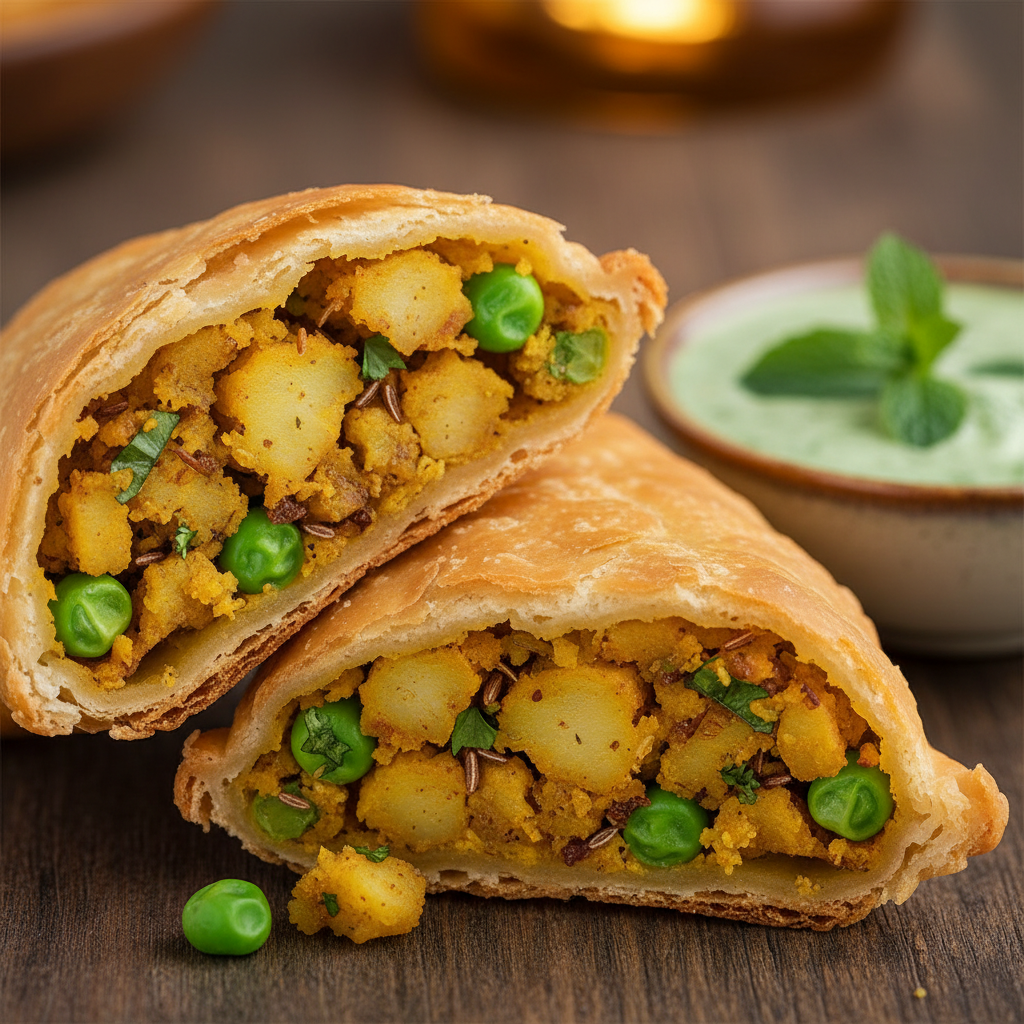
Samosa is a triangular pastry stuffed with spiced potatoes, peas, and aromatics, then deep-fried to a flaky finish. Pakora is a crisp fritter of vegetables, paneer, or bread dipped in a seasoned chickpea-flour batter and fried. Both are street-food staples, but they differ in structure, texture, and fillings.
In our Brampton kitchen, we honor North Indian traditions: a well-laminated dough and balanced masala deliver a samosa that’s flaky outside and tender inside. Pakora, by contrast, rides on a gram-flour batter that turns craggy and crisp, clinging to sliced onions, potatoes, cauliflower, spinach, bread, or paneer.
Origins and evolution matter. The filled-pastry idea traveled widely across South Asia, while fritters reflect India’s regional produce and spice profiles. Today, both snacks anchor home tea times, office breaks, and festive spreads. We see them requested for birthdays, weekend watch parties, and wedding snack bars because they’re vegetarian, portable, and easy to enjoy with one hand.
When you’re deciding between samosa and pakora, think about appetite and context. A single samosa can be a mini meal, especially when topped for chaat. Pakoras encourage mingling—smaller, quicker bites that keep the table lively. That’s why many customers simply choose both, then add chutneys and chai.
If you’re curious how a samosa becomes a chaat hero, our samosa chana chaat guide walks through layering with chickpeas, yogurt, mint, and tamarind for maximum crunch-meets-creamy contrast. And if you love tangy flavors, keep an eye out for aloo chaat on seasonal menus—it’s a natural partner to a hot pakora platter.
Why These Snacks Matter in Brampton’s Food Culture
Samosa and pakora matter because they deliver familiar comfort, vegetarian variety, and sharing-friendly portions that suit family nights, office treats, and festival tables. In Brampton, they connect generations—classic Delhi/Punjab flavors prepared by experienced halwais meet modern presentation for gifting and events.
Here’s the thing: food is memory. When you bite into a flaky samosa or a hot pakora, you taste spice blends that families have measured by hand for decades. That’s why we keep recipes time-tested and lean on halwai experience from 1938—so the aroma and crunch feel right the moment you open the box.
- Vegetarian staples: Potato, peas, onions, and cauliflower keep menus inclusive for mixed groups.
- Shareable format: Snack boxes and platters let everyone sample a bit of everything without committing to a full plate.
- Seasonal appeal: Pakoras pair with monsoon-mood chai; samosas warm up chilly evenings—great for Brampton’s changeable weather.
- Event-ready: Both travel well when vented, layered with liners, and served promptly after pickup.
- Chaat crossover: Samosa becomes a hero ingredient in layered chaats and pairs naturally with chole.
Culturally, these snacks carry hospitality. Guests arriving? A plate of pakoras and a kettle of masala chai signal welcome. Planning a celebration? Gift-ready boxes present beautifully and keep fingers clean. Our brand promise—Crafted in Heritage, Served with Royalty—means classic techniques, premium desi ghee where tradition calls for it, and polished presentation for celebrations.
Because Brampton hosts a vibrant South Asian community, we also see a broad appetite for variety. That’s why our menu includes classics like Delhi Wale Chole Bhature, Bedmi Puri Aloo, and Amritsari Kulcha with Chana alongside premium mithai—so your “samosa and pakora” moment can be a full North Indian street-style meal if you want it to be.
How They’re Made: Techniques That Define Texture
Samosa relies on a shortcrust-style dough and a sautéed spiced filling, then a steady fry. Pakora depends on a well-seasoned gram-flour batter that clings to sliced vegetables or paneer before quick frying. Oil temperature, moisture control, and resting make the difference between soggy and shatter-crisp.
Making an excellent samosa
- Dough fundamentals: Mix flour with oil to form sandy crumbs (shortening the gluten), then add water to a firm, smooth dough. A 20–30 minute rest relaxes gluten for easier rolling and better flake.
- Balanced filling: Cook potatoes with peas, cumin, coriander, ginger, and chiles. Cool 10–15 minutes so steam doesn’t blow open seams or trap moisture.
- Shaping & sealing: Roll, cut, cone, fill, and crimp. A tight seam prevents leaks; a thin, even skin ensures layers puff and crisp.
- Controlled frying: Keep oil in a medium range so the crust cooks through before browning too fast. Gentle bubbling equals even cooking.
- Drain smart: Rest on a rack 2–3 minutes to keep the crust crisp.
Want to geek out on structure? We’ve documented seam sealing and filling distribution in our samosa filling techniques article so the pastry stays intact and crisp from first bite to last.
Crafting a great pakora
- Batter texture: Whisk gram flour with spices until smooth. Add water until the batter ribbons off the spoon—thick enough to cling, thin enough to fry through.
- Ingredient prep: Slice evenly and pat dry (especially onions and potatoes). Less surface moisture means better adhesion and less oil spatter.
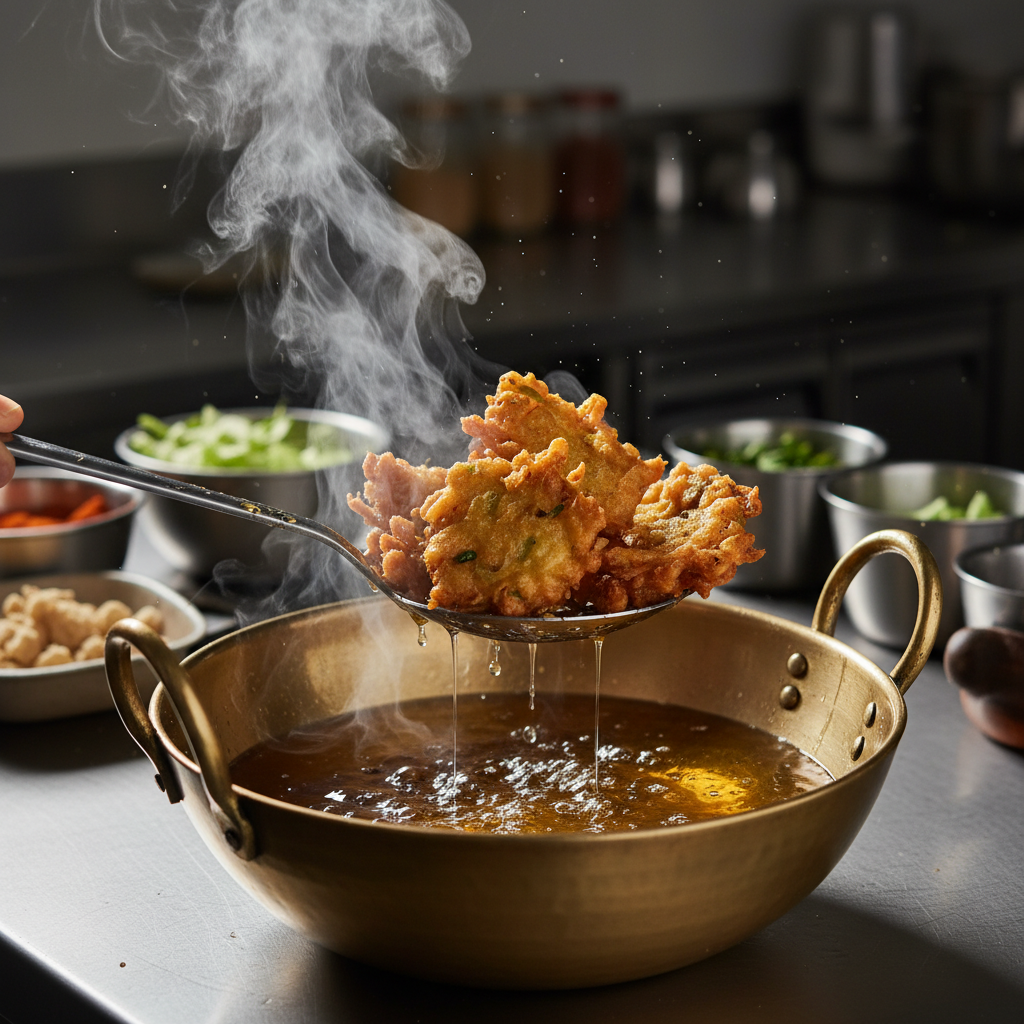
- Quick fry: Fry small batches for 3–4 minutes until deep golden and lacy. Overcrowding cools the oil and turns crisp into soggy.
- Season at once: A light sprinkle of salt right after frying helps crystals cling to hot, rough surfaces.
Most home kitchens hit success in a 350–375°F window for deep frying. If you’re reheating later, a hot oven or air fryer returns the snap far better than a microwave, which steams the crust and softens edges.
Types, Variations, and How We Serve Them
Samosas vary by filling and size, from classic potato-pea to paneer-corn. Pakoras range even wider—onion, potato, cauliflower, spinach, bread, and paneer are all favorites. In Brampton, we prepare handmade samosas and a full lineup of pakoras so you can mix, match, and build the perfect platter.
Samosa favorites
- Special handmade samosa: Classic potato-pea filling with warm spices—balanced heat and aroma.
- Channa samosa chaat: Crushed samosa over chana with yogurt, mint, and tamarind—sweet, tangy, and crunchy in one bite.
Pakora lineup
- Paneer pakora: Cottage cheese squares in seasoned batter; read our paneer pakora guide for pro tips.
- Bread pakora: Street-style comfort with a fluffy interior and crisp exterior.
- Gobhi pakora: Cauliflower florets—tender inside, golden outside.
- Vegetable pakora: Mixed veg for color and texture variety; see slicing advice in the aloo pakora guide.
Beyond snacks, chaats and thalis welcome these stars. A hot samosa anchors aloo-forward chaats; pakoras shine beside chai or as a crunchy counterpoint in a broader spread like Chole Bhature or Amritsari Kulcha with Chana. For a full street-style experience, our Chole Bhature guide maps how to pair fluffy bhature, spicy chole, and a pakora platter.
Craving bright, tangy notes? Samosa works beautifully in samosa chaat or alongside aloo chaat. That interplay of hot, cold, crunchy, and creamy is what makes North Indian street food so beloved—and why our menu bridges snacks, chaats, and thalis in one place.
Best Practices: Frying, Holding, Reheating, and Pairing
Keep oil in a stable medium-high range, avoid crowding the pan, and drain on racks for lasting crunch. Reheat in a hot oven or air fryer for 6–10 minutes, never in sealed containers. Pair both snacks with mint and tamarind chutneys; pour masala chai or salted lassi for balance.
Frying and texture control
- Temperature range: Aim for a steady 350–375°F fry for even color and flake.
- Batching: Small batches prevent temperature dips that cause sogginess and oil absorption.
- Drain right: Use racks over paper to avoid steam trapping; air under the snack keeps surfaces crisp.
Holding and reheating
- Vent boxes: Keep lids cracked 0.5–1 inch during transport to release steam and protect texture.
- Oven over microwave: 375–400°F for 6–10 minutes restores snap on samosas and pakoras.
- Air fryer option: 3–6 minutes works well; avoid overcrowding the basket so air circulates.
Pairings and platters
- Chutneys: Mint-cilantro for freshness; tamarind for sweet-tang. Keep both on the table.
- Chai & lassi: Masala chai amplifies spice; salted lassi cools and balances heat.
- Platter logic: Combine 2–3 pakora types with samosas for contrast in shape and bite.
Pro tip: If you’re plating for guests, set out the chutneys first. Then bring hot items from the kitchen in two short waves about 10–15 minutes apart. That stagger keeps everything crunchy without reheating.
Tools and Resources for Easy Ordering
You don’t need special gear to enjoy these snacks—just a plan for portions, serving time, and dietary needs. For convenience, order online for pickup, build a mixed platter, or book catering. Elegant gift-ready boxes help you turn snacks into memorable, ready-to-share presents.
- Online ordering: Reserve your pickup time and add chutneys, chai, and sides.
- Build a platter: Mix samosas with paneer, bread, gobhi, and vegetable pakoras.
- Catering: For office treats, birthdays, and festivals, schedule ahead.
- Gifting: Dress up snack assortments in elegant, ready-to-gift boxes.
Not sure where to start? Browse our culture deep-dive to explore how snacks, chaats, and mithai fit together across North India’s street-food scene: North Indian street food guide. It’s a handy way to plan a menu that flows from crunchy starters to sweet finishes.
Mini Case Studies: Real Orders That Worked
From weeknight cravings to festive gatherings, the best results come from balancing hearty samosas with lighter, crunchy pakoras. These short stories show how portion planning, variety, and timing create happy guests without leftovers—or worse, empty platters too soon.
Family movie night (6 people)
- Anchor with samosas for substance; add onion and paneer pakoras for variety.
- Include both chutneys and two hot drinks per person (chai or lassi).
- Serve within 20–30 minutes of pickup for peak texture.
Office tea break (20 people)
- Favor bite-size pakoras for speed; keep samosas for heartier appetites.
- Stage service in two waves 10–15 minutes apart to keep items hot.
- Place vented boxes near the beverage station for quick flow.
Festival weekend open house (40–60 guests)
- Offer a self-serve chaat corner with crushed samosas, chana, yogurt, and chutneys.
- Run a steady supply of vegetable and gobhi pakoras; rotate trays every 10–12 minutes.
- Keep a backup platter warming (loosely tented) to handle surprise rushes.
We’ve watched these patterns deliver smiles. Balanced variety satisfies different spice tolerances. Staggered service fights sogginess. And pairing with a few mithai pieces at the end—think gulab jamun or barfi—closes the loop between savory and sweet.
Samosa vs. Pakora: Quick Comparison
Samosa is a stuffed, triangular pastry with a flaky crust; pakora is a gram-flour-battered fritter with a lacy crunch. The table below clarifies structure, fillings, texture, serving style, and best use cases so you can choose confidently—or combine both for contrast.
| Feature | Samosa | Pakora |
|---|---|---|
| Core idea | Stuffed pastry | Battered fritter |
| Typical shape | Triangular | Irregular bite |
| Main structure | Wheat-flour crust | Gram-flour batter |
| Common fillings/ingredients | Potato, peas, spices | Onion, potato, cauliflower, spinach, paneer, bread |
| Texture | Flaky outside, tender inside | Lacy, crisp exterior |
| Serving style | Whole or in chaats | By the piece or as platter |
| Best for | Hearty snack or chaat base | Sharing, quick bites, tea time |
Local considerations for Brampton
- Plan weekend pickups earlier; festival seasons increase snack demand citywide.
- Chilly evenings call for extra chai and a higher ratio of hearty samosas.
- For traffic and timing, ask us about staggered pickups to keep items hot and crisp.
Frequently Asked Questions
These are the most common questions Brampton snack lovers ask about samosas and pakoras. Each answer is concise and practical so you can decide, order, and serve with confidence—at home, in the office, or for a big celebration.
Is samosa a type of pakora?
No. A samosa is a stuffed pastry with a flaky crust, while a pakora is an ingredient coated in seasoned gram-flour batter and fried. They share frying and chutneys but differ in structure, texture, and how you eat them.
Which is better for sharing—samosa or pakora?
Pakoras are ideal for grazing and quick bites because they’re smaller and varied. Samosas add substance and are great as a centerpiece or in chaats. Most platters mix both for contrast in texture and spice.
What chutneys pair best with these snacks?
Mint-cilantro chutney adds freshness and heat; tamarind chutney brings sweet-tart depth. Keep both on the table. For extra richness, plain yogurt or a quick raita cools and balances spice.
How do I keep them crispy after pickup?
Vent the box, avoid stacking hot items tightly, and serve within 20–30 minutes. If you need to re-crisp later, use a hot oven or air fryer for a few minutes rather than microwaving.
Can samosa or pakora be part of a full meal?
Absolutely. Pair them with chole, kulcha, or a thali to round out the plate. Samosa also anchors chaats, while pakoras bring crunch alongside curries, rice, and beverages.
Conclusion and Next Steps
Choose samosa when you want a flaky, filling triangle; reach for pakora when you crave crisp, varied bites. For gatherings, combine both, add chutneys and chai, and serve promptly. In Brampton, The Mithai Maharaja prepares fresh batches daily so your snacks arrive hot, crisp, and celebration-ready.
- Key move: Mix hearty samosas with 2–3 pakora types.
- Serve hot: Vent boxes, plate quickly, and pour chai.
- Scale smart: Plan portions by appetite and timing, then book catering for larger groups.
Ready to decide between samosa and pakora—or enjoy both? Stop by in Brampton or order online. We’ll guide you toward the platter, chaat, and beverage pairings that fit your moment—then help you finish with mithai favorites like gulab jamun, ladoo, or barfi.