An Indian thali meal is a complete, balanced platter of small dishes arranged on one plate. It includes lentils, vegetables, bread, rice, yogurt, and vibrant condiments. At The Mithai Maharaja in Brampton, our Punjabi-style thalis showcase fifth-generation halwai craftsmanship, so you get variety, balance, and comfort without guesswork or overbuying.
By The Mithai Maharaja | Last updated: 2026-06-20
At a Glance: What You Will Learn
This guide breaks down the Indian thali meal in practical steps. You’ll learn what a thali includes, how Punjabi thalis differ, how to order smart (dine-in or takeout), and simple ways to prevent overbuying while still feeling completely satisfied.
We built this complete guide for Brampton families, students, and office teams who want hearty vegetarian food fast. With one curated tray, you enjoy a chef-balanced mix of protein, vegetables, grains, cooling sides, and zesty accents, no menu overwhelm.
- What an Indian thali meal is and why it fits busy days
- Punjabi thali specifics you can expect from our Brampton kitchen
- Ordering tips for dine-in, pickup, and delivery (without waste)
- Dietary-friendly ideas (Jain-friendly, vegan-friendly, milder spice)
- Event and office use cases where thalis reduce leftovers
- What is a thali?
- Why thali matters in Brampton
- How an Indian thali works
- Punjabi thali style at our shop
- Types of thali and when to choose each
- Best practices to avoid overbuying
- Takeout and delivery tips
- Tools and resources
- Mini case examples
- FAQ
- Conclusion and next steps
Want the fast track? Explore our dependable, balanced regular thali plate, then come back to fine-tune your order for any day of the week.
What Is an Indian Thali Meal?
An Indian thali meal is a one-plate feast featuring several small portions of dal, vegetables, bread, rice, yogurt, and condiments curated for balance. The format delivers variety, portion control, and cultural authenticity in a single, convenient set that also travels well for takeout.
Think of a thali as a thoughtful tasting menu designed for everyday eating. It’s satisfyingly complete without being heavy or complicated. A classic North Indian or Punjabi thali from our kitchen often includes:
- Dal or lentils for steady plant-based protein and comfort.
- Two sabzis (vegetable preparations) for fiber, color, and variety.
- Rotis or naan and steamed rice for energy and satiety.
- Raita or yogurt to cool and balance spices.
- Achaar (pickle) and salad for brightness and crunch.
- Occasional sweet bite to round out the meal.
Most sets feature six to ten components. That range keeps variety high without overwhelming you or pushing you to order multiple separate mains. In our experience serving Brampton diners, a well-built thali satisfies varied tastes at one table, handy when one person craves creamy dal while another wants a bold, spiced chana.
Why Thali Matters in Brampton
Thalis solve three local needs at once: authentic North Indian flavors, predictable portioning, and fast, vegetarian-forward meals. For Brampton households, students, and teams, one thali replaces multiple separate orders, reducing food waste and decision fatigue.
Brampton’s routine is busy, work commutes, classes, errands, and celebrations. A curated platter cuts through decision overload and gives reliable balance in minutes. Here’s what our guests appreciate most:
- Less decision stress: One tray covers dal, veggies, grains, and cooling sides.
- Built-in variety: A single set satisfies spice lovers and milder palates together.
- Vegetarian focus: North Indian staples center on legumes, dairy, and vegetables.
- Takeout-ready: Compartment trays keep textures distinct during transit.
We’ve found that a balanced tray is easier to finish than two full-size entrees. You get enough to feel full, not so much that leftovers crowd the fridge. That’s practical for apartment living, shared fridges at work, and everyday routines.
How an Indian Thali Meal Works
A thali works by combining complementary textures, flavors, and nutrients in pre-set portions. Alternate dal with bread, pair a spicier sabzi with cooling raita, and finish with rice. This rhythm keeps you satisfied without overordering separate mains.
Here’s the simple flow many guests follow at The Mithai Maharaja:
- Start with dal—a spoon or two steadies the palate.
- Alternate bread and sabzi to explore textures and spice levels.
- Refresh with raita when you want a cooling reset.
- Add rice last for a warm, grounding finish.
Small bowls and compartments do the portioning for you. Diners who keep alternating elements, spicy, cooling, creamy, crunchy, naturally eat at a comfortable pace and finish feeling good. That’s the design behind a well-built Indian thali meal.
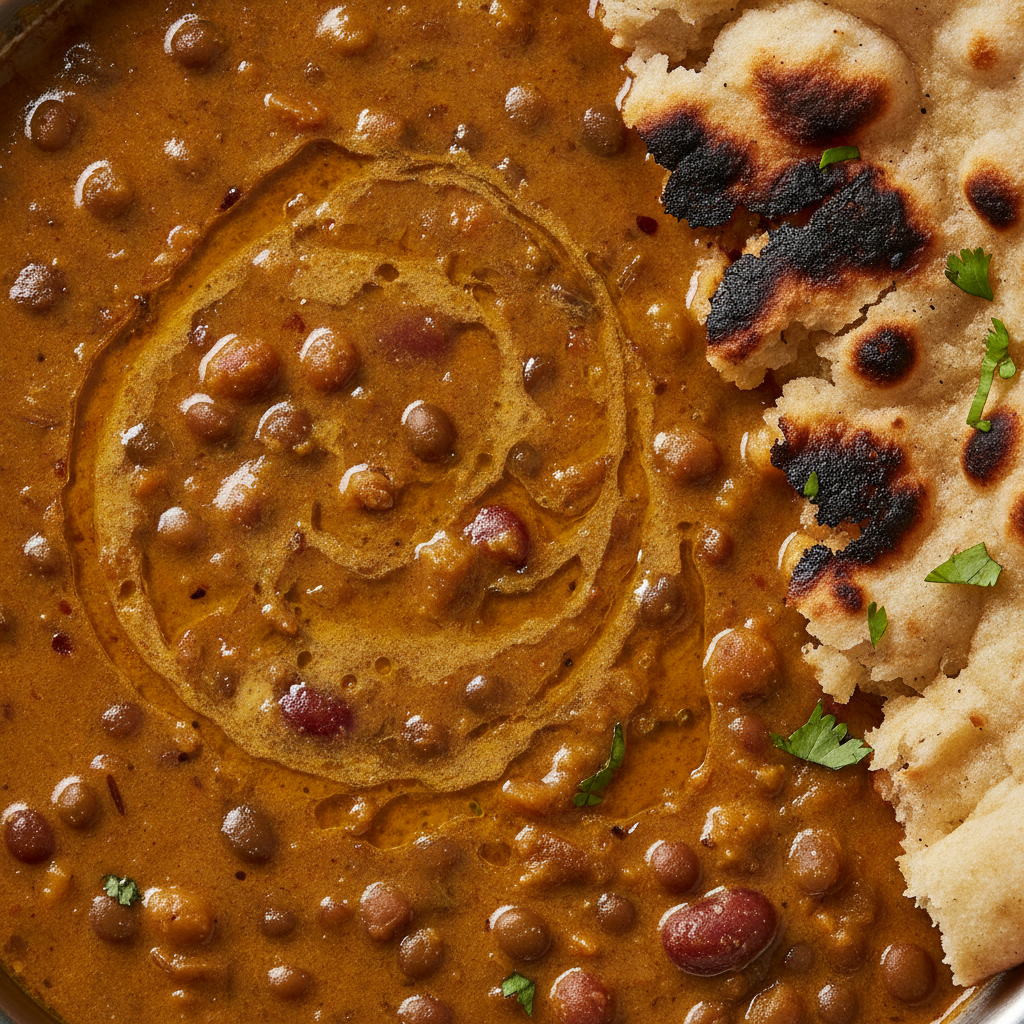
Core components you can expect
- Dal makhani or chana: Creamy lentils or chickpeas anchor the plate.
- Paneer or mixed vegetables: A milder option balances bolder flavors.
- Rotis/naan + rice: Grains add comfort and satiety.
- Raita + salad: Temperature and texture contrast.
- Achaar: A bright, tangy accent to lift bites.
If you enjoy building meals around nutrition and variety, explore our concise explainer on portion rhythm and pairings in the thali nutrition combinations article.
Punjabi Thali Style at The Mithai Maharaja
Our Punjabi thali celebrates hearty North Indian cooking, slow-simmered dals, spiced sabzis, soft rotis, and cooling sides. It pairs tradition with fifth-generation halwai craftsmanship for consistency you can count on, whether you dine in or take away.
Because we are a heritage sweets-and-snacks kitchen, your tray often features dishes that also appear across our value meals and chaats. That consistency helps families order quickly: familiar flavors, dependable variety.
- Signature mains: Dal makhani, chana masala, seasonal mixed vegetable sabzis.
- Breads: Rotis that stay soft; naan when it fits the set.
- Cooling sides: House raita and a fresh-cut salad.
- Accents: Pickle and the occasional sweet bite.
Want a deeper dive into style and pairing ideas? Visit our quick Punjabi thali guide for examples from our Brampton menu.
Types of Thali and When to Choose Each
Match thali type to appetite, spice level, and occasion. Punjabi thalis suit hearty lunches; milder sets help mixed groups; mini thalis fit small appetites; and compartmented takeout thalis travel best for office or study days.
These common formats cover most needs in Brampton:
- Classic Punjabi thali: Dal + two sabzis + roti/naan + rice + raita + pickle.
- Milder family thali: Keep spices medium; emphasize paneer or mixed veg.
- Mini or light thali: Fewer compartments for smaller appetites.
- Takeout thali: Compartment tray keeps dishes distinct during travel.
- Dietary-friendly thali: Jain-friendly or less-onion/garlic on request; vegan-friendly swaps when possible.
| Thali Type | Best For | Typical Components | Ordering Tip |
|---|---|---|---|
| Punjabi thali | Hearty lunch or dinner | Dal, two sabzis, bread, rice, raita, salad, pickle | Ask for one bold sabzi and one mild sabzi |
| Mild family thali | Mixed palates at one table | Paneer/mixed veg focus, gentle spices | Add extra raita for younger diners |
| Mini thali | Light appetite or snack | Dal, one sabzi, bread, raita | Pair with chai for an easy break |
| Takeout thali | Office or study days | Compartment tray, travel-ready | Request rotis packed separately |
When a thali beats separate entrees
- Mixed preferences: One person wants chana, another paneer—include both in one tray.
- Time crunch: A pre-curated set skips menu indecision and long prep times.
- Waste control: Fewer giant containers that linger in the fridge.
If you prefer a single bold main once in a while, explore our Chole Bhature guide—then rotate back to thalis when you need balance or group harmony.
Best Practices: Order a Thali Without Overbuying
Right-size your thali by matching hunger to compartment count, balancing one bold dish with one mild, and using raita and salad to pace the meal. For groups, estimate one thali per adult and share extras only if appetites are above average.
We see the same patterns in Brampton every week. These tips keep variety high—and leftovers low.
Simple portion strategy
- One bold + one mild: Pair spicy chana with a gentler paneer or mixed veg.
- Bread, then rice: Start with rotis; finish with rice for a warm end note.
- Use raita resets: A cooling spoon slows the pace and enhances flavor.
- Hydrate smartly: Sip water or chai between bites to avoid overeating.
Local considerations for Brampton
- Weekend rushes can be brisk. Order your regular thali plate online for quick pickup during peak hours.
- Festivals and family gatherings increase demand for vegetarian sets. Reserve thalis alongside gift sweets and snacks early.
- Office teams often split lunch windows. Choose travel-ready, compartment trays and note spice preferences on the ticket.
Group ordering that actually works
- One tray per adult covers most appetites; add a mini thali for kids.
- Balance the set with one creamy dish and one drier sabzi.
- Anchor with dal so every bite finds a familiar base.
For recurring orders, study groups or office lunches, browse rotation ideas. See examples of rotating sets on tiffin meal plans and mixed-menu approaches like Indian fusion menus for inspiration. If you require strict onion‑garlic‑free rotations, review Jain-friendly formats and then ask our team about practical swaps.
Planning a group meal? Standardize on one thali format, then layer one adventurous add-on (like a seasonal sabzi). It keeps ordering simple and pleases both bold and mild palates. When you’re ready, start with our regular thali and add sweets from our sweets and snacks guide.
Takeout and Delivery Tips for Thalis
For takeout, request rotis wrapped separately, keep raita chilled, and use a flat surface during transit. Eat the dal and sabzi first while warm, then add rice. This preserves textures and keeps the meal feeling freshly plated.
Our compartment trays are designed to keep sauces, breads, and cooling elements distinct. Follow this routine to arrive with a thali that still tastes dine-in fresh:
- Stagger temperatures: Keep raita cool; keep breads bagged but vented.
- Stability matters: Transport trays flat to prevent mixing.
- Plate at home: If time allows, move to a plate for best texture.
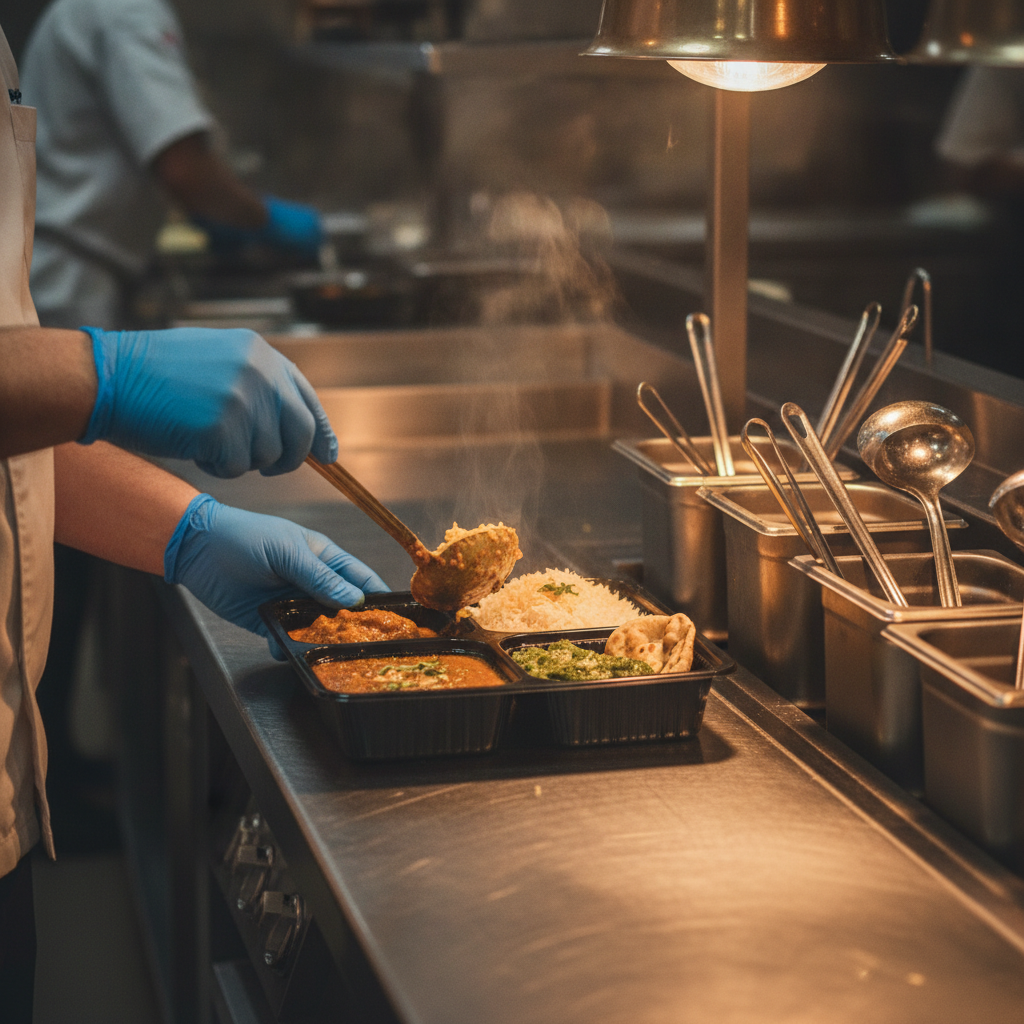
We designed our takeout flow around busy Brampton schedules. Clear labeling and thoughtful compartment design aim to keep your first roti bite as satisfying as your last spoon of dal.
Tools and Resources for Smarter Thali Planning
Use a simple rotation plan, two core dals, two rotating sabzis, one cooling side and keep a running note of spice preferences. For events, standardize on one thali format and layer two add-ons to satisfy adventurous eaters without complicating logistics.
Helpful resources from our kitchen and beyond:
- Menu planning ideas in our thali nutrition combinations piece.
- Style and pairing notes in the Punjabi thali guide.
- Festival baskets and popular nibbles inside our Indian sweets and snacks guide.
When your group wants a bold North Indian day between thali rotations, point them to our Chole Bhature guide. When sweet cravings strike, browse what’s trending in new Indian sweets 2026 to finish the meal with style.
Mini Case Examples from Our Brampton Guests
Real orders show why thalis work: families split bold and mild dishes, students rely on travel-ready trays, and offices use standard sets to simplify lunch. The result is fewer leftovers and happier tables across mixed preferences.
Family of four on a busy weeknight
- Two Punjabi thalis delivered dal plus four unique sabzis without extra mains.
- Kids alternated roti with mild paneer and cooled bites with raita.
- No extra entrees; one small sweet shared at the end.
Study group between classes
- Three takeout thalis traveled well in compartment trays.
- Each student picked a different sabzi; everyone shared dal.
- Leftovers were minimal, easy to carry to the next lecture.
Office lunch for a mixed team
- Standardized thali format reduced ordering time across twelve people.
- Two creamy options plus one drier sabzi kept textures interesting.
- Team noted spice preferences for the next rotation, easy optimization.
Frequently Asked Questions
Get quick answers to common thali questions, components, takeout freshness, dietary adjustments, and group portions, tailored to our Brampton kitchen.
What does a typical Punjabi thali include?
Most Punjabi thalis include a dal, two vegetable dishes, bread, rice, raita, salad, and pickle. We design our sets so you get one bold and one mild option, plus cooling sides for balance. Ask our team about the day’s sabzi rotation when you order.
How do I keep a takeout thali fresh during travel?
Transport trays flat, keep raita cool, and request rotis wrapped separately. Eat dal and sabzis while warm, then add rice. If you can, re-plate at home for best texture. These small steps help the meal taste dine-in fresh.
Can you adjust spice levels or make Jain-friendly swaps?
Tell us your preference at order time. We can aim for milder spice or suggest onion-garlic-free options when practical. For strict dietary needs, we’ll outline the best-fit components and confirm what’s available that day.
How many thalis should I order for a small group?
As a starting point, plan one thali per adult. Add a mini thali for kids or lighter eaters. If your group skews hungrier, include an extra bread side. Rotating one bold and one mild sabzi keeps everyone engaged without overordering.
Conclusion and Next Steps
A well-built Indian thali meal turns variety into balance: bold plus mild dishes, breads plus rice, and cooling sides in smart portions. For Brampton diners, this format saves time, reduces waste, and keeps everyone satisfied at the same table.
Here’s how to put the ideas to work this week:
- Pick one balanced set—start with our regular thali plate.
- Note preferences (bolder vs. milder) for your next order rotation.
- Keep raita cool and breads vented for takeout texture.
Key takeaways
- Thalis deliver reliable variety and portion control in one tray.
- Pair one bold dish with a milder sabzi for group harmony.
- Compartment trays preserve textures for travel days.
- Simple rotation planning prevents overbuying and food fatigue.
Ready to eat happier? Order a satisfying, balanced set today. If you’re planning an event, ask our team about using thali formats alongside premium mithai for a complete North Indian experience.