A Punjabi sweet shop is a specialty confectioner focused on North Indian mithai—barfi, gulab jamun, ladoo, halwa, and more—handcrafted with ghee and dairy-based techniques. In Brampton, The Mithai Maharaja brings five generations of halwai heritage to these classics, pairing authentic recipes with elegant gifting. This guide explains what to order, how to choose, and how to plan catering.
By The Mithai Maharaja • Last updated: June 11, 2026
Above-Fold Overview: Why this guide matters
Use this Punjabi sweet shop guide to confidently choose authentic mithai in Brampton. You’ll learn what defines quality, which sweets to order, how to plan gifting and events, and how The Mithai Maharaja’s fifth‑generation halwai heritage ensures consistent taste, freshness, and presentation.
Here’s the quick value of this guide if you’re comparing Punjabi sweets in Brampton or planning gifts and catering:
- Understand what makes a Punjabi sweet shop authentic and reliable.
- Choose mithai and snacks that suit weddings, festivals, and family gatherings.
- Plan portions, timelines, and dietary notes for 10–500 guests with confidence.
- Leverage The Mithai Maharaja’s desi ghee craftsmanship and gift-ready boxes.
Quick Summary
A great Punjabi sweet shop balances real halwai techniques, clean dairy handling, and consistent flavor. In Brampton, look for desi ghee, fresh khoya, balanced sweetness, and neat finishing. Order 2–3 pieces per guest, mix milk-based and nutty varieties, and use elegant boxes for gifting impact.
Before you dive deep, these at-a-glance points will set your expectations:
- Authenticity markers: desi ghee aroma, clean cut lines, uniform shapes, and fresh garnish (pistachio, almond, silver leaf).
- Guest planning: 2–3 pieces per guest; for large events, plan 1.5–2 pounds per 10 guests as a baseline assortment.
- Balanced box: include 30–40% milk-based sweets (kalakand, barfi), 30% syrupy (gulab jamun), and 30–40% nutty/semolina (pinni, ladoo) for wide appeal.
- Service options: in-store pickup, local ordering, and wedding‑ready presentation at The Mithai Maharaja.
Local considerations for Brampton
- Plan earlier around festival weeks (Diwali, Vaisakhi): order gift boxes 2–3 weeks ahead to secure preferred assortments and sizes.
- Weekend rush is real: schedule pickups before noon to avoid lines and keep mithai fresher during afternoon gatherings.
- Vegetarian comfort foods are popular in Brampton: pairing mithai with chaats (like chole bhature or dahi bhalla) satisfies mixed-age groups.
What Is a Punjabi Sweet Shop?
A Punjabi sweet shop specializes in North Indian mithai made with dairy, ghee, nuts, and aromatics. Hallmark items include barfi, kalakand, gulab jamun, ladoo, halwa, and pinni. Shops like The Mithai Maharaja continue halwai traditions—slow-cooking milk solids and balancing texture, sweetness, and garnish for a royal finish.
At its core, a Punjabi sweet shop is a craft kitchen. Halwais reduce milk into khoya, pan-fry semolina in ghee, and create sugar syrups at precise stages. These methods yield sweets that are dense yet tender, sweet but not cloying, and aromatic without overpowering spices.
In Brampton, The Mithai Maharaja brings a fifth‑generation lineage (since 1938) from Phagwara, Punjab. The brand centers on “Crafted in Heritage, Served with Royalty,” pairing pure desi ghee with time‑honored recipes and refined, gift‑ready presentation. That heritage matters when you’re trusting a shop for festivals or weddings.
Classic counters feature trays of barfi treasures, kalakand, gulab jamun, besan ladoo, sooji halwa, and winter favorites like pinni. Balanced assortments often include 5–7 varieties, and many families add 1–2 fusion sweets for a modern twist without abandoning tradition.
Why Punjabi Sweets Matter for Gatherings and Gifting
Punjabi sweets anchor celebrations with familiar textures and aromas that travel well. For hosts, mithai offers reliable portioning (2–3 pieces per person), easy serving, vegetarian friendliness, and elegant packaging. Gift boxes signal care and tradition, especially when finished with neat cuts and premium garnish.
Sweets do practical work at events. They store well for 1–2 days when kept cool, serve quickly with tea, and suit all ages. A mixed mithai box also solves for dietary variety: milk-based, nutty, and syrupy options give guests obvious choices without complex labeling.
Presentation is half the joy. The Mithai Maharaja emphasizes “Elegance in Every Box” so gifts feel as thoughtful as they taste. Many Brampton families set aside 10–20% of an event’s food focus for mithai and chaats because those courses create chatter, nostalgia, and photos.
When you’re selecting a Punjabi sweet shop, look for visible consistency: straight edges on barfi, uniform ladoo roundness, and clean syrup on gulab jamun. These small signals, along with the buttery perfume of desi ghee, often predict guest satisfaction better than trendier dessert fads.
How a Punjabi Sweet Shop Works (From Kitchen to Counter)
Great shops standardize halwai techniques: fresh milk reduction for khoya, controlled syrup stages, and ghee-roasted bases for halwa and ladoo. Quality control checks color, moisture, and cut dimensions. The result: stable texture, balanced sweetness, and eye‑clean presentation day after day.
In our experience operating in Brampton, three operational pillars protect quality: ingredient integrity, process control, and finishing discipline. Ingredient integrity means pure desi ghee and fresh khoya—both drive mouthfeel. Process control means measured cooking stages. Finishing discipline means consistent cutting and garnish.
Most mithai workflows follow a reliable cadence:
- Prep: reduce milk to khoya; roast flours or semolina in ghee; sort nuts; portion spices (cardamom, saffron).
- Cook: bring sugar syrup to a “one-string” or “two-string” consistency; cook bases until glossy; emulsify ghee at finish.
- Set & Cut: spread mixtures to target thickness (often 10–15 mm), cool, and cut into uniform diamonds or squares.
- Garnish: pistachio slivers, almond flakes, or edible silver leaf; keep garnish proportional for neat bites.
- Display & Storage: maintain clean, covered displays; rotate trays so the oldest batches serve first (“first-in, first-out”).
Service operations matter, too. The Mithai Maharaja also offers chaats and North Indian snacks—chole bhature, bedmi puri aloo, amritsari kulcha, samosas, and pakoras—so families can bundle sweet boxes with savory platters and value meals. That pairing simplifies hosting for 20–100 guests.
Types of Punjabi Sweets and Snacks to Order
Build a balanced order with 5–7 mithai varieties: a milk-based barfi or kalakand, a syrupy favorite like gulab jamun, 1–2 nut-forward picks, and a seasonal halwa or pinni. Add chaats or breads for crowd-pleasing savory contrast.
Use this taxonomy to structure your box or platter:
Milk-based delicacies
- Kalakand: granular milk cake, mild sweetness; pairs well with tea. Consider 12–16 bite pieces per small box.
- Barfi treasures: from classic khoya barfi to pista or coconut variants; look for clean, even cuts.
- Rabri-inspired fusions: condensed milk layers with saffron; offer 1–2 pieces per guest for richness.
Syrupy classics
- Gulab jamun: deep-fried milk solids soaked in rose‑cardamom syrup; 1–2 pieces per person is typical.
- Jalebi: crunchy pretzel‑like spirals in syrup; best served fresh; add in 3–4 piece increments per guest.
Explore what sets excellent gulab jamun apart in our Brampton gulab jamun guide for texture, syrup balance, and plating tips.
Nutty and seasonal
- Ladoo: besan or boondi styles; look for roundness and uniform size for neat serving.
- Pinni: winter staple with whole-wheat/semolina, ghee, and nuts; dense and satisfying—1 piece often suffices.
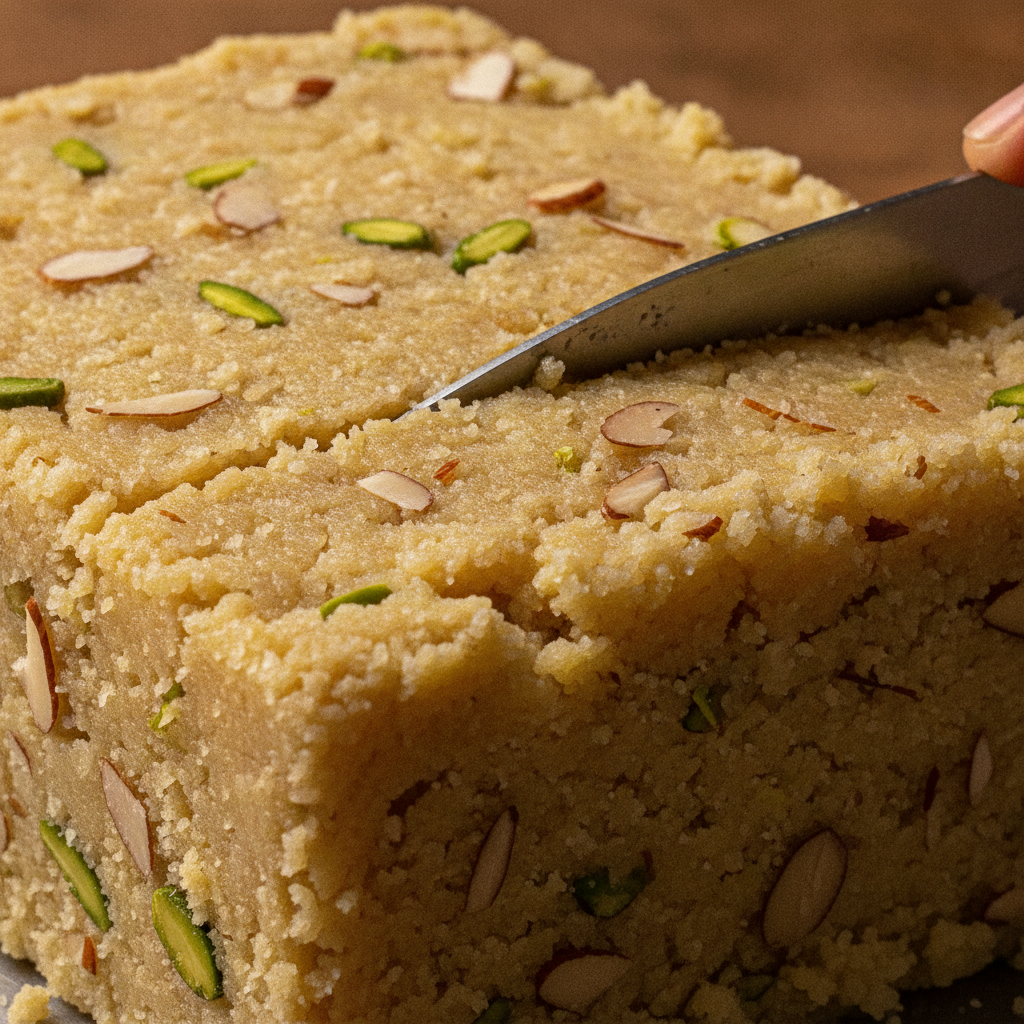
- Halwa: sooji or gajar; smoothness and ghee gloss indicate proper roasting and hydration.
Fusion sweets
- Modern pairings: chocolate pistachio barfi, nut brittle‑topped squares; include 1–2 to surprise guests.
Savory anchors and chaats
- Chole Bhature: fluffy fried bread with spiced chickpeas; popular mainstay for brunch‑style gatherings.
- Bedmi Puri Aloo: Delhi favorite with spiced lentil puri; satisfies traditionalists and elders.
- Amritsari Kulcha with Chana: stuffed bread baked crisp; plan 1 kulcha per adult when the crowd skews savory.
- Samosas and Pakoras: easy finger foods; 1–2 samosas or a small pakora cup per person balances a mithai‑heavy spread.
For more sweet inspiration, scan our Indian mithai guide and this Punjabi sweets overview with cultural context.
Best Practices for Choosing a Punjabi Sweet Shop
Judge a Punjabi sweet shop by aroma, texture, and finishing. Desi ghee scent, clean cut edges, uniform shapes, and fresh garnish indicate halwai discipline. Confirm freshness windows, ask about dairy handling, and review gifting options to match your event size and style.
Quality signals
- Desi ghee aroma: buttery, nutty fragrance without heaviness.
- Texture checks: kalakand should be moist but hold shape; barfi should cut cleanly with minimal crumble.
- Color cues: even browning on fried items; natural milk-white for khoya sweets (no gray tint).
Freshness and storage
- Rotation discipline: daily batch rotation (first‑in, first‑out) keeps trays consistent.
- Handling guidance: ask how long milk-based mithai stays optimal; plan serving within 24–48 hours for peak texture.
Gifting and presentation
- Elegant boxes: sturdy inserts prevent smudging; ribbon or seal elevates presentation.
- Assortment balance: 5–7 varieties cover dairy, syrup, and nut preferences across ages.
When you want extra depth on premium selection, our premium mithai guide shows how ingredients and finishing impact flavor and shelf life.
How to Plan Your Order (Portions, Timelines, Dietary Notes)
Plan 2–3 pieces per guest and finalize assortments 5–7 days before your event (earlier for festivals). Mix milk-based and syrupy sweets, then add nutty picks for texture. Confirm vegetarian needs up front and include chaat or bread options for fuller meals.
Order planning timeline
| When | Action | Why it matters |
|---|---|---|
| 2–3 weeks out | Shortlist shop and box sizes | Secures preferred boxes for festival or wedding rush |
| 7–10 days out | Lock assortment (5–7 types) | Ensures ingredient availability and neat finishing |
| 48–72 hours out | Confirm headcount & pickup time | Aligns freshness window with your serving time |
| Event day | Stage serving platters | Speeds service; protects texture and garnish |
Portioning basics
- For tea gatherings, plan 2 pieces per person; for celebratory spreads, 2–3 pieces work well.
- Children often take 1 smaller piece; compensate with 0.5 extra piece per adult in mixed-age groups.
- Pairing chaats? Reduce mithai by 0.5 piece per person to prevent over‑portioning.
Dietary and labeling
- Note nut content clearly; keep a nut‑free option like plain khoya barfi on hand.
- Milk-based sweets shine within 24–48 hours; set cool, dry staging areas away from direct sunlight.
- Vegetarian crowd? Add chole bhature or paneer pakora to round out the menu.
For festival‑specific assortments, see our Diwali sweets checklist to structure boxes for elders, kids, and colleagues.
Tools and Resources (Checklists You Can Use)
Use simple planning tools: a variety checklist (milk, syrup, nutty, fusion), a portion matrix (2–3 pieces per guest), and a pickup timeline (72 hours to event). Pair mithai with a signature chaat to keep plates balanced and guests satisfied.
Variety checklist
- Milk-based: kalakand or pista barfi
- Syrupy: gulab jamun or jalebi
- Nutty/seasonal: besan ladoo, pinni, or halwa
- Fusion: 1–2 modern picks for color and surprise
Portion matrix
- Small meet-up (10–20 guests): 25–45 total pieces
- Medium event (50–75 guests): 110–200 total pieces
- Large celebration (100–200 guests): 220–500 total pieces
Pickup & staging
- Confirm pickup 48–72 hours before the event.
- Stage platters 60–90 minutes before guests arrive.
- Keep syrup sweets separate to protect crisp textures on dry items.
If you’re building a dessert‑forward menu, browse our cultural significance guide for pairings that honor tradition.
Case Studies and Real Examples from Our Kitchen
Real Brampton hosts succeed by mixing classic mithai with a savory anchor. Typical winning boxes include 5–7 sweets, neat finishing, and clear labeling. Families often pair with chole bhature or samosas so guests can choose lighter or fuller plates without confusion.
Family festival box (20 guests)
- Mix: kalakand, pista barfi, gulab jamun, besan ladoo, pinni.
- Why it worked: 5 varieties covered dairy, syrup, and nutty textures; guests averaged 2 pieces each.
- Pro tip: pre‑portion 10–12 small napkin stacks near tea stations.
Wedding gifting sets (100 recipients)
- Mix: 6‑variety elegant boxes with neat inserts and ribbon.
- Why it worked: uniform cuts and garnish ensured a premium unboxing experience.
- Pro tip: finalize recipient list 10 days before distribution to prevent last‑minute changes.
Office tea & snacks (40 colleagues)
- Mix: barfi trio, gulab jamun, jalebi; paired with samosas and paneer pakora.
- Why it worked: savory counterweight kept sugar energy steady; people chose 1–2 sweets each.
- Pro tip: label nut items on a small card to avoid confusion at busy tables.

Frequently Asked Questions
These quick answers cover freshness, portions, and pairing. Plan 2–3 pieces per guest, stage platters an hour before serving, and keep milk-based sweets cool. Pair mithai with chaats for balance. For gifting, use sturdy boxes with inserts to protect finishing.
How do I know a Punjabi sweet shop is authentic?
Look for desi ghee aroma, clean cut edges, even shapes, and fresh garnish. Ask about fresh khoya and daily batch rotation. Shops with a visible halwai lineage and consistent finishing usually deliver reliable taste and texture.
How many sweets should I order per person?
Plan 2–3 pieces per guest. For tea gatherings, 2 pieces are typical. If you’re also serving chaats or savory mains, reduce by about half a piece per person to avoid leftovers.
Which sweets travel best for gifting?
Barfi, besan ladoo, and pinni travel well thanks to their firm textures. Use insert boxes to prevent smudging. For syrupy sweets like gulab jamun, keep them upright and separate to protect other items and labels.
What should I pair with mithai for a fuller menu?
Popular pairings in Brampton include chole bhature, amritsari kulcha with chana, samosas, and paneer pakora. This balance lets guests choose a light sweet plate or a complete snack‑plus‑dessert option.
How far in advance should I order wedding gift boxes?
Aim for 2–3 weeks in advance during peak seasons and at least 7–10 days otherwise. This window helps secure the right box sizes, inserts, ribbon, and the 5–7 varieties that best match your recipients.
Key Takeaways
Choose a Punjabi sweet shop with visible halwai discipline, desi ghee, and neat finishing. Plan 2–3 pieces per guest, mix 5–7 varieties, and use sturdy boxes for gifting. In Brampton, The Mithai Maharaja blends fifth‑generation craft with modern elegance for memorable celebrations.
- Prioritize desi ghee and fresh khoya for texture and aroma.
- Balance boxes across milk-based, syrupy, and nut-forward picks.
- Stage platters 60–90 minutes before service to protect finish.
- Pair mithai with a signature chaat to satisfy all ages.
Conclusion
A thoughtful Punjabi sweet shop selection turns gatherings into celebrations. With real halwai methods, balanced assortments, and elegant boxes, your sweets become a memory, not just a menu item. In Brampton, The Mithai Maharaja is ready to craft boxes and pairings that fit your occasion.
If you want deeper help choosing styles and assortments, browse our in‑depth pieces like the Indian mithai guide and premium selection tips. For festival planning, keep the Diwali sweets checklist handy.
Context notes and local references
Local dessert culture in Brampton values vegetarian snacks, tea‑time sweets, and gift‑ready boxes. Browse neighborhood dessert roundups and local food services for inspiration, but evaluate them against authentic halwai criteria and your event needs.
For broader dessert discovery and regional services, you can scan neighborhood dessert roundups like this dessert shops overview, or browse community food options such as Punjabi tiffin services when planning weekday meals alongside sweets. For gifting inspiration, curated packages like the Sweet Indulgence collection illustrate how presentation and variety work together—use them as visual cues while prioritizing real halwai craft.